 French
  English
  German
  Russian
  Korean
  Spanish
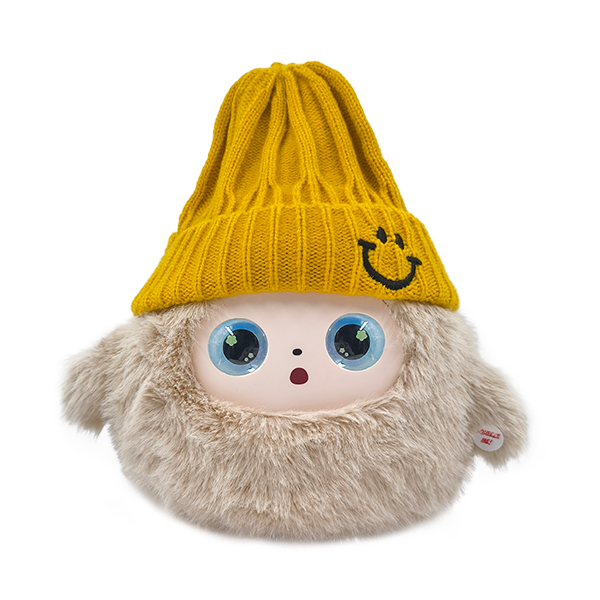
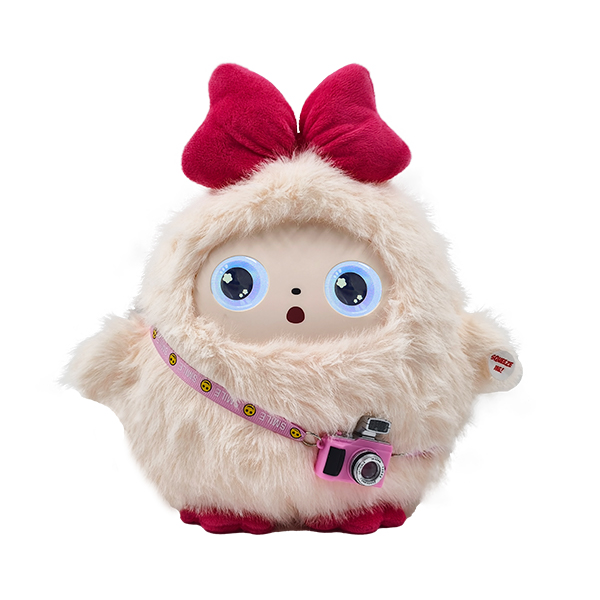
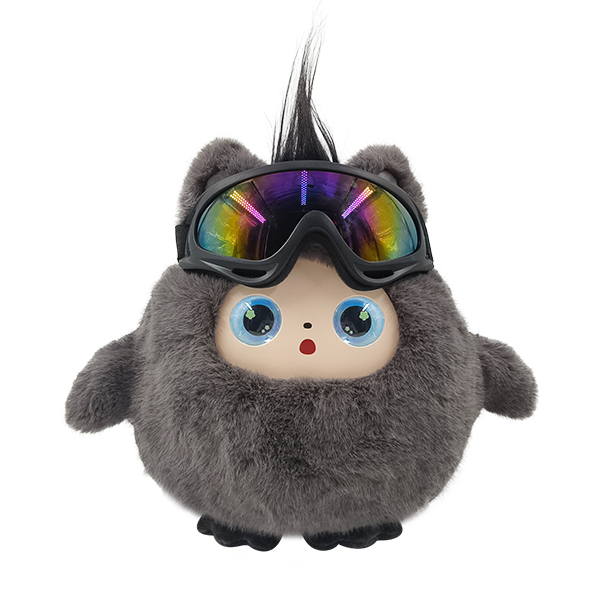
If you are launching a plush line, the single most valuable step you will take is custom plush toy sampling. A sample is the first physical version of your idea — the moment a flat drawing becomes something you can hold, weigh, and judge. Get the sample right and bulk production becomes a formality; skip the discipline at this stage and every defect you missed gets multiplied across thousands of finished units. This guide walks B2B buyers, brand owners, and product developers through the entire custom plush toy sampling workflow, from the first tech pack to the signed-off “golden sample” that anchors your production run.
Why the Sampling Stage Protects Your Budget
In practice, custom plush toy sampling is the cheapest insurance available on a plush program. A sample consumes the same skilled labor and materials as a finished product, but at a quantity of one. That is exactly why it pays for itself. A misaligned eye, a fabric that reads the wrong shade, or a seam that pops under light pull might cost a few dollars to fix on a prototype. The same flaw discovered across 3,000 production units can trigger a five-figure rework, a missed launch window, and a damaged relationship with retail buyers.
Professional buyers treat the sample stage as risk management, not an optional extra. The approved sample — often called the golden sample — becomes the reference standard every mass-produced unit is measured against. When you brief a custom plush manufacturer, the conversation that matters most is not the unit price. It is how confidently both sides can agree, in writing, on what “right” looks like before money moves at scale.
The Custom Plush Toy Sampling Process, Step by Step
Le custom plush toy sampling process follows the same disciplined path as production, just at quantity one. Understanding the stages tells you where turnaround time actually goes and where to push for speed.
| Stage | What happens | Typical time |
|---|---|---|
| Artwork & tech pack review | Factory studies your files, flags anything that will not translate to 3D | 1–2 days |
| Pattern drafting | Technician deconstructs the flat design into sewable panels | 2–4 days |
| Fabric & color matching | Pantone-matched fabrics and threads pulled from stock or dyed | 1–3 days |
| First prototype assembly | Panels cut and hand-sewn by a sample-room specialist | 3–7 days |
| Internal QC & photos | Factory checks against spec, sends detailed photos or video | 1–2 days |
| Buyer revisions | You give feedback; factory adjusts shape, color, or construction | 3–10 days per round |
| Final approval | Golden sample signed off as the production standard | 1–3 days |
A plush toy prototype is never sewn on a whim. The pattern-drafting step is the single most skill-intensive part of the process, because it determines whether your character keeps its proportions once it exists in three dimensions. A factory that rushes pattern making is a factory that will cost you revision rounds later.
How to Prepare a Brief That Saves Revision Rounds
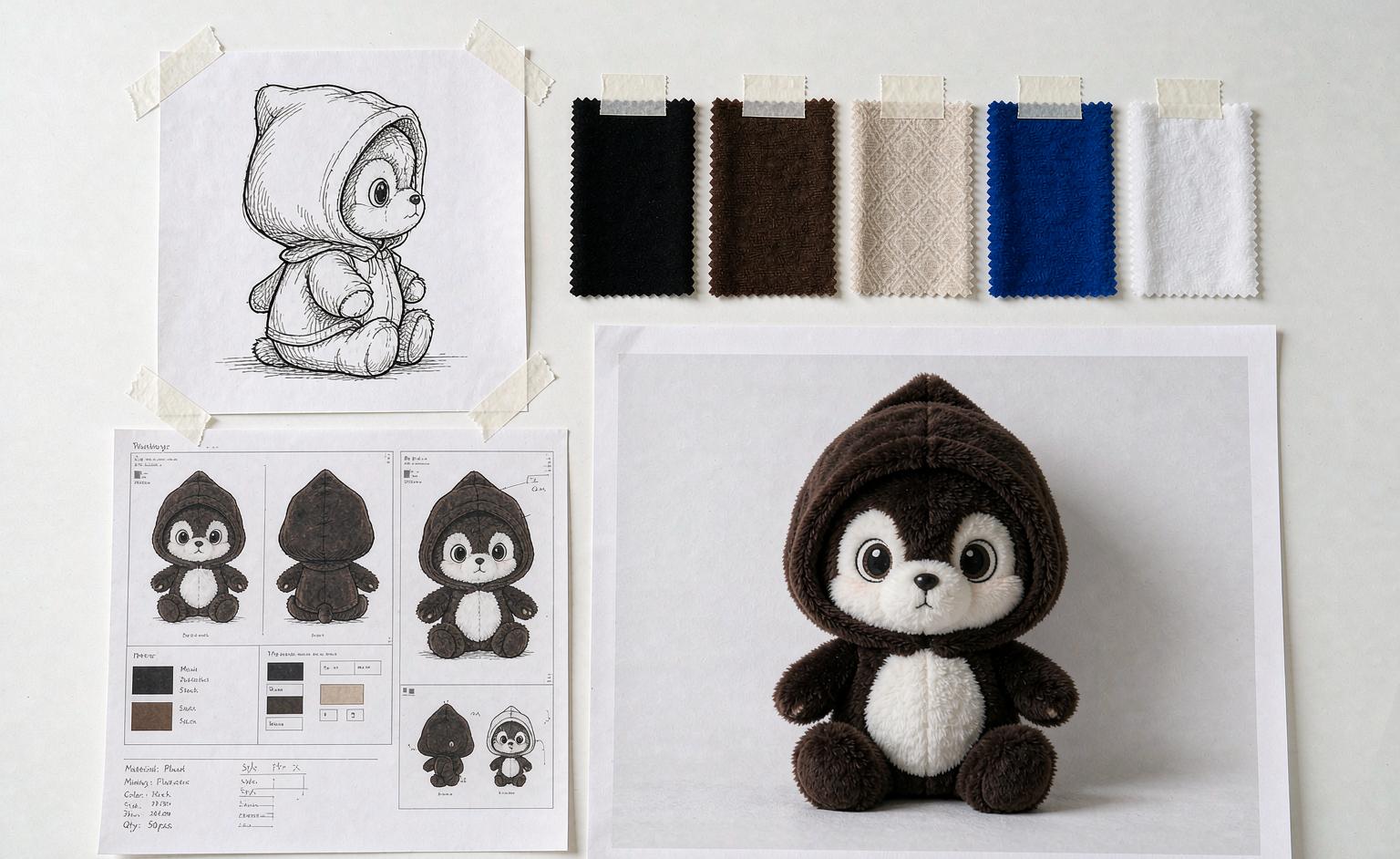
A strong custom plush toy sampling outcome starts with the brief. The fastest way to slow a project down is a vague one. Before you request a sample, prepare a plush toy tech pack — the single document that turns “make me a cute bear” into a buildable specification. A complete brief includes:
- Front, side, and back reference views of the character
- Target size in centimeters or inches
- Pantone or fabric-swatch color references
- Fabric preference (short plush, minky, velboa, faux fur, cotton)
- Embroidery or printing requirements
- Accessory, clothing, or sound-module details
- Packaging expectations (polybag, box, blind bag, header card)
- Target market and any testing requirements
The clearer your brief, the more accurate the first plush toy prototype will be, and the fewer rounds you will pay for. Buyers who send a single hand-drawn sketch and expect a perfect sample are the ones who burn three revision cycles on basic proportions. A clean spec sheet up front collapses those cycles.
How Long Does Plush Toy Sampling Take?
Custom plush toy sampling timelines scale with how much pattern engineering your design demands. Use the table below to budget both calendar and expectations before you request a prototype.
| Design complexity | First-sample time | Typical revisions |
|---|---|---|
| Simple (one fabric, basic shape) | 5–8 days | 1 |
| Standard (multi-color, embroidered face) | 8–12 days | 1–2 |
| Complex (appliqué, poseable, layered) | 12–18 days | 2–3 |
| Feature-rich (sound chip, weighting) | 15–20 days | 2–3 |
Each revision round adds roughly five to ten days plus a shipping leg if you are reviewing a physical sample rather than photos. If you are working to a hard launch date, build sampling into the timeline as its own phase — do not treat it as a few days tagged onto the end of production.
How Much Does a Plush Toy Sample Cost?
Le plush toy sample cost is a separate line from bulk production, and custom plush toy sampling budgets should plan for it explicitly. A fair sample fee covers pattern development, hand-sewing, and materials. Reputable factories credit that fee back against your bulk order once you proceed, so the sample effectively becomes free insurance against a bulk mistake.
Complexity drives the number. A simple single-fabric character costs little to sample and turns around fast. A complex design with appliqué, poseable limbs, or an embedded sound module raises both the development effort and the fee. Added features — weighting, embroidery, custom dye — each add to the quote. Think of the sample fee as the cheapest money you will spend on the entire project: it is the difference between confirming a design on one unit and discovering a problem across a container.
Giving Feedback That Collapses Three Rounds Into Two
Good feedback is the engine of efficient custom plush toy sampling. Almost no plush is perfect on the first try, and that is normal, not a red flag. Translating a 2D drawing into a 3D object always surfaces small mismatches in proportion, expression, or firmness. What separates a smooth project from a painful one is the quality of your feedback.
Vague notes like “make it cuter” guarantee another cycle. Specific, measurable notes collapse three rounds into two. Examples that work:
- “Move the eyes 3 mm closer together and lower them 2 mm.”
- “Deepen the belly pink to Pantone 1895C.”
- “Firm up the stuffing at the base so it sits upright.”
- “Shorten the ears by 5 mm so they do not flop forward.”
Disciplined feedback lets the factory act instead of guess. Pair your notes with the photos the factory sent, annotated if possible, and you will reach a golden sample in fewer iterations.
The Sample Approval Checklist
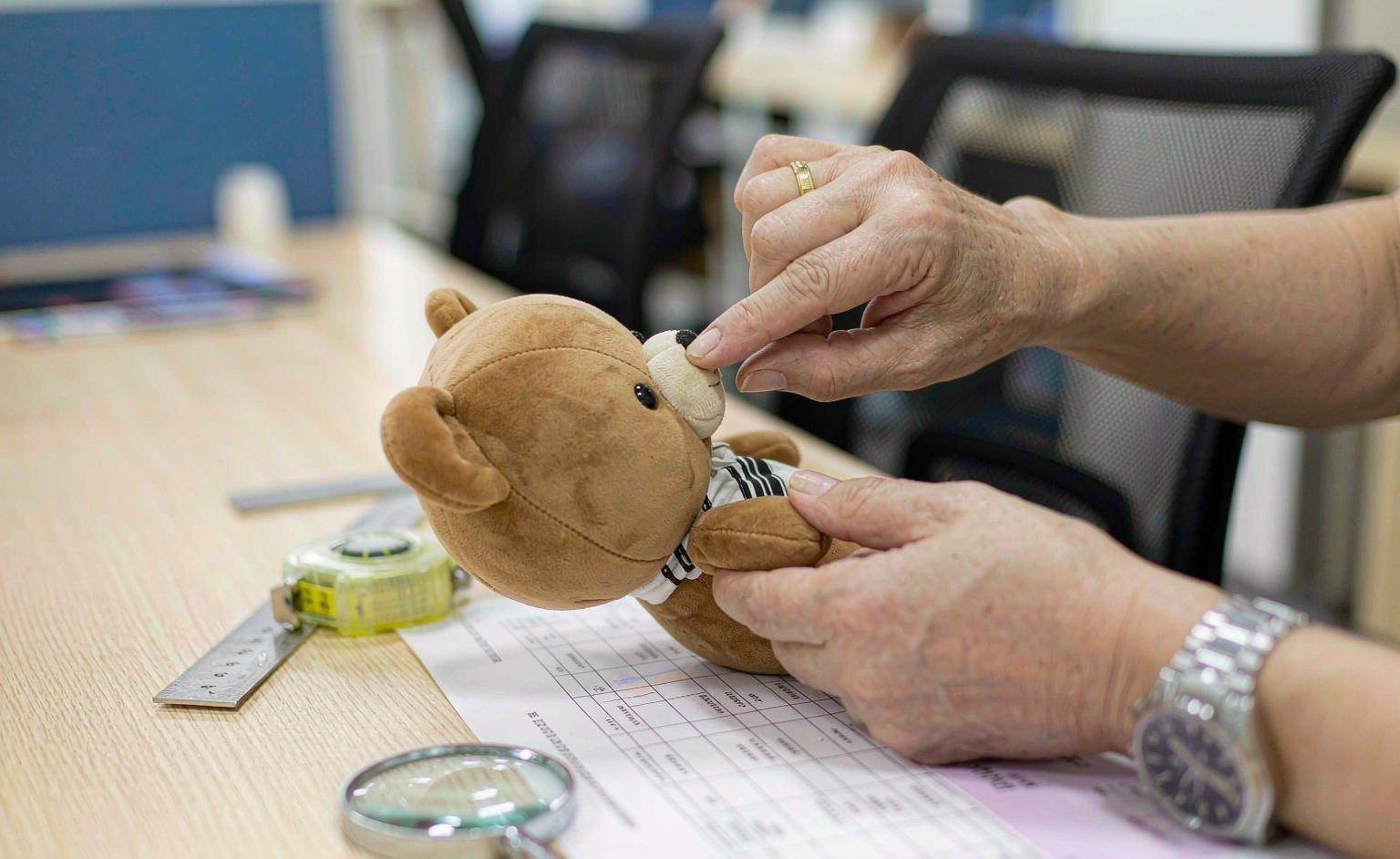
When the prototype arrives, resist the urge to react emotionally. Inspect it methodically against your spec — this is a quality checkpoint, not an unboxing. Run through this list every time:
- Dimensions: measure against your tech pack tolerances, not by eye.
- Couleur : compare fabric and thread to your Pantone chips in daylight, not screen light.
- Face & expression: eye placement and stitch density define the character — scrutinize them.
- Fabric & hand-feel: confirm texture, softness, and drape match the brief.
- Stitching: seams should be tight, even, and secure, especially at limbs and joints.
- Garniture : firmness should match intent; weighted designs should feel evenly distributed.
- Accessories: clothing, tags, and add-ons should fit and read correctly.
- La sécurité : confirm embroidered (not glued) features and age-appropriate construction for your market.
- Packaging: confirm the presentation style aligns with your brand.
Only when every line is checked should you sign off. Verbal approval is not approval — freeze the golden sample in writing and photograph it, because the bulk run will be measured against that record.
Plush Toy Prototype vs Production: Setting the Golden Sample
The approved plush toy prototype is more than a nice photo. It is the contractual anchor for your order. Once you sign off, the factory measures every production unit against it for shape, material, color, construction, and packaging. If a bulk toy drifts from the golden sample, you have a documented basis to reject or rework it.
This is also the moment to lock in your quality baseline. Note the exact stitch density, stuffing weight, and label placement on the golden sample so your QC team can replicate the check at the factory gate. For a conçus pour les secteurs de l’entreprise, des événements et de la promotion. program, that consistency is what separates a premium line from a lucky first batch.
What Strong Custom Plush Toy Sampling Looks Like in Practice
When custom plush toy sampling is run well, the whole project feels calmer. The factory returns a first prototype that already matches the brief because the tech pack was clear. The buyer gives specific feedback, the second sample lands close, and the golden sample is signed off without drama. Poorly run custom plush toy sampling looks the opposite: vague briefs, surprised buyers, three revision rounds, and a launch date that slips.
The difference is almost always preparation. Teams that invest an hour in a proper tech pack before requesting a sample save weeks later. Custom plush toy sampling is not a tax on your timeline; it is the tool that protects it. Treat the sample room as the most important department in your supplier, because the decisions made there define every unit that follows.
If you are comparing suppliers, ask each one to walk you through their custom plush toy sampling workflow in detail. The clarity of that answer tells you more than any factory photo. A partner who can explain exactly how they review artwork, draft patterns, match color, and document the golden sample is a partner who will protect your brand on the production line.
Choosing a Custom Plush Manufacturer for Sampling
Not every supplier treats sampling with the same rigor. When you evaluate a custom plush manufacturer, ask directly how they run the sample room: do they use dedicated sample specialists or pull from the bulk line? Do they send photos before shipping a physical sample? Will they credit the sample fee against production? Do they already hold the safety reports your target market requires?
A direct factory partner — rather than a trading company — typically gives clearer technical answers because the people sewing the toy are the people answering your email. StuffPlush is a custom plush manufacturer with 15+ years of OEM and ODM experience, running in-house pattern making, embroidery, sewing, stuffing, and assembly for global brands including Disney, Target, McDonalds, and Primark. You can learn more about our capabilities on the about StuffPlush page, and see the range of programs we run through our fabricant de peluches parlantes, Fabricant d'oreillers en peluche, fabricant de peluches pour vacanceset Fabricant de porte-clés en peluche pages.
Common Sampling Mistakes to Avoid
Most sampling problems are self-inflicted at the brief stage:
- Skipping the tech pack. A sketch is a starting point, not a specification.
- Chasing the lowest sample fee. The cheapest quote may exclude custom dye, accessories, or proper QC photos.
- Vague feedback. “Make it cuter” costs you a full revision round.
- Approving too fast. Sign off on a sample you have not measured and you inherit its flaws at scale.
- Ignoring age grading. A toy that looks fine for a 5-year-old may fail safety for an 18-month-old.
- Forgetting packaging lead time. Custom boxes and printed polybags often take two to three weeks on their own.
Questions fréquemment posées
What is the custom plush toy sampling process? The sampling process is the development stage between an initial design idea and a finished prototype. It runs through artwork and tech pack review, pattern drafting, fabric and color matching, first prototype assembly, internal quality control, buyer revisions, and final approval. A well-managed sampling process lets both buyer and factory confirm shape, materials, proportions, and construction before any bulk production begins.
How long does plush toy sampling take? Sampling time depends on design complexity. A simple one-fabric character typically takes 5–8 days for the first sample with one revision, while a standard embroidered design takes 8–12 days, a complex appliqué or poseable design 12–18 days, and a feature-rich design with sound chips or weighting 15–20 days. Each revision round adds roughly 5–10 days plus shipping if you review a physical sample.
How much does a plush toy sample cost? A sample fee covers pattern development, hand-sewing, and materials, and reputable factories credit it back against your bulk order once you proceed. Simple designs cost the least to sample, while complex designs with appliqué, poseable parts, or embedded sound modules cost more because they require additional pattern engineering. Treat the sample fee as insurance against a bulk production mistake.
How many revision rounds are typical for a plush prototype? Most projects settle in one to three revision rounds. The first sample evaluates size, shape, and materials; a second round refines color accuracy and face embroidery; a third handles fine details, firmness, and accessories before final sign-off. Specific, measurable feedback — such as moving eyes a few millimeters or matching a Pantone color — collapses three rounds into two.
What should I prepare before requesting a plush toy sample? Prepare a tech pack with front, side, and back reference views, target size, Pantone or fabric-swatch colors, fabric preference, embroidery or printing details, accessory requirements, packaging expectations, and target market testing needs. The clearer your brief, the more accurate the first prototype will be and the fewer revision rounds you will pay for.
What is a golden sample in plush manufacturing? A golden sample is the approved prototype that becomes the reference standard for mass production. Every bulk unit is measured against it for shape, material, color, construction, and packaging. Buyers should freeze the golden sample in writing and photograph it, because the production run is judged against that record and it forms the basis for any quality rejection.
Conclusion
Custom plush toy sampling is where good plush ideas become reliable products. By preparing a precise tech pack, understanding the timeline and cost tiers, giving specific feedback, and signing off on a documented golden sample, you turn the riskiest phase of development into your strongest safeguard. The brands that win are the ones that respect the sample stage — and treat their custom plush manufacturer as a long-term partner rather than a one-off vendor. Start by reviewing our animaux en peluche et porte-clés en peluche collections, then explore the fabricant de peluches pour vacances et fabricant de peluches parlantes pages to see how a mature sampling and production program runs at scale — and reach out for a tailored quote when your brief is ready.