 French
  English
  German
  Russian
  Korean
  Spanish
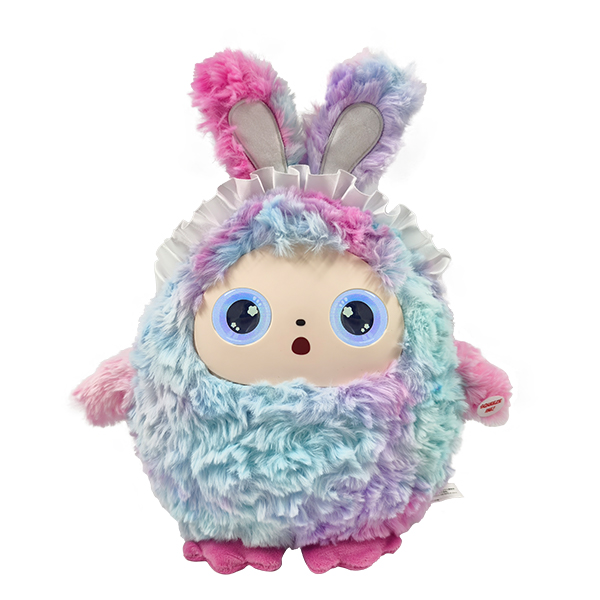

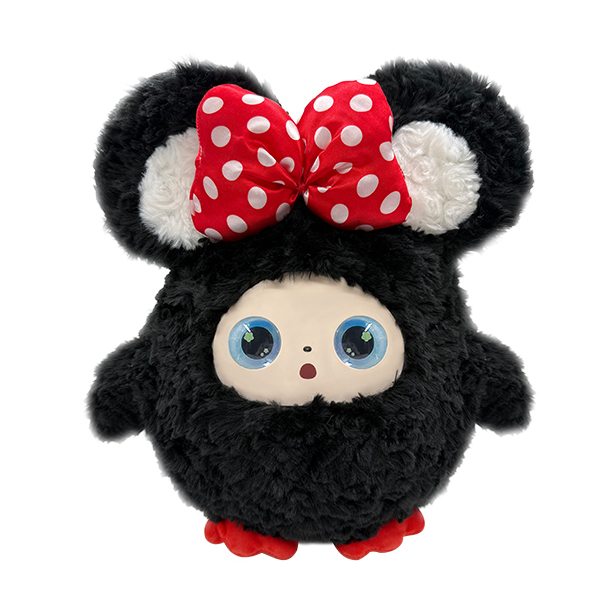
Shopping for peluches écologiques used to mean choosing between “looks cute” and “feels responsible.” That trade-off is gone. Today a growing number of brands build plush from recycled bottles, certified organic cotton, and non-toxic dyes — without sacrificing softness or durability. But the label “eco” is also one of the most abused words in the toy aisle. This guide shows you how to tell a genuinely sustainable plush from a greenwashed one, which materials and certifications actually matter, and how to choose a companion that is kind to the planet and safe in small hands.
Why Material Choice Is the Whole Story
Sustainability in a plush toy lives or dies in the materials. The outer fabric, the filling, the thread, and even the hangtag each carry an environmental footprint. A toy that swaps only its shell to recycled fabric but keeps conventional synthetic fill is doing a little — not a lot. The brands worth your trust rethink the whole product: shell, stuffing, packaging, and the supply chain behind them.
For families, material choice is also a safety story. Natural fibers such as organic cotton often pass flame-resistance expectations without heavy chemical treatments, while some conventional synthetics rely on dyes and finishes you would rather keep away from a child’s mouth. Peluches écologiques that pair natural fibers with certified processing are doing both jobs at once: lowering footprint and lowering chemical exposure.
Sustainable Plush Toys as a Category
The term sustainable plush toys describes the whole product system, not a single green feature. A truly sustainable toy considers raw material sourcing, manufacturing energy, labor conditions, packaging, shipping, use-phase care, and end-of-life. A toy that uses recycled shell but ships in plastic-heavy packaging, or one that falls apart in a month and gets discarded, is not sustainable in any meaningful sense.
When you evaluate a product, look for a pattern of better decisions rather than one heroic material. Recycled or certified-organic shell and fill, simplified recyclable packaging, published supply-chain transparency, and durable construction together define a sustainable plush. A single upgraded component is a starting point; a connected set of choices is the real thing.
The Most Common Eco Plush Materials
| Matériau | What it is | Eco profile | Typical use |
|---|---|---|---|
| Recycled polyester (rPET) | Made from post-consumer plastic bottles | Diverts waste; still synthetic | Shell and fill |
| Organic cotton | Cotton grown without synthetic pesticides | Biodegradable, low-impact | Baby plush, skins |
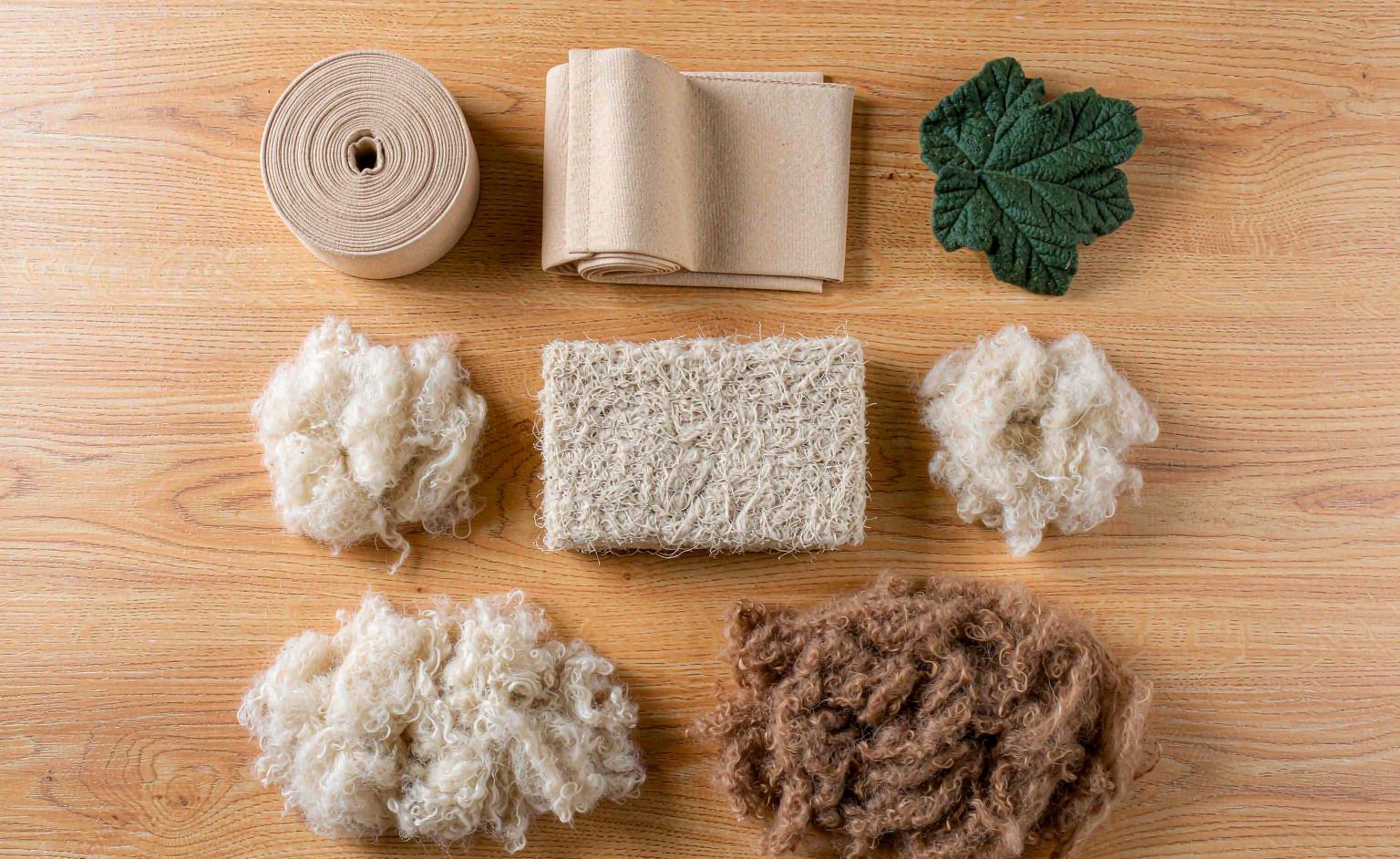
| Kapok | Plant fiber from seed pods | Renewable, lightweight | Natural fill |
| Wool | Sheared animal fiber | Biodegradable, warm | Premium fill |
| Bamboo fiber | Fast-renewable grass fiber | Soft, breathable | Blended shells |
| Recycled cotton | Post-industrial cotton scrap | Reduces landfill | Mixed fills |
No single material is perfect. The honest answer is that “eco” is a spectrum, and the best buying decision depends on what you value: waste reduction, biodegradability, or certified chemical safety.
Recycled Polyester: Better, But Read the Fine Print
When you start comparing peluches écologiques, recycled polyester is the most common entry point. Recycled polyester plush toys — often labeled rPET — are made from post-consumer plastic bottles. Turning a bottle into a bear keeps waste out of landfills and uses less virgin petroleum than conventional polyester. That is a real, meaningful step, and it should be recognized as such.
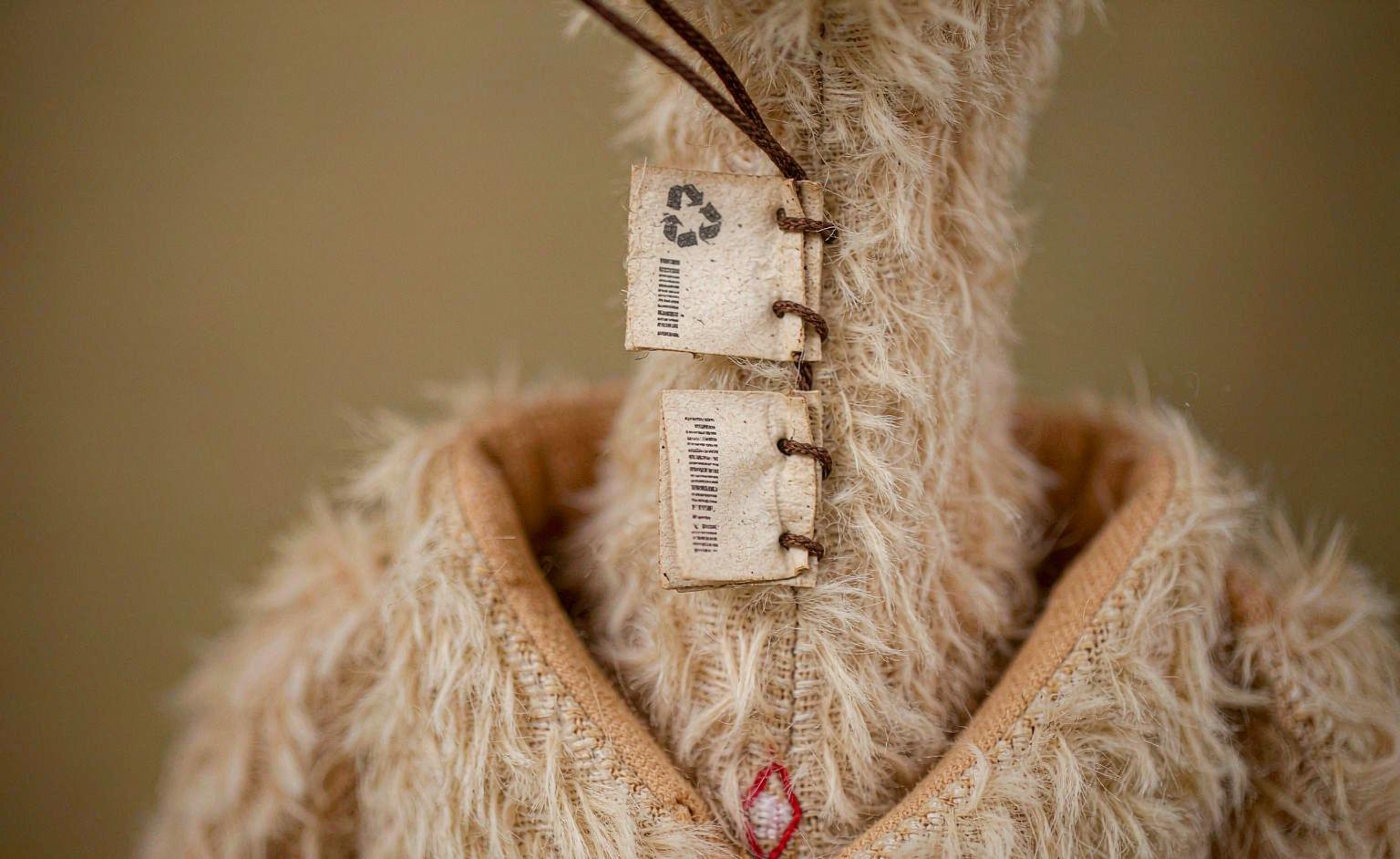
But recycled polyester is still plastic. The most credible eco plush use recycled content in both the outer fabric and the fill, not just the shell. When you read a label, check the fill, not just the outside. “Recycled polyester fibrefill” is a meaningful improvement over “polyester fibrefill”; “kapok,” “organic wool,” or “organic cotton fill” are genuinely different categories with different environmental profiles. A toy that is 100% post-consumer — fabric, thread, and tag — sits at the top of the recycled tier.
Organic Cotton and Natural Fibers
Organic cotton plush toys appeal to parents who want a biodegradable, chemical-light option next to a baby’s skin. Organic cotton is grown without synthetic pesticides and is often softer and better tolerated by sensitive skin. It costs a little more, but for a first friend a child will chew, cuddle, and sleep with, many families decide the premium is worth it.
Natural fills such as kapok and organic wool add warmth and biodegradability, though wool can be allergenic for some children. Bamboo and hemp blends appear in premium lines and offer renewable sourcing, though they are usually blended rather than used pure. The pattern that matters is not one heroic material but a consistent set of better choices across the whole toy.
Certifications That Actually Mean Something
Third-party certifications are your shortcut through marketing language. Brand slogans like “naturally inspired” prove nothing; independent audits do. Here are the marks that carry weight for peluches écologiques:
| Certification | What it verifies | Covers |
|---|---|---|
| GOTS | Organic fiber origin and processing | Fiber source |
| OEKO-TEX Standard 100 | No harmful chemicals in finished product | Chemical safety |
| GRS (Global Recycled Standard) | Recycled content and responsible practice | Recycled claim |
| FSC | Responsible paper and cardboard | Emballage |
| B Corp / Fair Trade | Broader social and environmental performance | Company level |
A GOTS certified plush toys claim tells you the organic fiber was verified end to end, while OEKO-TEX tells you the finished toy is free from harmful substances. Note that GOTS and OEKO-TEX do different jobs — one covers fiber origin, the other chemical safety of the finished item. For peace of mind, look for both. Also check audit dates: certifications expire, and a brand silent since 2021 may no longer be compliant.
How to Spot Greenwashing
Greenwashing is rife in the toy aisle, and peluches écologiques are a frequent target. Protect yourself with a ninety-second label check:
- Check the fill, not just the shell. A recycled outer with conventional fill is halfway, not whole.
- Distinguish GOTS from OEKO-TEX. Both are credible; they verify different things.
- Look for third-party logos, not brand language. “Mindful materials” is a slogan; “GRS” is an audit.
- Check audit dates. Expired certifications are not certifications.
- Consider country of manufacture and traceability. A toy can be sewn in a certified facility using uncertified fill and trims.
- Demand transparency. Brands doing traceability properly will say so, in writing.
The most sustainable plush toy is often the one already in circulation — a clean, pre-loved toy carries almost no marginal footprint. Buying new, choose certified over claimed, and you stay on solid ground.
Safety and Sustainability Overlap
Choosing non-toxic plush toys is both a health and an environmental decision, and the best peluches écologiques treat the two as one project rather than two. Conventional synthetics may require AZO dyes, heavy-metal compounds, or flame retardants to meet safety standards; natural-fiber toys frequently clear the same bars without those treatments. A careful brand explains its testing standards and construction details — reinforced stress points, double-stitched seams, embroidered (not glued) features — because those details keep a toy intact through real use and keep it out of the waste stream longer.
Durability Is the Quietest Form of Sustainability
The greenest peluches écologiques are the ones a child keeps for years. A classic, well-made companion outlasts a cheap, trendy impulse buy and avoids the emissions of replacement. Prioritize construction: tight seams, secure attachments, washable fabrics, and a design that does not depend on a passing fad. Durability is not glamorous, but it is the single most reliable way to lower a toy’s lifetime footprint.
Caring for Eco-Friendly Plush Toys
Good maintenance extends a toy’s life and prevents premature disposal:
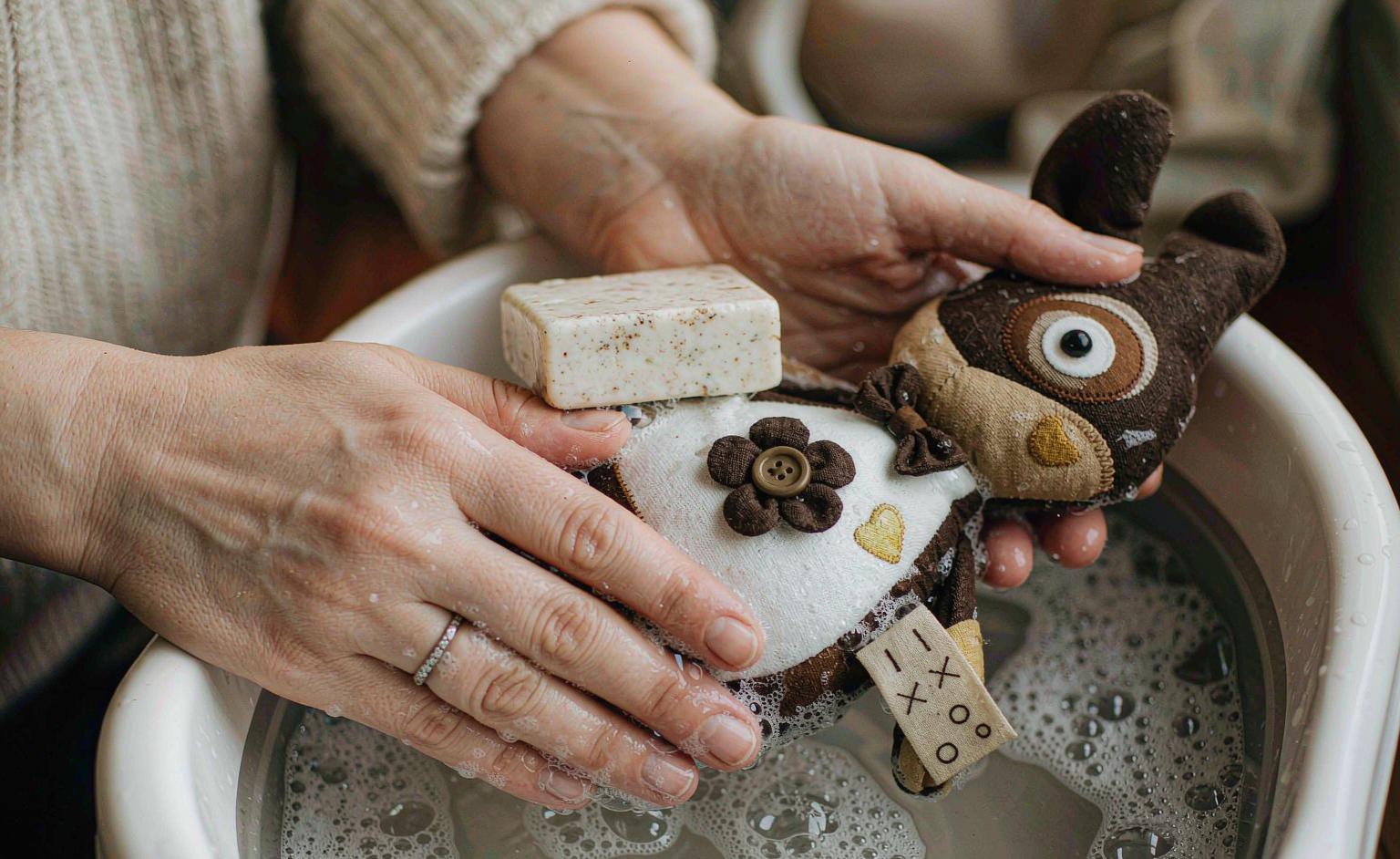
- Follow care instructions; many natural fibers want gentle washing.
- Spot clean regularly instead of frequent full washes.
- Air dry rather than using a dryer, which degrades natural fibers.
- Repair small tears and re-stitch loose seams instead of discarding.
- Upcycle worn plush into pillow covers, keychains, or ornaments.
Where StuffPlush Stands
StuffPlush is a custom plush toy manufacturer with 15+ years of OEM and ODM experience serving global brands including Disney, Target, McDonalds, and Primark. We build every order to ASTM, CPSIA, EN71, and CE standards using non-toxic, hypoallergenic materials, and we work with brands to specify recycled and certified-organic options across shell, fill, and packaging. Our peluches écologiques programs let brands move from a single recycled component to a fully certified, low-impact line. Explore our animaux en peluche et oreillers en peluche ranges, or review the fabricant de peluches pour vacances et Fabricant de porte-clés en peluche pages to see how sustainable material programs run at scale. Learn more about our capabilities on the about StuffPlush page.
Making the Switch to Eco-Friendly Plush Toys
If you are new to sustainable shopping, peluches écologiques are an easy place to start because the swap is low-risk and high-visibility. Begin with one certified toy rather than replacing an entire collection, and let the child’s reaction guide the rest. Peluches écologiques made from recycled polyester or organic cotton feel every bit as soft as conventional ones, so no one gives up comfort to gain peace of mind.
The practical path is gradual. Replace worn-out toys with certified versions, choose recyclable packaging when available, and favor brands that publish test reports. Over a year, a family can shift most of its plush purchases to verified sustainable options without overspending. Peluches écologiques also make thoughtful gifts: a certified organic cotton companion signals care for both the child and the planet, which many parents now value as much as cuteness. When you compare options side by side, the peluches écologiques that pair certified materials with durable construction are the ones that deliver on the promise instead of just printing it on the tag.
Questions fréquemment posées
What are eco-friendly plush toys made of? Eco-friendly plush toys are typically made from recycled polyester (rPET) spun from post-consumer plastic bottles, certified organic cotton, or natural fibers such as kapok, wool, bamboo, or recycled cotton. The most credible options use sustainable material in both the outer shell and the filling, not just the outside fabric, and pair them with recyclable packaging.
Is recycled polyester plush actually sustainable? Recycled polyester plush is a meaningful improvement over virgin polyester because it diverts plastic waste from landfills and uses less new petroleum. It is still a synthetic material, so the strongest eco claims use recycled content in both the shell and the fill, verified by a Global Recycled Standard (GRS) certification, rather than recycled fabric alone.
What certifications should I look for in eco plush toys? Look for GOTS (Global Organic Textile Standard) for certified organic fiber, OEKO-TEX Standard 100 for verified chemical safety of the finished product, and GRS for recycled content. FSC covers responsible packaging paper, while B Corp or Fair Trade signal broader social and environmental performance. Third-party logos matter more than brand language.
Are organic cotton plush toys safer for babies? Organic cotton plush toys are generally a strong choice for babies because the fiber is grown without synthetic pesticides and is often better tolerated by sensitive skin. They can also meet flammability expectations without some of the chemical treatments used on conventional synthetics. Always still confirm age grading and embroidered (not glued) features for infant use.
How can I avoid greenwashing when buying eco plush? Check the filling as well as the outer fabric, distinguish GOTS from OEKO-TEX, look for third-party certification logos rather than marketing slogans, verify audit dates, and favor brands that publish supply-chain traceability. Remember that a clean pre-loved plush is often the most sustainable option of all.
How do I care for eco-friendly plush toys? Follow the care label, spot clean regularly instead of frequent full washes, air dry rather than machine dry to protect natural fibers, and repair small tears or loose seams instead of discarding. Gentle, infrequent washing and simple repairs extend the toy’s life and lower its lifetime environmental impact.
Conclusion
Peluches écologiques reward a shopper who reads past the hangtag. Prioritize materials like recycled polyester and organic cotton, verify claims with GOTS, OEKO-TEX, or GRS certifications, insist on transparency, and choose durability over trend. The result is a soft companion that is safer in small hands and kinder to the planet — and one a child will actually keep. For brands, sustainable plush toys built on certified materials and honest reporting are the future of the category. Browse our animaux en peluche et oreillers en peluche collections to see sustainable material options in practice, and reach out through the about StuffPlush page when you are ready to specify a custom eco line.