 Spanish
  English
  German
  French
  Russian
  Korean
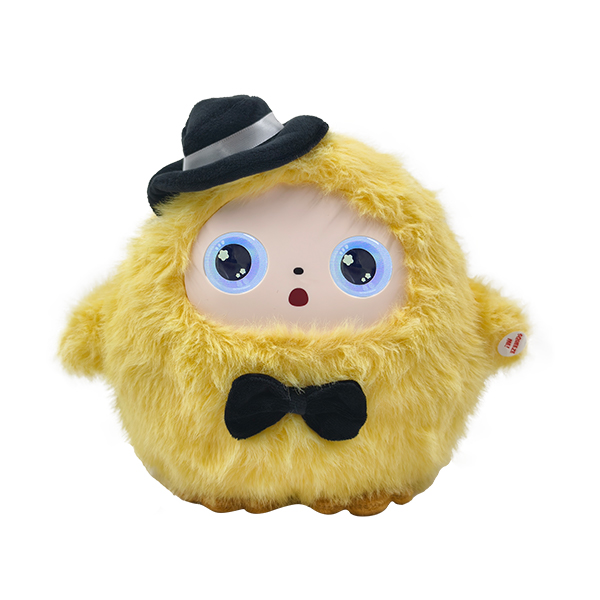
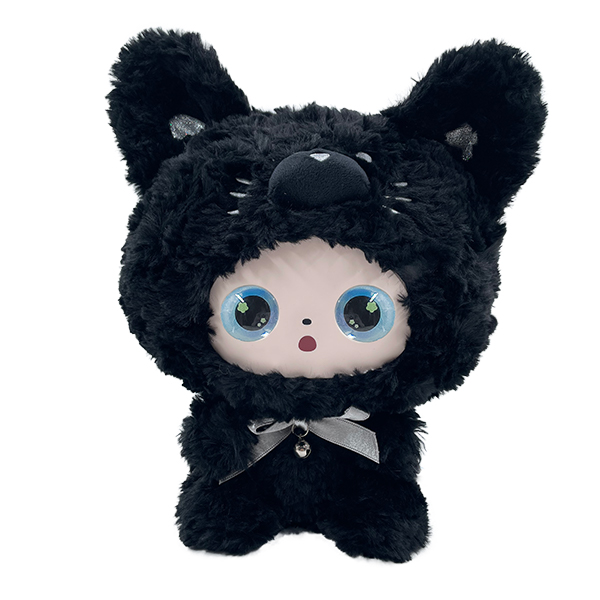
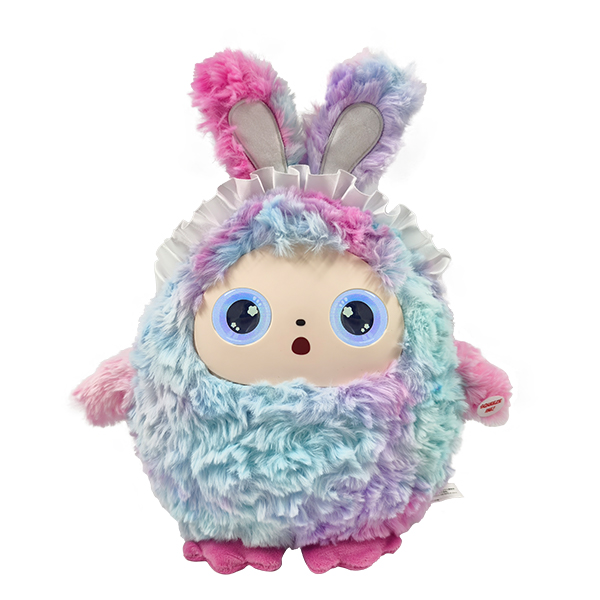
Collectible plush toys sit at a strange intersection: they are soft, affordable, and emotionally loaded, which is exactly why a market that used to be dismissed as kids’ stuff now has its own grading language, price guides, and auction results. A plush figure that retailed for twenty dollars can trade for hundreds if the right conditions line up — and a shelf full of otherwise identical bears can be worth almost nothing. This guide walks through what actually separates the two, how limited edition drops are engineered, how to read a tag or a stitch line like an experienced collector, and how to store a collection so it holds its condition. If you are a brand owner rather than a collector, the same mechanics explain why custom plush manufacturing has become a collector-marketing tool; if you are simply deciding what to buy next, start with our animales de peluche overview and then come back to the value framework below.
What Makes Collectible Plush Toys Different
Collectibility is not a single trait. It is a stack of conditions, and most collectible plush toys fail at least one of them.
For collectible plush toys, the first condition is scarcity that is verifiable. A toy is only collectible when the market can agree on how many exist. Limited edition plush toys solve this by publishing a number — 500 pieces, 2,000 pieces, one per store — and by documenting it on a hang tag, a certificate, or a serial patch. Without a documented quantity, scarcity is just a rumor.
The second condition that separates collectible plush toys from ordinary toys is a defined canon. Collectors gravitate toward sets: a character roster, a seasonal series, an anniversary line. An individual plush is a toy. A numbered series is a collection, and collections create completion pressure, which is what sustains secondary-market prices long after the original drop sells out.
The third condition is factual distinctness. If a rerun is indistinguishable from the original, the original cannot hold a premium. The pieces that appreciate usually differ in some documented way — a different tag, a colorway, a stitching detail, a production year.
The fourth condition is condition survivability, and it is where most collectible plush toys quietly lose their value. Plush is a soft good with a hard problem: it is easy to damage and hard to restore invisibly. Fabric pile crushes, stuffing compresses, white plush yellows, and any repair leaves a trace. Value therefore concentrates in pieces that were never played with and were stored properly from day one.
Collectible Plush Toys for Adults: The Fastest-Growing Segment
The most significant shift in the category over the past several years is demographic. Collectible plush toys for adults have moved from novelty to a mainstream adult hobby, and that has changed what manufacturers and brands optimize for. A category once written off as a nursery purchase now supports dedicated collector communities, published price references, and active secondary markets.
What makes collectible plush toys for adults different is not the product so much as the purchase logic. Adult collectors buy to complete a set rather than to satisfy a child. They care about packaging integrity and will pay a premium for an unopened box. They photograph and display rather than cuddle, which means shelf presence, poseability, and detail density matter more than washability. And they document — condition reports, provenance notes, price logs — which in turn makes the market more transparent and more liquid.
For brands, this segment justifies design investment that would be hard to defend for a general toy: finer embroidery, higher-grade fabrics, individual numbering, and packaging treated as part of the product rather than a shipping necessity. A toy aimed at a child is judged in the first thirty seconds. A toy aimed at a collector is judged over years, and every shortcut eventually gets noticed.
Limited Edition Plush Toys: How Brands Create Scarcity
Limited edition plush toys are a marketing mechanic dressed as a product decision. Understanding the mechanic helps both collectors and brand owners.
Most collectible plush toys are not born that way — they are engineered. Numbered runs are the clearest form: each piece carries a number and the run size is published. Numbering is inexpensive to execute and disproportionately effective, because it converts an anonymous product into a documented object. The moment a collector knows there are only 1,000 pieces and theirs is 0473, the piece acquires a place in a sequence.
Region-exclusive releases. The same design released in different markets with small documented variations. This fragments supply in a way that is easy to justify operationally and creates cross-market trading.
Timed exclusives. Availability limited to a window rather than a quantity. This produces the same pressure as a numbered run while being simpler to plan around production capacity, since the cutoff is a date rather than a count.
Collaboration drops. A licensed character or an artist collaboration released in a single batch. These carry the strongest short-term secondary-market premiums because two distinct audiences compete for one supply.
The important caveat for brand owners is that scarcity has to be structural, not rhetorical. A “limited edition” claim that quietly restocks destroys the trust that makes the mechanic work, and collectors are unforgiving about it. Real scarcity is enforced at the manufacturing and distribution layer — and enforcing it is a production-planning decision, not a marketing one.
How to Evaluate Collectible Plush Toys
Experienced collectors evaluate collectible plush toys in a fixed order. Following the same order turns a subjective “this looks good” into a repeatable comparison.
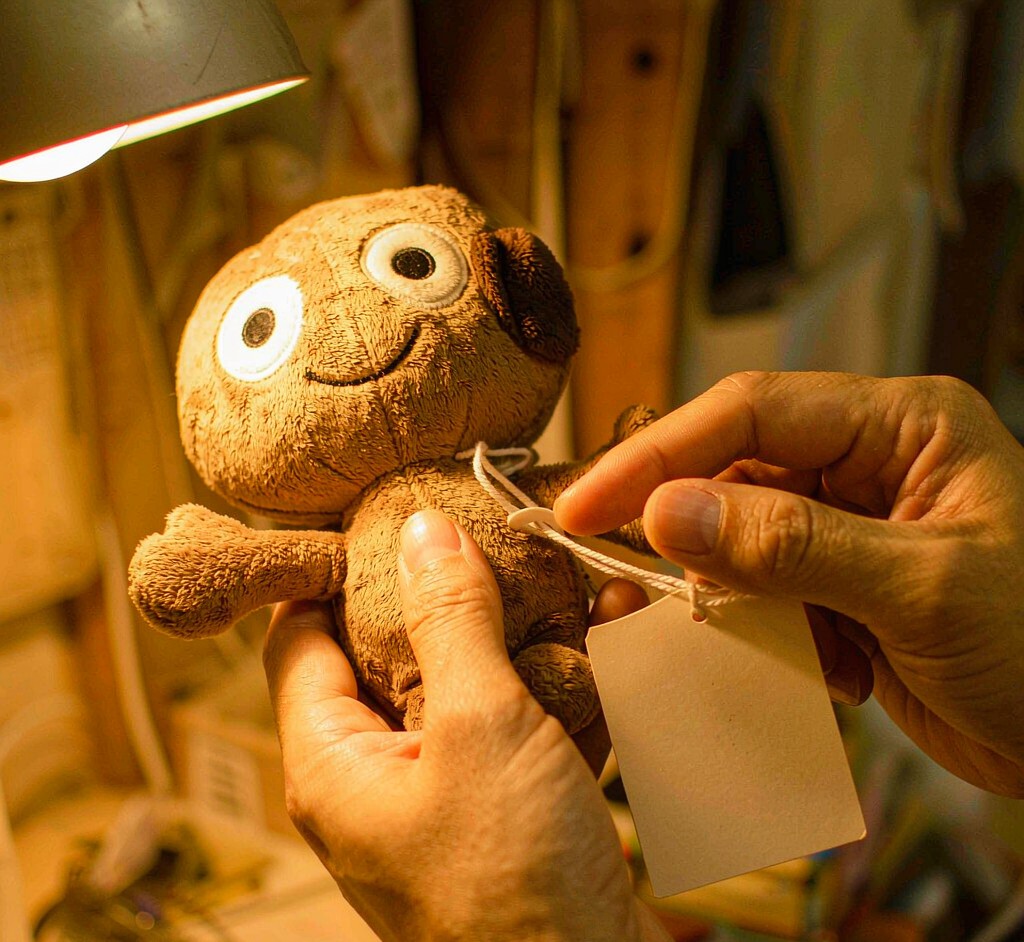
Hang tags and patches. The single most valuable piece of evidence. Tags establish brand, character, production year, and often the run size. A piece with an intact original tag will typically outvalue an identical piece without one by a wide margin, because the tag is the only thing that makes provenance checkable. A missing tag does not make a toy worthless, but it removes the ability to prove what it is.
Stitching consistency. Machine embroidery with tight, even density signals a controlled production line. Loose fill, wandering seams, or asymmetric facial features signal either a budget run or a factory outside the authorized supply chain.
Fabric and pile integrity. Pile height should be uniform across the piece; flattened patches mean crushing. On white or cream plush, check for yellowing along seam lines and in fold shadows — a common and irreversible aging signature.
Filling behavior. Squeeze the piece and release. A well-filled toy returns to shape within a second or two. Sluggish rebound means fiber breakdown, often from washing or long compression in storage.
Scent and surface. Mustiness indicates damp storage, which is the most common cause of value loss in collections. Odor is also the hardest defect to reverse.
Vintage Plush Toys Worth Money: What Actually Drives Value
Vintage plush toys worth money are frequently misidentified. Age alone is close to irrelevant: most mass-produced plush from any era is common, and the overwhelming majority of old soft toys are condition-impaired. Collectible plush toys that hold value are the exceptions, and those exceptions are identifiable. Value comes from the interaction of age with rarity, desirability, and documentation.
| Value driver | Why it moves price | What to check |
|---|---|---|
| Documented production run | Scarcity can be verified, so buyers can price it | Numbered certificate, serial patch, catalog reference |
| Character or license strength | Two audiences compete: fans plus collectors | Tag brand, licensing artwork, character line |
| Era of manufacture | Certain periods produced fewer units and softer fibers | Tag typography, care-label format, fiber content |
| Condition grade | Restored pieces rarely recover full value | Pile uniformity, color, stuffing bounce, odor |
| Original packaging | Proves unused status and completeness | Box integrity, inserts, unopened seals |
| Provenance | Ownership history removes doubt | Receipts, auction records, collector documentation |
Collectible plush toys that appreciate follow a pattern: documented origin plus preserved condition. Two myths are worth retiring. First, “old equals valuable” — a 1980s plush produced in the millions is generally worth what the materials are worth. Second, “cleaning increases value” — aggressive washing removes pile depth, thins embroidery, and alters the silhouette. For collectible pieces, conservative surface treatment almost always beats a deep clean, and any intervention should be documented.
A Practical Grading System for Your Collection
Professional grading scales differ by category, but a simple four-tier system is enough to organize a collection, set expectations, and communicate condition honestly if you ever sell or trade. Grading is also how collectible plush toys get compared across a collection, because it replaces “this one feels better” with a condition statement a buyer can act on.
| Grade | Condition definition | Typical handling |
|---|---|---|
| Mint / unused | Original tag intact, original packaging, no pile disturbance | Archival storage, display behind glass |
| Near mint | Tag present, no visible wear, minor storage settling | Display rotation, light handling with clean hands |
| Good / displayed | Tag may be missing, light pile crush, no stains or tears | Open display, periodic gentle brushing |
| Played / restored | Visible wear, repairs, fading, or odor | Personal collection value; not a trading grade |
Being strict about grades is a collector’s advantage, not pessimism. Pieces tend to be graded generously by owners and strictly by buyers, so grading your own collection to buyer standards in advance saves a great deal of friction later — and it protects the pieces you decide to hold long term.
How to Store a Plush Toy Collection Without Damaging It
Storage is where collections are quietly lost. The failure modes are predictable, and nearly all of them are preventable — which is why collectible plush toys that were stored deliberately outlast pieces that were merely kept.
Light. Ultraviolet exposure is the leading cause of fading and yellowing, and it is the most common reason collectible plush toys drop a grade. Store away from windows, and if you display, rotate pieces off the shelf periodically rather than leaving favorites in permanent sun.
Humidity. Damp air drives mustiness and, in the worst cases, mildew in the filling. Keep collections in stable, dry conditions, avoid basements and unheated attics, and never store plush in sealed plastic bags in a humid room — the bag traps moisture rather than excluding it.
Compression. Long-term stacking crushes pile and breaks down filling rebound. Large pieces should be stored upright or supported, not buried under weight. Vacuum compression bags are the single worst storage choice for anything collectible: the fibers recover slowly if at all.
Handling. Clean, dry hands. Oils transfer to fabric and attract dust, and they darken light-colored pile over time.
Pest exposure. Natural-fiber and wool-blend plush attract moths and carpet beetles. Use breathable cotton storage bags with a cedar or lavender sachet, and inspect stored pieces at least once a year.
Documentation. Keep a simple log for your collectible plush toys: what you own, where it came from, when you acquired it, and in what condition. Collectors who document their holdings recover more value on resale and make better decisions about what to keep.
Display Ideas That Protect Value
Display and preservation are not opposites, but they require a few deliberate choices, and those choices matter most for collectible plush toys held in near-mint condition.
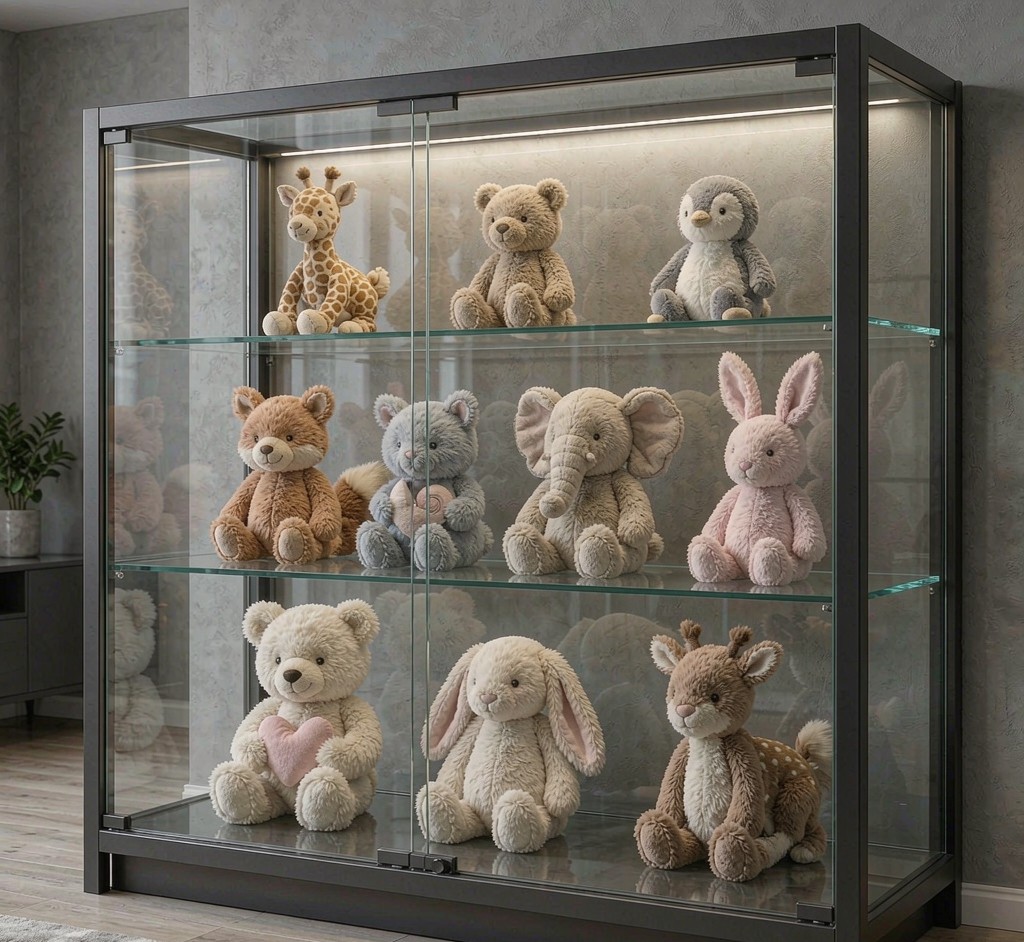
Open shelving is the most popular approach and the most demanding for collectible plush toys. Dust accumulates in pile and is difficult to remove without disturbing fibers; a soft-bristle brush used gently and regularly handles most of it. Closed glass cases cost more but reduce both dust and ultraviolet exposure, and they signal that a piece is being held rather than used.
Shelf rotation is the practical middle ground. Rotate displayed pieces every few weeks so no single item takes sustained light and dust, and return the rest to archival storage. For high-value pieces, display the piece that has already lost its tag premium and store the tagged one — the value is in the tag, so exposure should be spent on the less critical item.
Avoid wired racks and shelving with sharp edges that can abrade pile at contact points. Adjustable flat shelves with a small lip preserve the silhouette of larger pieces while keeping them from tipping.
Where the Secondary Market Actually Operates
Collector liquidity depends on where supply and demand meet, and different channels reward different things. For collectible plush toys, the same piece can sell at very different prices depending on which room it is offered in. Specialist marketplaces carry the deepest knowledge — buyers there ask detailed condition questions and pay accordingly. General resale platforms reach the widest audience but reward clear photography and complete documentation more than niche expertise. Collector communities and forums matter disproportionately for rare pieces, because the buyers who pay the strongest prices for obscure items are usually already in the room.
Whether you are trading collectible plush toys or buying them, documentation decides the outcome. If you are selling, photograph the tag, the stitching, and any defect before you describe it. Undisclosed flaws damage your standing faster than the flaw damages the price. If you are buying, ask for a photograph of the tag under direct light; it is the fastest way to filter out misattributed listings.
For Brands: Turning a Plush Line Into Collectible Plush Toys
The commercial logic behind collectible plush runs is straightforward, and it is now a standard element of plush product strategy for IP holders, retailers, and entertainment brands.
Programs that produce genuinely collectible plush toys work best when scarcity is designed in from the start rather than bolted on at the end. That means deciding the run size before sampling, numbering the pieces during production, designing the tag as a documented artifact rather than a legal formality, and planning the packaging so an unopened piece survives storage intact. It also means resisting the temptation to rerun — the value of the first drop depends on the second drop not existing in identical form.
StuffPlush is a custom plush manufacturer with 15+ years of OEM and ODM experience, running cutting, embroidery, sewing, stuffing, and assembly in house for global brands including Disney, Target, McDonalds, and Primark. For collectible programs, that in-house control is what makes documented runs practical: consistent embroidery density across a batch, stable dye lots so a series matches, and material libraries that keep piece 0473 identical to piece 0001. See how limited-run programs translate into different formats across our llaveros de peluche, almohadas de felpay peluches para vacaciones ranges.
Preguntas frecuentes
What makes plush toys collectible? Collectible plush toys share four conditions: scarcity is verifiable, the piece belongs to a defined series, it is factually distinct from reruns, and it survives in good condition. Documented production runs, intact original tags, and strong licensing all raise collectibility. Age by itself is not a reliable indicator of value.
Are collectible plush toys for adults worth buying? They can be, if you buy documented pieces from established series and store them properly. The risk is concentrated in undisclosed reruns and condition loss during storage. Buy pieces you would be happy to keep regardless of price movement, and treat any appreciation as a bonus rather than the plan.
How do I identify limited edition plush toys? Look for a numbered certificate, a serial patch, a run size printed on the hang tag, or a documented regional exclusive. Cross-check the tag typography and care label against the brand’s catalog. If the run size cannot be confirmed from the piece itself or from brand documentation, treat the limited edition claim as unverified.
Do vintage plush toys worth money need to be cleaned? Usually not — and this caution applies to collectible plush toys generally. Aggressive washing flattens pile, thins embroidery, and changes the silhouette, all of which reduce value. Use conservative surface treatment, such as gentle brushing and airing in dry conditions, and document any intervention you do perform. Only wash a piece when contamination makes it necessary rather than merely untidy.
How should I store collectible plush toys long term? Store pieces upright in a dry, dark, stable environment, in breathable cotton bags rather than sealed plastic. Avoid compression, basements, attics, and direct sunlight. Rotate displayed pieces regularly, inspect stored items annually for pests and dampness, and keep a written log of provenance and condition.
Can a brand make a plush toy collectible on purpose? Yes, and it is a production decision as much as a marketing one. Fix the run size before sampling, number the pieces during manufacturing, design the tag as documentation, control dye lots and embroidery density across the batch, and do not rerun the design identically. Structural scarcity holds value; rhetorical scarcity collapses it.
Conclusión
Building a collection of collectible plush toys is less about luck than about method. Chase verifiable scarcity, buy the intact tag rather than the cheapest example, grade your own pieces strictly, and store them the way an archivist would — dry, dark, upright, and documented. Do that, and collectible plush toys stop being an unpredictable market and start behaving like a manageable one.
For collectors, the next step is simply better buying discipline. For brands planning a limited run, the next step is manufacturing control. Explore the formats that support collectible programs in our llaveros de peluche, mochilas de felpa, talking plush toysy animales de peluche ranges, read how we work on About StuffPlush, or start a numbered-run conversation through our página de contacto.