 German
  English
  French
  Russian
  Korean
  Spanish
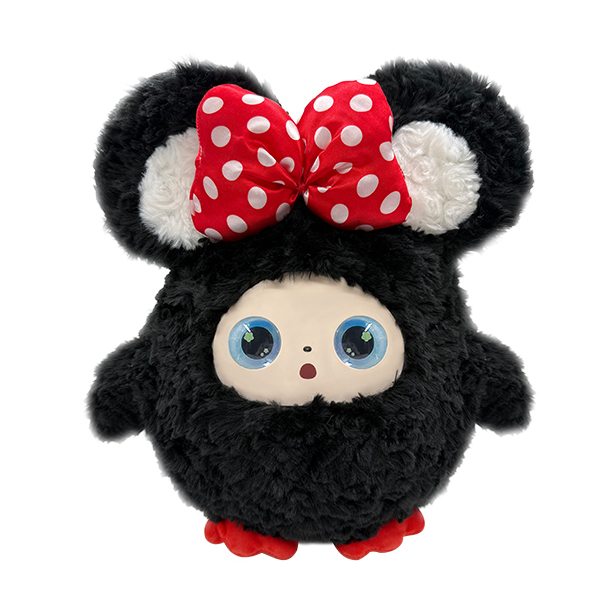
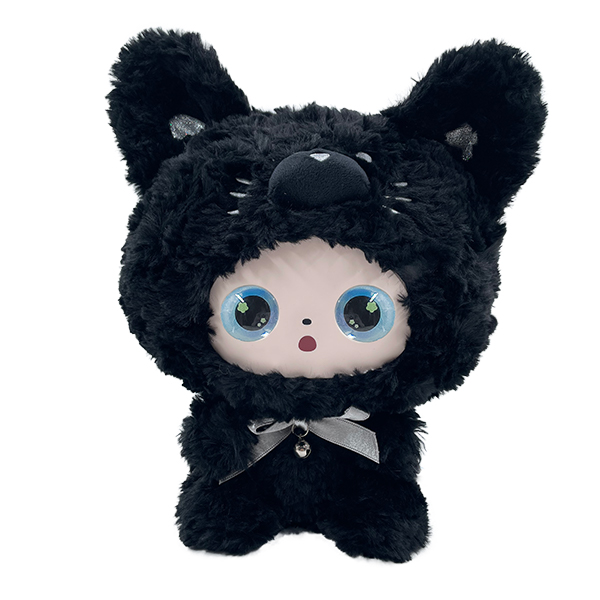
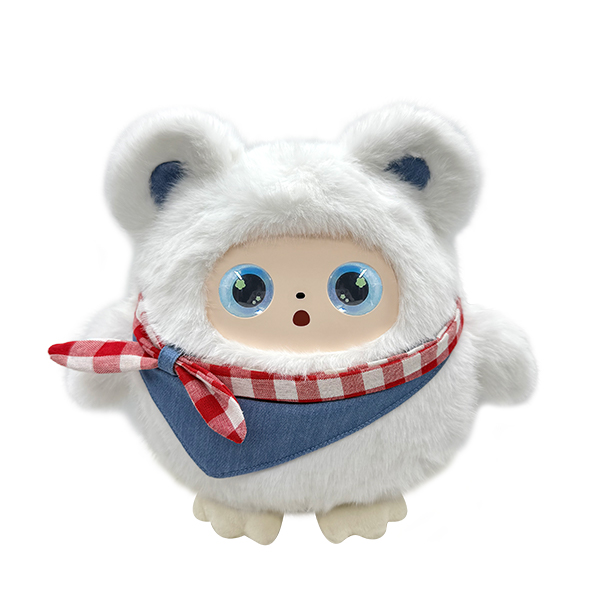
Every importer learns the same lesson eventually: the cheapest plush toy is the one that never makes it onto a retail shelf. A single failed pull test on a safety eye can turn a 20,000-unit order into a recall, a chargeback, and a year of lost shelf space. That is why plush toy quality control is not a formality you delegate and forget — it is the mechanism that protects your margin, your brand, and your customers. Whether you source from a Hersteller von Plüschtieren for the first time or you have run seasonal programs for a decade, the discipline is the same: define the standard, verify it in production, and document the result before the container is sealed. This guide walks through the inspection gates, the AQL sampling logic, the defect taxonomy, and the checklist we recommend to buyers running custom stuffed animal programs at any scale, with practical detail you can hand straight to your QC team or your third-party inspector.
Why Plush Toy Quality Control Decides Whether a Launch Succeeds
Plush is a deceptively difficult category to inspect. Unlike a plastic injection moulding that comes out of the same tool every cycle, a sewn and stuffed toy carries hand-work variance at every station: cutting, sewing, stuffing, closing, brushing, eye-setting, and packing. Two units from the same carton can differ in fill weight, seam tension, and facial symmetry. When you multiply that variance across a container, plush toy quality control becomes the only reliable way to know what you are actually buying.
The commercial stakes of plush toy quality control are equally concrete. Retailers in the US and EU impose their own vendor compliance regimes — chargebacks for late or non-conforming shipments, listing suppression for failed safety documentation, and in the worst cases, delisting. A pre-shipment inspection that catches a 6% major defect rate costs a few hundred dollars; the same defect rate discovered at a distribution centre costs thousands in rework, freight, and lost sales window. Buyers who treat plush toy quality control as an investment consistently report fewer surprises and smoother reorders.
There is also a brand dimension that is easy to underestimate. Plush toys are touch-first products: customers squeeze them, children sleep with them, and the tactile impression forms in the first three seconds. A lumpy fill, a crooked embroidered smile, or a seam that shows stuffing will not trigger a safety recall, but it will generate returns and one-star reviews. Good plush toy quality control protects the sensory promise of the product, not just its compliance status.
The Four Inspection Gates in a Plush Program
Most failed inspections are not caused by bad factories; they are caused by buyers who only inspect at the end. A plush program has four natural checkpoints, and each one catches a different class of problem. Skipping the early gates means the expensive ones become your only safety net.
| Gate | When it happens | What it catches | Typical pass action |
|---|---|---|---|
| Pre-production sample approval | Before bulk cutting | Wrong fabric hand, colour mismatch, construction flaws, safety design risks | Approve golden sample; freeze spec |
| In-process inspection (DUPRO) | 10–30% production complete | Systemic sewing faults, wrong trim, fill drift, printing errors | Corrective action; recheck |
| Pre-shipment inspection (PSI) | 80–100% packed | Random defects, packing errors, labelling and carton issues | Pass / fail / rework decision |
| Container loading check (CLC) | At loading | Wrong quantity, mixed SKUs, carton damage, poor stacking | Release or hold shipment |
Die golden sample is the anchor of the whole system. Once you approve a signed sample, that physical unit — not the drawing, not the email thread — defines the acceptable standard. Every later inspection compares bulk units against it. Buyers often ask whether plush toy quality control can be done purely from a spec sheet; in practice, the tactile qualities that matter most (fabric hand, fill firmness, brush finish) cannot be written precisely enough to replace a physical reference.
Gate 1: Pre-Production Sample Approval
At this gate you are validating design for manufacture, not workmanship. Check fabric against your approved swatch under the same light, confirm pile direction is consistent across panels, and verify that embroidered details are readable at the intended size. This is also the right moment to raise safety design questions: are eyes and noses specified as locked safety components, are long pile trims shedding, is there any small part that could detach?
Gate 2: In-Process Inspection
A during-production inspection at 10–30% completion is the highest-leverage hour in the entire program. At this point the line is running, the operators are trained on your item, and mistakes are still cheap to fix. Your inspector checks the first-off units against the golden sample, measures fill weight on a sample of units, reviews stitch density on the closing seam, and confirms that trims and labels match the approved bill of materials.
Gate 3: Pre-Shipment Inspection
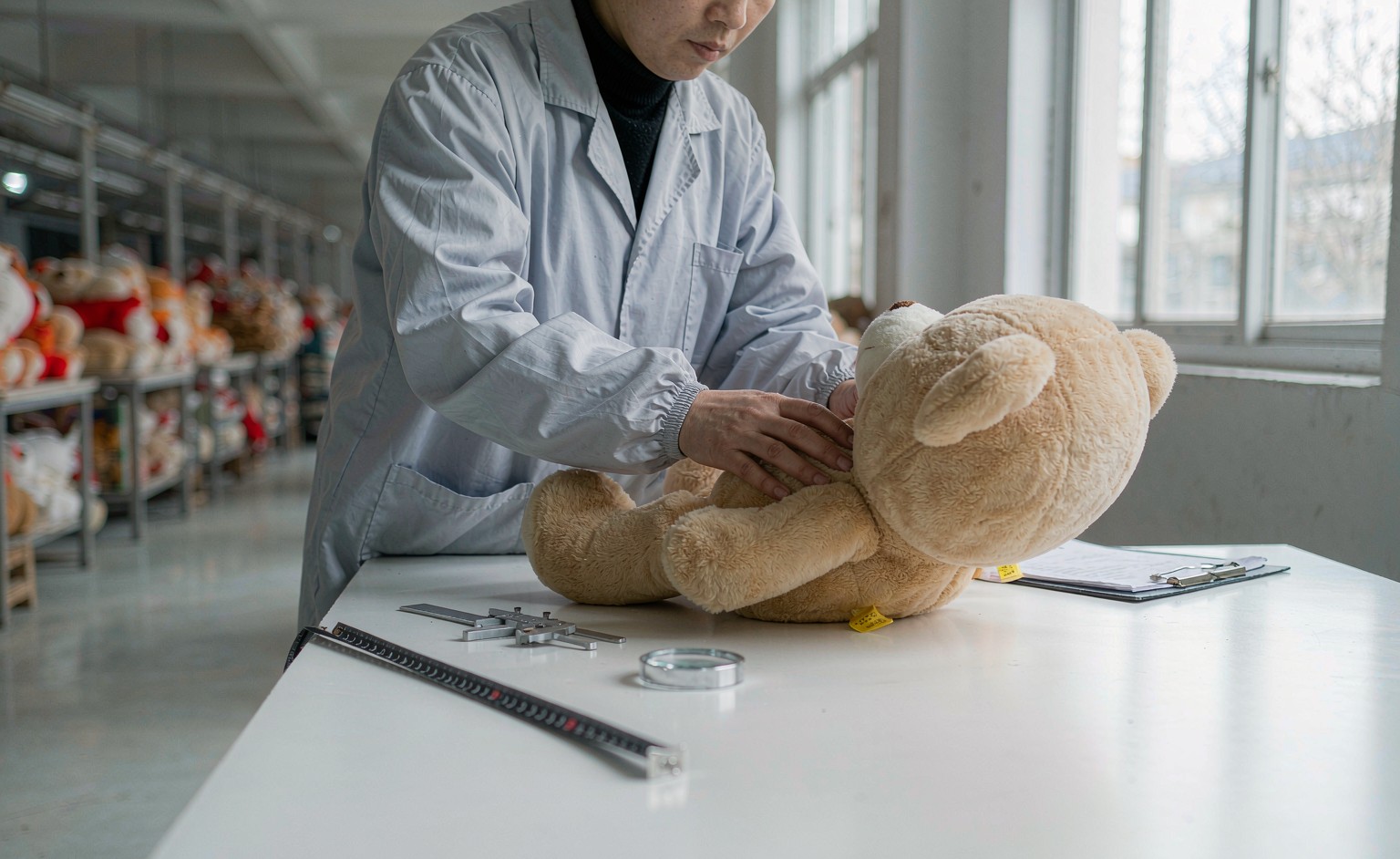
This is the gate most buyers know, and the one most plush toy quality control plans are built around. A pre-shipment inspection is performed when goods are 80–100% packed, using statistical sampling to decide whether the lot may ship. It covers appearance, workmanship, function, packing, marking, and quantity. For plush, the inspector will also run physical abuse tests on samples: pull tests on eyes and noses, torque tests on attached components, and seam stress checks.
Gate 4: Container Loading Check
The final gate is unglamorous and frequently skipped, yet it prevents a specific and painful class of loss: shipping the wrong thing. A loading check verifies carton count, SKU mix, container condition, and stacking, and it documents the seal number. If your plush toy quality control process ends at the factory gate, you have no evidence of what was actually loaded.
AQL Sampling: How Many Units You Actually Inspect
No buyer inspects every unit, and no standard expects you to. The industry default is AQL sampling — Acceptable Quality Limit, defined in the ISO 2859-1 / ANSI Z1.4 family of standards. The logic is simple: you choose an inspection level, look up the sample size for your lot, and set acceptance thresholds for critical, major, and minor defects.
For plush, the common configuration is General Inspection Level II with limits of 0 critical, 2.5 major, 4.0 minor. Critical defects (safety-related) are always zero-tolerance. The table below shows how sample size scales with order quantity — note that the sample grows far more slowly than the lot, which is exactly why sampling is economical.
| Lot size (units) | Sample size (G-II) | Critical AQL 0 | Major AQL 2.5 | Minor AQL 4.0 |
|---|---|---|---|---|
| 501 – 1,200 | 80 | 0 accepted | 5 accepted / 6 rejected | 7 accepted / 8 rejected |
| 1,201 – 3,200 | 125 | 0 accepted | 7 accepted / 8 rejected | 10 accepted / 11 rejected |
| 3,201 – 10,000 | 200 | 0 accepted | 10 accepted / 11 rejected | 14 accepted / 15 rejected |
| 10,001 – 35,000 | 315 | 0 accepted | 14 accepted / 15 rejected | 21 accepted / 22 rejected |
Two practical cautions apply to plush toy quality control. First, AQL is not a promise of zero defects — it is a statistical risk allocation. A lot that passes at AQL 2.5 can still contain major defects in the un-inspected portion. Second, sampling only works if cartons are selected randomly across the lot; an inspector who pulls five cartons from the top of one pallet is not sampling, they are guessing. Serious plush toy quality control programmes specify random carton selection in writing.
The Defect Taxonomy: Critical, Major, and Minor
Arguments between buyers and factories almost always come down to classification. Agreeing on the taxonomy before production removes most of that friction.
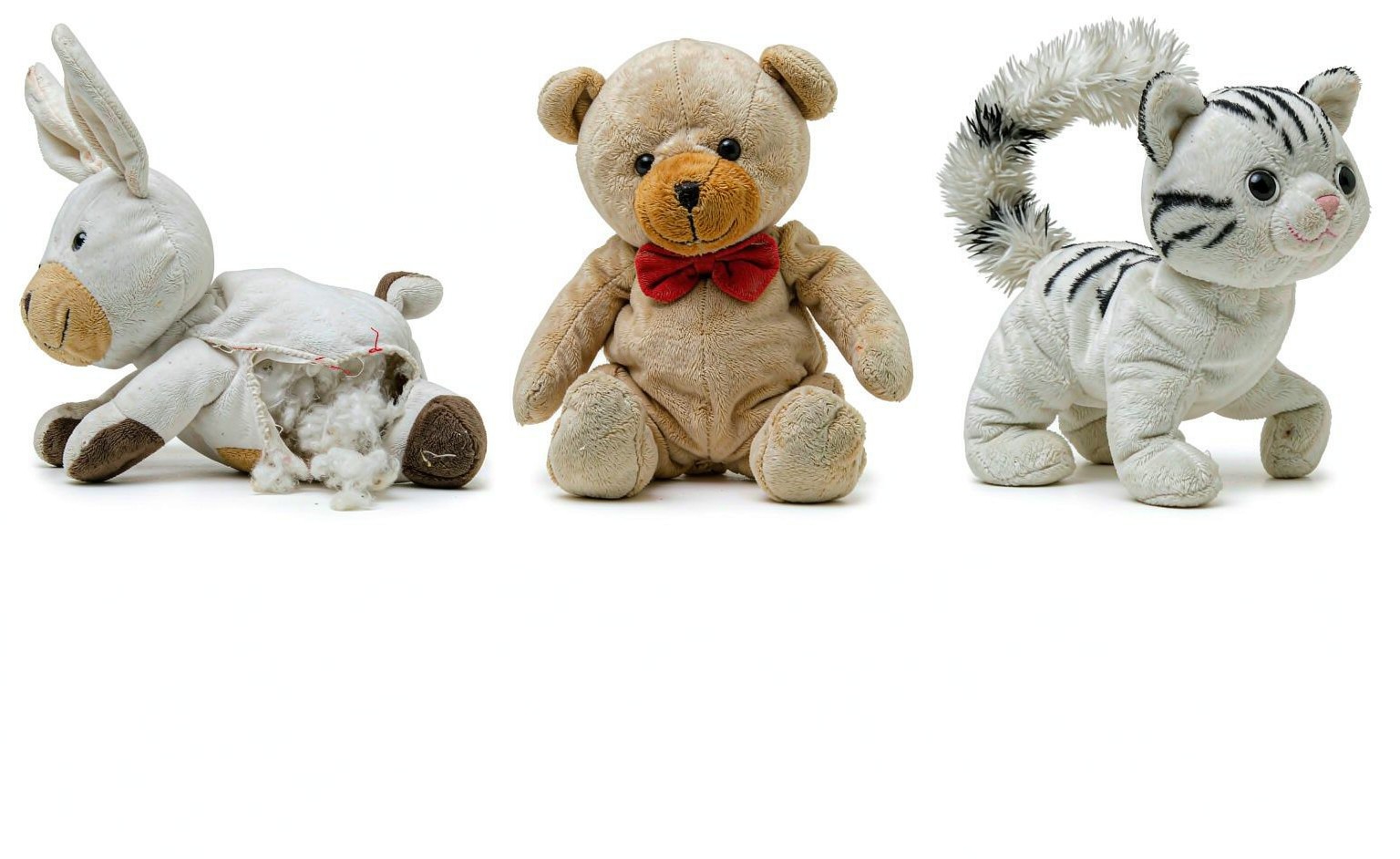
Critical defects are safety-related and non-negotiable: sharp points, exposed stuffing accessible to a child, detached or detachable small parts, failed eye pull test, needles or broken blade fragments in the unit, mould or contamination, and any failure of a mandated safety requirement. A single critical defect normally fails the entire lot.
Major defects make the product unsellable or likely to fail in use: open or skipped seams, incorrect fill weight beyond tolerance, wrong colour or fabric versus the golden sample, misplaced or unreadable embroidery, missing required labelling, and crushed or deformed units.
Minor defects are cosmetic deviations an average customer would notice but would probably still accept: slight asymmetry, minor loose threads, light soiling that can be brushed off, small print registration offsets within tolerance, and carton marking imperfections.
For plush toy quality control, this taxonomy matters because it converts subjective complaints into decision rules. When your inspection report says “7 majors found, reject threshold 7,” nobody has to argue about whether the toy looks cute enough. For reference on how safety requirements translate into inspection criteria, see our guide to plush toy safety standards.
What Plush Toy Defects Actually Look Like on the Line
Textbook definitions are useful, but inspectors need pattern recognition. Here are the fault families that recur in plush production, and what they usually indicate about the process.
Seam and Stitching Failures
Skipped stitches, uneven stitch density, and unclosed closing seams are the most common workmanship faults. A closing seam that is too loose will open under child use and expose filling. Inspectors should measure stitch density (stitches per inch) at the closing seam and compare it against the golden sample, then apply gentle hand stress to check for gaping. Recurring seam failures usually point to needle size, thread tension, or operator training — not to bad intent.
Filling Weight and Distribution
Fill weight is the fastest quality signal in the category and the easiest to cheat. Under-stuffing saves material cost and produces a limp, cheap-feeling toy; over-stuffing makes a toy rigid and stresses seams. Use a calibrated scale on 5–10 sampled units and record actual grams against spec, with a tolerance (commonly ±5%). Equally important is distribution: a toy can hit total weight while having all the fill settled in the base, leaving the head and limbs flat.
Safety-Critical Components: Eyes, Noses, and Small Parts
Every attached component on a children’s product is a potential hazard. Inspectors run pull tests (straight tension) and torque tests (rotational force) on eyes, noses, buttons, bows, and bells, using the force and duration specified by the applicable standard for the target market. A component that detaches, or that fits entirely within a small-parts cylinder, is a critical failure. If your product is intended for infants, review the age-grading rules in our guide to safe plush toys for babies before you approve the design.
Colour, Print, and Embroidery
Colour matching is judged under controlled lighting against the approved swatch, and inspectors should check colour consistency within a single unit — different dye lots sewn into one toy are a classic bulk fault. Embroidery is checked for placement, density, loose backing threads, and legibility at the intended size. Printed panels are checked for registration, cracking, and rub-fastness.
Packaging, Labelling, and Carton Marking
Packing errors are the most frequent cause of retail rejection. Check the retail label, barcode readability, country-of-origin marking, age grading, washing symbols, and any required importer information. Cartons must match the packing list in quantity, assortment, and gross weight. Buyers regularly discover that their plush toy quality control plan covered the toy beautifully and the carton not at all.
Building a Plush Toy Quality Control Checklist You Can Hand Over
A checklist is only useful if it is specific enough that two inspectors reach the same conclusion. Structure yours in five blocks and keep it to one page.
- Documentation block — purchase order, approved golden sample reference, bill of materials, artwork and label files, applicable safety standard and target market.
- Appearance and construction block — fabric hand and colour, pile direction, seam density, symmetry, embroidery placement, trim attachment, brush finish.
- Measurement and function block — dimensions against spec, fill weight with tolerance, component pull and torque results, any mechanism or sound function.
- Safety block — sharp point and sharp edge check, small-part assessment, needle/metal detection record, stuffing cleanliness, age-grading and warnings.
- Packing block — retail packing method, label and barcode verification, carton quantity and assortment, marking accuracy, container loading documentation.
In plush toy quality control, write the acceptance criteria next to each line, not just the check. “Check seam” is unenforceable; “closing seam ≥ 8 stitches per inch, no gaping under 2 kg hand stress” is measurable. The same principle applies to your agreement with the factory: the inspection standard should be referenced in the purchase order so that plush toy quality control obligations are contractual, not conversational.
Factory Audits and Product Inspections Catch Different Things
Buyers often conflate the two, and that confusion weakens plush toy quality control. A factory audit evaluates the system: is there an incoming material control, are sewing machines maintained, is metal detection performed and logged, are needles accounted for, is there a documented corrective-action process? An audit tells you whether the supplier is capable of consistency. A product inspection evaluates the output of that system on your specific order. Both matter, and neither substitutes for the other.
A supplier with strong systems will produce fewer defects but can still have a bad day on your item; a supplier with weak systems can pass one inspection by luck. If you are qualifying a new partner, combine a system audit with a trial order and a tight custom plush toy sampling process — the sampling phase is where construction problems are cheapest to solve.
Who Pays for Inspection, and What It Costs
Commercial practice varies. Some buyers build inspection cost into the unit price and require the factory to commission a third-party inspection report before shipment; others hire their own inspection company and pay per inspector-day. Either model works provided the inspector reports to the buyer’s standard, not to the factory’s preference. Cost depends on market, duration, travel, and whether laboratory testing is included; rather than relying on published numbers, request current quotations from at least two third-party inspection providers and confirm what is included (report format, photography, sample retention, re-inspection terms).
Laboratory testing is a separate line item and a separate purpose. Physical inspection tells you whether the batch is well made; lab testing tells you whether the materials comply with the chemical and mechanical requirements of your market. A mature plush toy quality control budget funds both, with testing concentrated at sample approval and periodically thereafter rather than on every shipment.
2026 Trends Making Plush Toy Quality Control Harder
Three shifts are changing what plush toy quality control inspectors need to look for.
Blended categories. Plush now routinely incorporates electronics, sound modules, scent beads, warming packs, and interactive elements. Each addition brings new failure modes — battery compartment accessibility, wiring security, heat generation, and small-part risk from modular accessories. Inspectors need updated criteria, not a generic plush checklist.
Sustainability claims. As buyers adopt recycled polyester fills and certified fabrics, documentation becomes part of quality. A claim on the hangtag must be supported by the underlying transaction certificates, which means your inspection should include a document check, not only a physical one. See our guide to umweltfreundliche Plüschtiere for how material choices interact with verification.
Retail compliance tightening. Large retailers continue to push vendor requirements upstream, demanding pre-shipment documentation, photographic evidence, and sometimes supplier-level audit records before receiving goods. The administrative burden of plush toy quality control is growing even where the physical product is unchanged.
Working With a Manufacturer That Treats QC as a Process
The most reliable predictor of a smooth plush toy quality control inspection is whether the factory already runs one. Ask prospective partners to describe their in-line checkpoints, their needle-control procedure, their metal-detection logging, and how they handle a failed internal check. A supplier that can answer those questions without reaching for a brochure is usually a supplier whose first-pass inspection yield is high.
StuffPlush is a custom plush manufacturer with in-house design, sampling, and production, serving brand owners, retailers, and promotional buyers across international markets. Our programs run on approved golden samples, documented in-line checks, and pre-shipment inspection against agreed AQL limits, with Fabrikbesichtigung access for buyers who want to see the floor before committing. You can review our capabilities on the Über uns page or explore our 3D interactive showroom to see how construction details are engineered before a line ever starts.
Häufig gestellte Fragen
What is the standard AQL for plush toys?
For plush toy quality control, most buyers use General Inspection Level II with 0 critical, 2.5 major, and 4.0 minor. Critical defects are always zero tolerance because they are safety-related. Some promotional programs accept 4.0 major where the item is not intended for children, but for any children’s product the 0-critical rule should never be relaxed.
How many units should be inspected in a 5,000-piece order?
Under General Inspection Level II, a lot of 3,201 to 10,000 units requires a sample of 200 pieces, with acceptance thresholds of 10 major and 14 minor defects. Cartons must be selected randomly across the whole lot for the sample to be statistically meaningful.
What is the difference between a factory audit and a pre-shipment inspection?
A factory audit evaluates the supplier’s systems, including incoming material control, machine maintenance, needle accounting, and corrective-action records. A pre-shipment inspection evaluates the finished goods in your specific order against the approved sample and specification. One tells you whether the supplier is capable; the other tells you whether this shipment is acceptable.
Can inspection replace laboratory safety testing?
No. Inspection is a visual and physical check of a sample of units, while laboratory testing verifies chemical and mechanical compliance with the requirements of your target market, such as CPSIA in the United States or EN71 in the European Union. A complete plush toy quality control program funds both, with testing concentrated at sample approval and at periodic intervals.
What should happen if a shipment fails inspection?
The inspector’s report should state whether the lot is acceptable, reworkable, or rejected. For reworkable lots, the factory sorts and repairs 100% of the goods and a re-inspection follows, usually at the buyer’s cost for the first re-check and the factory’s cost if the failure was clearly a systemic production fault. Rejected lots either require full remake or are cancelled, depending on the purchase order terms.
If you are planning a custom plush program and want the inspection standard agreed before production starts, send us your specification and target market and we will map the checkpoints with you. Start with our custom plush toy manufacturer guide, review material options for your price point, and kontaktieren Sie uns for a quote — or download our catalog to see the range we build.