English
  German
  French
  Russian
  Korean
  Spanish
Why the Question Matters — Safety, Development, and Parental Concerns
Many new parents enjoy the concept of providing their baby with a soft, cuddly companion: a stuffed animal. They believe that this will provide comfort, security, and may become a cherished keepsake. However, in regards to the time of sleep, introducing stuffed animals into a baby’s sleeping area is not an easy decision.
Infants under specific ages have unique vulnerabilities: limited motor control, reflexive actions, impaired airway regulation, and risk factors including strangling, reentry (breathing inhaled air), overheating, or SIDS (sudden infant death syndrome). Because of the risks associated with it, the environment surrounding sleep has a significant impact.
As a result, the decision of when a child can safely sleep with a stuffed animal is dependent on the balancing of the potential benefits (comfort, emotional security) with safety protocols. These include the understanding of the guidelines of pediatric experts. In many instances, what appears to be cuter may have hidden dangers if not properly scheduled and monitored.
In the following sections, we discuss the leading suggestions, risks, developmental milestones, and practical rules that are intended to assist parents and caretakers in making the best decisions regarding stuffed animals in the baby’s sleeping environment.
What Medical Experts and Safety Guidelines Say About Stuffed Animals in Baby Beds
When determining whether or not babies can sleep with animal figurines, many educational sources and pediatric sources recommend that you be cautious, especially during the first year of life. Despite some diversity in sources, the core concerns are around strangling, airway obstruction, overheating, and the risk of regrowth. Below are the commonly endorsed recommendations and consensus:
Many organizations dedicated to child safety and pediatrics recommend that you do not utilize any soft bedding, pillows, blankets, or soft toys (including stuffed animals) in the sleeping area of children, particularly during the first 6-12 months. This includes the crib or bassinet. The reasoning: babies in the first few months lack the power to move or reposition themselves if their airway is accidentally constricted by a soft object.
For newborns and infants (particularly those under 12 months), the safest sleeping environment is typically described as a “bare crib” – a mattress with a fitted sheet that is only used for sleeping. This environment is intended to reduce the risk of suffocation.
After the baby exhibits increased movement (e.g., rolling over, pushing up, sitting), and has a typical age of 12 months, many experts recommend that you begin introducing soft toys into your child’s life; however, the size, softness, and placement of the toy are crucial. Soft toys should be small, flexible (avoid overly fluffy or heavy animals), and placed only after the baby has already fallen asleep (to decrease the likelihood of being smothered during the initial settlement).
The importance of supervision and transitional practices: either wait until the toddler stage for continued use of stuffed animals in bed, or utilize them only for recreational purposes outside of the actual sleep period (e.g., pre-sleep cuddles, daytime naps with supervision, or when the child is older and capable of shifting themselves).
Because the medical understanding and risk factors associated with “stuffed animals baby sleep” are diverse, many articles that are high in the rankings advise that “stuffed animals” should be delayed until the baby is over 1 year old or until after a specific developmental milestone (repositioning, breathing stability, etc.).
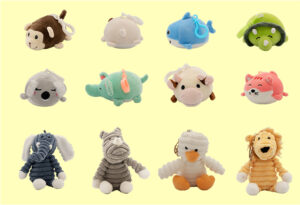
When It Becomes Safer — Developmental Milestones & Age Considerations
Despite no universal age range that is considered safe, many pediatricians and organizations dedicated to child safety converge around specific milestones and age ranges that are considered paramount to the introduction of pre-filled animals into the world. Here is a description of the key developmental and elderly-based considerations that are involved:
- Mobility and the ability to self-position
Rolling over/pushing up/ crawling: Once babies have the capacity to roll over (front to back) and back to front, their ability to alter their posture will also improve. This decreases the probability of a random toss of a stuffed toy that could block their airway for a long time.
Sitting up/walking/active re-position: As babies mature and become more active, they are better at moving away or re-positioning themselves if a soft toy or object stands in their way.
Because of these attributes, many experts consider the post-6-month period (around 6-12 months) to be a transitional window: during this time, parents are considered to be in the process of introducing soft toys, but with caution (the appropriate type of toy, placement, and supervision).
- Controlled Sleep Schedules and Parental Involvement
By around 12 months, many babies have a more consistent sleep pattern, and caretakers often have a greater understanding of how their baby sleeps – the typical positions they take, their startle reflexes, their movement during sleep, and so on. This understanding, combined with the baby’s enhanced motor abilities, makes it less dangerous to introduce a soft toy than during the newborn stage.
Some parents will delay the process until the toddler age (18 months or older) — when walking, coordination, and situational awareness are all greater — they will then allow the child to sleep with stuffed animals regularly, especially if the animal is plush or large.
- Size, weight, and breathing capacity considerations
When determining if a baby is safe for a stuffed animal’s sleep, the size, weight, and breathing capacity of the toy have a significant impact:
Small, lightweight plush toys that are compact and have a low filler are less likely to cause asphyxia or blockage of airflow than larger, heavier, and densely stuffed toys.
Oversized toys (heavy animals with plastic parts, or larger plush animals) have a higher risk of injury, particularly if they shift or end up in proximity to the baby’s face.
Even after the baby is older, choosing the appropriate stuffed animals — small, soft, light, and breathable — is crucial to decreasing the risk.
How to Introduce Stuffed Animals — Best Practices for Parents and Caregivers
If you determine that your baby is old enough and has developed sufficiently for a stuffed animal friend, then here are the best methods to maximize safety and comfort to introduce a friend:
- Until Baby is more mobile and older.
Consider waiting until after 12 months, or when the baby can roll over, re-position, sit up, or crawl, whichever comes first birthday celebration brings them greater mobility and first-aid ability.
Alternatively, children can be allowed to attend school until the toddler stage (e.g., 18-24 months), for a lower risk of supervision, especially when using a larger plush.
- Select the Right Stuffed Animal – heavier, breathing, smaller.
Select small or medium-sized plush toys that have a limited amount of stuffing, soft fabric, and no hard or removable parts (buttons, plastic eyes, or breathable material).
Avoid large, bulky, and overly heavy plush toys; these toys have a higher probability of being suffocated or murdered.
Avoid any toy that has parts that are easily lost, long strings, or extra features that could pose a risk of choking or being tied.
- Beginning — Don’t sleep with the toy after the baby is asleep.
A more cautious approach is to place the stuffed animal after the baby has fallen asleep, rather than at the start of sleep. This decreases the risk when the baby is most susceptible (just before they fall asleep, their startle reflex, and shallow breathing).
Alternatively, únicamente use the stuffed animal during daytime naps that are under supervision, or during bedtime rituals (holding, cuddling) before removing the baby from the bed or crib.
- Maintain a Safe Sleep Environment — Follow the “Bare Crib” Principles.
Even when the animal is stuffed, it’s still recommended to follow the general safe sleep guidelines:
Use a solid, flat bed with a single sheet that is fitted into it. Avoid pillows, floozie bedding, bumper pads, or other soft furnishings.
Ensure the baby’s head is unobstructed, and no extra items are positioned near the baby’s face.
Keep the room temperature steady; avoid overheating (heavy toys, bulky bed sheets, clothing that is too bulky).
Practice safe sleep placement (e.g., the baby should be placed on their back, in their own sleeping space) as recommended by pediatric experts.
- Watch Baby’s Sleep and Behaviors – Be Prepared to Alter
Watch how the baby sleeps with the toy; either way, the baby will tend to reposition their face in the toy, or they will bury it in the plush. Any indicators of malfunction, overheating, or discomfort?
Periodically assess the appropriateness of the stuffed animal (e.g., no loose fibers, no damage, still lightweight).
Once a baby’s size increases, they become more mobile, or move onto larger beds or cushions, the purpose of the toy is still valid and safe.
Potential Risks and Why Many Experts Recommend Waiting
Even with caution, bringing in stuffed animals too early or without preparation can lead to real dangers. It’s crucial to recognize these hazards – both for caretakers and parents.
- Suffocation, Smothering, or Airway Overshadowing
Soft toys can cover the baby’s nose or mouth in an accident. This is particularly common when the baby is unable to move or reposition; this results in the baby’s nose or mouth being covered, which leads to the baby’s death or breathing problems. These problems increase the risk of SIDS or breathing distress.
- Excessive or underestimated risk
Plush toys, heavy payloads, or excessive bedding can all contribute to overheating, a recognized risk factor for SIDS or infant sleep problems. A stuffed animal increases the thermal insulation around the baby; this is especially true if combined with heavy clothing or blankets.
- The risk of being tied up or choked by small components or pieces of fabric is present.
Stuffed animals with parts that are loose (buttons, plastic eyes/noses), or misaligned seams may pose a risk of choking. Threads, fibers, or wasted fabric may cause pain or discomfort in the airways, particularly for children.
- False sense of security and decreased vigilance
Parents may think that a fluffy extra is inconsequential – but this can decrease vigilance. Without careful consideration of the safety of toys, the sleeping environment, or the baby’s behavior, the plush can become a concealed danger.
- Combined recommendations and lack of universal agreement
Because research on “soft toys in the sleep of infants” and their specific contribution to risk are not extensive or conclusive, recommendations are different. Some organizations dedicated to pediatric safety promote caution as the utmost priority; others may allow for greater flexibility after a specific age or when safety methods are employed. This implies that parents must have caution, prioritize safety over emotion, and remain aware.
When and How to Transition to Regular Use of Stuffed Animals — Toddler Stage and Beyond
For many families, the presence of stuffed animals from the “sleep-time hazard” to the ” safety blanket” and ” comfort object” that is transitioned responsibly:
Hold off until the toddler has a solid movement and awareness— they can roll, sit up, crawl, and move around easily, generally considered safest at this point.
Use small or mid-sized soft toys that promote respiration, light, and safety. Avoid extremely large, heavy, or fluffy animals.
Help the toy become a comfort object — part of the bedtime ritual (e.g., reading a story, holding onto the bed, or cuddling during the night), but maintain safe sleeping habits (no loose bedding, maintain the appropriate amount of bedding or clothing, avoid overcrowding the crib or toddler’s bed).
Regularly inspect toys for safety and wear — seams, loose parts, and the integrity of the stuff; make sure the materials are safe, and no hazardous choking develops.
Utilize child-friendly bedding and surroundings — once the child has transitioned into a toddler’s bed or larger bedding, make sure the mattress, pillows (if present), and blankets are all appropriate for the child, and the sleep area is a safe sleeping environment as a whole.
By following a gradual, considerate transition that converts animal-based toys into objects that are both useful and safe for sleep-time companions, parents can balance the emotional benefits of constant sleep-time companions with the safety of the objects.
How to Choose Safe Stuffed Animals When the Time Is Right?
When you choose the time to introduce stuffed animals, it’s equally important to choose safe, appropriate toys. Think about the following when purchasing or giving a stuffed animal to a toddler or older child:
Small or medium-sized, not over-sized — less weight, more ease in position without the risk of covering the face.
Soft, breathable fabric, lacking in polyester content, lacking in hard or plastic features, or ornamental parts — avoid dangers of choking.
No parts that are loose or small accessories (buttons, ribbons, strings, detachable components) – all of it should be sewn securely.
Easy to clean — the toy should be able to withstand regular detergent use in order to maintain hygiene and cleanliness.
Certificates of safety or certification (non-toxic materials, flame-resistant if necessary, compliance with toy safety standards, especially when ingested or chewed) — these are especially important for children who are mouths or chew.
Adequate for the child’s age and size — avoid toys that are too large or too small that could cause a choking hazard.
A properly chosen animal pellet can then be used as a safe form of comfort that doesn’t compromise the safety of sleep or the well-being of children.
Summary & Practical Recommendations — When Babies Can Sleep with Stuffed Animals
Combining the evidence, guidance from experts, and developmental considerations, this is a practical summary of when and how children can sleep with animal figurines, and what to watch out for:
The safest method is to avoid stuffed animals in the sleep environment of children during the first year, especially those between the ages of 6-12. During this time, the risk of being suffocated or having SIDS is highest.
If you are attempting to introduce toys that are stuffed toys, please wait until your baby has developed the necessary motor skills; they can then roll or reposition (typically after six months), but please consider waiting until 12 months or older for regular night sleep.
When you first introduce a toy into your child’s life, it’s best to choose something small, light, and breathable. Additionally, it’s safest to use this toy during the pre-sleep period rather than during the entire sleep time.
Constantly follow safe sleep practices: consistent with the firm mattress, the sheet is only removable, the bed is not equipped with any extra soft items, the room’s temperature is consistent, and the clothing is appropriate.
Constantly watch the baby’s sleep patterns, state of health, and inspect the toy on a regular basis.
Recognize that stuffed animals are objects that are useful during the day; they can also be used during strollers or cribs that are monitored by a parent, but they should never be substituted for a safe sleeping environment.
Conclusion — Comfort vs. Safety, and What Parents Should Know
Stuffed animals have a special status in childhood: they are bothersome, comforting, and emotional. Many parents instinctively want to share their children with their babies as early as possible. However, regarding sleep safety, infants must be prioritized.
During the delicate months of infancy (the first 6-12 months), babies’ biological vulnerabilities cause them to be near the safest when assessed. As the child develops, they become more mobile, have increased capacity for positioning themselves, and have enhanced reflexes. As a result, it’s more effective to consider the introduction of a soft toy, but only after careful consideration and the safe sleep environment is implemented.
Ultimately, the decision of when a baby can sleep with a stuffed animal is based on the caregiver’s awareness of risk, their knowledge of safe sleep habits, and their commitment to monitoring and responsible use of the device. By combining safety with the empathy of parents and considerate decision-making, they can both preserve the safety of their children and the joy of childhood comfort.