English
  German
  French
  Russian
  Korean
  Spanish

Introduction — Why the Distinction Matters
Soft toys are commonplace: from childhood friends and decorations, to collectible items and comfort objects for adults. Among the most common words used to describe this type of merchandise are “stuffed animals” and “plush toys” (or “plushies).” Initially, many individuals utilize these terms synonymously – but in marketing or everyday language, they often interrelate. However, for manufacturers, retailers, licensees, or dedicated collectors, understanding the subtle differences is important: not only for the product’s positioning and consumer expectations, but also for the quality of the material, safety concerns, taxonomies, and cultural relevance.
This article explores the definitions, origins, differences in material and design, the usage contexts, and the implications of “stuffed animals” and “plush toys” on the market. By the end, readers should have a comprehensive understanding of these categories, which will aid in the development of products, purchasing decisions, and retail listings.
Definitions: What Are “Stuffed Animals” and “Plush Toys”
-
What is a Stuffed Animal or Stuffed toy?
The term “stuffed toy” (or “stuffed animal”) is used to describe a toy that is constructed from fabric or another soft-shell material and is filled with soft or malleable material (e.g., synthetic fiberfill, cotton, flannel, or pellets).
A common definition of a stuffed toy is that it is a fabric toy that is filled with soft material.
The external shell of the textile is of various types: it can be non-plush, composed of cotton, felt, or other materials that are woven into a shell.
Traditionally, early animal-based toys (previously, synthetic fibers) employed materials like cotton, wool, felt, mohair, or other textile materials, as well as stuffing materials like straw, horse hair, or sawdust.
The “stuffed animal” category is therefore expansive: it encompasses a variety of soft toys that are intended for cuddling, play, or comfort, as long as they are soft and filled.
Ultimately, the term “stuffed animal” is an expansive umbrella term for soft, filled toys.
-
What Is a “Plush Toy” / “Plushie”?
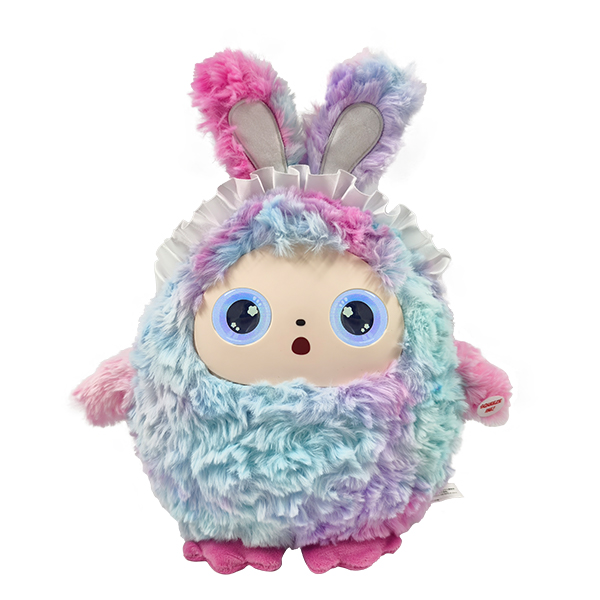
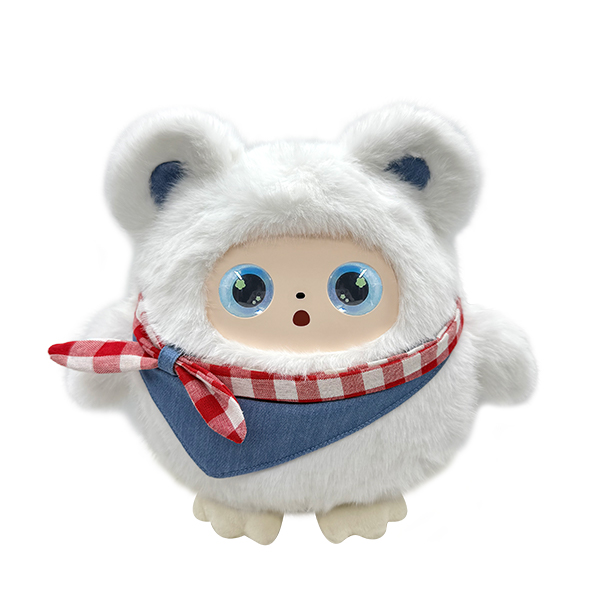
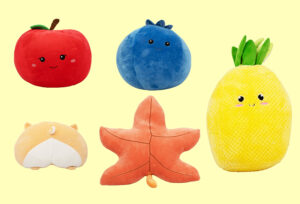
A “plush toy” (also called “plushie”) is a soft object made from plush fabric, which is a textile that has a cut pile (nap) that produces a soft, fleshy, and textured surface.
A plush toy is considered a toy that is typically in the shape of an animal, made from plush or another soft fabric, and filled with a soft substance that makes it easy to hold.
Today, the term “plush toy/plushie” is frequently used to describe the softness, huggability, and aesthetic beauty of the object; it is also often used to describe the softness or cuteness of the object.
Because the term “plush” is associated with the outer fabric of a toy, a plush toy is technically a subtype of pretzels toys- this includes all pretzels toys, but not all pretzels toys are plush.
As a result, “plush toy” is a sub-category of the toy category that is distinguished by the utilization of plush fabric for the outer shell.
Material, Construction, and Design Differences
Understanding the process of their creation reveals why companies and customers may differentiate between animal-filled toys and plush creatures; the difference between the two affects the feel, quality, maintenance, design, and use of the product.
-
Shell (Outer covering)
Stuffed animals can utilize a variety of external fabric types – plain cotton, felt, regular woven cloth, Velour, or Pflanzen; the choice is based on the cost, purpose, aesthetics, and the target market.
Plush toys are toys that use plush fabric (or similar soft fabric) as their sole source of softness. This fabric gives the toys a soft, fuzzy, and often high-pile surface that feels like Velvety and Plush.
Because of the plush fabric, plush toys have a more luxurious, softer feel than the majority of basic stuffed animals. This typically has an effect on perceived quality, comfort, and consumer appeal (primarily for children, gift recipients, or collectors).
-
Internal Composition
Both animal figurines and plush toys are stuffed with soft material that is internal: modern toys typically utilize polyester fiberfill, bats, or other synthetic materials for filling.
In rare instances (primarily in older or homemade toys), natural填充 filling materials (cotton, wool, or even straw/horsehairs in historical context) were employed.
The volume and density of the stuffing material can have an effect on the retention of shape, softness, and durability—a properly Stuffed toy will maintain its shape over time, whereas under-stuffed or misconstrued toys may become flabby or deformed.
-
Design intent: The distinction between realism and stylization
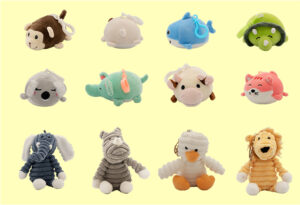
Many animals with bladders that are stuffed bladders have a realistic or semi-realistic representation of animals in focus – bears, rabbits, dogs, cats, wild animals – with proportions, fur types, and facial features that are similar to the real or classic toy animal.
Plush toys (plushies) often adopt a style, take on fantasy, have cuteness, or portray pop-culture characters with exaggerated features, bold colors, cartoonish expressions, or simplified or creative forms.
As such, plush toys have a tendency to draw in both children and collectors, as well as teenagers and adults. Because of this, the demographic of interest extends past the typical toy market and includes people who are not traditionally associated with the toy industry.
As a result, the different outer materials and design philosophies have a different feel, appearance, and audience.
Usage, Market Positioning & Consumer Perception
The differences above have an effect on how these toys are marketed, utilized, and perceived — this affects the product positioning, safety concerns, and cultural value.
-
The intended use and targeted audience of the product.
Stuffed animals (as a whole) are often sold to children from the toddler’s perspective, as well as to bedtime companions and first toys. Their design typically focuses on safety, durability, ease of cleaning, and simple configurations.
Plush toys/plushies are particularly popular because of their fashionable design or cultural relevance; they tend to reach a larger audience: children, adolescents, and adults. They’re frequently purchased as collectibles, ornamental items, gifts, or practical items.
Many adults consider plush toys to be items that reminisce, décor, or comfort, all of which are additional roles beyond the simple purpose of playing with them.
-
Psychological/Emotional Role
Stuffed animals frequently function as a transitional device for children that provides comfort, security, and reduces the anxiety associated with bedtime or during stress (new environments, separation from the parent, travel). This is recognized as a significant role in the development of children and parenthood.
Plush toys often have additional value that is sentimental, individual, or aesthetic, beyond simply providing comfort; they may represent the interests of a specific child, their fandom, or a statement of fashion. They can be used as a means of decoration, a gift, or remembrance of personal information or events.
Other words: while both can be considered “comfort toys,” plush toys have a tendency to become part of a lifestyle and cultural framework that offers a broader appeal.
-
Maintenance, Durability, and Care
Because toys that are stuffed (primarily basic animals) may be composed of various materials (not all of them are plush), their maintenance, durability, and feel can differ greatly. A rough, woven shell or inexpensive filler may become more flabby, lose its shape, or feel less at home over time.
Plush toys are typically characterized by their plush fabric, which typically promotes softness and comfort, but may need to be more cautious in their maintenance – the plush pile can mat, which is typically flatted, or it can collect dust and debris over time. Some documents indicate that plush toys are more susceptible to damage than more substantial stuffed animals.
For collectors, the plushies’ quality of fabric and their construction (fabric type, stitching, filling density) directly affect the long-term stability, shape retention, and the value of resale or collection.
Overlap, Confusion, and Why It’s Common to Use Terms Interchangeably
Given the shared definitions of the categories — both being “soft, filled toys” — it’s common for them to be used interchangeably in casual speech or advertising, and the term “stuffed animal” is frequently used along with the other two. Several reasons why:
Historical combination: Over time, as manufacturing methods and materials evolved, many toys that were originally called “stuffed animals” began using plush fabric to cover their blurring history.
Variations in the Market: Regional differences and cultural differences have led to different terms being predominant (“soft toy,” “cuddly toy,” “plush toy,” “stuffed animal,” “plushie”). One retailer may term a “plushie” a “stuffed animal,” while another may term it a “galletas de patatas.”
Simplified Consumer Understanding: Many consumers focus on the concept of “soft and cuddly” toys over specific fabric or design distinctions; for them, the distinction is not significant – the toy’s softness, cuteness, and comfort are more important.
Marketing Strategy: For sellers or licensees, calling a product “plushie” may invoke the cuteness of the product, softness of the product, and luxury of the product. Alternatively, the product can be called “stuffed animal,” and the nostalgia associated with it can be leveraged to promote the product. The selection may be attributed to the demographic or the brand’s purpose.
As such, there is not a singularly enforced standard that differentiates the two; the distinctions are typically semantic, stylistic, and context-dependent.
What’s at Stake — Why the Distinction Matters for Manufacturers, Retailers, and Buyers
Despite the boundary’s ambiguous nature, recognizing the difference or at least acknowledging it has several practical benefits:
-
Product Specification and Quality Control
When you describe a toy as being “fluffy”, you are committing to utilizing fluffy fabric (or similar fabric type) – this type of fabric is typically used for children’s toys, and these toys are characterized by their softness, tactile quality, maintenance requirements, safety standards (fabric shedding, pile retention), and possibly higher costs in manufacturing. For “stuffed animal,” the definition is more specific, but it is also more variable. A definition that is clear helps to avoid discrepancies in the buyer’s expectations; this is especially true of B2B or wholesale clients.
-
Marketing and Targeting of Customer Interests
Understanding the distinction allows marketers to position products correctly:
If you intended to target the parents of preterm kids — a “stuffed animal,” your focus should be on the safety and durability of the object.
If you’re attempting to reach teenagers or adults, collectors, and gift buyers, you can utilize the term “plush toy/plushie,” which focuses on the softness, collectibility, style, and comfort of the object.
This clarity helps with keyword targeting, Product listings (category tags), and user experience (buyers find what they want).
-
Safety and Regulatory Compliance
Different materials and constructions may have different safety regulations (flame retardancy, toxicity, child safety, fabric erosion, allergen exposure). Specifying the type of toy is important for manufacturers or importers; this information can be used to conduct compliance testing and labeling, which is critical to manufacturers or importers.
-
Product Life-span, Maintenance, and Customer Satisfaction
Toys with extra soft fabrics may necessitate different cleaning methods, care instructions (hand-wash, mild cycle, avoid high heat), and durability testing (pile wear, seam strength, fading). If customers desire more softness but receive a basic, inflated toy, they may have a complaint. Clarity facilitates the management of expectations and ensures post-venta satisfaction.
-
Collectibility and the secondary market
For collectors or enthusiasts, the term “plushie” may have a connotation of greater value, softness, or “cute/interestingness” aesthetic. Items that are marketed as plush toys or plushies have a greater chance of being resold or collectors than common stuffed animals, especially when the design, fabric quality, or character portrayal is of concern.
Summary: Key Differences and Overlaps
| Feature / Attribute | Stuffed Animal (Stuffed Toy) | Plush Toy / Plushie |
| Definition | Any fabric-shelled, soft-filled toy; a broad category of soft toys. | Subset of stuffed toys — outer shell uses plush (cut-pile / soft pile) fabric. |
| Fabric / Shell Material | Can be any textile (cotton, felt, plain cloth, velour, etc.) | Typically plush fabric — soft, fuzzy, velvety surface. |
| Tactile Feel | Varies widely depending on shell and filling — from basic and utilitarian to soft and cuddly. | Soft, plush, cozy — “luxury-soft” feel prioritized. |
| Design Style | Often animal-shaped (realistic or stylized), classic toy silhouettes; may focus on durability, simplicity. | Broader design freedom — stylized, cartoonish, character-based, fantasy, decorative — often targeting children, teens, adults, collectors. |
| Target Audience | Children (toddlers, preschool, early childhood), parents; play / comfort/security items. | Wider: children, teens, adults; gift buyers, collectors, décor buyers, fans of characters/brands. |
| Perceived Purpose | Toys for play, comfort, early childhood security, and classic toy usage. | Comfort, decorative item, collectible, gifts, emotional/aesthetic value — plus play. |
| Maintenance & Care | More varied; easier if simple fabrics; but durability may vary. | May require more care (pile maintenance, washing gently, upkeep of softness). |
| Market Positioning & Product Strategy | Broad, mass-market volume, classic toys, affordable options. | Niche, trend-oriented, higher perceived value, collectible/lifestyle positioning, possible premium pricing. |
Practical Advice — Choosing Between the Two Categories
If you’re purchasing for children (bedtime comfort, early play), a traditional animal stuffed with cloth, easy to clean, and simple to play with, is appropriate.
If you’re purchasing for a younger child, teenager, adult, or as a gift/ornamental item, consider a plush toy that is soft, aesthetically pleasing, fashionable, and possibly collectible.
If you’re manufacturing or buying toys, specify in the specifications whether the outer shell should be fabric that is plush or not — this affects the cost of materials, labor, safety, packaging, and care instructions.
If you have quality control or compliance, assess the fabric’s shedability, seam strength, filling capacity, and the wash’s resilience. This is especially pertinent to plush toys, which may have a higher propensity to damage from handling and frequent washing.
Conclusion — Why This Distinction Still Matters
At the conclusion of the day, the distinction between “stuffed animals” and “plush toys” is ambiguous, and many toys are situated between the two. For people who don’t care much about semantics, the process may be inconsequential.
For quality control and specifications, the definition of what materials and methods to employ is provided.
For marketing and targeting customers, correlating product descriptions and labels with consumers’ expectations and context (a Child’s toy versus a collectible or gift).
For safety-related compliance and general guidance on maintaining the safety of the product, especially when it is sold to other countries or markets that have regulations regarding safety.
For consumer happiness, brand reputation, and the value of repairs or collectors, mislabeling or overpromising softness/quality may cause dissatisfaction.
In short, while all stuffed plush toys are animals that are stuffed, the opposite is not always true. Recognizing and utilizing the distinction with care facilitates a better association between the design of the product, its marketing strategy, the expectations of consumers, and the long-term value of the product.
For companies that make toys, retailers, and content producers, having a defined terminology is beneficial because it helps to avoid confusion, reduce returns, increase trust with the customer, and improve the visibility of search.