 English
  German
  French
  Russian
  Korean
  Spanish


The plush toy market as a whole has experienced a new phase of development. Once the toys were primarily derived from traditional teddy bears and cartoons, the plush toy industry is now being shaped by more profound forces: changing consumer psychology, shifting family structures, digital-based children, sustainability concerns, and the association of toys with other products that are lifestyle-based.
By 2026, the plush toy will no longer be limited to the children population alone: it will have a multi-aged, cross-categorical composition that includes emotional, functional, and cultural value for the elderly as well.
Understanding the plush toy craze in 2026 requires more than recognizing popular characters or patterns. It necessitates a close examination of the way plush toys are conceived, produced, placed, and consumed in global markets.
This article discusses the industry’s perspective on the leading trends in plush toys in 2026. It provides practical advice for manufacturers, brands, designers, and sourcing professionals.
The Changing Role of Plush Toys in the Global Market
Traditionally, plush toys have been associated with children as young as early childhood. The decisions regarding purchases were primarily made by parents, and the design of the products focused on the softness, safety, and familiarity of the products. While these principles are still important, the role of the plush toy has increased significantly.
By 2026, plush toys will have a greater role in the emotional sphere; they will be collectible, and they will also function as brand symbols. Teenagers, young adults, and professionals who are working now account for a significant portion of the plush toy market, particularly in Asia, America, and parts of Europe. This shift has affected not only the design of products, but also the way they are priced, packaged, and spoken in marketing.
As such, plush toys are now considered to be toys as well as comfort objects, accessories that are intended to be used during the day, and products that have an emotional impact.
Emotional Value as the Core Driver of Plush Toy Trends
One of the most significant plush toy increases in popularity in 2026 is the increasing importance of emotion over pure entertainment.
Consumers are increasingly interested in products that provide comfort, security, or a sense of connection. Plush toys address this demand in a way that digital goods cannot. Their softness, presence, and anthropomorphic design cause an emotional response that is personal and feels grounded.
Adult-Oriented Plush Toys Are Becoming Mainstream
By 2026, plush toys intended for adults will no longer be considered a niche market. They’re a common segment with a distinct design language and a lot of power to price.
These plush toys are often characterized by:
- Subtle, minimalist design
- Colour palettes that are neutral or muted in color
- Absolute or formal characterizations
- Higher quality materials and more extensive acabings
Instead of taking inspiration from cartoon characters, plush toys intended for adults focus on the mood, personality, and design of the toys. They’re typically utilized in bedrooms, homes, and spaces for living as both aesthetic and functional decorations.
For companies that make products, this trend is characterized by tighter control over quality, more intricate pattern design, and selective fabric choice.
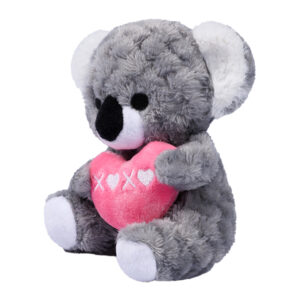
Plush Toys as Collectibles and Limited Editions
Another notable trend for plush toys in 2026 is the increasing popularity of collectibility.
Limited editions, seasonal discounts, and serialized plush toys have converted some plush products into collectibles instead of common products. This style is primarily derived from streetwear, toys designed by famous people, and culture that lacks vision.
Collectors appreciate the plush toys’ value not only for their appearance, but also for their lack of story, their scarcity, and their brand identity. This shift promotes brands that focus on the development of characters, long-term strategies, and the creation of worlds.
From a manufacturing perspective, this also promotes smaller batch sizes and increased margins per unit.
Sustainability Is No Longer Optional in Plush Toy Manufacturing
Sustainability has evolved from a promotional strategy to a requirement for purchasing, this is especially in developed markets. In 2026, plush toy companies are expected to have a significant environmental commitment.
Mainstream trends in sustainability include:
- Recycled polyester fabric plush
- Recycled or bio-based stuffing components
- Less plastic packaging
- Effective communication in the transparent supply chain
Consumers are more informed and have a greater degree of skepticism. Vague messages about sustainability are quickly disregarded, making it more important to have a traceable and certified material than ever before.
For plush toy companies, sustainability affects not only the raw materials used but also the processes of dyeing, energy expenditure, and waste disposal.
Material Innovation in Plush Toys
The material innovation is crucial to the definition of plush toy trends in 2026.
Traditional plush fabrics still have a popular reputation, but brands are evolving towards new combinations of fabric and textures in order to distinguish themselves from the competition. Microfibers that are extra soft, recycled yarns that are brushed, and hybrid fabrics that have both plush and knit components are increasing in popularity.
The objective is not to simply enjoy the experience, but to enhance it. In a period of screen exhaustion, touch has become a significant promotional feature.
Plush Toys Designed for Sensory and Mental Wellness
Plush toys are now more frequently created with mental health and sensory regulation in mind.
Weighed plush toys, such as the ones listed above, are employed by children and adults to alleviate anxiety and enhance sleep quality. Textured plush surfaces are intended to provide a calm sensory experience, particularly for people with neurodivergent needs.
This trend promotes the plush toy market to be more healthful than the traditional toy market. As such, safety testing, ergonomic concerns, and standards regarding material quality are all increasing in popularity.
Digital Influence on Plush Toy Design
Despite the fact that plush toys are physical products, digital culture has a significant impact on their design in 2026.
Characters based on online comics, virtual characters, and digital art forms are converted into soft forms. Social media platforms have a significant role in the determination of which designs are popular, this is often before production of the mass-market begins.
On rare occasions, plush toys function as physical extensions of digital content, connecting online communities and offbeat experiences.
For companies, this necessitates faster design cycles and greater consistency between marketing teams and development teams.
Customization and Personalization Trends
Customization is another significant component of the plush toy industry in 2026.
Consumers are increasingly demanding options that personalize plush toys through color choice, design, accessories, or modular components. Custom plush toys are particularly popular as presents, corporate goods, and promotional products.
From a practical perspective, this trend poses a challenge to traditional mass production methods and promotes flexible manufacturing systems that can handle deviation without compromising efficiency.
Safety Standards Remain a Non-Negotiable Foundation
Despite innovation and diversification, safety continues to be the paramount concern of the plush toy industry.
In 2026, the regulatory focus continues to increase; this is particularly true of products that are marketed to children. Violation of international safety regulations, including the toxicity of materials, their flammability, and their mechanical durability, is crucial.
Even plush toys intended for adults are expected to have high safety standards, as consumers have increasingly recognized the safety of a product as a whole.
The Influence of Global Cultural Aesthetics
The popularity of the Plush toy in 2026 is a result of a hybridization of global cultural traditions.
The Japanese and Korean design traditions—sensitive stories, emotional intrigue, and minimalism—have continued to have an effect on the global landscape of plush toys. Conversely, Western cultures focus on individuality, humor, and bold personalities.
Successful plush toy brands have learned how to combine these effects into different markets without sacrificing their core principles.
Plush Toys in Brand Collaborations and Cross-Industry Marketing
Plush toys are increasingly featured in collaborations with other brands that are not toys.
Fashion brands, food companies, technology firms, and financial institutions utilize plush toys as promotional items that imbue their brand with human attributes. Unlike merchandise that is disposable, plush toys provide long-term commitment and emotional attachment.
This trend provides new opportunities for OEM manufacturers that can fulfill diverse brand requirements while maintaining consistent quality.

Pricing Strategy and Value Perception in 2026
The plush toy market in 2026 is primarily composed of price segments, rather than price competition.
Consumers are willing to pay more for plush toys that provide emotional value, have a unique design, and are perceived as being of high quality. This facilitates the coexistence of high-end and mid-range brands with mass-market products, each having its own distinct consumer requirements.
For companies that manufacture goods, this increases the significance of choosing materials that are appropriate for the purpose, have high-quality construction, and complete the project with a targeted price.
E-Commerce and Direct-to-Consumer Plush Toy Sales
E-commerce is still involved in the discovery of plush toys and the way they are purchased.
By 2026, many plush brand toys will focus on direct-to-consumer channels, utilizing storytelling, lifestyle photography, and community interaction to promote loyalty. Product descriptions should include as much emotional value as physical attributes.
The design of packaging is also more significant, as the experience of unboxing is widely documented on social media.
Manufacturing Flexibility as a Competitive Advantage
The variety of plush toy trends in 2026 will influence manufacturers to become more malleable.
Shorter production runs, faster sampling, and the capacity to deal with multiple materials and customization requests are increasing in value. Those that rely solely on large volume, common production processes may have a hard time adjusting.
This shift benefits from factories that focus on skilled labor, flow modularity, and strong association with clients.
Plush Toys and Long-Term Brand Building
In 2026, plush toys will no longer be produced alone as impulse goods. They’re instruments for the long-term building of brand power.
Brands that are successful in this space take advantage of plush toys as part of a larger system, including recurring characters, evolving designs, and consistent messaging. This method promotes emotional attachment and frequent purchases.
For those involved in industry, this increases the plush toy industry’s development from beingactional to being strategic.
Common Misconceptions About Plush Toy Trends
A popular misconception is that plush toy popularity is solely attributed to children’s favorites. In reality, adult consumers now have a significant impact on the design and demand for products.
Another common misconception is that plush toys are simple products with low-tech features. In modern times, plush toy manufacturing involves the use of advanced digital design tools, complex compliance processes, and material science.
Understanding these truths is crucial to anyone involved in the plush toy industry.
Conclusion: The Plush Toy Trend in 2026 Is About Meaning, Not Just Design
What is the upbeat toy craze in 2026?
It’s characterized by the value of emotion, adult participation, sustainability, material innovation, and cultural relevance. The plush toy has evolved into a product that provides comfort, identity, and association in an increasingly complex world.
For companies that manufacture plush toys, success in 2026 is dependent on recognizing that plush toys are no longer simply toys. They’re emotional products that must be thoughtfully constructed, responsibly employed, and strategically placed.
Those who comprehend the shift will not only promote trends but will also have an effect on the future of the plush toy industry.