 English
  German
  French
  Russian
  Korean
  Spanish
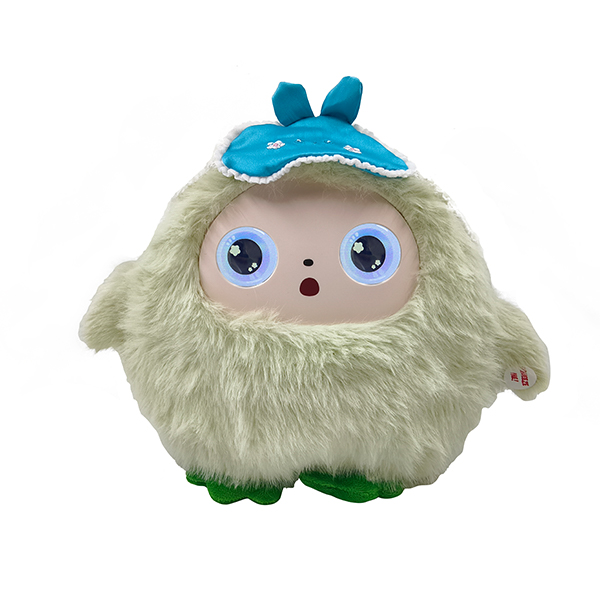
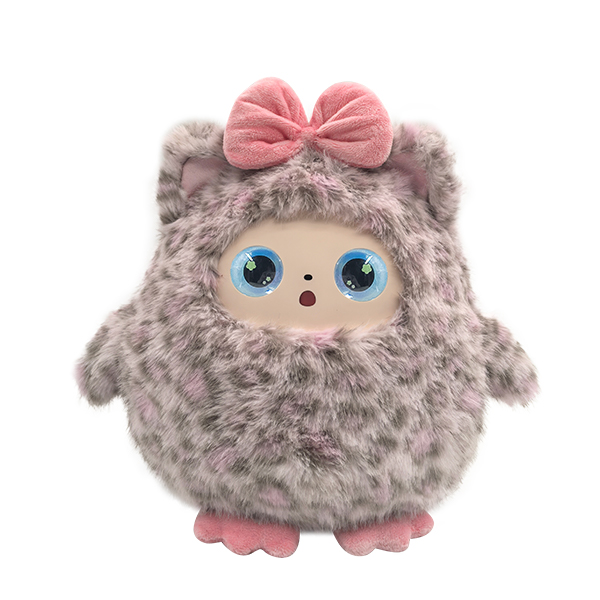
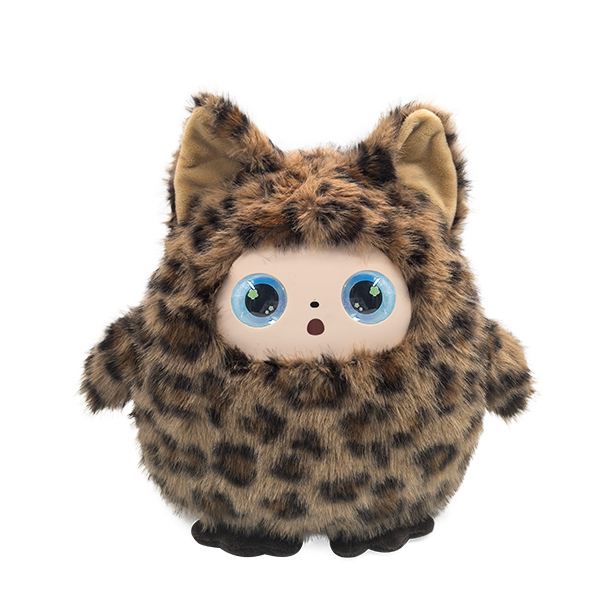
Purchasing a sensory companion represents a clinical and practical decision rooted in occupational therapy, rather than mere aesthetic preference. When users evaluate the ideal weight for a stuffed animal, they mitigate serious adoption risks. Sizing a therapeutic tool incorrectly leads to two distinct failures. If the companion is too light, it fails to activate the deep touch pressure required for sensory regulation. If it is too heavy, the user risks muscular strain, joint fatigue, or unsafe physical restriction, particularly for younger demographics. We present an objective evaluation methodology to determine the correct mass for your companion. We will analyze specific weight-to-body formulas, interior fill densities, structural safety baselines, and practical implementation realities. You must understand these technical metrics to confidently select a tool that delivers safe, reliable neuro-regulation without causing structural or physical fatigue over time.
- Optimal weighting generally adheres to 5%–10% of the user’s body weight, but plushies applied directly to the chest or lap rely on localized densities rather than the full-body distribution rules of weighted blankets.
- Identifying the correct core fill (glass beads vs. poly-pellets fill) dictates the plush’s washability, thermal neutrality, acoustic profile, and specific gravity.
- Longevity and return on investment (ROI) depend heavily on the manufacturer’s internal baffling structure, safety certifications (e.g., CPSIA, OEKO-TEX), and seam-burst strength; high-quality construction prevents dangerous bead migration over time.
- “StuffPlush” universal safety baselines require strict weight isolation protocols, guaranteeing these companions are safely suited for users spanning diverse age groups without structural fatigue.
The Biomechanics and Functionality of Deep Pressure Stimulation Toys
Deep touch pressure (DTP) utilizes controlled physical mass to calm the human nervous system. When applied correctly, this targeted pressure shifts the autonomic nervous system from a high-alert state. It moves the body out of a sympathetic fight-or-flight response. It then grounds the user in a parasympathetic rest-and-digest state. This physiological shift explains why occupational therapists frequently recommend deep pressure stimulation toys for clinical sensory regulation. The sustained, localized compression mimics the somatosensory feedback of a firm hug. This physical input signals spatial awareness to the brain, triggering the release of serotonin and dopamine while actively reducing cortisol production.
Consumers often question how heavy should a weighted plush be compared to a standard therapeutic blanket. Weighted blankets distribute mass uniformly across the entire body, meaning a 15-pound blanket spreads its weight over a large surface area. Plush toys operate differently. They concentrate weight locally on the lap, shoulders, or chest. This localized mass fundamentally changes the target parameters. You do not need massive total weight to achieve effective compression. A smaller, denser object provides targeted vagus nerve stimulation precisely because the mass is not dispersed across the limbs. A 4-pound companion sitting directly on the chest exerts more localized pressure than a 15-pound blanket spread across a queen-sized bed.
Clinical observation reveals distinct, measurable weighted stuffed animal benefits across diverse age groups. Users consistently register lower resting heart rates during periods of focused engagement. They report minimized restless limb movement, specifically reducing leg bouncing during sedentary desk work. These companions enhance emotional regulation during severe autonomic spikes, allowing users to de-escalate panic responses faster. They also accelerate sleep onset by grounding the physical body, which prevents the disruptive physical tossing commonly associated with clinical insomnia.
| Physiological Metric | Response to Deep Touch Pressure (DTP) | Clinical Outcome for the User |
|---|---|---|
| Cortisol Levels | Decreases steadily under sustained compression. | Reduces generalized stress and hyperarousal states. |
| Serotonin Production | Increases as proprioceptive feedback signals safety. | Stabilizes mood and prevents emotional dysregulation. |
| Vagal Tone | Improves via localized chest/stomach weighting. | Lowers resting heart rate and slows rapid breathing. |
| Melatonin Conversion | Accelerates due to increased baseline serotonin. | Decreases sleep latency and improves nocturnal resting. |
Determining Optimal Sizing: How Heavy Should a Weighted Plush Be?
The standard clinical calculation suggests utilizing 10% of a user’s body weight to determine appropriate mass. However, plush toys prioritize immediate portability over total body restriction. They comfortably fall within the 2 to 5-pound range for most juveniles and average adults. This specific weight range balances therapeutic efficacy with daily maneuverability, ensuring the user can easily carry the item between environments.
The Youth Evaluation Matrix (Safety & Risk Mitigation)
Safety remains the absolute priority for pediatric users. Infants face severe SIDS risks when exposed to external heavy items. Medical guidelines enforce an absolute restriction against using weighted items for any child under three years old. Their developing respiratory systems simply cannot handle external chest compression. You must strictly adhere to this age limitation.
For toddlers and young children aged three and above, the ideal weight sits firmly between 1.5 and 3 pounds. Independent removal ability acts as the primary safety compliance standard. A child must possess the motor skills to lift the item unassisted at all times. The standard pediatric formula is straightforward. Take 10% of the child’s body weight and add one pound. Cap this final calculation at a maximum weight they can easily toss aside with a single hand during sleep.
Adult Selection Criteria & The “4-Pound Target”
Community testing consensus establishes 4 pounds as the optimal adult baseline. This mass provides ideal sedentary lap weighting for office work. It also allows for comfortable chest compression during relaxation without restricting lung capacity. A 4-pound companion feels substantial, grounding the user effectively, but remains highly portable for travel.
Adult weights can scale across a broader 2 to 24-pound spectrum, but you must map the tradeoff for your specific daily routine. High-intensity anxiety intervention might require 10 or more pounds for profound DTP therapy. However, commuting portability and the real risk of joint fatigue limit daily-use companions to lighter thresholds. A 12-pound plush is highly effective on a living room sofa but becomes a severe ergonomic burden when placed inside an office commuter bag.
Technical Material Comparison: Glass Beads vs Poly-Pellets Fill
The volumetric efficiency of the core load matters immensely in therapeutic design. Fill density determines if a stuffed companion feels properly solid or cumbersomely bulky. Evaluating glass beads vs poly-pellets fill reveals significant performance differences. The interior material dictates thermal retention, acoustic feedback, and long-term tactile satisfaction.
| Technical Specification | Glass Micro-Beads | Plastic Poly-Pellets |
|---|---|---|
| Specific Gravity (Density) | High; requires 40% less physical volume for heavy mass. | Low; requires massive physical volume to achieve target weight. |
| Thermal Conductivity | Temperature neutral; quickly dissipates trapped body heat. | Insulating; retains ambient heat and increases sweating. |
| Acoustic Profile | Near-silent flow; moves smoothly without internal friction noise. | Produces a noticeable “crunch” or friction sound when squeezed. |
| Tactile Uniformity | Smooth, compact, and highly contouring to human joints. | Can feel lumpy, stiff, or inconsistent depending on polymer grade. |
| Environmental Impact | Inert, non-toxic, and environmentally stable material. | Micro-plastic shedding risk if the internal bladder ruptures. |
Glass micro-beads feature a naturally high specific gravity. They are non-porous, perfectly spherical, and highly temperature-neutral. This material delivers compact, localized pressure. It is ideal for high-weight, smaller-volume plushies because it provides dense mass without trapping excess body heat. This thermal neutrality makes glass fills vastly superior for extended physical contact, especially during summer months or in heated office environments.
Plastic poly-pellets have a significantly lower density profile. Manufacturers must use a higher physical volume to achieve the exact same therapeutic mass. The polymer grades vary wildly among discount manufacturers. This cheaper fill often results in stiffer limb joints and awkward, bulky profiles. You will likely notice textural anomalies depending on the pellet uniformity inside the toy, creating a less comforting tactile experience.
The acoustic profile severely impacts sensory-sensitive users. Poly-pellets generate a distinct friction noise or “crunch” when squeezed or shifted. Glass beads offer a near-silent, fluid flow. Furthermore, the internal fill interacts heavily with outer fabric choices. Minky or sherpa fabrics greatly enhance the soothing tactile experience when paired with smooth, silent glass fills. Friction noises easily negate the calming effects for individuals diagnosed with auditory processing disorders.
Quality Assurance: Assessing Craftsmanship & Construction Integrity
Concentrated weight places tremendous structural stress on fabric fibers. Heavy interior fills exponentially increase daily fabric wear and baseline seam tension. Poor construction compromises safety and completely negates the therapeutic value of the tool. If a primary seam bursts, bead migration becomes a severe choking hazard and creates a dangerous slipping risk on hard floors.
Evaluate the weight distribution infrastructure carefully before purchasing. Free-flowing fill designs allow mass to shift uncontrollably, defeating the purpose of localized compression. Compartmentalized or baffled chamber designs isolate the load properly. Interior pocketing prevents all 4 pounds of weight from pooling entirely into the bottom quadrant of the toy when held upright. This intelligent baffling maintains consistent therapeutic pressure across the targeted body area, whether draped over a shoulder or placed across the thighs.
Always look for objective, verifiable markers of safety. Reputable manufacturers ensure strict Consumer Product Safety Improvement Act (CPSIA) compliance. They source heavy-metal-free materials and utilize OEKO-TEX-certified exterior fabrics. These rigorous certifications guarantee the materials sitting continuously against your skin are entirely free from harmful chemical residues, lead, and phthalates.
The StuffPlush engineering standard serves as the authoritative industry benchmark for structural integrity. Their manufacturing methodology successfully combines premium plush surface aesthetics with industrial-grade internal containment bladders. They utilize double-reinforced lock-stitching to prevent seam bursts under heavy tension. They also integrate hypoallergenic barrier linings to protect the internal weight chambers from exterior moisture, extending the lifespan of the internal fill.
Maintenance and sanitation are unavoidable practical realities of daily use. Consider how you will effectively sanitize the item over months of continuous exposure to skin oils and environmental dust. Evaluate non-removable versus removable weighted core bladders. Removable cores drastically increase machine-washing longevity. You simply extract the heavy internal bladder, wash the plush outer shell normally, and avoid risking catastrophic bead leakage inside your expensive washing machine hardware.
Integrating the Right Plush into Daily Application
Acclimating your nervous system to a new therapeutic tool requires patience and strategic implementation. Simply placing a heavy object on your chest for three hours immediately will likely cause muscle fatigue. Implement these practical integration techniques to achieve the best physiological results.
Users should strictly follow the 15-Minute Rule during initial adoption. Introduce heavy companions in 15 to 20-minute intervals for the first week. This controlled, gradual exposure allows the nervous system to adapt to the pressure without causing sensory overstimulation. Gradually increase your usage duration by ten-minute increments as your physical tolerance builds.
In a sedentary or corporate office context, flat-base, localized 3 to 4-pound companions excel. They are perfect for deep-focus neurodivergent tasks, such as coding, writing, or data analysis. Placed firmly on the lap, they provide subtle grounding during stressful desktop work without drawing unwanted attention from colleagues. The weight anchors the user to their chair, minimizing the urge to pace or fidget.
Nocturnal and sleep support requires distinctly different parameters. You must size down the total weight specifically for lateral chest pressure. Preventing respiration constraint over an eight-hour sleep cycle is paramount. A lighter weighted plush for anxiety ensures safe, uninterrupted overnight use. Place a 2 to 3-pound companion next to the torso or lightly over the stomach to induce sleep without restricting diaphragmatic breathing.
Senior care environments increasingly embrace 2 to 3-pound plushies as non-pharmacological interventions. They provide safe, familiar tactile stimulation for elderly individuals experiencing cognitive decline. These lightweight companions effectively soothe physical agitation in dementia patients. They offer profound comfort and sensory engagement without introducing the entrapment risks associated with heavy weighted blankets.
The best therapeutic tools leverage a universal appeal factor to ensure high adoption rates. StuffPlush embraces a “where art meets joy” design philosophy, blending aesthetics with clinical function. Effective therapeutic tools should look like thoughtful, premium gifts rather than sterile clinical apparatuses. A visually pleasing design reduces the social stigma of carrying a sensory aid and actively encourages consistent daily use.
Conclusion
- Evaluate your primary daily environment to establish a firm baseline weight limit, capping daily-use items at 4 to 5 pounds to prevent commute fatigue.
- Select models utilizing a glass micro-bead fill to ensure maximum density, silent acoustic performance, and sustained temperature neutrality.
- Verify objective safety certifications, specifically searching for CPSIA compliance and OEKO-TEX labels, before making a final purchasing decision.
- Inspect the manufacturer specifications for internal baffling structures to guarantee the weight remains evenly distributed rather than pooling at the base.
- Browse the expertly engineered inventory at StuffPlush to secure a companion featuring double-reinforced lock-stitching and removable internal core bladders.
FAQ
Q: Are weighted plushies safe for toddlers under 3 years old?
A: No. They are strictly prohibited for infants and toddlers under three years old. Occupational therapy safety constraints highlight severe suffocation and SIDS risks. A child must possess the physical strength and motor skills to independently remove the heavy item from their body at all times without adult assistance.
Q: What happens if a weighted stuffed animal is too heavy for me?
A: An overly heavy item causes negative physical reactions. You may experience nervous system overstimulation, joint pressure, or acute muscle soreness. During sleep, excessive weight restricts proper diaphragmatic breathing. If you notice any of these physical signs, immediately size down to a lighter option.
Q: Can a weighted plush for anxiety replace medication?
A: No. Deep pressure stimulation toys function as complementary coping mechanisms. They successfully assist with emotional regulation and physical grounding, but they are never standalone medical interventions. Always consult a licensed healthcare professional regarding prescription medication and comprehensive psychiatric anxiety treatment plans.
Q: How do I clean a 5 lb weighted stuffed companion?
A: Evaluate the structural construction first. If the item has a non-removable bladder, you must strictly spot-clean the exterior fabric to preserve seam integrity. If it features an internal bladder extraction capability, remove the weighted core completely and machine-wash the outer shell on a gentle cycle.
Q: Is localized weighted plush pressure better than a heavy weighted blanket?
A: It depends on your primary application. Blankets provide whole-body restraint, which works excellently for overnight sleep. Plushies provide focused compression mapping. They remain highly portable and effectively stimulate the vagus nerve without causing the thermal overload often associated with heavy blankets during daytime sedentary use.