 English
  German
  French
  Russian
  Korean
  Spanish


Abstract:
Soft toys have played a central role in childhood development and emotional comfort for over a century.
Research published by the American Academy of Pediatrics and developmental psychology studies cited by the American Psychological Association indicate that soft comfort objects like stuffed animals and plush toys assist children in developing emotional regulation, engaging in imaginative play, and forming social bonds.
Furthermore, reports from the Toy Association show that plush toys are among the biggest sectors of the worldwide toy industry, with growing popularity in both children’s and adult collectible markets.
Despite their widespread popularity, many consumers and even retailers often use the terms “stuffed animal” and “plush toy” interchangeably. However, in toy manufacturing, retail classification, and collector communities, the two terms can carry distinct meanings related to materials, design styles, intended use, and product categories.
This article examines the specific distinctions between stuffed animals and plush toys, analyzing their definitions, historical evolution, manufacturing processes, materials used, safety regulations, market trends, and how consumers utilize them. Understanding these differences enables buyers, toy producers, and retailers to make better-informed choices when choosing or creating high-quality soft toys.
Understanding Soft Toys in the Modern Toy Industry
Soft toys are one of the earliest types of play objects for children. They feature soft fabric exteriors and internal stuffing, which makes them safe, cozy, and attractive to kids.
Today, the global toy industry categorizes soft toys into various groups:
- Stuffed animals
- Plush toys
- Character plush toys
- Collectible plush
- Educational soft toys
- Decorative plush
While all stuffed animals are technically plush toys, not every plush toy is a stuffed animal. Recognizing this difference is crucial for manufacturers, retailers, and consumers.
What Is a Stuffed Animal?
A stuffed animal is a soft toy created specifically to resemble a real or imaginary animal, usually filled with stuffing materials like polyester fiber, cotton, or foam.
The main purposes of stuffed animals include:
- Children’s play
- Emotional comfort
- Collectibility
- Educational purposes
They often imitate animals such as:
- Bears
- Dogs
- Cats
- Rabbits
- Lions
- Dinosaurs
The teddy bear, which gained popularity in the early 20th century, is the most well-known example of a stuffed animal.
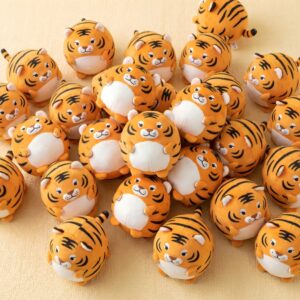
Key Characteristics of Stuffed Animals
Stuffed animals share several defining features.
| Feature | Description |
| Shape | Designed to resemble animals |
| Filling | Polyester fiber or cotton |
| Fabric | Plush fabric, felt, or synthetic fur |
| Target users | Mainly children |
| Function | Comfort toy or play companion |
Because of their emotional appeal, stuffed animals often become transitional objects that children rely on for security and comfort.
What Are Plush Toys?
A plush toy is any soft toy crafted from plush fabric, no matter if it depicts an animal.
Examples of plush toys include:
- Stuffed animals
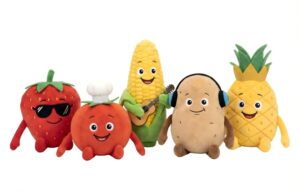
- Cartoon characters
- Fantasy creatures
- Decorative plush pillows
- Branded character toys
- Mascots
In other words, plush toys are a broader category, while stuffed animals represent a specific subset.
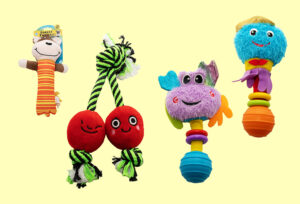
Key Characteristics of Plush Toys
| Feature | Description |
| Material | Plush fabric exterior |
| Shape | Animals, characters, objects |
| Target users | Children and adults |
| Uses | Toys, collectibles, decoration |
| Variety | Extremely diverse designs |
Because plush toys include licensed characters, gaming mascots, and collectible figures, they dominate the global soft toy market.
The Core Difference Between Stuffed Animals and Plush Toys
The primary difference lies in definition and scope.
| Category | Stuffed Animals | Plush Toys |
| Definition | Animal-shaped soft toys | Any toy made with plush fabric |
| Design focus | Real or fictional animals | Animals, characters, objects |
| Market scope | Narrow category | Broad category |
| Consumer base | Mostly children | Children and adults |
| Examples | Teddy bears, plush dogs | Character plush, mascot plush |
This distinction explains why retailers often categorize products differently in toy stores and online marketplaces.
Historical Development of Stuffed Animals and Plush Toys
Understanding the history of soft toys helps clarify why these terms evolved differently.
- Early Origins of Stuffed Animals
The first stuffed animals appeared in the late 19th century as handmade toys.
The most famous example is the teddy bear, inspired by Theodore Roosevelt after a hunting incident in 1902.
Toy manufacturers soon began producing stuffed animals using:
- Mohair fabric
- Wood wool stuffing
- Hand-sewn construction
These early toys became treasured friends during childhood.
- Evolution of Plush Toys
During the late 20th century, plush toys grew considerably with the rise of licensed entertainment merchandise.
Popular media franchises introduced plush versions of:
- Movie characters
- Television mascots
- Video game icons
This transformation turned plush toys into a major global merchandise category.
Materials Used in Stuffed Animals and Plush Toys
The quality and safety of soft toys depend heavily on the materials used during manufacturing.
| Fabric Type | Characteristics | Usage |
| Plush fabric | Soft, fuzzy texture | Most plush toys |
| Velour | Smooth and durable | Premium toys |
| Cotton fabric | Breathable and natural | Eco toys |
| Synthetic fur | Realistic animal appearance | Stuffed animals |
Manufacturers choose fabrics based on cost, durability, and aesthetic appeal.
Internal Filling Materials
| Filling Material | Properties | Applications |
| Polyester fiberfill | Lightweight and soft | Standard plush toys |
| Cotton | Natural and breathable | Eco-friendly toys |
| Foam pellets | Provides shape support | Decorative plush |
| Microbeads | Weighted feel | Specialty plush toys |
Modern stuffed animals typically use polyester fiberfill because it is safe, washable, and hypoallergenic.
Manufacturing Process of Plush Toys
The process of making plush toys includes several manufacturing steps.
- Design and Prototyping
Designers develop sketches and digital models of the toy.
- Pattern Creation
Patterns for the fabric are produced to outline the toy’s shape.
- Fabric Cutting
Fabric pieces are cut using industrial cutting machines.
- Sewing
The fabric pieces are stitched together to create the outer shell.
- Stuffing
Filling materials are added to give the toy its form.
- Quality Inspection
Each toy is inspected for safety and durability.
Safety Standards for Stuffed Animals and Plush Toys
Safety regulations are essential for toys intended for children.
Key safety organizations consist of:
- ASTM International
- European Committee for Standardization
- International Organization for Standardization
These organizations establish standards for:
- Material safety
- Flammability resistance
- Small parts hazards
- Chemical toxicity
Manufacturers must comply with these standards to sell toys globally.
Psychological Benefits of Stuffed Animals
Stuffed animals—often referred to as plush toys—are typically linked to childhood, but studies in Developmental Psychology and Clinical Psychology indicate that they offer emotional and psychological advantages for individuals of all ages. Their gentle texture, recognizable forms, and soothing connections can promote emotional health in various ways.
- Emotional Comfort and Stress Reduction
Soft textures can trigger calming reactions in the brain. When you hold or hug a plush toy, it can evoke feelings of security and ease, much like the comfort offered by weighted blankets or gentle fabrics. This sensory experience might lower stress hormones and assist people in feeling more centered during anxious times.
- Transitional Objects and Emotional Security
Psychologist Donald Winnicott introduced the concept of a “transitional object.” These are items—such as blankets or stuffed animals—that help children gradually develop independence while maintaining a sense of security.
Even in adulthood, familiar objects can evoke a sense of stability and nostalgia, reinforcing emotional resilience during life transitions or stressful periods.
- Support for Sleep and Relaxation
Many people use stuffed animals as sleep companions. Their presence can:
- Reduce anxiety at night.
- Establish a soothing routine before bedtime.
- Promote relaxation by offering tactile comfort.
These benefits can be particularly useful for those with mild insomnia or stress-induced sleep issues.
- Therapeutic and Mental Health Uses
In therapy, stuffed animals are occasionally utilized. For instance:
- Children might convey their feelings through plush toys during play therapy.
- Therapists assisting trauma survivors may employ comforting items to foster a feeling of security.
- In hospitals, plush toys may help reduce anxiety for young patients.
Such uses demonstrate how simple tactile objects can assist emotional expression and coping.
Plush Toys in Adult Culture
In recent years, plush toys have expanded beyond children’s products and have become a significant part of adult culture and lifestyle trends.
- Collecting and Designer Plush Toys
Many adults gather high-quality or limited-edition plush toys from brands like Jellycat and Squishmallows. These toys frequently showcase:
- Unique designs
- High-end materials
- Seasonal or limited releases
Collectors may view them similarly to art pieces or pop-culture memorabilia.
- Nostalgia and Comfort Culture
Nostalgia has emerged as a strong influence in consumer culture. Adults who were raised with plush toys might revisit them as representations of easier days. This pattern is strongly associated with the larger comfort culture movement, which involves deliberately adding comforting items and habits into everyday routines.
- Plush Toys in Work and Lifestyle Spaces
Plush toys are increasingly found in adult environments, including home offices and desks, bedroom decor, and social media lifestyle content. For some individuals, a plush toy can serve as a small emotional anchor during busy or stressful workdays.
- Community and Social Media Influence
Online platforms like Instagram and TikTok have played a role in normalizing adult interest in plush toys. Collectors frequently share photos, reviews, and unboxing videos, creating communities that appreciate design, craftsmanship, and emotional bonds.
Market Trends in the Plush Toy Industry
The global plush toy market has experienced significant growth in the past decade.
Key trends include:
- Sustainable materials
- Smart plush toys with electronics
- Licensed character plush
- Luxury collectible plush toys
Manufacturers increasingly focus on eco-friendly fabrics and recycled stuffing materials.
Choosing High-Quality Stuffed Animals or Plush Toys
Consumers should consider several factors when selecting soft toys.
| Factor | Importance |
| Fabric quality | Determines softness and durability |
| Stitching strength | Prevents tearing |
| Filling material | Affects comfort and shape |
| Safety certification | Ensures child safety |
| Brand reputation | Indicates manufacturing quality |
High-quality toys can last for many years without losing their softness or structural integrity.
FAQ: Stuffed Animals and Plush Toys
- Are stuffed animals and plush toys the same thing?
Not exactly. Stuffed animals are a specific type of plush toy that represent animals, while plush toys can represent animals, characters, or other objects.
- Why are plush toys so soft?
Plush toys are made using plush fabric, which has a soft pile surface that feels smooth and comfortable to the touch.
- What is the most popular stuffed animal?
The teddy bear remains the most iconic stuffed animal worldwide due to its long history and emotional significance.
- Are plush toys safe for babies?
Most plush toys designed for infants meet strict safety standards, but parents should choose toys without small detachable parts.
- Why do adults collect plush toys?
Many adults collect plush toys for nostalgia, decoration, or investment, especially limited-edition or licensed character plush toys.
Conclusion
Although the terms are frequently used interchangeably, stuffed animals and plush toys are not identical. Stuffed animals are a particular kind of plush toy made to look like animals, whereas plush toys cover a wider range that includes character figures, mascots, and decorative soft toys. Recognizing this difference is crucial for manufacturers, retailers, and consumers aiming to properly classify and choose products.
Both plush toys and stuffed animals continue to be vital elements of worldwide toy culture, offering emotional solace, opportunities for imaginative play, and collectible appeal. As the toy industry advances—with breakthroughs in eco-friendly materials, intelligent technology, and inventive design—plush toys and stuffed animals will keep engaging children and adults globally.