 English
  German
  French
  Russian
  Korean
  Spanish
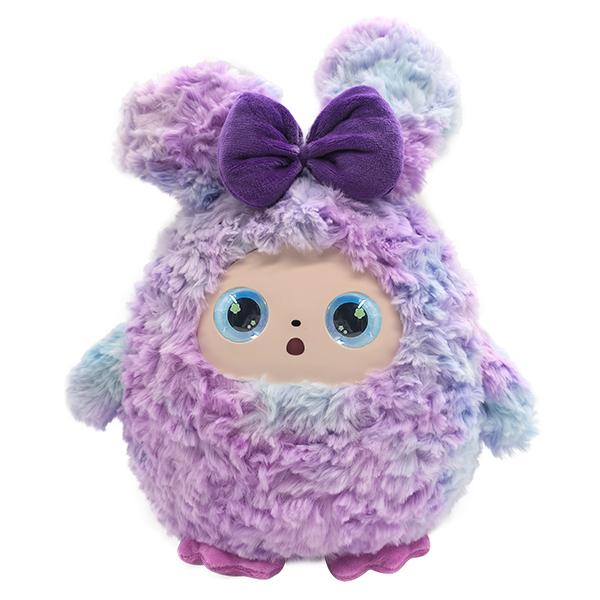
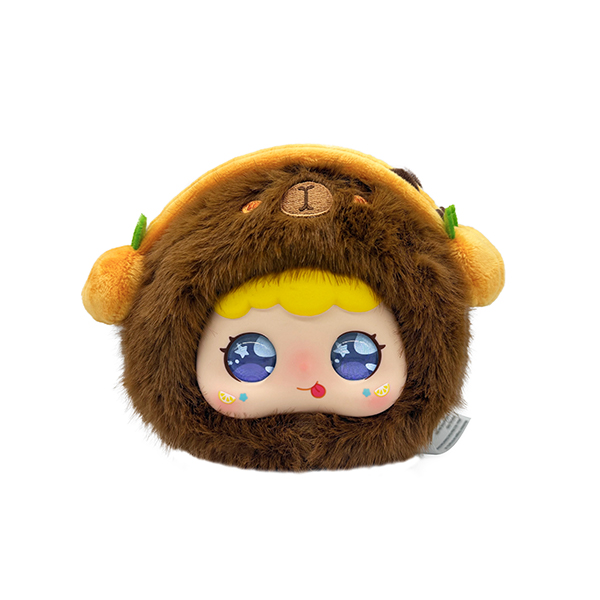
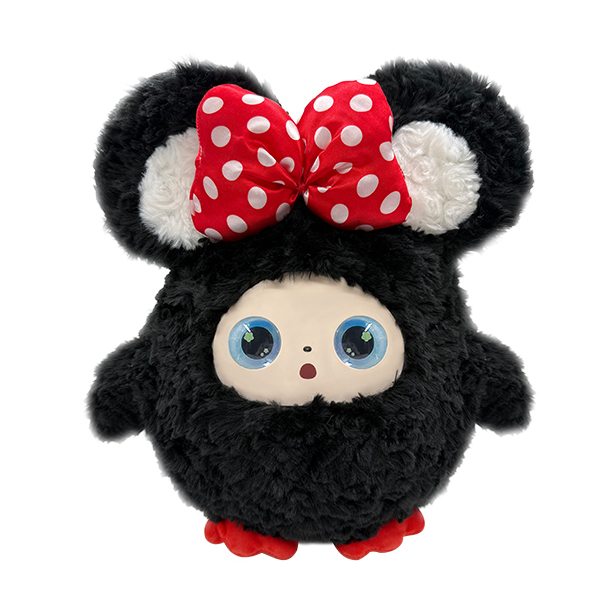
Valentine’s Day is the single largest gifting event for the plush toy industry outside of the Christmas quarter. In 2026, US consumers spent an estimated $14.2 billion on Valentine’s gifts, with plush toys capturing roughly 8–12% of the non-confectionery, non-floral gift category — a market size approaching $1.4 billion at retail. For custom plush toy manufacturers and brands planning their 2027 Valentine’s collections, the question is not whether to make Valentine’s Day plush — it is how to design products that cut through the noise of red teddy bears holding “I Love You” hearts and actually resonate with modern buyers.
At StuffPlush, we have produced holiday plush toys for Valentine’s Day across eight consecutive seasons for brands ranging from boutique gift shops to big-box retailers, and the products that consistently outsell the category averages share a common DNA: they reject the clichés that have saturated the category for decades and instead lean into design trends that feel contemporary, emotionally authentic, and Instagram-worthy. This guide breaks down the Valentine’s Day plush trends for 2027 that we are seeing in our order book, what is fading, and how to position your custom Valentine stuffed animals collection for maximum sell-through.
The Anti-Cheesy Revolution: Why “I ❤️ U” Bears Are Dying
What Is Changing
For twenty years, the default Valentine’s Day plush toy template was predictable: a red or pink bear (or bunny, or elephant) holding a heart-shaped pillow embroidered with “I Love You,” “Be Mine,” or a similar phrase, wrapped in cellophane with a mylar balloon attached. This product still exists in 2026, and it still sells at certain price points ($9.99–$14.99 at mass-market retailers) to buyers who prioritize price over design. But the growth segment — the SKUs driving year-over-year revenue increases for plush toy brands — has moved decisively away from this aesthetic.
The shift is generational and platform-driven. Gen Z and young Millennial buyers (roughly ages 18–35) now represent the fastest-growing purchaser demographic for Valentine’s Day plush, and their gifting language is fundamentally different from the Boomer/Gen X template:
| Old Template (Fading) | New Aesthetic (Growing) |
|---|---|
| Red/pink color scheme only | Muted palettes: sage green, cream, dusty rose, charcoal |
| “I Love You” / “Be Mine” text | No text, or subtle embroidery (tiny heart, monogram) |
| Generic bear shape | Niche animals: red pandas, axolotls, capybaras, octopuses |
| Shiny satin bow | Natural fiber accents: linen ears, wool felt details |
| Cellophane + balloon packaging | Reusable gift box, canvas tote, or naked (zero-waste) |
| Targeted at romantic partners | Targeted at friends, self-gifting, “platonic love” |
The Data Behind the Shift
From our 2026 Valentine’s production data at StuffPlush:
| Design Category | % of Total Units Ordered | YoY Change | Avg Sell-Through at Retail |
|---|---|---|---|
| Traditional red/pink “I ❤️ U” bear | 28% | -18% | 62% |
| Muted-palette animal (no text) | 24% | +34% | 81% |
| Character/collaboration plush | 18% | +45% | 88% |
| Sound-module plush | 15% | +28% | 76% |
| Scented plush | 10% | +120% (from low base) | 73% |
| DIY/customizable plush kit | 5% | +65% | 84% |
The traditional bear is not dead — it still represents over a quarter of units — but its decline is steady and accelerating. The muted-palette, no-text animal is now the volume leader for new SKU development.
Trend #1: The “Ugly-Cute” Aesthetic Goes Mainstream
If you follow plush toy design trends at all, you have watched the rise of “ugly-cute” (or “weird-cute”) over the past three years, led by brands like Jellycat, Labubu (Pop Mart), and Sonny Angel. What started as a niche collector aesthetic has now fully crossed over into the mainstream Valentine’s Day plush market.
What “Ugly-Cute” Means for Valentine’s Plush
The term is misleading — these are not actually ugly. The aesthetic is better described as “intentionally imperfect”: asymmetrical features, slightly wonky proportions, neutral or grumpy expressions, and design choices that prioritize character and personality over conventional cuteness.
For Valentine’s Day plush specifically, the ugly-cute translation looks like:
- Facial expression: A small smile, a neutral look, or even a tiny frown — instead of the exaggerated happy grin of traditional Valentine’s plush. The emotional resonance comes from the contrast between the grumpy expression and the soft, huggable body.
- Body proportions: Slightly oversized head (1.3:1 head-to-body ratio vs. the traditional 1:1), stubby limbs, rounded torso. The silhouette reads as “cute” from a distance but reveals quirky proportions up close.
- Color palette: Desaturated tones — dusty rose instead of hot pink, sage instead of kelly green, cream instead of white, charcoal instead of black. These colors photograph beautifully in natural light and feel more expensive than saturated primaries.
- Surface texture: Mixed materials — minky body with velvet ears, linen paw pads, a tiny wool-felt accessory. Texture variation creates tactile interest that translates to higher perceived value.
Why It Works for Valentine’s Gifting
The ugly-cute aesthetic solves a real problem for modern gift-givers: the cringe factor. A traditional “I Love You” bear feels performative and slightly embarrassing to give or receive, especially among younger couples or friends. An ugly-cute Valentine’s Day plush with a grumpy expression and no text communicates affection through absurdity and humor — it says “I know you well enough to give you something weird” rather than “I bought this because society says I should.”
From a B2B buyer’s perspective, ugly-cute designs also command higher margins. Our pricing data shows that ugly-cute Valentine’s Day plush SKUs retail for 30–50% more than traditional designs of equivalent size, with production costs only 10–15% higher (the premium comes from mixed-material construction and more complex pattern pieces, not from expensive materials).
Trend #2: Sound Modules Are No Longer a Gimmick
Sound-equipped plush toys have existed for decades — squeeze the paw and it plays a recorded message or a song clip. But the technology, integration quality, and consumer expectations have all shifted dramatically in the past two years, and sound-module plush is evolving from a novelty add-on into a core product feature for the 2027 Valentine’s Day plush market.
What Is Different Now
| Old Sound Module (Pre-2024) | New Sound Module (2027 Trend) |
|---|---|
| Single pre-recorded message (“I love you!”) | Customizable / recordable by the giver |
| Low-fidelity, tinny speaker | High-fidelity (16-bit+) MEMS speaker, 3cm+ driver |
| Mechanical trigger (squeeze sensor) | Capacitive touch, motion-triggered, or Bluetooth-app controlled |
| Non-replaceable battery (sewn inside) | USB-C rechargeable (accessible but child-safe compartment) |
| 5–10 second audio capacity | 30–120 seconds, multiple tracks selectable |
| Fixed at factory | Field-programmable (buyer records own message via app) |
The B2B Opportunity
For custom plush toy manufacturers, sound modules represent one of the few features that genuinely justify a price premium in the eyes of consumers. A standard 12-inch Valentine’s Day bear without sound retails for $14.99–$19.99; the same bear with a high-quality recordable sound module retails for $29.99–$39.99 — and the production cost increase is typically only $1.50–$3.00 per unit at 1,000-unit MOQ.
The key design considerations for sound-module Valentine’s Day plush:
- Speaker placement: The speaker must be positioned where it will not be muffled when the plush toy is hugged. Our recommended location is the lower back/torso area (not the chest, which gets pressed against the giver’s body during a hug).
- Trigger mechanism: Capacitive touch (tap anywhere on the toy to play) is the 2027 standard — it feels more magical than a mechanical squeeze sensor and has no moving parts to fail. Budget alternative: a soft-button trigger hidden in the paw pad.
- Battery accessibility: Under CPSIA, batteries in children’s products must be inaccessible without tools (to prevent swallowing). Use a screw-compartment design that is accessible for battery replacement (via Phillips-head screw) but secure against child access. USB-C rechargeable modules eliminate the battery-replacement issue entirely and are increasingly cost-competitive.
- Audio quality: The #1 return reason for sound-equipped plush toys is “sound quality worse than expected.” Invest in a module with at least a 28mm Mylar speaker driver and 8Ω impedance. Test the audio output with the plush toy fully stuffed — stuffing density significantly affects sound transmission.
Trend #3: Scented Plush — The Fastest-Growing Niche
The HKTDC 2027 Toy Forecast identified scented and multisensory toys as one of the three biggest growth opportunities in the global toy market, and scented plush is leading that charge within the Valentine’s Day category. Scent adds a sensory dimension that screens cannot replicate — making the physical product feel irreplaceable in an era where digital experiences compete for every dollar of discretionary spending.
How Scented Plush Works
There are two primary technologies for scenting plush toys:
| Technology | Method | Duration | Cost per Unit | Best For |
|---|---|---|---|---|
| Microencapsulated fragrance oil | Fragrance oil encapsulated in polymer shells, embedded in fabric fibers or stuffing | 3–6 months (fades gradually) | $0.08–$0.20 | Mass-market price points, short shelf life OK |
| Scent pellet insert | Replaceable scented bead packet sewn into internal pocket | 2–3 months per pellet, replaceable | $0.15–$0.35 + packaging | Premium positioning, repeat purchase opportunity |
Best-Selling Scents for Valentine’s Plush
Based on our 2026 production data and retailer reorder patterns:
| Scent | Emotional Association | Popularity | Gender Neutrality |
|---|---|---|---|
| Vanilla | Comfort, warmth, nostalgia | ⭐⭐⭐⭐⭐ | Excellent |
| Rose/Rosewater | Romance, luxury | ⭐⭐⭐⭐ | Skews female (but growing unisex) |
| Cotton/Linen Fresh | Cleanliness, simplicity | ⭐⭐⭐⭐ | Excellent |
| Chocolate/Cocoa | Indulgence, comfort food | ⭐⭐⭐⭐⭐ | Excellent |
| Lavender | Calm, relaxation | ⭐⭐⭐ | Skews female |
| Cedar/Sandalwood | Warmth, sophistication | ⭐⭐⭐ | Skews male (emerging) |
| Unscented (control) | Neutral | Baseline | N/A |
Vanilla and chocolate are the clear winners — they are universally appealing, gender-neutral, and strongly associated with comfort and indulgence, which aligns perfectly with the emotional positioning of Valentine’s Day gifting.
Production Considerations
Scented plush toys require extra attention in production:
- Scent consistency: Microencapsulated fragrance must be applied uniformly across the production run. Batch-to-batch scent variation is the #1 quality complaint. Require your plush toy manufacturer to provide scent-intensity samples from each production batch for your approval before shipment.
- Allergen disclosure: Some consumers are sensitive or allergic to fragrances. Clearly label scented products and consider offering an unscented variant of the same design.
- Shelf life: Scented plush toys have a finite shelf life before the fragrance fades noticeably. Plan production timing so that products ship to retailers no more than 4–6 months before Valentine’s Day (i.e., production in August–October for February delivery).
Trend #4: Niche Animals Replace the Bear Monoculture
The teddy bear has dominated Valentine’s Day plush for a century, but its market share is eroding as buyers seek animals that feel more specific, more personal, and more shareable on social media.
The Rising Stars
| Animal | Why It Works for Valentine’s | Design Challenge | 2027 Demand Outlook |
|---|---|---|---|
| Red Panda | Naturally reddish-orange coat = built-in Valentine color; endangered species = conversation starter; “cute but not boring” | Fur color consistency (must read as red, not orange-brown) | ⭐⭐⭐⭐⭐ Very High |
| Axolotl | Gen Z favorite (massive TikTok presence); weird-cute aesthetic; inherently unique | External gills must be securely attached (small parts risk) | ⭐⭐⭐⭐⭐ Very High |
| Capybara | “Chill friend” vibe = perfect for platonic/friendship Valentine’s gifting; huge meme currency | Large size required for impact (min 14 inch); simple shape = must excel at facial expression | ⭐⭐⭐⭐⭐ Very High |
| Octopus | Eight arms = can hold tiny accessories (hearts, flowers, mini cards); underwater theme = unconventional | Tentacle attachment security (each tentacle is a potential failure point) | ⭐⭐⭐⭐ High |
| Flamingo | Pink by nature = zero-effort Valentine color; elegant posture = photographs beautifully | Standing balance (must be self-supporting or have weighted base) | ⭐⭐⭐⭐ High |
| Bumblebee | Yellow + black = unexpected Valentine palette (anti-cheesy); “bee mine” wordplay | Small size = lower price point; striped pattern requires precise sewing | ⭐⭐⭐ Moderate-High |
The Bear Is Not Dead — It Is Just One Option Among Many
Traditional teddy bears still represented ~40% of our 2026 Valentine’s Day plush unit volume. But within that bear segment, the growth is entirely in bear variants that break the traditional mold: bears in unexpected colors (forest green, lavender, taupe), bears with minimalist design (no accessories, no text, just beautiful fabric and form), and bears styled as characters (wearing tiny outfits, holding specific objects that tell a story).
The bear that is declining is the generic red “I ❤️ U” bear. The bear that is growing is the design-forward bear that happens to be shaped like a bear.
Trend #5: Sustainable and Zero-Waste Positioning
Sustainability is no longer a nice-to-have for Valentine’s Day plush — it is becoming a table-stakes expectation, particularly for brands selling through eco-conscious retailers (Whole Foods, Target’s “Target Sustainable” program, independent gift shops) and direct-to-consumer brands whose customers actively read about materials and sourcing.
What Buyers Are Asking For
From our 2026 RFP data for custom Valentine stuffed animals:
| Sustainability Feature | % of RFPs Requesting It | Implementation Difficulty | Cost Impact |
|---|---|---|---|
| Recycled polyester (rPET) fabric | 62% | Easy (supplier switch) | +5–8% |
| Recycled PP cotton filling | 48% | Easy (supplier switch) | +3–5% |
| GRS-certified supply chain (full chain-of-custody) | 31% | Medium (requires certified factory) | +8–12% |
| Plastic-free packaging (no polybag, no blister) | 55% | Medium (requires alternative packaging design) | +10–15% |
| Plant-based/biodegradable fabric (organic cotton, bamboo fleece) | 22% | Hard (limited supplier base, performance tradeoffs) | +25–40% |
| Carbon-neutral shipping | 18% | Easy (offset purchase) | +1–3% |
Recycled polyester (rPET) fabric is the sustainability feature with the best ROI: it is easy to source, adds minimal cost, and resonates strongly with environmentally conscious consumers. At StuffPlush, we maintain rPET velboa and rPET minky in stock year-round specifically for eco-friendly plush toys orders.
Trend #6: The Rise of “Platonic Valentine” Plush
One of the most interesting structural shifts in the Valentine’s Day market is the expansion of the occasion beyond romantic gifting. “Galentine’s Day” (February 13, celebrating female friendships), workplace Valentine’s exchanges, self-gifting, and “pal-entine” gifting to friends and family are all growing faster than traditional romantic-partner gifting.
What This Means for Product Design
Platonic Valentine plush has different design requirements than romantic Valentine’s Day plush:
| Dimension | Romantic Valentine | Platonic Valentine |
|---|---|---|
| Color palette | Red, pink, white dominant | Broader: purple, teal, yellow, rainbow OK |
| Messaging | Love, romance, “mine,” “forever” | Friendship, “awesome,” “bestie,” or NO text |
| Pairing | Often sold as singles (one gift to one partner) | Often sold as sets (matching pairs for friends) |
| Price point | Higher ($25–$50 for “serious” gifts) | Lower to moderate ($10–$25 for fun gifts) |
| Gender targeting | Skews female (gifts TO women) | More gender-neutral |
| Packaging | Gift-wrap heavy | Less formal; reusable bags, boxes |
The matching pair set is a particularly strong format for platonic Valentine’s: two plush toys (often different animals or different colors of the same animal) sold together as a “Best Friends Set” or “Galentine’s Duo.” Sets command a 20–30% price premium over two individual plush toys sold separately, and they drive higher social media sharing because recipients post photos of themselves with their matching plush.
Planning Your 2027 Valentine’s Day Plush Collection
Timeline
Valentine’s Day has a fixed date (February 14), but the supply chain lead times are long. Here is the realistic timeline for a custom plush toy order intended for Valentine’s Day 2027:
| Milestone | Target Date | Key Activity |
|---|---|---|
| Design finalization | June 2026 | Lock in SKUs, materials, colors, features (sound/scent) |
| Prototype approval | July 2026 | Review physical sample, test sound/scent if applicable |
| Pre-production testing | August 2026 | ASTM F963 / EN 71 safety testing on production-representative sample |
| Mass production start | September 2026 | Full production run (allow 25–35 days for standard orders) |
| Pre-shipment QC | October 2026 | Final inspection, testing verification, packaging check |
| Ocean freight departure | Late October 2026 | Load container (30–35 days transit to US West Coast) |
| Customs clearance + trucking | Late November – Early December 2026 | Clear customs, deliver to warehouse/distribution center |
| Retail shelf date | January 5–15, 2027 | On shelf for peak Valentine’s shopping (2 weeks before V-Day) |
If you are reading this after June 2026: you can still make it, but you will need to use air freight (add $2–4/unit) and work with a plush toy manufacturer that offers expedited production (see our guide on Q4 rush manufacturing for fast-track options).
SKU Strategy Recommendation
For a brand launching or expanding a Valentine’s Day plush collection in 2027, we recommend a tiered SKU structure:
| Tier | Count | Price Point (Retail) | Design Direction | Target Channel |
|---|---|---|---|---|
| Hero SKUs | 2–3 | $29.99–$49.99 | Sound module or scented; niche animal; premium materials; gift-box packaging | Specialty retail, DTC, department stores |
| Core SKUs | 4–6 | $14.99–$24.99 | Muted-palette animal (no text); solid construction; clean design | Mass-market retail, Amazon, gift shops |
| Impulse SKUs | 3–5 | $7.99–$12.99 | Small size (6–8 inch); simpler construction; high visual appeal at checkout | Checkout displays, add-on items, promotional giveaways |
This structure gives you hero products that generate press and social media buzz, core products that drive volume, and impulse products that lift average order value.
Frequently Asked Questions
What is the minimum order quantity (MOQ) for custom Valentine’s Day plush?
At StuffPlush, our standard MOQ is 500 units per SKU for custom Valentine’s Day plush. However, we offer flexibility for multi-SKU orders: if you order 6+ SKUs in the same collection, we can reduce the per-SKU MOQ to 300 units. For first-time buyers testing the market, we also offer a starter tier of 100 units per SKU with a modest tooling surcharge — this lets you validate demand before committing to full production quantities.
How far in advance should I place my Valentine’s Day plush order?
For ocean freight (cheapest shipping), place your order no later than September 2026 for February 2027 delivery. For air freight (faster but 3–4x more expensive), you can order as late as November 2026 and still make the Valentine’s window. We strongly recommend ordering early: our production capacity fills up by October, and late orders face either capacity constraints or air-freight cost premiums. See our Q4 rush manufacturing guide for detailed timelines and cost tradeoffs.
Can I use licensed characters (Disney, Marvel, etc.) for Valentine’s Day plush?
Only if you hold a valid licensing agreement for the character(s) in question for the plush toy product category and the territories where you intend to sell. StuffPlush is an experienced licensed plush manufacturer (we produce under license for major entertainment brands), and we can manufacture licensed Valentine’s Day plush — but we require proof of licensing before beginning any work on protected IP. If you do not have a license, we recommend focusing on original character designs, which avoid IP risk entirely and can often be more distinctive than licensed alternatives.
What packaging options work best for Valentine’s Day plush?
Packaging is a critical component of Valentine’s Day plush perceived value. Our recommendations by tier:
- Premium ($30+ retail): Rigid gift box with magnetic closure, tissue paper, and a branded thank-you card. The box becomes part of the gift experience and is highly shareable on social media.
- Mid-range ($15–$30 retail): Window-faced hanging box (shows the plush toy through clear PVC window) with a hang tab for retail display. Add a foil-stamped “Happy Valentine’s Day” sleeve for seasonal relevance.
- Budget/impulse (<$15 retail): Simple polybag with a header card, or naked (no packaging) with a hang tag. Many eco-conscious retailers now prefer minimal or no packaging — communicate your preference upfront.
How do I handle leftover inventory after Valentine’s Day?
Leftover Valentine’s Day plush inventory is a real concern — unlike Christmas plush (which can sell through post-holiday clearance and still feel seasonally appropriate), Valentine’s Day plush has a narrower post-event appeal. Strategies to minimize leftover risk:
- Design for cross-seasonality: Choose animals, colors, and features that work beyond Valentine’s Day. A muted-rose red panda with no Valentine-specific text can sell year-round as a general stuffed animal. A bright-red bear with “Be Mine 2027” embroidered on it cannot.
- Plan conservative quantities for Valentine-specific SKUs: Order deeper on evergreen designs and shallower on overtly Valentine-themed ones.
- Post-Valentine’s Day promotions: Bundle remaining stock with Easter or spring-themed items at a discount. Many of our retailer clients successfully move 70–80% of Valentine’s leftovers through Mother’s Day and spring gifting promotions.
- Donate unsold inventory: Partner with children’s hospitals, shelters, or nonprofit organizations. StuffPlush can help coordinate donations and provide documentation for tax deduction purposes.
Conclusion: 2027 Is the Year to Rethink Your Valentine’s Day Plush Strategy
The Valentine’s Day plush market is not shrinking — it is evolving. The total addressable market is growing as gifting expands beyond romantic partners to friends, family, coworkers, and self-purchasers. But the products that capture that growth look very different from the red “I Love You” bears that dominated the category for generations.
The six trends we have outlined — ugly-cute aesthetics, advanced sound modules, scent technology, niche animals, sustainability, and platonic gifting — are not independent. The most successful 2027 Valentine’s Day plush products will combine multiple trends: a scented, sustainable-fabric axolotl with a recordable sound module, packaged in a reusable gift box, marketed as a perfect “pal-entine” gift for your best friend. That product did not exist five years ago. In 2027, it will be a bestseller.
At StuffPlush, we are already producing 2027 Valentine’s Day plush for brands that saw these trends coming and acted early. If you want to be one of them — if you want custom Valentine stuffed animals that feel contemporary, photograph beautifully, and sell through at healthy margins — contact us for a quotation. Our design team will translate your brand vision into a Valentine’s Day plush collection that captures the 2027 moment, and our manufacturing team will deliver it on time, on budget, and fully safety-compliant.