 Russian
  English
  German
  French
  Korean
  Spanish
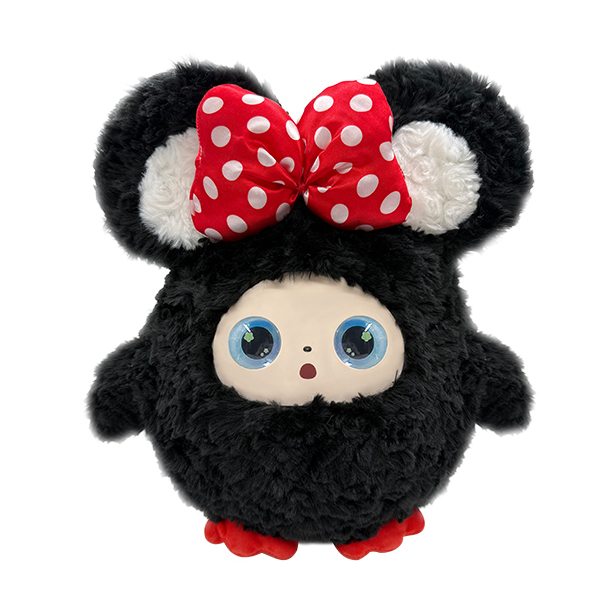
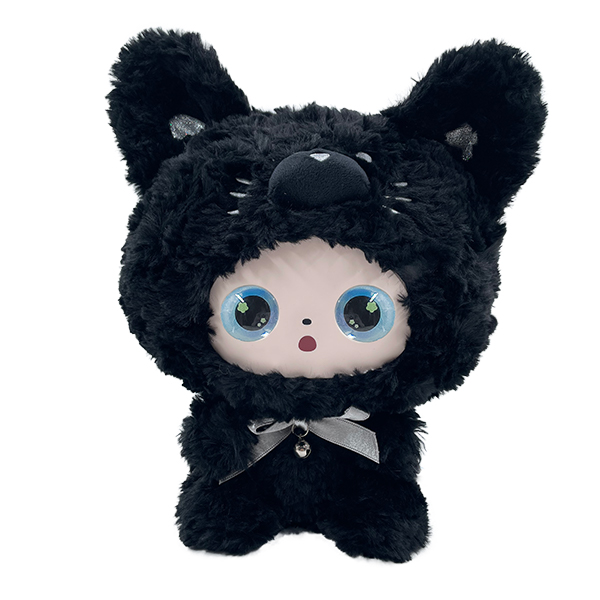
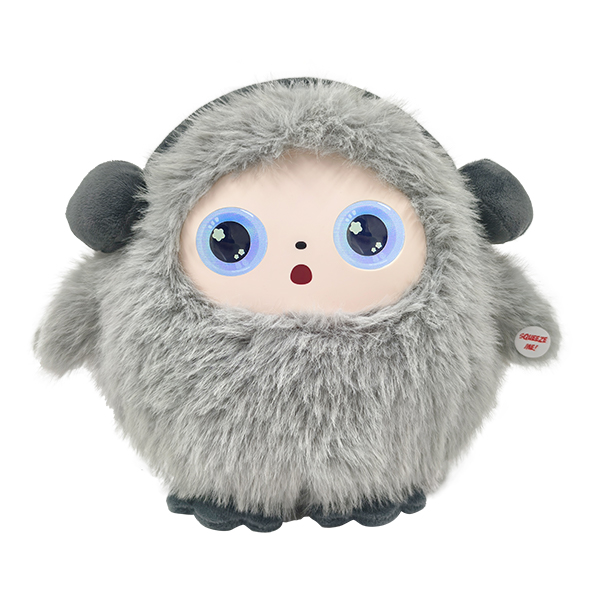
Переход от индивидуального ремесла к рыночной дистрибуции требует коренного изменения подхода к разработке, тестированию и сборке мягких товаров. Создатели и бренд-менеджеры неизбежно достигают порога объёма, при котором ручное выполнение заказов создаёт серьёзные узкие места по срокам выполнения. Опора на ручную сборку ограничивает возможности оптовой продажи и приводит к непредсказуемым затратам на единицу продукции. Это ставит перед бизнесом главный вопрос: как сохранить целостность бренда, одновременно масштабируя производство для удовлетворения растущего спроса?
Bridging this gap requires understanding specific mechanical and financial trade-offs. You must move from boutique construction to a verified production partnership. This structured approach allows you to execute reliable, compliant scaling without losing the emotional resonance of your original design. Partnering with a competent производитель плюшевых игрушек solves these fulfillment limitations. We will outline the technical shifts, compliance standards, and economic realities necessary to bring your design to the broader retail market.
- Scalability Thresholds: The transition to a commercial plush toys manufacturer becomes mathematically necessary when demand exceeds a creator’s hourly labor ceiling, typically unlocking volume-based unit cost reductions of 40% to 70%.
- Technical Replication: Achieving artisan-level aesthetic replication in mass-market runs relies strictly on digital pattern mapping (Tech Packs) and standardized industrial sewing equipment.
- Risk, Ethics & Compliance Management: Manufactured goods streamline compliance via factory-provided, globally recognized testing documentation (e.g., ASTM F963, EN71, CPC, CPSIA) and ethical labor audits (BSCI, ICTI) that individual hand-makers often struggle to afford on a per-batch basis.
- Standardizing Consistency: The core trade-off shifts from “unique individual flaws/charm” to “perfected, unvarying replication,” prioritizing safe, repeatable quality suitable for wholesale retail networks and crowdfunded fulfillment.
The Success Criteria for Scaling: Problem Framing
Specific operational triggers force the transition from independent crafting to industrial production. Sustained backorders clearly indicate that consumer demand outpaces manual output. Prohibitive artisan labor rates erode profit margins on larger wholesale orders. Valuing a crafter’s time at standard freelance rates often pushes the cost of a single handmade plush toy above a hundred dollars in labor alone. Furthermore, the physical toll of solitary production limits long-term business sustainability. Hand-cutting patterns and operating domestic sewing machines for extended hours frequently leads to repetitive strain injuries.
Large-box retailers routinely reject handmade items. They demand adequate inventory capacity and strict safety documentation. Buyers evaluate success through rigid metrics during this shift. They expect exact character proportions across thousands of units. Retaining fabric softness is non-negotiable. Driving down the marginal cost per unit ensures retail viability. Stabilizing fulfillment times keeps retail partners satisfied and protects seasonal launch windows.
Accurate terminology matters heavily during sourcing. You must differentiate true plush pile fabrics from general stuffed toy materials. Basic cottons or stiff felts behave differently than 300 GSM (Grams per Square Meter) minky fabrics. Factory sourcing agents require precise textile specifications to prevent costly misunderstandings.
The Bottlenecks of Artisan Plush Toy Design
Scaling an artisan plush toy design exposes severe physical limitations. Hand-cut patterning introduces inevitable human error. A variance of just three millimeters on a sewing line drastically alters a character’s facial expression. Non-industrial domestic sewing machines restrict material thickness capacity. Standard home equipment often struggles to penetrate multiple layers of dense pile fabric, resulting in broken needles and skipped stitches.
Manual fiberfill insertion causes distinct variations in stuffing density. Crafters push polyester fill into small limbs using hand tools. This results in some items feeling rigid while others feel hollow. These inconsistencies destroy the uniform tactile experience expected in premium retail environments.
Procurement challenges further complicate small-batch production. Sourcing boutique textiles in small yards yields unpredictable results. Crafters face the following material limitations:
- Dye-Lot Variance: Fabric colors shift noticeably between small retail batches.
- Continuity Failures: Retail fabric stores frequently discontinue specific textures.
- Volume Restrictions: Crafters lack the purchasing power to negotiate custom runs.
- Excess Scrap: Manual cutting layouts waste significant amounts of expensive yardage.
A significant emotional and logistical barrier exists between handmade charm and commercial viability. In a boutique setting, inconsistent individual variations act as a quirky selling point. In commercial retail, these variations become immediate liabilities. Wholesale buyers expect exact matches to product photos. A tilted ear or uneven leg seam leads to immediate product returns and chargebacks.
Core Differences in Production Architectures
Mapping an independent crafter’s bench against an industrial production line clarifies process deviations. We see stark differences in material waste reduction, cycle times, and efficiency gains. Factories optimize every square inch of fabric using computer algorithms. Crafters often generate heavy scrap waste due to manual pattern placement. Understanding these architectural differences validates the upfront investment in factory tooling.
| Production Phase | Independent Crafter Bench | Industrial Production Line |
|---|---|---|
| Patterning & Cutting | Hand-traced muslin, scissors or rotary blades. High variance. Heavy material waste. | CAD layout, algorithmic laser or die-cutting. Exact precision. Optimized material yield. |
| Seam Construction | Domestic sewing machines, single thread stitching. Vulnerable to seam bursting. | Multi-thread sergers, heavy-duty industrial walking foot machines. High tension tolerance. |
| Filling Mechanism | Manual hand-stuffing with raw fiberfill. Uneven density and lumpy texture. | Pneumatic blow-filling machines. Measured, uniform weight distribution. |
| Detailing & Eyes | Hand embroidery or plastic safety eyes applied manually. Risk of choking hazards. | High-tension automated embroidery. Internal mechanical lock-washers for total safety. |
| Quality Control | Subjective visual inspection. No mechanical tension testing applied. | Standardized AQL 2.5 inspections. 15-pound pull tests on all attachments. |
Decoding the Custom Plush Manufacturing Process
Сайт custom plush manufacturing process completely replaces hand-traced muslin prototypes. Factories utilize industrial CAD grading. Computer-Aided Design maps complex 3D curves onto flat geometric planes. This 3D modeling retains the character’s core aesthetic. It optimizes the shape for efficient flat-fabric cutting, removing unnecessary darts or seams that slow down mass assembly. Digital adjustments ensure symmetrical limbs and perfectly aligned facial features.
Die-cutting and algorithmic laser-cutting drive fabric replication logic. Lasers eliminate the cutting variances seen in handmade toys. The intense heat of the laser seals the edges of synthetic fabrics, preventing the material from fraying before sewing. Algorithmic nesting drastically improves eco-friendly material yields. Software tightly packs pattern pieces onto the digital fabric marker to reduce textile waste to the absolute minimum.
Mechanical filling stages replace uneven hand-stuffing techniques. Factories use precise, measured blow-filling mechanisms. Operators inject an exact gram weight of polyester fiber into each shell. The pneumatic pressure forces the fill evenly into every extremity. This guarantees uniform huggability and predictable weight distribution across production runs.
Verifying Plush Toy Sewing Quality and Structural Tolerances
Evaluating plush toy sewing quality requires comparing objective seam-burst thresholds. Domestic machine stitching often fails tension tests on load-bearing areas. A standard child can easily pull the arm off a domestically sewn toy. Commercial multi-thread sergers reinforce tension-heavy zones like limbs and necks. These industrial machines interlock multiple threads simultaneously, providing industrial-grade structural integrity. The seams stretch dynamically without breaking under pressure.
Safety detailing shifts dramatically on the factory floor. Traditional handmade safety eyes or button joints present major choking hazards for toddlers if poorly attached. Factories utilize heavy-duty internal mechanical lock-washers to secure plastic components permanently to the backing fabric. Once applied with an industrial press, these eyes cannot detach without tearing the fabric itself.
High-tension embroidering machines safely replace hand-embroidered face detailing. These multi-head CNC embroidery machines apply thousands of stitches per minute. This automated process ensures toddler-safe durability while maintaining exact facial expressions across thousands of units.
Evaluating TCO, Unit Economics, and ROI Frameworks
The transition to scale introduces strict formulaic realities regarding capital allocation. Handmade inventory requires nearly zero upfront tooling costs, relying only on a sewing machine and basic materials. However, it carries exponential per-unit labor costs as volume grows. Scaling manually guarantees diminishing financial returns.
Factory sourcing demands substantial initial capital. You must fund Minimum Order Quantities (MOQs), steel mold fees for cutting, and third-party laboratory testing fees. This upfront investment acts as a barrier to entry. However, crossing this barrier yields drastically deflated long-term per-unit pricing, transforming a low-margin hobby into a high-margin retail business.
| Cost Category | Handmade (1,000 Units) | Manufactured (1,000 Units) |
|---|---|---|
| Tooling & Molds | $0 | $300 – $500 |
| Prototyping & CAD | $0 (Sweat Equity) | $200 – $400 |
| Labor Cost Per Unit | $45.00 (Assumes 1.5 hrs @ $30/hr) | $1.50 – $3.00 |
| Material Cost Per Unit | $8.00 (Retail Pricing) | $2.00 (Wholesale Pricing) |
| Lab Testing (ASTM) | N/A (Often Skipped) | $400 (Fixed Cost) |
| Total Cost (Est.) | $53,000.00 | $4,500.00 – $6,000.00 |
The Unit Economics of Mass Produced Stuffed Animals
Outsourcing your supply chain introduces entirely new hard cost categories. Producing mass produced stuffed animals requires budgeting for multiple sample iterations and physical courier fees. You must budget for ocean freight, which fluctuates based on global shipping container demand. Import tariffs and customs clearance delays impact your landed costs. Palletized third-party logistics (3PL) warehousing replaces your home studio overhead. You transition from buying expensive retail materials to managing complex global logistics networks.
Independent artists utilize specific funding mechanisms to bridge this capital gap. Pre-order campaigns gather necessary capital before manufacturing begins. Follow these general steps to secure factory funding without assuming heavy personal debt:
- Finalize a factory-approved Golden Sample to establish accurate pricing.
- Calculate your exact landed costs, including freight, tariffs, and fulfillment postage.
- Launch a campaign on platforms like Kickstarter or BackerKit using high-quality sample photos.
- Collect funds from backers to comfortably cover the factory MOQ and shipping fees.
- Wire the deposit to the manufacturer and begin mass production with zero out-of-pocket risk.
Identifying the break-even volume threshold remains the most important mathematical exercise. You must calculate where the fixed costs of factory transition generate a positive return on investment. This threshold usually hits rapidly when comparing factory costs against contracting secondary hand-sewers. Managing domestic sourcing agents quickly becomes more expensive and chaotic than funding a streamlined overseas factory run.
Safety Compliances and Mitigating Implementation Risks
Modern retail spaces enforce rigorous barriers to entry. You must prove objective safety for items designated for specific age brackets. Major retailers require documented compliance to legally protect their brand from liability. Handmade items rarely carry the necessary laboratory certifications to clear these legal hurdles, severely limiting their distribution potential.
Testing Standardization in Scaled Plush Toy Production
A solo artisan faces massive challenges validating a toy to ASTM F963 or CPSC requirements. Laboratory testing often costs hundreds of dollars per variation. Generating compliant tracking labels adds heavy administrative burden. Scaled plush toy production handles this compliance natively. A structured factory supply chain manages chemical fabric analyses to ensure textiles contain zero heavy metals or banned phthalates.
Factories perform standardized tension pulling and flammability tests to secure Children’s Product Certificates (CPC). They provide detailed tracking labels stitched directly into the product, meeting federal requirements instantly. You avoid the legal peril of placing untested products into the hands of infants.
Production handoffs introduce severe implementation risks. IP loss or prototype degradation ruins product launches. You must mitigate these risks before wiring any production deposits. An ironclad Non-Disclosure Agreement (NDA) legally protects your character design. Exact Pantone specification prevents unapproved color drift. You must establish strict finalization protocols. Mass production never begins until you physically sign off on the master prototype.
Partnering with certified factories protects your broader brand reputation. You must aggressively evaluate ethical labor and sustainability certifications. Prioritize facilities holding BSCI, ISO, or Sedex compliance documents. These routine independent audits guarantee safe working conditions and fair wages. They eliminate the PR risks traditionally associated with unverified overseas manufacturing.
Establishing the StuffPlush Evaluation Standard
Connecting the theoretical framework of scaling directly to implementation standards separates amateur projects from professional retail lines. Reputable partners prioritize high-quality tactile feedback. They demand ethical assembly practices and absolute supply chain transparency. Selecting the right partner dictates your brand’s future trajectory and profitability.
Aligning with a strategic manufacturing entity offsets the fear of generic corporatization. A factory committed to merging art with joy understands aesthetic nuance. They view your technical pack as a creative blueprint, not just a numerical manufacturing quota. This specialized mindset preserves the warmth and personality of your original handmade design.
Achieving “Handmade Comfort” with Industrial Execution
Strict criteria for fabric curation ensure a premium, boutique feel. We specify industry-leading plush, minky, or specialized pile fabrics with appropriate GSM ratings. These advanced textiles combine with proprietary safety assembly techniques. The result delivers safe cuddling companions suitable for infants to adults. The industrial product feels just as soft, if not softer, than the handmade original.
Commercial runs can easily preserve the elevated boutique experience. Factories integrate custom branded elements directly on the assembly line. They attach woven tush tags featuring your logo and custom-designed hangtags outlining the character’s story. Products ship in branded dustbags rather than cheap polymailers. These meticulous finishing touches maintain a high perceived artisan value while utilizing mass-market efficiency.
Specifying standardized parameters across entire product lines preserves artistic integrity. Intricate character structures and pillow designs must survive standard logistical stressors. Vacuum sealing and ocean transit severely compress synthetic fibers. Proper industrial engineering ensures the toy rebounds to its exact, unwrinkled shape within hours of unboxing by the end consumer.
Заключение
Scaling your plush toy production moves your business from a labor-intensive hobby to a sustainable retail enterprise. Manufactured goods democratize access to your designs, allowing thousands of fans to experience your brand simultaneously. Follow these actionable next steps to initiate your transition into mass production:
- Document your physical prototype into a standardized digital tech pack, detailing exact Pantone colors, fabric types, and dimensional ratios.
- Verify factory compliance credentials by requesting recent BSCI audit reports and historical Children’s Product Certificates for similar soft goods.
- Order a physical prototype from the manufacturer to test their ability to translate your design before committing to bulk order minimums.
- Launch a pre-order campaign to finance initial tooling, molds, and ocean freight costs without assuming unnecessary personal debt.
- Contact a production strategist at StuffPlush with your existing design to map your volume threshold and schedule an exact feasibility review.
ЧАСТО ЗАДАВАЕМЫЕ ВОПРОСЫ
Q: At what order volume should I transition from making plush toys by hand to a plush toys manufacturer?
A: Scaling is generally mandated when forecasting requires moving over 500 to 1000 identical units monthly. Launching a crowdfunding campaign also requires factory support. This volume achieves competitive retail profit margins and covers baseline tooling requirements.
Q: Will my design lose its unique character during scaled plush toy production?
A: Exact specification through multi-iteration prototyping and CAD grading ensures over 95% aesthetic replication. It tightens structural symmetry. The soul of the design is preserved, while unintended physical flaws are permanently eliminated.
Q: Are mass produced stuffed animals as safe for young children as handmade variants?
A: Reputable mass production yields much safer products. Factories implement internal mechanical seam-tension testing and heavy-duty embroidery. They utilize CPSC-certified lab auditing to yield CPCs, which are not readily affordable to independent hobbyists.
Q: What factors influence plush toy sewing quality on a production line?
A: Technical inputs drive consistent quality. Specific commercial needle sizing, multi-thread industrial sergers, and structured worker specialization ensure tight tolerances. Operators focus on singular seam responsibilities, vastly outperforming start-to-finish solitary crafting.
Q: How do independent artists fund the transition to custom plush manufacturing?
A: Creators heavily utilize pre-order models or crowdfunding platforms like Kickstarter. This gathers the capital required for factory Minimum Order Quantities. It allows artists to cover sampling, tooling, and freight costs without heavy personal debt.
Q: Can an artisan plush toy design be translated into a high-quality stuffed pillow or companion shape?
A: Yes. CAD flat-pattern modeling mathematically restructures unique handmade designs. It supports the wider surface areas and denser filler properties required for companion items. This resizing process occurs without distorting the key art parameters.
Q: How does the custom plush manufacturing process account for exact color matching?
A: Factories utilize custom industrial dyeing. They match fabrics using direct Pantone fabric color library indices. This rigid system avoids the boutique textile dye-batch inconsistency commonly found in small fabric retail purchases.