 Russian
  English
  German
  French
  Korean
  Spanish
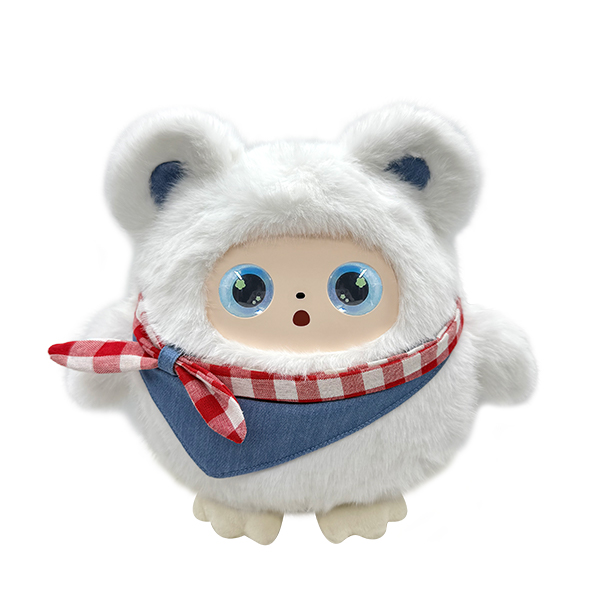
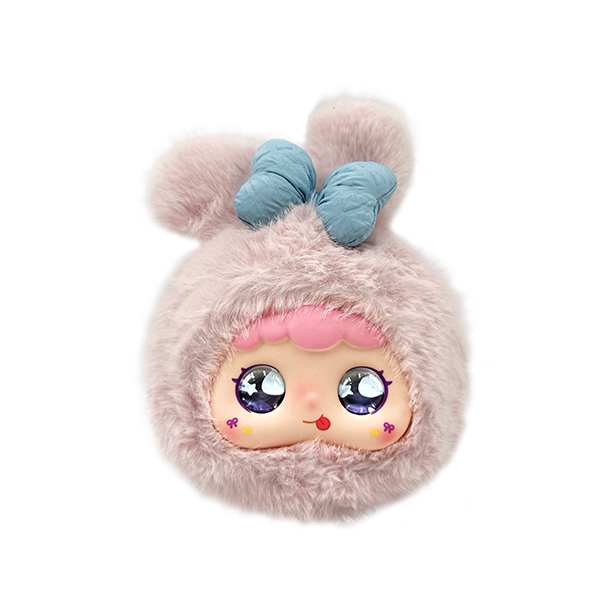
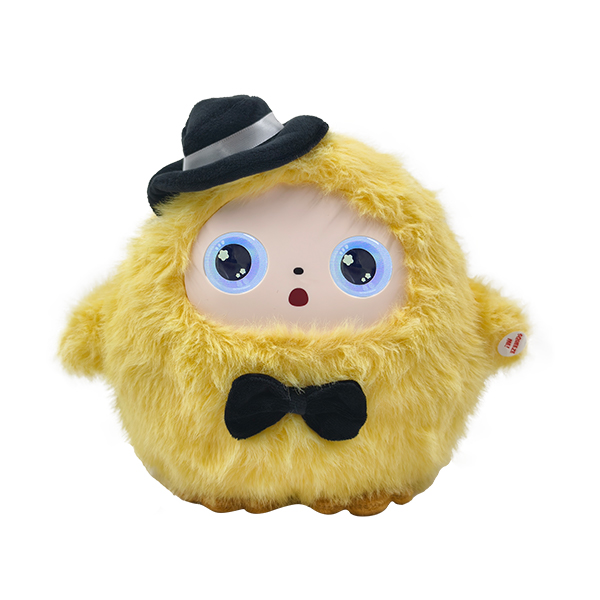
Sensory plush toys look almost identical to ordinary soft toys, which is exactly why so many parents buy the wrong one. The difference is not in how they look but in what they do when touched: pile depth, fabric texture, filling behavior, weight distribution, and the presence or absence of small interactive features all change the tactile experience. For a child who seeks out texture or one who is overwhelmed by it, those differences decide whether a toy gets used daily or abandoned in a corner. This guide explains what makes sensory plush toys different, how materials map to specific sensory needs, what to check before buying, and how to set realistic expectations. If you already know what you want and simply need it in volume or in a custom design, see the custom plush manufacturer side of the process and browse our чучела животных range for reference.
What Counts as a Sensory Plush Toy
Not every soft toy is a sensory toy, and the term is used loosely in retail. A useful definition: sensory plush toys are soft toys deliberately engineered so that the tactile experience is the point, not a side effect.
Three design elements separate sensory plush toys from standard plush.
Texture variety. Rather than one fabric across the whole body, sensory designs often combine surfaces: a smooth velboa belly, a ribbed corduroy paw, a nubby minky ear, a satin tag. The contrast is what gives the child something to explore.
Predictable resistance. How a toy gives under pressure matters. Firm, springy filling pushes back and provides feedback. Loose overstuffed filling squashes flat and provides none. For sensory plush toys, that feedback loop is the entire point.
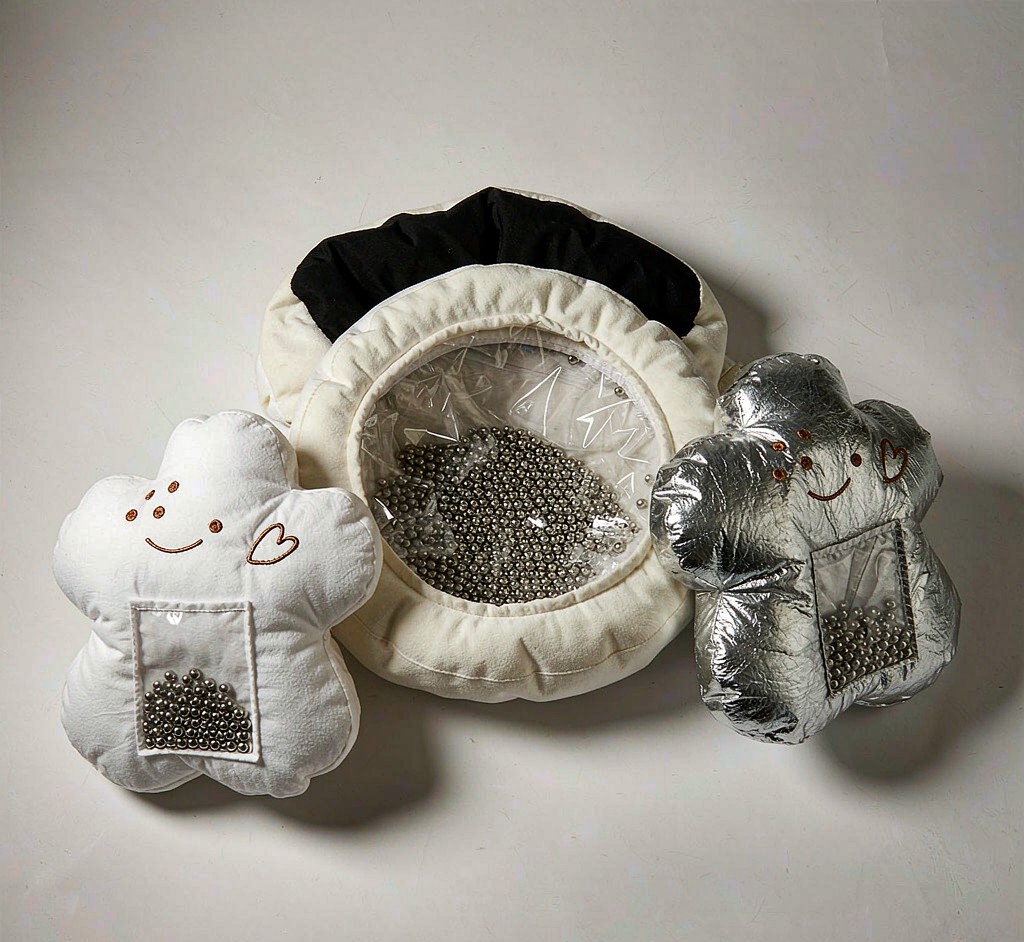
Deliberate weight where it helps. Some designs place weighted beads in the limbs, base, or body. The weight changes how the toy sits, how it feels in the lap, and how much effort it takes to move.
Interactive details, safely attached. Zippers with fabric pulls, quiet crinkle panels, looped ribbons, or textured patches. Critically, every added component has to survive pull testing — which is where cheap sensory toys fail most often.
Why Tactile Input Matters
Occupational therapists describe sensory processing as the way the nervous system takes in, organizes, and responds to input from the body and the environment. Some children seek out more input; others avoid it. Touch is one of the most accessible channels because it is available instantly, without equipment and without another person’s help.
That is the logic behind sensory plush toys: they put a controllable, portable, no-batteries tactile option in a child’s hands. The best sensory plush toys give a child agency over the input, which is the part that matters most.
Two cautions belong here, and they are not disclaimers so much as practical guidance. First, sensory plush toys are comfort and play objects, not medical devices or treatments. Second, no toy replaces assessment and support from a qualified professional. Good toys support a plan; they do not constitute one.
Sensory Plush Toys for Autism: What to Look For
Among the most common reasons parents search for sensory plush toys for autism is a need for a calming object that travels well — one that works in a car, in a classroom, at a relative’s house, without drawing attention.
Four features tend to matter most.
Consistent texture without surprise. Predictability is calming. A toy whose entire surface feels the same is often preferred over a mixed-texture design, because there is nothing unexpected to encounter. Counterintuitively, some of the most effective autism-oriented designs are the simplest: one fabric, one filling density, no extra parts.
Deep pressure rather than light touch. Light, tickly contact is often aversive. Firmer, heavier contact is often regulating. This is why sensory plush toys with a heavier build appear frequently in this category.
No noise, or fully controllable noise. A crinkle panel that cannot be silenced is a problem. When a toy makes sound, the child should be able to choose when.
Familiarity over novelty. The same object used repeatedly builds a reliable association. A toy that gets rotated out loses much of its value, so buy one and let it become the object rather than buying five.
| Sensory need | Design feature that helps | What to avoid |
|---|---|---|
| Seeks deep pressure | Weighted body or base, firmer filling | Very light, airy toys |
| Seeks texture | Mixed fabrics, ribbons, nubby pile | Uniform smooth surfaces only |
| Avoids light touch | Single consistent fabric, dense pile | Tickly fur, loose surface fibers |
| Easily overstimulated | Muted colors, no sound, no moving parts | Crinkle panels, flashing or noisy add-ons |
| Needs oral or hand input | Firm limbs, attached fabric tags | Small detachable pieces |
Sensory Stuffed Animals for ADHD
Sensory stuffed animals for ADHD serve a slightly different function. Where a calming object helps a child settle, a fidget-friendly object helps a child stay engaged — something for the hands to do while attention is directed elsewhere.
For this use case, the useful features are different.
Something to manipulate without disassembly. A zipper, a loop, a ribbon, or a textured patch gives the hands a repetitive task. The design goal is satisfying resistance and no loose parts.
Firm, shape-retaining limbs. Limbs that hold their form can be squeezed, twisted gently, and folded — providing continuous tactile feedback. Loose filling collapses and stops providing feedback after a few squeezes.
Portability with a clip. Sensory plush toys for ADHD are often carried, dropped, and re-found. A keychain-format plush or a toy with a loop attachment survives school bags far better than a large loose plush.
Weight that stays put. A weighted base keeps the toy resting in the lap instead of sliding off, which matters for children who fidget without thinking about it.
Materials That Deliver the Right Sensory Profile
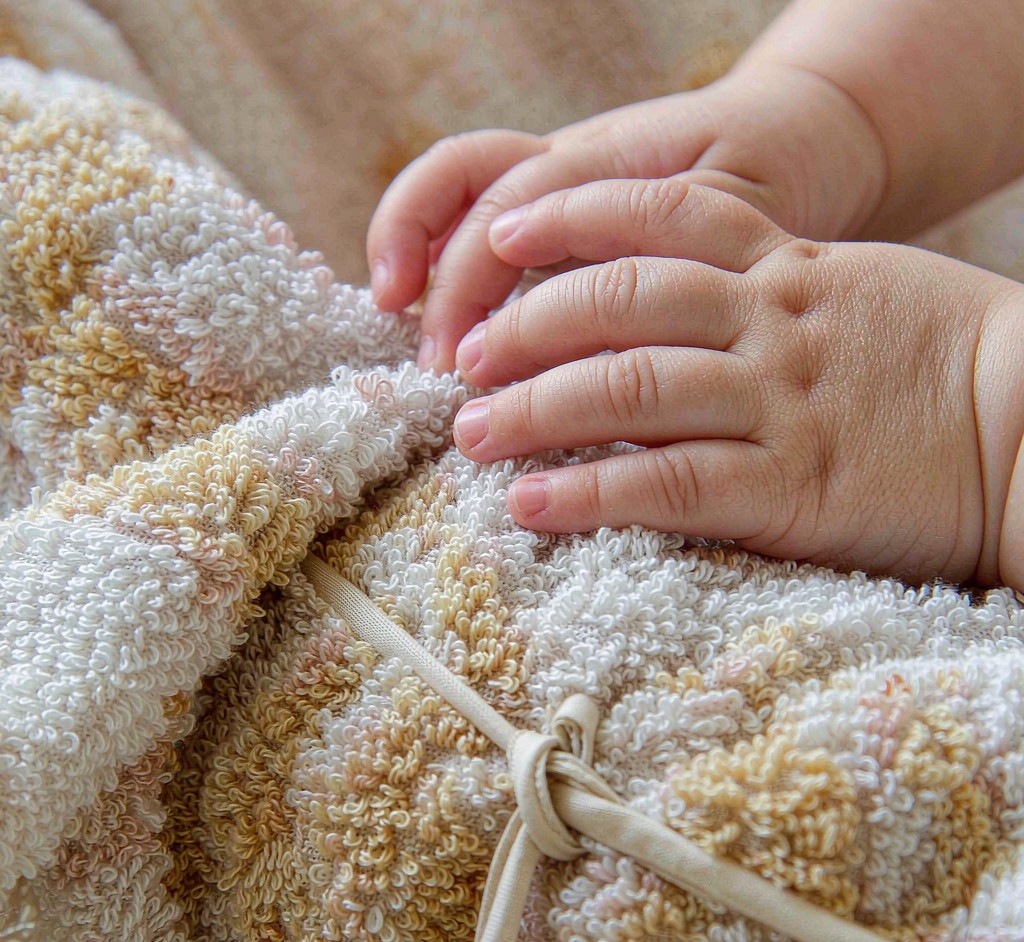
Fabric choice is the single most consequential decision in a sensory plush program, and it is also where the widest gap exists between what looks appealing in a product photo and what actually works in the hand.
| Ткань | Tactile character | Sensory use |
|---|---|---|
| Minky | Fine dotted texture, silky, warm | Calming stroking, preferred by texture seekers |
| Crystal velboa | Very short, smooth, uniform pile | Predictable surface for children who avoid surprises |
| Standard plush | Classic fuzzy, medium pile | General comfort toys |
| Corduroy / ribbed fleece | Raised parallel ridges | Scanning and tracing, strong tactile contrast |
| Sherpa fleece | Fluffy, dense, wool-like | Deep softness, deep-pressure pairing |
| Faux fur (long pile) | Long, loose, high-volume | Avoid where light touch is aversive |
| Cotton canvas accents | Firm, low-stretch, dry feel | Gripping, pulling, fidget loops |
Filling matters just as much as the outer fabric, and it is the parameter most often ignored. Fine-denier fiber gives a soft, cloud-like feel that compresses easily; coarser fiber springs back and provides stronger resistance. For sensory plush toys, the resilient option is usually the better one, because a toy that stops responding to pressure stops being used.
Weighted Sensory Plush: Getting the Weight Right
Weight is the feature most associated with sensory plush toys, and the one most commonly miscalculated.
The general principle is that a weighted object should be heavy enough to be felt and light enough to be moved by the child without strain. Very young children should not be carrying heavy objects, and no plush toy should ever be used as a sleeping aid over an infant’s face or body.
Practical placement matters more than total weight. Beads distributed through the base and limbs create a settled, grounded feel; beads packed into a single central mass create a hard lump. For younger children, a modestly weighted base is usually the right compromise — enough to keep the toy stable in a lap, not enough to make it difficult to lift.
Weight should also be secured. Loose bead fill can migrate through seams over time, creating lumps and, worse, weak points. In a properly built weighted plush, the beads sit inside a sealed inner liner that is separate from the outer stuffing, and that liner is stitched into the structure rather than left floating.
Fidget and Interactive Features: Small Design, Big Effect
Interactive details are what separate a pleasant toy from a useful one, and they are also the highest-risk element in sensory plush toys.
Design features that work well include fabric zippers with attached pulls, ribbon loops sewn flat at both ends, crinkle film sealed inside a fabric channel, textured appliqué patches, and elastic loops sized for a single finger. What these share is that nothing can be removed — every element is either sewn through or enclosed.
Design features that cause problems include button eyes on toys aimed at young children, loose ribbons tied in bows, glued-on decals, plastic clips that can be pulled free of stitching, and anything magnetic. These are frequently the reason a budget sensory toy ends up recalled or withdrawn from a nursery.
The practical test is simple: grip each added element and pull firmly. If the design’s integrity depends on a single stitch line or a glued joint, redesign it before production rather than after.
Safety: The Non-Negotiables
For the children most likely to use sensory plush toys, safety margins need to be wider, not narrower.
Standard compliance. Toys for the United States must meet ASTM F963 and CPSIA requirements; the European market requires EN71 and CE marking. Compliance is documented through third-party lab testing, not asserted on a label.
No small parts for young children. Under three, detachable components of any kind are a choking hazard. Embroidered features are the safe default.
Seam integrity. Sensory toys get squeezed far more than ordinary ones. Reinforced seams, higher stitch density, and high-tensile thread are not premium extras in this category; they are baseline requirements.
Washability. A comfort object gets dirty and needs cleaning without losing its structure or its texture. Confirm the toy survives repeated washing before you buy multiples.
No loose fill. Beads, pellets, and fiber must be sealed inside an inner liner so that a compromised seam cannot release filling.
Best Sensory Toys for Toddlers: Age-Appropriate Choices
Age changes what sensory plush toys should be, and buying for the wrong stage is the most common mistake parents make.
| Age band | Useful features | Safety priority |
|---|---|---|
| 0–12 months | Single soft fabric, no small parts, washable | Embroidered features only, no loose ribbons |
| 1–3 years | Textured patches, firm limbs, quiet crinkle | Seam strength, no detachable parts |
| 3–6 years | Fabric zippers, loops, moderate weight | Pull-tested attachments, size above choke hazard |
| 6–10 years | Fidget loops, keychain format, portable weight | Attachment durability under daily use |
| 10+ and teens | Discreet design, firm squeeze resistance | Aesthetic acceptability, no juvenile styling |
The last row is the one most often overlooked. Older children and teenagers benefit from tactile input as much as younger ones, but they will not carry a pastel bear. For sensory plush toys aimed at this age group, the design brief is closer to stationery than to toys: small, neutral, and quiet.
Cleaning and Long-Term Care
Sensory plush toys are used harder than display toys, so care instructions should be planned into the design rather than added afterward.
Surface washing handles most routine cleaning: a damp cloth with mild soap, working with the pile rather than against it, then air drying away from direct heat. Machine washing should be limited and only on designs validated for it, since agitation compresses filling and stresses seams. Weighted pieces deserve particular care — moisture inside a bead liner is difficult to remove and can lead to mildew.
Texture degrades before fabric wears through. Pile flattens with handling, and once it flattens the tactile profile changes, which is often the point at which a child loses interest. Rotating between two identical toys extends the useful life of the pair considerably, provided the child accepts the substitution.
What This Category Is Not
Honesty serves buyers better than marketing here, so a few statements belong in any serious guide to this category.
Sensory plush toys are not treatments for autism, ADHD, or any other diagnosis. They are comfort and play objects that some children find helpful. They are not regulated medical devices. They do not replace therapy, assessment, or professional support. And they do not work the same way for every child — an object that regulates one child may irritate another.
What they can legitimately claim is narrower and still valuable: a well-designed sensory toy gives a child a portable, self-directed way to seek comfort or discharge restlessness, without screens, batteries, noise, or adult intervention. That is a real benefit. It is just not a clinical one, and products that blur the line invite both disappointment and regulatory trouble.
Custom Sensory Plush Programs for Brands and Clinics
For brands, clinics, and autism-focused organizations, sensory plush toys are a demanding product line — the specifications are tighter than general plush and the consequences of a design failure are higher.
StuffPlush is a custom plush manufacturer with 15+ years of OEM and ODM experience, running cutting, embroidery, sewing, stuffing, and assembly under one roof for global brands including Disney, Target, McDonalds, and Primark. Sensory builds are a natural fit for in-house production, because texture consistency, seam reinforcement, sealed bead liners, and pull-tested attachments are all engineering decisions made on the line rather than on a spec sheet. We build every order to ASTM, CPSIA, EN71, and CE standards. Review comparable programs in our плюшевые подушки и чучела животных ranges, or explore smaller formats in our плюшевые брелоки collection.
Часто задаваемые вопросы
What are sensory plush toys? Sensory plush toys are soft toys designed so that the tactile experience is the main purpose. They combine deliberate fabric textures, predictable filling resistance, and often a controlled amount of weight, plus safely attached interactive details such as fabric zippers, loops, or textured patches. The design goal is a toy a child can use independently for comfort or regulation.
Are sensory plush toys good for autism? Many children on the autism spectrum find a consistent, portable tactile object helpful for calming, particularly when it provides firm rather than light pressure. Preferences vary widely, and some children prefer a single uniform texture while others seek contrast. These toys are comfort objects, not treatments, and they do not replace professional support.
What is the best weight for a weighted sensory plush? The weight should be enough to be felt and light enough for the child to move without strain. Placement usually matters more than total weight: distributing weight through the base and limbs feels settled and grounded, while a single heavy central mass feels like a lump. Weighted toys should never be used as a sleep aid for infants or placed over a baby’s face or body.
Which fabrics work best for sensory stuffed animals? Minky is popular for calming stroking because of its fine dotted texture, crystal velboa suits children who prefer a smooth predictable surface, and corduroy or ribbed fleece works well for tactile scanning. Long-pile faux fur should be avoided where light touch is aversive. Filling resilience matters as much as the outer fabric.
Are sensory plush toys safe for toddlers? They can be, provided the design has no detachable components, uses embroidered rather than plastic features, and has reinforced seams. Toys for children under three must not contain small parts, and any added element such as a loop or zipper pull must survive pull testing. Confirm ASTM F963 and CPSIA compliance for the US market.
How do I clean sensory plush toys without ruining the texture? Surface clean with a damp cloth and mild soap, moving with the pile direction, then air dry away from direct heat. Machine wash only designs validated for it, since agitation flattens filling and stresses seams. Weighted pieces need extra care because moisture trapped inside a bead liner is difficult to remove.
Заключение
Choosing sensory plush toys comes down to matching three variables to one child: texture, resistance, and weight. Get those right and the toy becomes something a child reaches for on their own; get them wrong and it becomes another soft object in a toy box. Buy one good piece rather than five average ones, confirm the safety basics, and expect the toy to be a comfort object rather than a cure — that framing leads to far better decisions.
If you are buying for a child, start with a single well-specified piece and let the child tell you what works. If you are specifying a product line, the texture and seam engineering is the part that decides whether it holds up. Explore our плюшевые подушки, плюшевые рюкзаки, talking plush toys, и плюшевые игрушки для праздников ranges for format reference, read more on About StuffPlush, or send a specification through our страницу контактов to start a sensory build.