 Russian
  English
  German
  French
  Korean
  Spanish
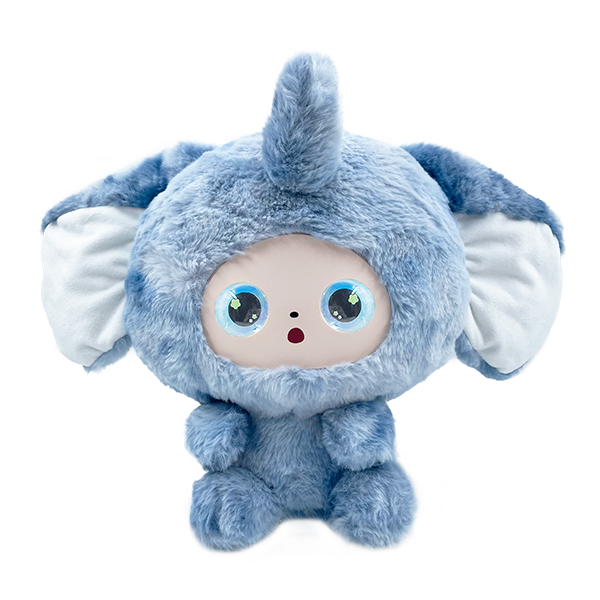
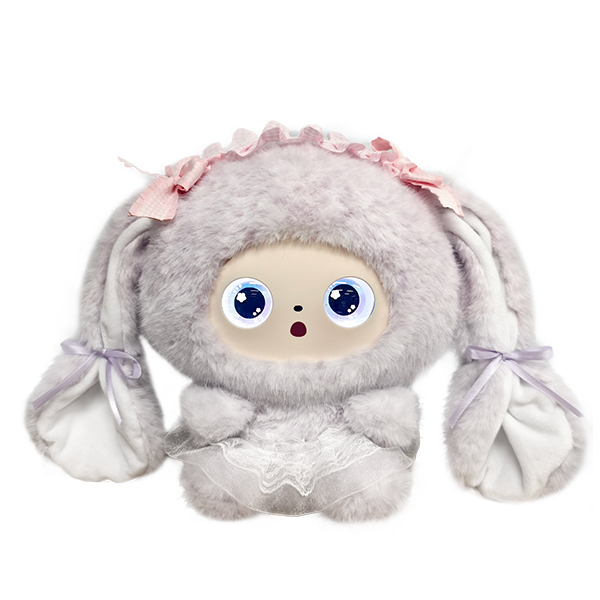
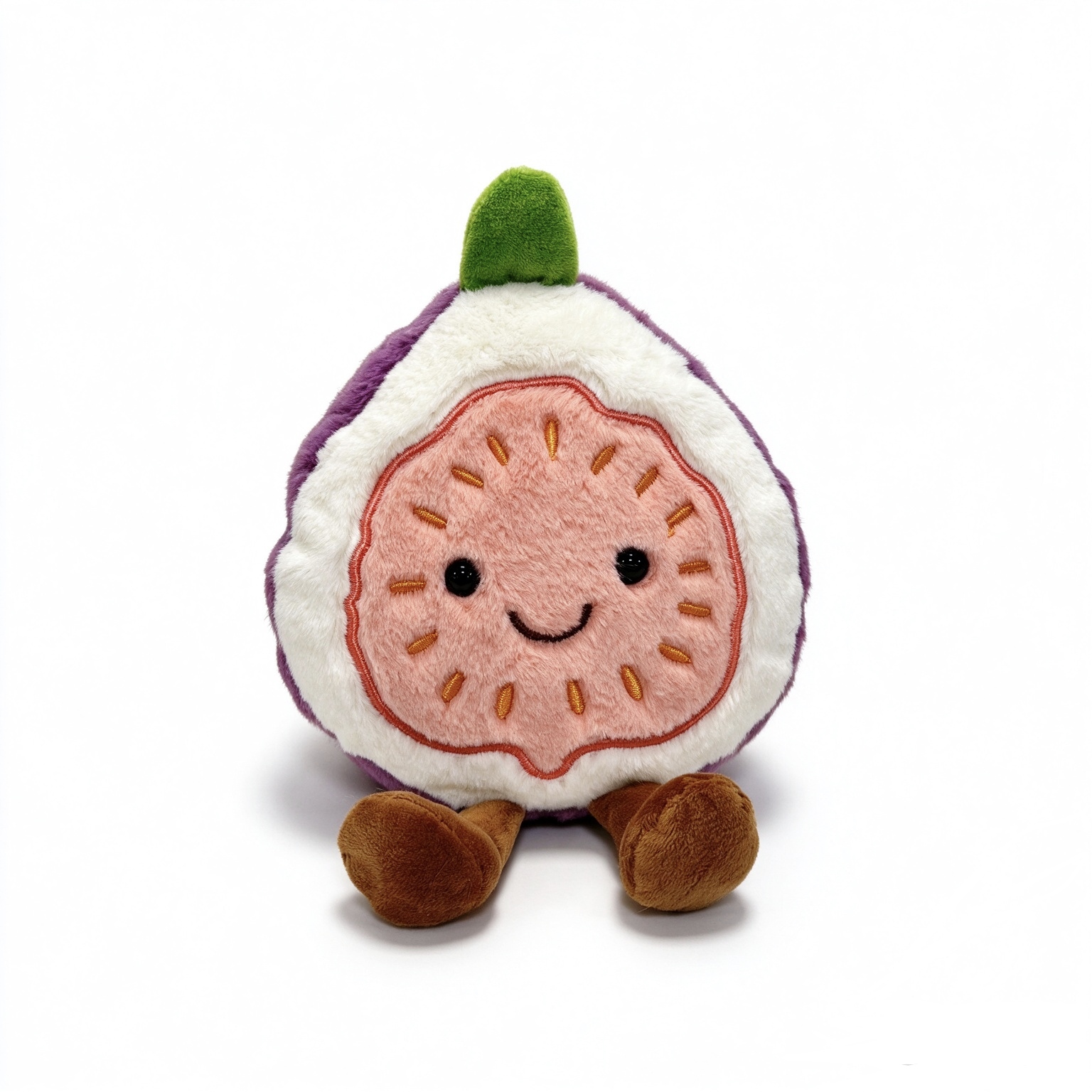
As we age, comfort, companionship, and emotional support matter as much as physical care. Plush toys for elderly people have become a recognized part of senior care, offering a soft, huggable presence that eases loneliness, reduces anxiety, and even helps people with dementia feel calm and connected. Many families and care homes now use cuddly toys as a gentle, non-pharmacological way to support wellbeing — and the research behind it is real. This guide explains the benefits, how to choose the right companion, and how to introduce it with dignity and care. Start by exploring our чучела животных и плюшевые подушки ranges to see the quality and softness that make plush a comfort object for every age.
Why Plush Toys Help Elderly People
Loneliness is one of the hardest challenges of aging, especially for those living alone or in care homes. Plush toys for elderly people provide a comforting, non-judgmental presence that eases isolation. Plush toys for elderly relatives are not about making someone feel childlike — they are about meeting a genuine need for comfort and connection. The tactile experience of holding or stroking something soft can reduce stress and anxiety, and the simple act of caring for a companion — talking to it, brushing its fur, tucking it in — can restore a sense of purpose that daily life no longer offers.
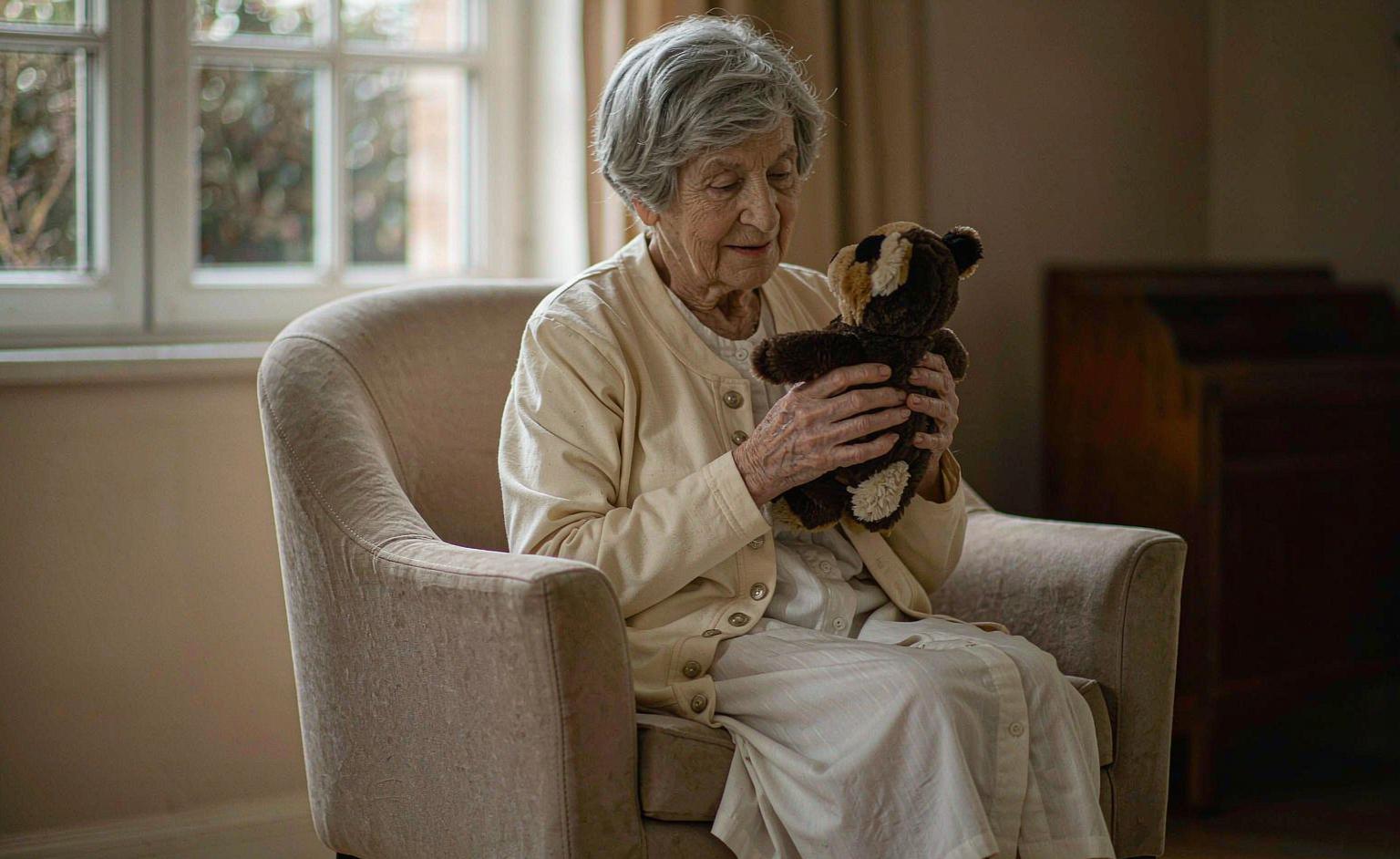
For seniors with dementia, the benefits are particularly notable. Plush toys for dementia tap into deep emotional needs that remain even when language and memory fade: the need to nurture, the comfort of familiar softness, and the security of a stable, predictable presence. Holding a soft toy can calm agitation, reduce restlessness, and sometimes unlock conversation in people who rarely speak.
The Comfort Doll Approach in Senior Care
What is often called “doll therapy” in professional care uses lifelike dolls or soft toy animals to support people with dementia. For families exploring плюшевые игрушки для пожилых людей relatives, understanding how comfort dolls work helps set realistic expectations. It is not “playing with a toy” — it can have therapeutic benefits, promoting relaxation and feelings of comfort and pleasure. Comfort dolls for seniors work through several mechanisms:
- Nurturing instinct. Caring for a companion meets a deep human need. Even in advanced dementia, this need often remains strong.
- Reminiscence. A soft animal may remind someone of a childhood toy, a beloved pet, or the experience of raising children, evoking warm memories.
- Communication bridge. People who struggle to speak may talk to, about, or around their companion, reconnecting with family and caregivers.
- Calming focus. During “sundowning” — the evening confusion and anxiety common in dementia — a familiar soft object can ease distress.
- Renewed purpose. Feeding, brushing, wrapping, and putting a companion to bed creates meaningful daily activity.
Studies of non-pharmacological interventions have shown that comforting sensory objects can significantly reduce agitation and anxiety in people with dementia. Some care homes report fewer aggressive or restless behaviors after residents begin using plush companions. That said, responses vary — some people love them, others do not — and the approach should always follow the individual’s lead.
Choosing the Right Plush Toy for a Senior
Not every plush works for every person. Choosing плюшевые игрушки для пожилых людей relatives starts with the individual’s history, interests, and sensory needs in mind:
- Past interests. A senior who loved dogs may find a soft plush dog deeply comforting; one who loved teddy bears as a child may respond to a classic bear. Personalized choices that echo a past pet or hobby are often the most powerful.
- Sensory needs. Soft, strokable fabric matters. Some seniors benefit from a weighted plush that provides gentle deep-pressure comfort — the same principle as a weighted blanket — while others prefer a light, portable companion.
- Size and weight. A lap-sized companion (roughly 30–45 cm) is easy to hold and does not overwhelm. Heavier plush can be calming, but only if the person can manage the weight comfortably.
- Safety first. No loose parts, no hard or sharp elements, no long ribbons, and machine-washable or surface-cleanable fabric. For elderly users with fragile skin, soft seams and non-irritating materials are important.
- Familiarity over novelty. Therapeutic sensory stuffed animals with gentle textures can stimulate touch and sight, but familiar designs usually engage better than unfamiliar ones.
Companion plush toys for elderly people should be chosen for the person, not the caregiver’s taste. When a choice is offered — several options laid out for the senior to pick from — engagement is far more likely. This quick comparison helps match the companion type to the senior’s needs:
| Companion type | Лучше всего подходит для | Key feature |
|---|---|---|
| Classic plush animal | General comfort, familiarity | Soft, familiar shape |
| Weighted plush | Anxiety, restlessness | Gentle deep-pressure comfort |
| Comfort doll | Nurturing instinct, dementia | Lifelike, huggable |
| Sensory plush | Tactile engagement | Varied textures |
| Pet-style plush | Reminiscence | Resembles a past pet |
How to Introduce a Plush Companion Respectfully
Dignity is the most important part of this process. Some families worry that giving an adult a soft toy seems childish; handled well, it is simply meeting an emotional need in a safe, gentle way. Practical guidance from dementia care experts:
- Introduce gradually. Place the plush on a chair before the person enters the room and let them notice it in their own time.
- Never force it. If the person shows no interest, try another day — some people simply do not engage, and that is fine.
- Follow their lead. If they call it a baby or a pet, let it be that; if they treat it as a friend, let it be that. Avoid labeling it yourself.
- Encourage gently. Phrases like “Would you like to pick it up?” or “Shall I put it on your lap?” invite without pressure.
- Involve family. Grandchildren often connect with the senior through the companion, creating shared moments of play and storytelling.
When a senior engages voluntarily and seems to benefit, the companion can become part of their care plan. In group settings such as care homes, never assume every resident will find it helpful — assess each person’s needs individually.
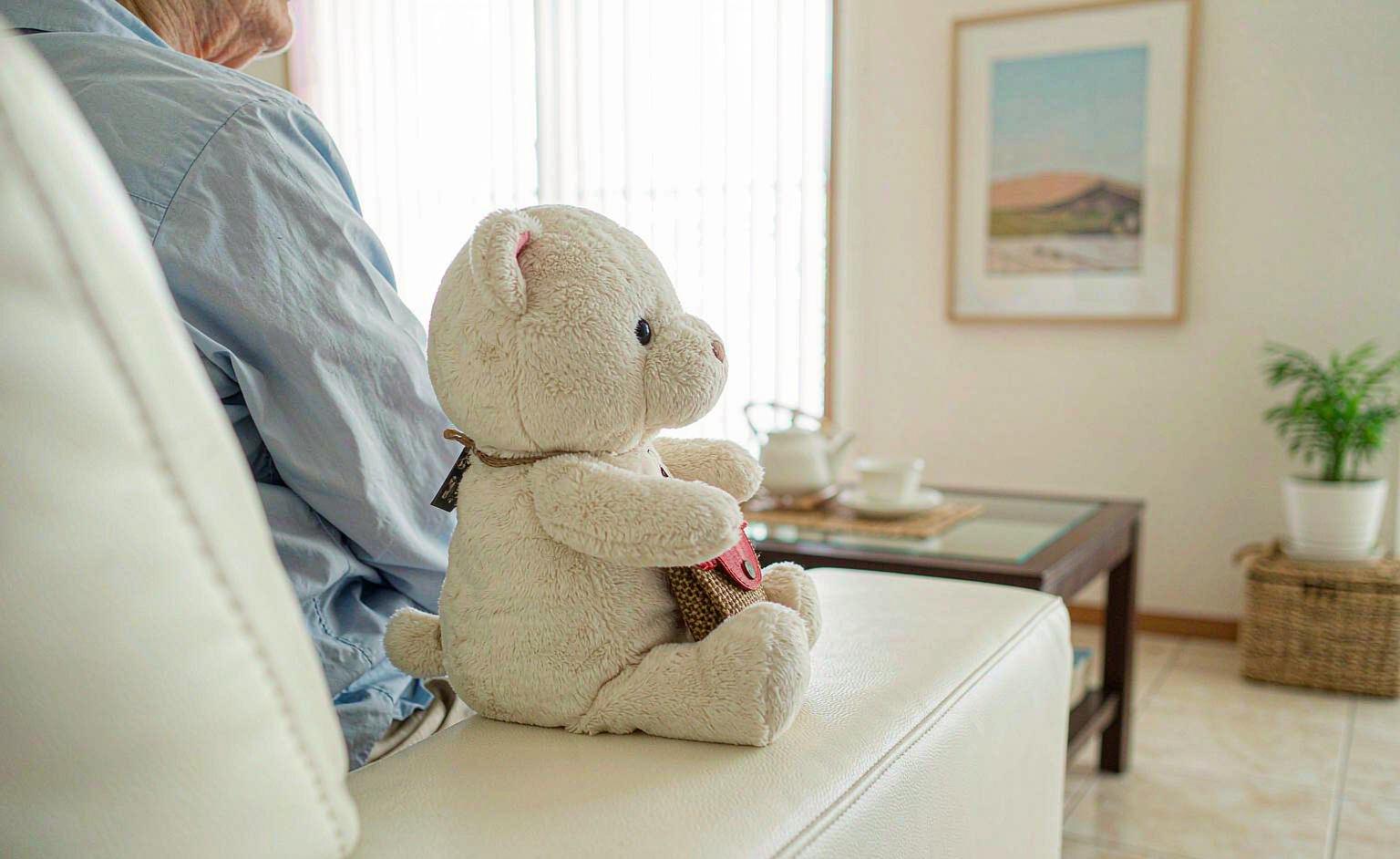
Can Plush Toys Reduce Anxiety in Seniors?
Holding something soft can calm the nervous system through soothing tactile input, and the sense of companionship it provides can ease feelings of being alone. For many seniors, a well-chosen plush toy for elderly comfort is genuinely calming. For seniors with dementia, plush companions are widely used to reduce agitation, restlessness, and nighttime anxiety, and to establish a calming bedtime routine. Some people find comfort from weighted plush designs, where gentle pressure mimics the feeling of being held.
The honest answer: plush toys are a complement, not a treatment. They support emotional wellbeing and can reduce distress for many people, but they work best alongside proper medical care, personal connection, and professional support. They are not a substitute for treatment of depression, anxiety, or dementia.
Practical Care and Hygiene
A senior’s plush companion will be held, hugged, and possibly carried everywhere — hygiene matters, and плюшевые игрушки для пожилых людей people need a care routine that fits their daily life:
- Choose machine-washable fabric where possible and wash gently with fragrance-free detergent.
- For plush that cannot be machine washed, surface clean with mild foam and air out regularly.
- Inspect seams and features regularly; repair small tears promptly so loose parts never become a risk.
- Have a backup companion so one can be cleaned while the other stays close.
Above all, choose плюшевые игрушки для пожилых людей relatives the way you would choose any care item: with their comfort, safety, and dignity in mind. A good plush toy for elderly companion is one the person actually reaches for — and that alone tells you it is working.
Small плюшевые брелоки или плюшевые игрушки для праздников can serve as lightweight travel companions that are easy to clean and carry — practical additions for outings or hospital stays. The same talking plush toys technology used in children’s ranges can, in some cases, add gentle interaction for seniors who enjoy sound.
Plush Toys for Seniors Living Alone or in Care Homes
For a senior living alone, a plush companion offers a constant presence that no phone call can replace. Plush toys for elderly people who live independently give them something to hold, talk to, and care for — small rituals that ease the quiet hours and give the day a gentle structure. Plush toys for seniors in care homes serve the same role within a community setting, where staff can offer them as a calming activity or a focus during restlessness, always respecting the resident’s choice.
Care homes increasingly integrate plush toys for dementia into activity programs alongside music, reminiscence, and gentle exercise. A sensory stuffed animal with varied textures can engage sight and touch during quiet time, while a familiar-shaped companion invites conversation. Plush toys for elderly residents work best when the choice is theirs: offer a few options, let the person decide, and never assume a single design suits everyone. When engagement is voluntary, the companion becomes part of the routine — a small source of stability, comfort, and purpose in a changing world.
Families can support this process at home. Choose a washable, soft, safe design, place it somewhere the senior will notice naturally, and let the bond develop at its own pace. If a parent or grandparent responds warmly, encourage small acts of care — brushing the fur, wrapping it in a blanket, finding it a place to sit — because those tiny rituals are exactly what restore a sense of purpose. And if there is no interest, try again another day with a different design; the goal is always comfort, never obligation.
Часто задаваемые вопросы
Are plush toys good for elderly people? Yes, for many seniors. Plush toys provide comfort, companionship, and sensory stimulation, easing loneliness and reducing anxiety. For people with dementia, soft companions can calm agitation, support reminiscence, and restore a sense of purpose through caring for the toy. Responses vary by person, so it should always be introduced respectfully and never forced.
Why do dementia patients like stuffed animals? Stuffed animals satisfy deep emotional needs that remain even when memory and language fade: the need to nurture, the security of familiar softness, and a stable, predictable presence. They can reduce agitation, act as a communication bridge, trigger warm memories, and give a renewed sense of purpose — which is why they are used as a non-pharmacological intervention in dementia care.
What are comfort dolls for seniors? Comfort dolls are soft dolls or plush animals used to support elderly people, particularly those with dementia. Sometimes called doll therapy, the approach helps promote relaxation and feelings of comfort by engaging the nurturing instinct, sparking reminiscence, calming evening agitation, and creating meaningful daily activity. They work best when the individual engages voluntarily.
Can a plush toy reduce anxiety in seniors? For many seniors, yes, as a complement to care. Holding or stroking a soft plush provides calming tactile input and a comforting presence that can reduce stress and nighttime anxiety; weighted designs add gentle deep-pressure comfort. Plush toys are a supportive tool, not a substitute for medical treatment of anxiety or depression.
How do I choose a plush toy for an elderly relative? Choose based on the person’s history and sensory needs: a design that echoes a past pet or childhood favorite, soft strokable fabric, a lap-friendly size, and no loose or hard parts. Machine-washable material is a plus. Offering several options and letting the person choose greatly improves engagement.
How do I keep a senior’s plush toy clean? Wash machine-washable plush gently with fragrance-free detergent, or surface clean with mild foam and air out for toys that cannot be submerged. Inspect seams regularly and repair small tears promptly. A spare companion lets you rotate one for cleaning so the senior never has to give up their friend.
Заключение
Plush toys for elderly people are a small gift with outsized meaning: a soft, steady presence that comforts, connects, and restores purpose. Whether it is a plush toy for a parent living alone, a companion plush toys for elderly relative in a care home, or a sensory stuffed animal for someone with dementia, the right choice respects the person and their story. Choose with their history in mind, introduce it with dignity, and let them lead. For quality plush built to be loved at any age, review our плюшевые рюкзаки и чучела животных collections, explore плюшевые подушки и плюшевые игрушки для праздников for gentle, washable options, and reach out through About StuffPlush when you want a custom companion made just for someone you love.