 Russian
  English
  German
  French
  Korean
  Spanish
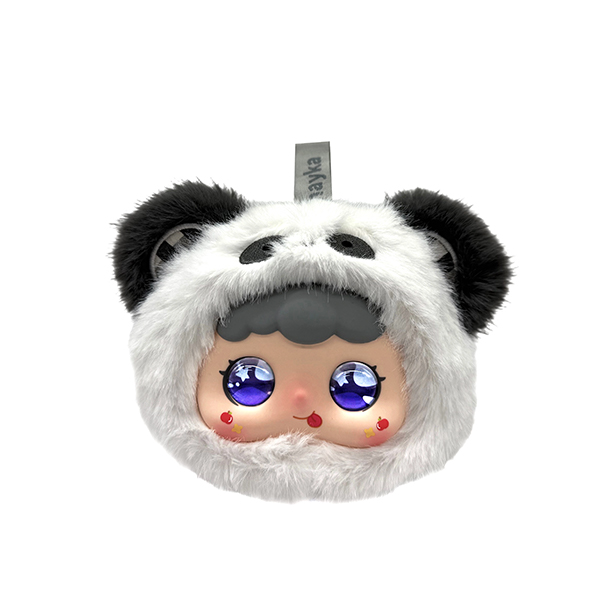
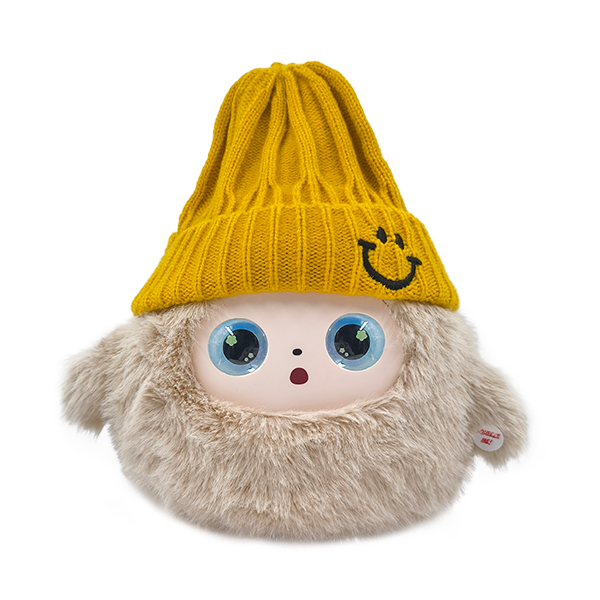
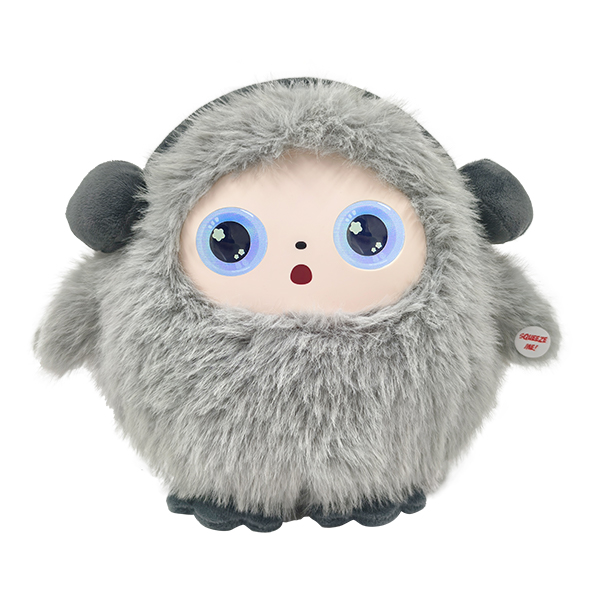
У вас появилась идея плюшевого персонажа (или домашнего питомца, талисмана или внутренней шутки), и вы уже представляете его на столе, на кровати или в чьих-то руках.
The hard part is turning that picture into something real.
A плюшевая игрушка на заказ isn’t just “a drawing turned into fabric.” It’s a small manufacturing project: you’ll make design decisions, translate them into specs, review a prototype, approve a final sample, and only then scale into production.
This guide walks you through the process—using a balanced approach:
- DIY-friendly prep so your idea is clear and buildable
- Manufacturer-ready steps so you know what to send, what you should get back, and what to check at each milestone
What you’re really making (and why plush is different)
A plush toy is soft, forgiving, and tactile—which is exactly why small details matter.
Two designs that look identical on paper can feel completely different in real life depending on:
- fabric pile (short plush vs. long fur)
- embroidery vs. printed details
- stuffing density
- seam placement
That’s why most successful плюшевые игрушки на заказ are treated as a process, not a one-shot order.
Pro Tip: If this is your first custom plush toy, start with a simpler shape and fewer tiny add-ons. You can always make “Version 2” more complex once you’ve proven the pattern and materials.
Step 1: Define the goal, audience, and size (before you draw)
Before you get attached to details, lock the three decisions that drive everything downstream.
1) Who is this plush for?
Even if you’re making “one toy,” you’re still designing for an end user:
- a toddler (no small detachable parts)
- a teen or adult collector (more freedom on details)
- a brand mascot for events (durability + consistency)
This influences safety decisions, materials, and what kinds of features are realistic.
2) What’s the job of the plush?
Write a one-sentence goal, like:
- “A huggable gift plush that feels soft and squishy.”
- “A small desk plush with crisp embroidered details.”
- “A mascot plush that can survive being tossed around at events.”
That sentence is your tie-breaker later when you’re choosing between “cute” and “durable.”
3) What’s the finished size?
Pick one height target and stick to it.
When you talk to a manufacturer, size confusion is a common cause of disappointment, so always specify:
- inches or centimeters
- whether the measurement is sitting height или standing height
(And if you’re working from a drawing, include a simple scale note.)
Step 2: Create the design package (your mini tech pack)
You don’t need to be an industrial designer to communicate clearly. You just need a “design package” that removes guesswork.
A lot of first-time projects stall because the concept is strong—but the specs are vague.
Think of this as a lightweight tech pack for plush toys: it’s not fancy, but it’s specific enough that someone else can build what you mean.
Here’s what to include.
The must-haves
- Three-view drawing (front / side / back)
- Even a clean hand sketch is fine.
- The point is to show what exists (and what doesn’t) on every side.
- Color references
- If you can, use specific color references (like Pantone codes) rather than “bright blue.”
- At minimum: attach a color palette image and label each area.
- Materials notes (what you want it to feel like) Examples:
- “Short plush body, minky belly, embroidered eyes.”
- “Long faux fur mane, smooth velboa face.”
- Detail placement Mark up your drawing with callouts:
- embroidery areas
- printed areas
- where the hang tag goes
- any sewn-in label placement
- A measurement sheet This can be simple:
- overall height
- head width
- ear length
- tail length
- Files
- A high-res PNG/PDF for reference
- Vector art (AI/EPS/SVG) if you have fine-line logos or complex printed patterns
⚠️ Warning: Low-resolution artwork causes real production problems—especially for printing and embroidery. If the design has fine lines or patterns, provide a high-res file (and vector art when possible).
Step 3: Choose materials that match the look and the use case
Material choices aren’t just aesthetic—they change cost, manufacturability, and how the plush holds up over time.
Fabric: pick “feel” first, then performance
Ask yourself:
- Should it feel smooth, fluffy, shaggy, or velvety?
- Does it need crisp details (short pile) or a fuzzy look (long pile)?
- Will it be hugged daily or displayed on a shelf?
Shorter pile fabrics usually show embroidery and seams more cleanly. Longer pile fabrics can hide seams—but they can also hide small details.
Stuffing: decide squishy vs. structured
Two toys can look the same and still feel totally different.
- Softer, squishier stuffing feels more “huggable.”
- Firmer stuffing holds shape better (great for mascots and crisp silhouettes).
Eyes and small parts: choose your risk level
Plastic eyes can look great—but if the plush is intended for very young children, many makers switch to embroidered eyes to reduce choking risk.
If you’re designing for kids, skim the CPSC’s toy safety business guidance early so you understand the concepts that will affect your design (like small parts and age grading).
Step 4: Make a plush toy prototype (DIY mockup or factory sample)
You’ve got two practical ways to prototype:
Option A: DIY “shape test” prototype
This doesn’t need to be pretty.
The goal is to test:
- proportions (is the head too big?)
- silhouette (does it read as the character?)
- key features (ears, tail, limbs)
Even a rough muslin version can save you time later by catching shape problems early.
Option B: Request a factory sample
If you’re working with a manufacturer, the sample step is where your drawing turns into a physical plush.
In general, sampling takes days to weeks depending on complexity, and revisions are common. For example, AokumaToy notes that two or three sample revision rounds are common before final approval.
Step 5: Iterate through sample revisions (and what to check)
Treat the sample like a checklist moment, not an emotional reveal.
You’re checking whether the plush matches your intent—and whether it can be produced consistently.
What to inspect on every sample
1) Shape and proportions
- Does it match the sketch from multiple angles?
- Are limbs positioned correctly?
2) Face and expression
- Are embroidered features clean at the edges?
- Are printed features aligned and not distorted?
3) Seam quality
- Look for loose threads and uneven stitching.
- Tug gently at seams (especially where limbs attach).
4) Stuffing and feel
- Is it too stiff? Too floppy?
- Are there lumpy areas?
5) Consistency risk Ask: “If this were made 500 times, what could drift?”
That question helps you spot designs that look great as a one-off but are hard to mass-produce (for example: lots of tiny, sharply pointed limbs).
When a sample is approved, manufacturers often treat it as the benchmark for production. Many factories call this final approved sample the pre-production sample (PPS).
Step 6: Prep for production (PPS, QC plan, packaging)
Once your sample is approved, you’re not done—you’re finally ready for the part that scales.
Confirm your PPS and the “gold standard” details
Write a short confirmation note that lists:
- approved size
- approved fabrics and colors
- approved embroidery/printing files
- stuffing firmness
- any must-not-change details
This reduces “interpretation drift” between the sample and the bulk run.
Think about quality control like a buyer
You don’t need an engineering background to define basic QC expectations.
Pick 5–8 checks that matter most, such as:
- seam strength at stress points
- symmetry (ears, eyes)
- embroidery edge cleanliness
- correct hang tag / label placement
If you want a concrete example of how manufacturers break down the workflow, here’s a helpful visual: the factory tour’s nine-step production walkthrough.
Packaging and labeling basics
Decide early:
- individual polybag vs. custom box
- hang tags
- sewn-in labels
- inserts (care card, story card)
Step 7: Production + shipping basics (timelines and terms)
Production time depends on complexity, quantity, and material sourcing.
Some manufacturers publish example timelines to set expectations. For instance, this manufacturer overview notes 7–14 days for sampling и 40–45 days for production as an example lead time, along with what info is needed for a quote (size, quantity, design): see the section on sampling and lead times.
Shipping adds its own layer. You’ll also hear basic shipping terms (like FOB, CIF, or EXW) when you move beyond tiny runs.
If you’re totally new to the quote-to-delivery flow, it helps to see a simple end-to-end diagram like a quote → sample → production → delivery process overview so you know where you are in the journey.
A quick note on U.S. plush toy safety standards (plain-English)
If your plush is intended for children, safety isn’t optional—it affects materials, construction, labeling, and testing.
At a high level:
- The U.S. toy safety standard ASTM F963 is treated as mandatory for toys under CPSC regulations; Intertek summarizes this in its overview of ASTM F963 as the U.S. mandatory toy safety standard.
- You’ll also see the CPSIA referenced alongside ASTM F963 in compliance discussions.
This guide isn’t legal advice, and requirements vary by age grade and product design—but it’s worth reading a practical summary like QIMA’s overview of stuffed-toy testing and labeling requirements so you understand why details like seam strength, small parts attachment, and labeling show up in manufacturing conversations.
Next steps: a simple checklist you can copy
If you want to move from “idea” to “prototype” without chaos, do these in order:
- Write your one-sentence goal (huggable vs. display vs. durable promo).
- Pick your size (with units).
- Create a three-view drawing and label the details.
- Decide eyes (embroidered vs. plastic) and any add-ons.
- Build a mini tech pack (colors, materials notes, measurements, files).
- Request a plush toy prototype (sample) and review it like a QC checklist.
- Approve a final pre-production sample (PPS) before bulk production.
If you’d like, tell me what you’re making (character, pet, mascot, etc.) and the target size, and I can turn it into a one-page mini tech pack outline you can hand to a plush toy manufacturer.