 Russian
  English
  German
  French
  Korean
  Spanish
Abstract
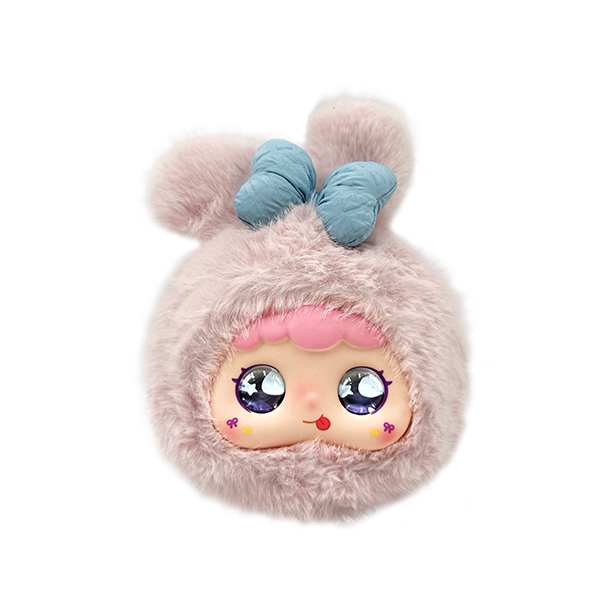
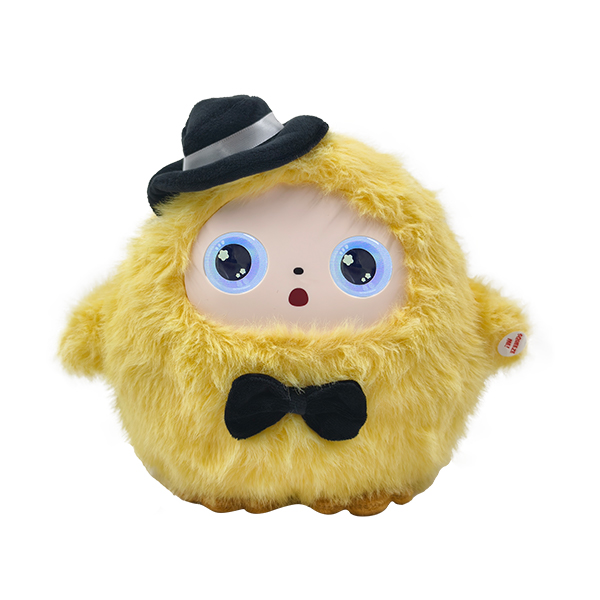
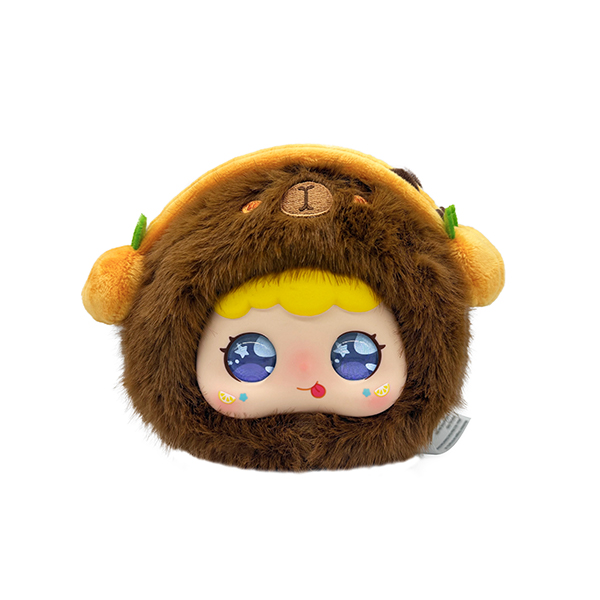
Чучела животных, also known as plush toys, have remained one of the most enduring and emotionally significant product categories in the global toy industry.
According to the Industry Insights Report by The Toy Association and academic research published in the Journal of Consumer Research, plush toys play a key role in emotional development, comfort behaviour, and brand attachment, particularly among children but also increasingly among adult consumers.
The most popular stuffed animals, from classic teddy bears to trending character-based plush, combine design appeal, softness, cultural relevance, and emotional storytelling, making them powerful products in retail and branding strategies.
Introduction: Why Stuffed Animals Remain Timeless in a Digital Era?
In a world dominated by digital entertainment, stuffed toys continue to hold unique emotional and commercial value, transcending generations. Although the toy industry has evolved alongside technology, plush toys have remained relevant thanks to their tactile comfort, emotional significance, and universal appeal.
The market today is no longer limited to traditional teddy bears. Instead, it encompasses a diverse range of designs, from realistic animals to pop culture characters and even AI-integrated plush toys. The popularity of stuffed toys is influenced by consumer psychology, cultural trends, material innovation, and brand storytelling.
This article provides a comprehensive breakdown of the top ten most popular stuffed animals, informed by data, along with industry insights, market trends, and strategic considerations for brands and manufacturers.
What Defines a “Popular” Stuffed Animal?
The popularity of a stuffed animal is not defined by a single factor, such as sales volume or design appeal. Rather, it is the result of multiple market-driven elements, including emotional connection, design trends, distribution channels, and brand influence.¹
- Emotional appeal and connection
At its core, a stuffed animal is an emotional product.
Key factors:
– Softness and comfort (tactile experience)
– Cuteness and facial expression (emotional resonance)
– Storytelling or character background
Insight: Products that create an emotional attachment tend to generate repeat purchases and long-term popularity.
- Design and Aesthetic Trends
Popularity is strongly influenced by visual trends and design language.
Trending elements:
– Minimalist or ‘aesthetic’ designs (popular in lifestyle markets)
– Oversized or ‘hugging’ plush toys
– Unique textures (e.g., ultra-soft, weighted plush)
Trend-driven design can help products go viral on social media and e-commerce platforms.
- Brand and IP influence
Licensed products and strong branding can significantly boost popularity.
Examples:
– Collaboration with entertainment franchises
– Character-based plush toys (e.g., movies, games, cartoons)
– Influencer or social media-driven brands
Strong IP can instantly create market demand and recognition.
- Quality and safety standards
In regulated markets, especially, quality plays a major role.
Key requirements:
– Non-toxic materials
– Durable stitching and construction
– Compliance with international standards (EN71, ASTM F963)
High-quality products build trust and a positive brand reputation, driving long-term success.
- Market Accessibility and Distribution
Even great products can fail without proper distribution.
Key channels:
– E-commerce platforms (Amazon, Shopify, etc.)
– Retail chains and gift shops
– B2B bulk and promotional channels
Popularity often depends on visibility and availability, not just product quality.
Top 10 Most Popular Stuffed Animals
- Плюшевый медведь
The teddy bear is the world’s most iconic and widely recognised stuffed toy. Its simple yet comforting design gives it timeless appeal, making it a staple for all age groups. From luxury collector’s editions to affordable retail versions, teddy bears hold significant emotional and commercial value.
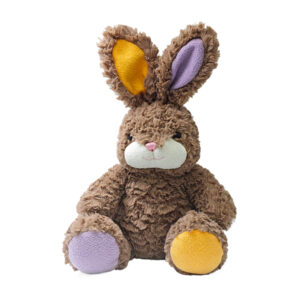
- Bunny (Rabbit Plush)
Plush bunny toys are particularly popular due to their soft ears and gentle appearance, making them ideal for children and seasonal markets such as Easter. They can be designed in a variety of styles, from realistic to cartoon-like.
- Dog Plush Toys
Dog-themed stuffed toys are very popular because they represent real-life companionship. Breeds such as golden retrievers, huskies, and corgis are particularly popular due to their familiarity and emotional resonance.
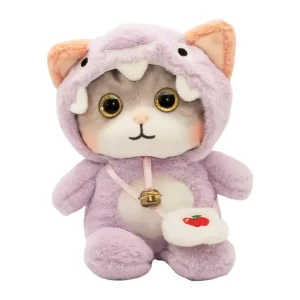
- Cat Plush Toys
Cats are another popular choice, particularly among urban consumers and young adults. Their popularity is fuelled by internet culture, memes, and lifestyle branding, making them highly successful in both retail and e-commerce.
- Panda Plush
Pandas are universally associated with cuteness and environmental awareness, enhancing their appeal. Their distinctive black-and-white colouring also makes them easy to market.
- Dinosaur Plush
Stuffed dinosaur toys have become popular due to their educational and entertainment value. Their realistic or stylised designs appeal to both children and collectors.
- Unicorn Plush
Unicorn plush toys are a popular trend, particularly among younger audiences. Their fantasy appeal, bright colours, and magical themes make them highly marketable.
- Bear Variants (Character Bears)
In addition to traditional teddy bears, character-based bears (such as themed or licensed versions) have grown in popularity thanks to branding opportunities and storytelling elements.
- Sloth Plush
Sloths have become popular in recent years thanks to their relaxed and humorous image. Their popularity has been greatly influenced by social media and lifestyle branding trends.
- Axolotl Plush
Axolotl plush toys are a newer trend that has gained traction due to their unique appearance and viral popularity. This trend illustrates how niche animals can swiftly enter the mainstream through digital exposure.
Market Comparison of Popular Stuffed Animals
| Чучело животного | Popularity Level | Target Audience | Key Selling Point |
| Плюшевый медведь | Очень высокий | Все возрасты | Emotional classic |
| Bunny | Высокий | Дети | Soft, gentle design |
| Dog | Очень высокий | Families | Real-life connection |
| Cat | Высокий | Teens & adults | Trend & culture |
| Panda | Высокий | Global | Cute & symbolic |
| Dinosaur | Средний и высокий | Kids & collectors | Educational |
| Unicorn | Высокий | Дети | Fantasy appeal |
| Sloth | Средний и высокий | Young adults | Trend-driven |
| Axolotl | Emerging High | Gen Z | Unique & viral |
Materials and Design Trends in Modern Stuffed Animals
The global stuffed animal market is evolving rapidly in response to consumer demand for safety, sustainability, and emotional value. Manufacturers and brands are focusing more and more on innovative materials and design strategies.
- Sustainable and eco-friendly materials
– Growing use of recycled polyester (rPET) and organic cotton
– Adoption of biodegradable stuffing materials
– Compliance with global environmental standards
Trend: Sustainability is no longer optional — it is becoming a key purchasing factor, especially in Europe and North America.
- Enhanced safety standards
– Use of non-toxic dyes and hypoallergenic fabrics
– Secure stitching and child-safe components (e.g., embroidered eyes instead of plastic parts)
– Compliance with certifications such as EN71 and ASTM F963
Focus: Safety is critical for the infant and toddler segments.
- Smart and interactive features
– Integration of AI modules, voice interaction, and sensors
– Educational and emotional interaction capabilities
Example: Smart plush toys that respond to touch or voice
- Premium textures and sensory design
Use of ultra-soft fabrics (e.g., coral fleece and velvet plush)
Multi-texture combinations for sensory stimulation
Benefit: enhances user experience and emotional connection
- Character Licensing and Customisation
– Collaboration with IP brands and entertainment franchises
– Increased demand for custom-designed plush toys for branding and promotions
- Minimalist and aesthetic design trends
– Neutral tones and Scandinavian-inspired designs
– Popular in home décor and lifestyle markets
Filling Materials
| Тип наполнения | Характеристики | Usage |
| Polyester Fiberfill | Lightweight, soft | Standard plush toys |
| Пена с эффектом памяти | High comfort | Premium products |
| Recycled Materials | Eco-friendly | Sustainable brands |
Industry Trends Shaping Stuffed Animals in 2026
- Emotional support products
Stuffed toys are increasingly being marketed as products that provide emotional support and promote mental well-being, particularly for adults.
- Customisation and personalisation
Consumers demand personalised plush toys with:
– custom colours
– embroidered names
– unique designs
- Licensed and branded plush
Collaborations with entertainment brands can significantly increase sales.
- Smart plush toys
The integration of technology, such as voice interaction, is emerging as a new category.
How to Choose the Right Stuffed Animal for Your Market?
To select the right stuffed animal, you need to align the product features with the demands of the target market, the pricing strategy, and the distribution channels.
- Define your target audience.
– Infants and toddlers: Focus on safety, softness, and simplicity.
– Children: Bright colours, interactive features, and character designs
– Adults: Emotional comfort, collectible value, or decorative use
- Consider market positioning:
– Mass market: Cost-effective, simple designs; high-volume production
– Mid-range: A balanced focus on quality and design
– Premium market: High-end materials, branding, and customisation
- Evaluate materials and quality
– Choose materials based on durability, softness, and safety compliance
– Ensure consistent quality to maintain brand reputation and customer satisfaction
- Analyse regional preferences. Western markets favour eco-friendly and minimalist designs, while Asian markets may prefer cute, colourful, and character-driven products.
- Align with sales channels
– E-commerce: Unique designs and visual appeal are key.
– Retail stores: Focus on tactile experience and packaging.
– Promotional/B2B: Custom branding and bulk production capabilities.
- Balance cost and value
– Optimise production costs without compromising on core quality and safety.
– Consider long-term value, such as brand loyalty and repeat purchases.
FAQ: Stuffed Animals (Popular Search Questions)
- What are the most popular stuffed animals?
Teddy bears, dogs, cats, bunnies, and unicorns are among the most popular stuffed animals globally.
- Why are stuffed animals so popular?
They provide emotional comfort, nostalgia, and tactile satisfaction, making them appealing across age groups.
- What materials are best for stuffed animals?
High-quality polyester, cotton blends, and eco-friendly materials are commonly used.
- Are stuffed animals only for children?
No. Many adults purchase stuffed animals for comfort, decoration, or коллекционирование.
- What is the softest stuffed animal material?
Coral fleece and short plush fabrics are considered among the softest options.
- How do I choose a high-quality stuffed animal?
Look for durable stitching, safe materials, and consistent filling.
- Are eco-friendly stuffed animals available?
Yes. Many brands now offer plush toys made from recycled or organic materials.
- What trends are shaping the stuffed animal market?
Customization, sustainability, and smart features are key trends.
Заключение
The most popular stuffed toys reflect a blend of tradition, innovation, and emotional connection. From the ever-popular teddy bear to the latest trend of axolotl plush toys, the category continues to evolve while retaining its core appeal.
Success for brands and manufacturers lies in understanding consumer psychology, innovating with materials, and identifying market trends. Combining these elements with strong design and storytelling will ensure that stuffed animals continue to thrive as one of the most resilient and profitable segments in the global toy industry.