 Russian
  English
  German
  French
  Korean
  Spanish
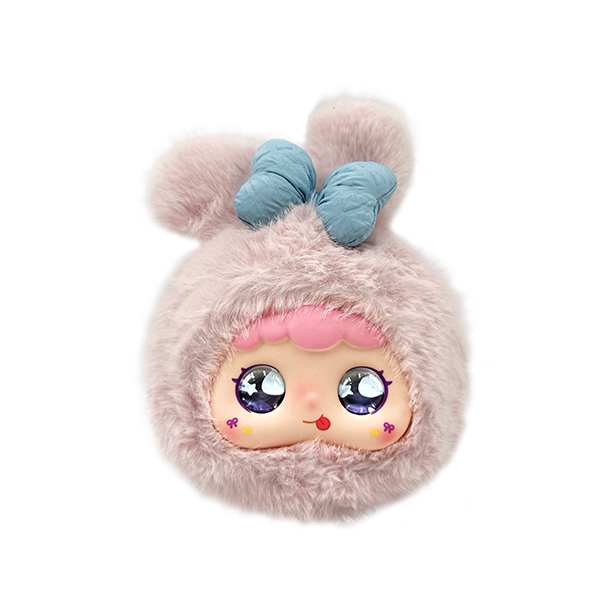
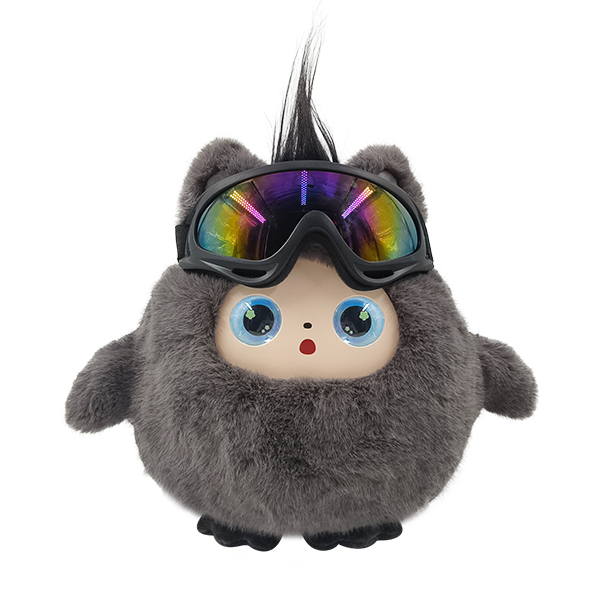
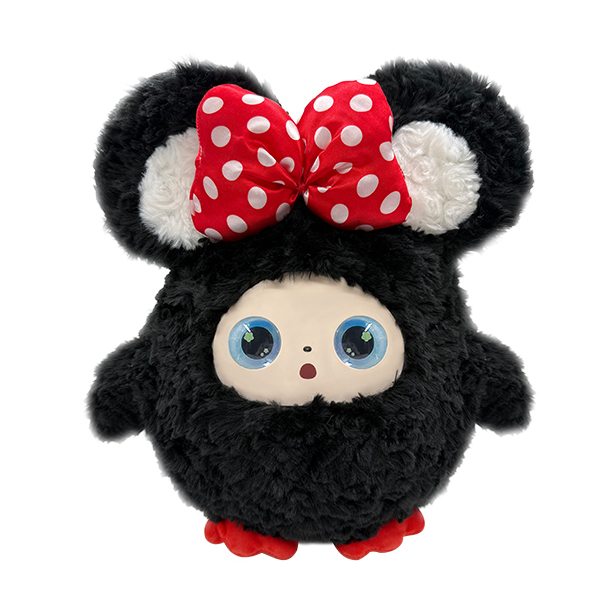
Плюшевые игрушки are more than just simple playthings. Whether they are cherished childhood companions, comforting friends, or highly valuable collector’s items, plush toys bring joy to people of all ages. Over time, however, your favorite plush toys inevitably gather dust, dirt, spills, and allergens. This reality leads to the most common question asked by parents, collectors, and brand owners alike: Can you wash plush toys?
If you are wondering if it is safe to introduce your favorite companions to water, you are in the right place. Knowing the proper methods for washing plush toys is an essential skill. It helps prolong their lifespan, maintains their original softness, and keeps your living environment hygienic. In this comprehensive, in-depth guide, we will explore absolutely everything you need to know about cleaning plush toys safely. From decoding complex tags to selecting the perfect drying method, this article will serve as your ultimate manual. We will cover the specific differences between standard fabrics and delicate materials, the best practices for modern and traditional plush toys, and the secrets to keeping your плюшевые игрушки looking brand new for years to come.
The Short Answer: Yes, But It Depends on the Plush!
Когда люди спрашивают: “Можно ли стирать плюшевые игрушки?”, прямой ответ таков: да, безусловно! Однако способ очистки плюшевых игрушек полностью зависит от их конструкции, используемых материалов и возраста. Не все плюшевые игрушки созданы одинаково. Хотя некоторые прочные, современные плюшевые игрушки легко выдерживают интенсивную стирку в стиральной машине, другие требуют предельной осторожности и бережной ручной чистки.
To help you determine the best approach for your specific plush toys, we have created a quick reference table. Understanding these categories is the first step in learning how to wash stuffed animals safely without risking damage to their shape, color, or fur.

Washability Assessment Table for Plush Toys
| Type of Plush Toy | Recommended Cleaning Method | Reason / Precaution |
|---|---|---|
| Standard polyester/cotton plush toys (No electronics) | Машинная стирка | These durable plush toys can handle mild agitation. |
| Plush toys with glued-on eyes or sequins | Hand wash only | Machine friction and warm water can melt glue or rip details. |
| Vintage or fragile plush toys | Чистка пятен only | Fabric degradation makes older plush toys too weak for submersion. |
| Toys with built-in mechanics | Чистка пятен only (unless removable) | Water will permanently destroy internal electronic components. |
| Stuffed toys filled with foam beads or beans | Hand wash или Чистка пятен | Machine washing can cause the internal beads to clump or burst. |
Understanding these basic rules will save you from accidental laundry disasters. Let’s dive deeper into the exact steps you must take before any water touches your precious plush toys.
Crucial Pre-Wash Checklist (Do This First!)
Before you even think about tossing your beloved plush toys into a basin of water or a machine, you must perform a thorough inspection. Skipping this phase is the number one reason plush toys get ruined during the cleaning process. Follow this professional pre-wash checklist to protect your plush toys.
1. Always Check the Care Label
The very first thing you should look for on your plush toys is the manufacturer’s care label. This small piece of fabric, usually sewn into the bottom or leg of plush toys, contains vital washing instructions. These tags will explicitly tell you if the plush toys are safe for the machine, what water temperature to use, and how they should be dried. If the tag is faded or missing from your plush toys, you should always err on the side of caution and assume they are made of delicate materials that require gentle hand cleaning.
To make things easier, here is a quick guide to common laundry symbols you might find on plush toys:
| Care Symbol | Meaning for Plush Toys | Action Required |
|---|---|---|
| Tub with water & a number (e.g., 30) | Machine Wash Cold | Safe for the washing machine at 30°C (cold water). |
| Tub with a hand | Hand wash | Do not machine wash. Wash plush toys gently in a sink. |
| Tub with an X | Do Not Wash | Чистка пятен only. Keep plush toys away from full submersion. |
| Square with a circle & an X | Do Not Tumble Dry | Air dry only to protect the fur of your plush toys. |
2. Remove Electronics, Batteries, and Accessories
Modern plush toys are incredibly interactive. If your plush toys light up, vibrate, or make sounds, you must locate the velcro pouch and remove electronics. Carefully take out any voice boxes и batteries before cleaning plush toys. If these components cannot be removed, the plush toys cannot be submerged in water under any circumstances. Additionally, remove any detachable clothing, ribbons, plastic accessories, or collars from your plush toys to prevent them from tangling or transferring color during the wash.
3. Test for Colorfastness
Before washing brightly colored plush toys, you must perform a spot test to check for colorfastness. This ensures that the dye will not bleed and ruin the plush toys (or other items in the wash). Take a cotton swab or a white damp cloth, dip it in a mixture of water and your chosen detergent, and gently rub it on a hidden area of the plush toys. If the color transfers to your white cloth, do not submerge the plush toys. You will need to carefully dry-clean or use minimal moisture to clean plush toys with unstable dyes.
4. Repair Any Tears or Loose Seams
Inspect your plush toys meticulously for any signs of damage. Look for tears and seams that may be coming undone, especially around the arms, legs, and neck. If you wash plush toys with existing holes, the agitation of the water will force the stuffing out, leaving you with a deflated toy and a clogged drain. Take a needle and thread and secure any weak spots on your plush toys before proceeding to the washing phase.

How to Machine Wash Plush Toys Safely
For busy parents and collectors dealing with everyday dirt, knowing how to clean plush toys in the machine is a massive timesaver. According to fabric care experts, when the tag indicates that your plush toys are safe for the machine, you still cannot simply throw them in with your regular heavy laundry. You must follow a precise protocol to protect plush toys from extreme friction and heat.
Step 1: Use a Mesh Laundry Bag
The golden rule of machine washing plush toys is to never let them float freely in the drum. Always place your plush toys inside a protective mesh laundry bag. This barrier prevents the plush toys from snagging on the agitator or getting stretched out of shape. If you do not have a specialized bag for plush toys, a standard, clean pillowcase works perfectly. Simply place the plush toys inside the pillowcase and tie a knot at the top, or use a safety pin to secure it shut.
Step 2: Choose a Gentle Detergent
The chemicals you expose your plush toys to matter immensely. Avoid heavy-duty stain removers or detergents with bleach when washing plush toys. Instead, opt for a mild detergent or a very gentle soap. These formulas will clean the fibers of your plush toys without stripping them of their natural softness. Furthermore, you must strictly avoid using any fabric softener on plush toys. While it sounds counterintuitive, fabric softener leaves a chemical residue that coats the synthetic fibers of plush toys, making their fur look greasy, matted, and dull over time.
Step 3: Select the Delicate Cycle & Cold Water
When setting up your washing machine, your goal is to mimic hand-washing as closely as possible to protect your plush toys. Always select the gentle cycle or the delicate cycle. This ensures the drum rotates slowly, minimizing the physical stress placed on the plush toys. Crucially, you must wash plush toys using only cold water. The American Cleaning Institute notes that hot water can melt the glue holding the eyes in place, cause severe color fading, and even permanently crimp or melt the synthetic fur fibers, destroying the texture of your plush toys forever.
How to Hand Wash Stuffed Animals (Best for Delicate Plushies)
If you have lost the care tag, or if you know your plush toys are constructed from highly delicate materials (such as alpaca wool, mohair, or specialized synthetic blends), hand washing is the safest route. Many collectors of high-end items prefer to learn how to wash plushies by hand to maintain total control over the cleaning process and protect their valuable plush toys.
The Sink and Soak Method
- Prepare the Bath: Clean your bathroom or kitchen sink thoroughly to ensure no grease or bleach residue is left behind. Fill the sink with lukewarm or cold water for your plush toys.
- Add Soap: Add a teaspoon of your chosen gentle soap или mild detergent to the water. Swirl the water until you see a light lather. Do not add too much soap, or your plush toys will be impossible to rinse completely.
- Submerge and Soak: Place your plush toys gently into the soapy water. Allow the plush toys to soak for a solid 10 to 15 minutes to loosen set-in dirt, dust mites, and oils.
- Agitate Gently: With clean hands, gently massage the soapy water through the fur and body of the plush toys. Avoid twisting, scrubbing aggressively, or wringing out your plush toys, as this permanently warps the internal stuffing and shape of the plush toys.
- Rinse and Squeeze: Drain the dirty water from the sink and refill it with clean, cold water. Gently press down on the plush toys to squeeze out the soap. Repeat this rinsing process several times until the water runs completely clear from your plush toys.
Spot Cleaning: For Stains and Non-Washable Toys
Not all plush toys are designed for full submersion. Some vintage pieces, mechanical companions, or extremely oversized plush toys simply cannot endure a full bath. For these challenging situations, knowing how to clean soft toys without soaking them is vital. Spot cleaning is the safest way to tackle isolated stains without endangering the internal structure of your plush toys.
To successfully spot clean your plush toys, follow these precise steps:
- Prepare Your Solution: Mix a drop of mild detergent with half a cup of warm water to create a very light, sudsy mixture for your plush toys.
- Apply Sparingly: Use a clean, damp cloth or a soft sponge. Never apply the soapy mixture directly to the plush toys; instead, dip your cloth into the suds (not the water) and dab the stained area on the plush toys.
- Blot, Don’t Rub: Gently blot the stain on your plush toys. Rubbing forces the dirt deeper into the fabric and damages the delicate fur structure of the plush toys.
- Rinse the Area: Once the stain is lifted, take a separate, clean damp cloth (dipped in only clean water) and carefully blot away any remaining soap residue from the plush toys. Soap left behind will attract more dirt over time, defeating the purpose of cleaning your plush toys.
How to Dry Plush Toys Without Ruining the Fur
Now that you know how to wash plush toys, the final and arguably most critical step is the drying phase. This is where most mistakes happen; a single misstep during this stage can transform your soft, fluffy plush toys into a matted, clumpy disaster. The heat and friction involved in incorrect drying are the ultimate downfall of plush toys. Below are the definitive methods for drying your plush toys perfectly every time.
Air Drying (The Safest Choice)
The absolute best and safest way to dry plush toys is the air dry method. After washing, carefully roll your plush toys in a dry, highly absorbent towel. Gently press down (do not wring) to extract as much excess moisture as possible from the plush toys. This step drastically reduces the overall drying time for your plush toys.
Once you have removed the initial moisture, lay your plush toys flat on a drying rack or hang them by their sturdiest parts in a well-ventilated room with excellent airflow. Pointing a fan directly at your plush toys speeds up the evaporation process significantly. However, you must avoid placing your damp plush toys in direct sunlight. The intense UV rays from the sun can rapidly bleach the vibrant colors from the fabric and degrade the integrity of the synthetic fur on your plush toys. While air drying plush toys takes time, it is the only guaranteed way to preserve their shape and softness.
Machine Drying (No-Heat or Tumble Dry Low Only)
If you are in an extreme hurry, you may consider using a dryer for your plush toys. But heed this warning carefully: high heat destroys plush toys. The synthetic fibers commonly found in plush toys have a very low melting point.
If you absolutely must use the machine, place your clean, damp plush toys back into their protective mesh laundry bag или pillowcase to prevent friction burns. Toss in a few dry, clean bath towels to act as a buffer. The machine must be set strictly to the no-heat setting (often called “Air Fluff”) or the very coolest tumble dry low setting available. Check on your plush toys every 10 minutes. The moment your plush toys feel mostly dry, remove them from the machine and let the remaining internal moisture evaporate naturally.
Fluffing and Brushing Your Plush
As plush toys dry, their fur often begins to look clumpy and unkempt. Do not panic; this is entirely normal for wet plush toys. During the drying process, use your fingers to gently pinch and arrange the fur back to its natural state. This manual fluffing prevents the stuffing inside the plush toys from settling unevenly.
Once the plush toys are completely dry, take a very gentle, soft bristle brush (a clean baby brush or a specialized pet slicker brush works wonderfully) and lightly comb through the fur. Brushing restores the incredible softness and volume to your plush toys, leaving your plush toys looking practically brand new and ready for display.
Special Care Tips for Custom & Anime Plushies
The world of plush toys has evolved far beyond traditional teddy bears. Today, a massive community revolves around highly detailed, personalized companions, particularly custom plushies и anime plushies. These plush toys, often created based on original characters or beloved franchises, are highly valued investments. They frequently feature intricate embroidery and unique proportions that demand special attention during the cleaning process.
When dealing with premium plush toys, the quality of the fabric dictates the care. At StuffPlush, we bring your ideas to life as a leading производитель серий мягких игрушек. Whether you need custom creations or anime merchandise, we use easily washable, high-quality plush materials. Ready to create your own? Свяжитесь с нами сегодня!
Because these anime plushies and custom figures hold immense value, we strongly recommend that these types of plush toys be subjected only to the hand-washing or spot-cleaning methods. The delicate embroidery of custom plushies can easily snag in a washing machine. Furthermore, because these plush toys utilize ultra-soft, high-quality plush materials, you must never expose these specific plush toys to harsh chemicals or heat. Adhering to gentle care instructions ensures that the vibrant colors and unmatched softness of your custom plush toys remain pristine for years to come.
Frequently Asked Questions (FAQs)
Even after mastering the basics of cleaning plush toys, you may still have some specific concerns. Below, we address the most frequently asked questions regarding the care of plush toys.
Can you wash plush toys with voice boxes?
Yes, but with an extreme caveat: you cannot immerse the entire plush toy in water. If the voice box or electronic component is removable, take it out completely. Once removed, the plush toys can be washed according to the care label. If the electronics are permanently sewn inside the plush toys, you absolutely cannot wash them in the sink or machine. Water will instantly short-circuit the electronics and ruin the plush toys forever. For these specific plush toys, you must rely entirely on the careful spot-cleaning method described earlier in this guide.
How often should I wash my stuffed animals?
The frequency at which you should wash your plush toys depends heavily on their usage and environment.
- For children’s everyday companions: Plush toys that travel outdoors, sleep in beds, and suffer daily spills should be washed every 2 to 4 weeks to eliminate harmful bacteria and allergens.
- For plush toys prone to allergies: If your plush toys sit on beds or couches where dust accumulates, and you suffer from dust mite allergies, wash them once a month.
- For display or collector’s items: Custom or anime plush toys that sit untouched on a shelf require far less intensive cleaning. They should only be deeply washed once or twice a year, relying primarily on light dusting or gentle vacuuming with a brush attachment in the interim.
Does washing a plush ruin its softness?
Washing plush toys does not inherently ruin their softness, provided you follow the correct procedures. The two main culprits that destroy the soft texture of plush toys are extreme heat and the use of inappropriate chemicals. If you wash plush toys in hot water, bake them in a hot dryer, or coat their fibers in waxy fabric softener, their fur will melt, clump, and feel permanently coarse. However, if you wash your plush toys gently, allow them to air dry completely, and finish with a thorough brushing, your plush toys will maintain their original, fluffy softness indefinitely. Consistent, gentle care is the secret to keeping plush toys perfectly soft over the long term.
Related Reading on Plush Toys
Expand your knowledge on the wonderful world of plush toys by checking out our other popular guides and industry insights:
- Discover why adults and teenagers are driving a massive industry shift in our article: Why Plush Toys Are Becoming The New Emotional Support Trend in 2026.
- Confused about the terminology? Learn the exact definitions in What’s The Difference Between Stuffed Animals and Plush Toys?.
- Need to clean smaller accessories? Check out our quick tutorial on How to Wash Dirty Plush Keychains.
References:
- American Cleaning Institute (ACI) – Guidelines on laundering synthetic fabrics and delicate items using cold water to prevent fiber degradation.
- Asthma and Allergy Foundation of America (AAFA) – Recommendations on washing frequency for bedding and soft toys to reduce indoor allergens and dust mites.