 Korean
  English
  German
  French
  Russian
  Spanish
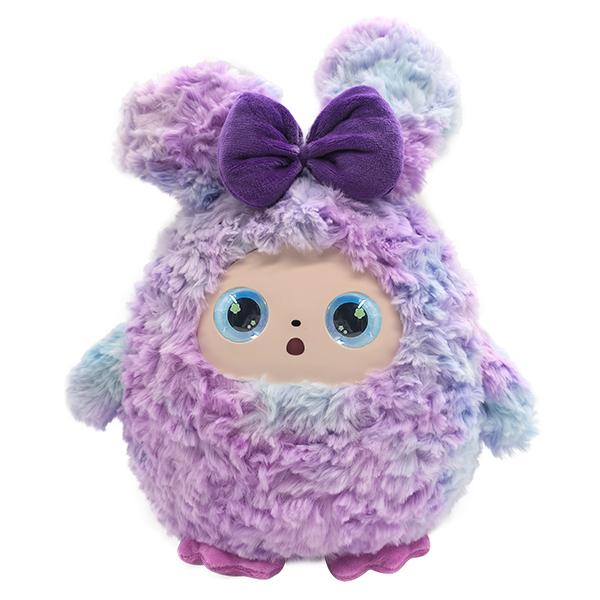

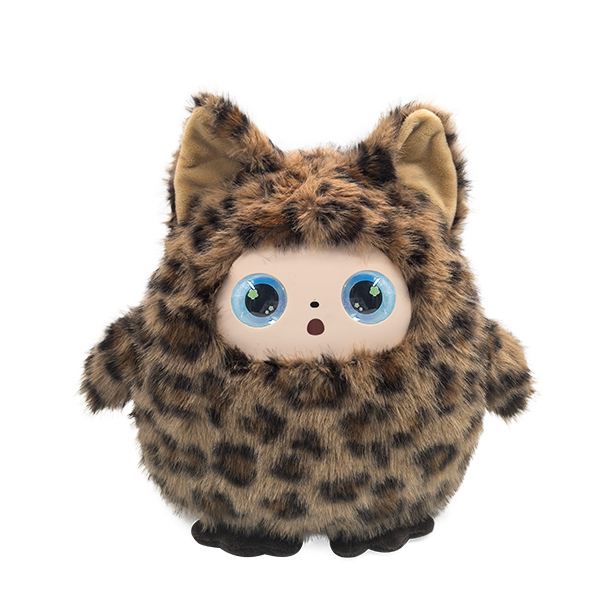
When asking what the most popular types of 봉제 장난감 are, the answer spans a wide spectrum of functional and emotional designs. Categories range from traditional cuddly companions and infant-safe lovies to advanced sensory items and miniature accessories. The modern market faces severe saturation with mass-produced novelty items that lack structural soundness. Recognizing a premium-engineered piece requires moving past transient visual appeal. Identifying products that retain their tactile profile and structural integrity over time is a core challenge. Low-quality manufacturing inevitably leads to premature seam failure, material shedding, and compromised comfort. These structural failures undermine the emotional value of consumer gifts and heavily damage the brand reputation of retail purchasers who distribute substandard goods. This guide establishes an authoritative framework for evaluating any plush product. We apply a dual focus on selecting the correct functional category while validating the technical parameters of the materials, highlighting industry benchmarks for meticulous design.
주요 내용
- Purpose-Driven Categorization: The structural requirements of a plush toy vary significantly based on its end-use—ranging from bedside cuddly companions and infant-safe lovies to durable plush keychain accessories.
- Material & Stuffing Benchmarks: Authentic longevity requires specific engineering; premium exterior fabrics must be paired with high-grade internal fills (like low-migration polyfill or weighted glass microbeads) to ensure the item can withstand “years’ worth of hugs” without degrading.
- Scalability in Customization: When transitioning from standard off-the-shelf purchases to custom plush procurement, the primary ROI driver is finding a manufacturer with robust OEM/ODM capabilities and a dedicated focus on safety and universal design appeal.
- Universal Compliance: Safety is a non-negotiable metric. Toys must adhere strictly to materials that guarantee all-ages safety—such as transitioning from plastic eyes to durable embroidery for infant suitability—while maximizing comfort and solace.
Structural Categorization: Assessing the Most Popular Types of Plush Toys
Classic Stuffed Animals & Signature Teddy Bears
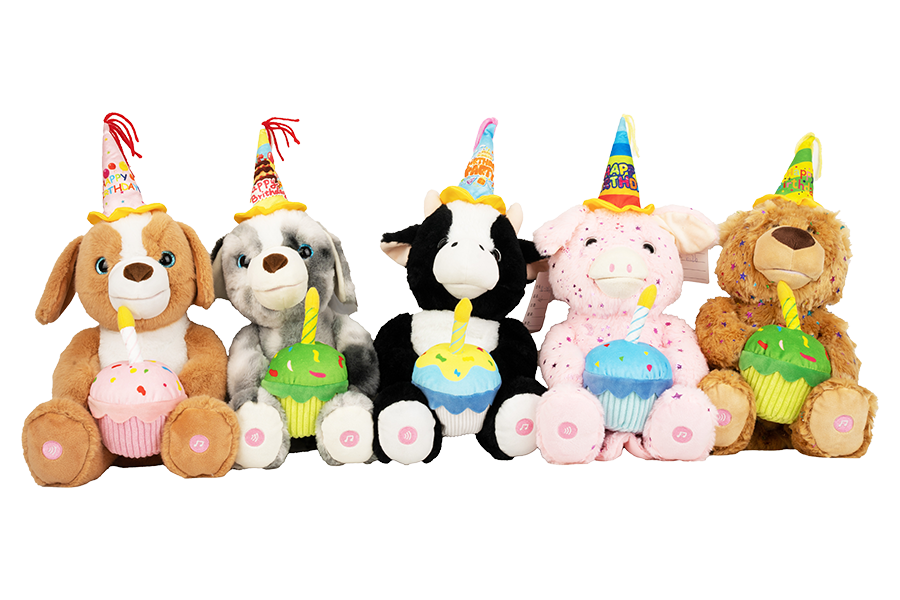
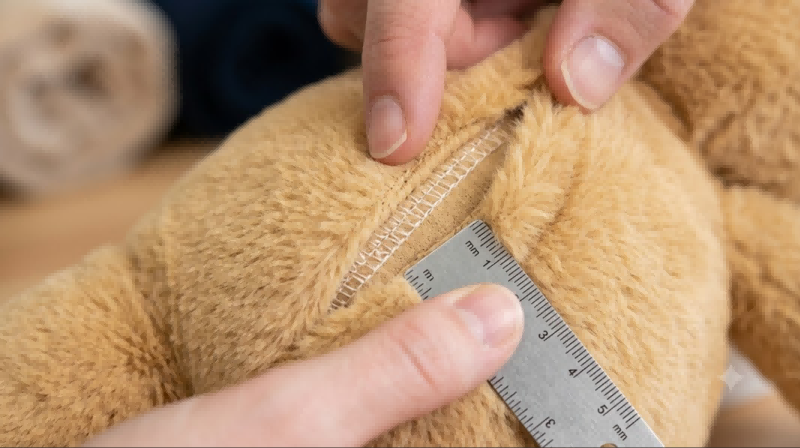
Traditional plushies plush designs capture pure childhood innocence and deliver lasting emotional comfort. These core items dominate retail, gifting, and therapeutic sectors. Evaluating them effectively requires examining fiber stuffing density, seam-allowance consistency, and exterior fur resilience. The industry standard demands zero pile-shedding, meaning the synthetic fibers must be anchored securely to the base fabric backing. Signature 테디 베어 and traditional 박제 동물 must maintain their loft and physical shape even after years of continuous handling. Manufacturers achieve this by utilizing double-stitched interior seams and high-resilience polyester fibers that resist compression. When you examine a high-quality traditional bear, you will notice that the fur does not easily pull away from the hide, and the internal stuffing remains evenly distributed across the limbs and torso without clumping.
Lovies and Infant-Safe Nursery Plush
These hybrid items combine a comforting security blanket with a small plush head or animal figure. Manufacturers optimize them exclusively for toddlers and babies. The evaluation matrix centers entirely on the absolute absence of choking hazards. You must strictly require embroidered facial features instead of hard plastic eyes or attached button noses. Additionally, premium lovies utilize ultra-soft, machine-washable minky fabrics. This specific fabric choice is intentional. Minky fabrics possess a short, dense pile that naturally resists bacterial buildup, repels saliva saturation, and withstands frequent hot-water sanitation cycles without losing its tactile softness or structural color.
Sensory, Weighted, and Sleep-Optimized Plush
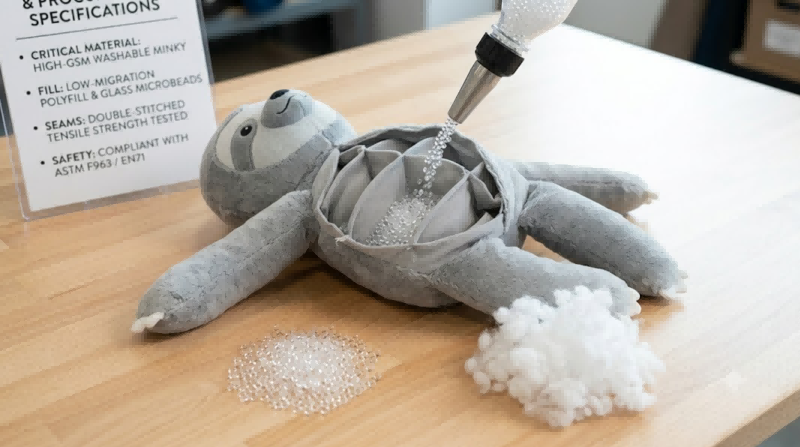
Highly trending ergonomic items serve as functional tools for anxiety relief, sensory engagement, and sleep support. Their construction relies heavily on specific internal weight distribution to provide proprioceptive input. Engineers use non-toxic, hypoallergenic glass microbeads rather than standard plastic pellets to achieve a dense, quiet weight. Manufacturers pair this heavy fill with four-way stretch mochi-style fabrics. This specific elasticity allows the 봉제 인형 to mold precisely to the user’s body, delivering targeted deep-pressure stimulation. To prevent the glass beads from pooling entirely in one section, advanced manufacturing techniques incorporate internal baffling systems or layered fiber-fill barriers that keep the weight evenly dispersed across the product’s surface area.
Versatile Cuddly Companions and Cozy Pillows
These high-surface-area items serve dual roles within domestic spaces. They act as emotional support figures while functioning as aesthetic room decor, providing warmth and physical comfort to any living setting. When assessing these larger companions, analyze fabric breathability, stain resistance, and internal stuffing shift. Large pillows require specific baffles to hold their shape. Alternatively, they need strategic filling distribution methods, utilizing blends of memory foam chunks and high-loft polyfill, to avoid internal clumping after repeated compression and daily use. Hidden zipper compartments are often integrated into these designs, allowing users to remove or add stuffing to achieve their desired firmness.
Event-Specific & Commemorative Keepsakes
Milestone items celebrate single events but require decades of longevity as display pieces. This category includes formally customized pieces like a graduation plush adorned with miniature academic regalia, or highly tailored plush dolls representing specific organizational mascots. They rely heavily on the durability of exterior features. You need colorfast, UV-resistant fabric to prevent fading when items sit on display shelves near sunlight. Secure, high-density embroidery ensures that every custom teddy 또는 bears custom variant retains clear commemorative text, graduation years, or corporate logos indefinitely.
Micro-Formats: The Plush Keychain
Miniaturized items carry exceptionally high visual impact despite their small footprint. Users attach them to backpacks and carry them daily, subjecting them to significant friction, weather exposure, and mechanical stress. A 봉제 열쇠고리 requires distinct manufacturing attention. Stitching tension and hardware attachment points dictate their overall lifespan. Poor construction quickly leads to the fabric tearing away from the metal keychain ring. High-quality micro-manufacturing demands reinforced nylon loops, heavy-duty industrial threading, and minimized seam allowances to survive constant daily transit without unraveling.
Niche Segments: Unstuffed Formats & Alternatives
Several parallel categories expand traditional retail boundaries. Interactive retail kits utilizing an unstuffed plush format allow consumers to fill their own items in-store, requiring robust locking zippers or self-sealing one-way valves. Meanwhile, aesthetic niches like crochet plushies offer a highly textured, handmade aesthetic that requires tight yarn tension gauges to prevent snagging. Finally, parallel industries adapt these exact manufacturing techniques for high-end pet supplies. Evaluating these niches means looking at accessibility for retail-level stuffing, tear-resistant weave tightness for crocheted designs, and exceptional fiber durability against heavy mechanical friction from animal chewing.
| Plush Category | Primary Target Audience | Key Structural Engineering Requirement |
|---|---|---|
| Classic Stuffed Animals | General retail, childhood companions | Zero pile-shedding, consistent poly-fiber density |
| Infant-Safe Lovies | Toddlers, nursery environments | Embroidered facial features, high-GSM machine-washable minky |
| Sensory & Weighted | Individuals seeking anxiety relief | Internal baffling, glass microbeads, 4-way stretch spandex blends |
| Commemorative Keepsakes | Graduates, corporate milestones | Colorfast UV-resistant fabrics, high-thread-count logo embroidery |
| Micro-Formats (Keychains) | Daily commuters, bag accessory collectors | Reinforced hardware gussets, heavy-duty nylon attachment loops |
Technical Material Specs & Engineering Longevity
Defining top-notch materials requires thoroughly deconstructing what makes an exterior shell incredibly soft yet exceptionally durable over long periods of use. The modern textile market highlights a stark difference between cheap, abrasive acrylics and ultra-fine, high-denier polyester blends. Premium synthetic blends are engineered specifically for both aesthetic appeal and tactile perfection. They resist pilling during repeated wash cycles and maintain an ultra-smooth finish despite years of surface friction.
The physics of physical comfort rely directly on internal fills. Achieving long-lasting durability means selecting the absolute ideal stuffing for a specific use case. Standard high-loft PP (polypropylene) cotton provides excellent, rigid structure for traditional bears standing upright. In stark contrast, mochi-style down-cotton delivers a squishy, highly responsive resistance that compresses easily and rebounds instantly. Blends utilizing shredded memory foam offer structured support for ergonomic resting pillows.
To evaluate manufacturing longevity, you must review the internal structural parameters. Premium engineering utilizes double-stitched internal seams that physically encapsulate these fills, preventing external leakage during years of active handling. Quality control teams enforce strict metrics during assembly, testing the tensile strength of every seam before the product is closed.
We implement a strict sequence for material evaluation to guarantee longevity:
- Tensile Strength Testing: Seams must withstand significant outward pulling force without exposing the internal stitching or fill materials.
- Pile Retention Analysis: Fabrics undergo friction testing to ensure the exterior fur fibers do not shed when aggressively rubbed or pulled.
- Dye Sublimation and Colorfastness: Exterior fabrics are tested against UV exposure and hot water washing to guarantee the dyes will not bleed onto other surfaces.
- Fill Rebound Measurement: Internal stuffing is compressed to 50% of its volume to measure how quickly it returns to its original loft state.
| Stuffing Material Type | Tactile Profile | Best Application |
|---|---|---|
| High-Loft PP Cotton | Firm, highly structured, resilient | Traditional bears, display pieces, standing figures |
| Down-Cotton (Mochi Style) | Squishy, cloud-like, highly compressible | Sensory pillows, hugging companions, sleep aids |
| Glass Microbeads | Heavy, shifting, silent | Weighted therapeutic items, positional beanbags |
| Shredded Memory Foam | Supportive, slow-rebound, dense | Large floor pillows, ergonomic body supports |
Risk mitigation is paramount when dealing with poor construction. Cheap fills pose severe dangers to the end user. These risks include rapid internal migration causing flat spots, heavy allergen retention, and severe lumping after a single machine wash cycle. Sub-par external shells often feature abrasive textures that degrade quickly, looking matted and unkempt within months. Physical comfort and product lifespan scale directly in proportion to the initial manufacturing investment. Choosing a specialized producer who understands material science prevents catastrophic early product failure.
Scaling up: ODM Plush and Custom Manufacturing Roadmaps
Transitioning from a retail buyer purchasing off-the-shelf goods to a custom client requires rigorously evaluating a factory’s specific production capabilities. Businesses must assess if a partner can make plushies at a massive commercial scale without losing the granular details of the original prototype. Organizations looking to expand their branding should move toward comprehensive 맞춤형 플러시 models when standard retail options no longer meet their unique intellectual property requirements or precise quality benchmarks.
The meticulous design phase dictates the ultimate success of any dolls custom manufacturing project. A standard-bearing timeline moves methodically from initial concept sketching and 2D blueprinting to 3D spatial prototyping and final sample approval. A viable manufacturing partner must accurately balance spatial design aesthetics, exact fabric sourcing, and rigorous quality control protocols before ever greenlighting full production runs. During this phase, you select specific Pantone color matches for the fabrics and specify exact embroidery placements.
Evaluating manufacturer agility is equally important to your supply chain. You must measure the inherent flexibility of factories to accommodate highly diverse product portfolios. Top-tier facilities must pivot seamlessly from executing high-volume, generalized odm plush companion characters to crafting highly detailed, low-run custom teddies with complex accessories. Achieving strong financial returns on production relies entirely on utilizing a streamlined, transparent design-to-production pipeline that minimizes delays and eliminates communication bottlenecks.
| Production Phase | Core Action Items | Expected Deliverable |
|---|---|---|
| 1. Ideation & Blueprinting | Submit 2D vector art, define target dimensions, specify safety requirements | Technical specification sheet & factory quote |
| 2. 프로토타이핑 | Pattern drafting, initial fabric cutting, temporary stitching | First physical prototype (V1 Sample) |
| 3. Revision & Refinement | Adjust stuffing density, correct embroidery scaling, finalize fabric colors | Final approved “Golden Sample” |
| 4. Mass Production | Bulk fabric sourcing, laser cutting, assembly line sewing, QC inspection | Packaged, retail-ready inventory |
Total Cost of Ownership, Universal Safety Compliance, and Broad Appeal
While premium manufacturing requires a higher initial capital investment, it fundamentally avoids the swift deterioration common in budget alternatives. We refer to this as the Total Cost of Ownership (TCO). Generational durability solidifies your initial brand investment. When a product survives decades rather than months, consumer trust deepens, and return rates plummet. This engineered longevity ensures that customized pieces and branded merchandise continue to deliver marketing value and emotional resonance long after the initial purchase transaction.
We achieve this broad, universal appeal through strict, uncompromising safety controls. An authoritative approach to toy manufacturing demands absolute, verifiable compliance with global standards, specifically ASTM F963 (United States), EN71 (Europe), and CPSIA regulations. True cuddly companions remain universally suitable across all demographics because they mitigate risk at the foundational engineering level rather than relying on consumer warning labels.
Manufacturers must eliminate choke hazards completely during the design phase. Swapping hard plastic eyes and noses for high-density thread-art ensures absolute infant safety. Furthermore, utilizing color-fast non-toxic dyes, ensuring fabrics pass strict flammability tests, and running heavy-metal screening on all base materials is required. Tension tests, where machines apply up to 90 Newtons of pulling force to any attached limb or accessory, ensure the product will not easily tear apart. These precise, documented measures create products suitable for moments requiring tenderness and pure safety for individuals of all ages. You can read more about rigorous production standards to understand exactly how top-tier facilities actively manage these non-negotiable safety metrics.
결론
Take the following actionable steps to secure premium products for your next project:
- Audit your current plush inventory to identify structural failures, specifically looking for seam stress, fabric pilling, and stuffing migration.
- Draft a detailed material specification sheet that clearly defines your required fabric weights, filling types, and target demographic safety certifications.
- Submit your 2D character designs to our verified manufacturing engineers to initiate the formal pattern drafting and 3D prototyping phase.
- Contact our engineering and procurement team directly via our 연락처 페이지 to request physical material swatches and evaluate fabric quality firsthand.
자주 묻는 질문
Q: What defines the difference between standard retail stuffed animals and an ODM plush toy?
A: The difference lies primarily in production IP ownership, customization ceilings, and raw material selections. Standard retail items use off-the-shelf designs and generic materials. An ODM plush toy features exclusive, client-owned designs tailored with specific fabrics, specialized stuffing, and precise brand color matching.
Q: What stuffing material makes a plush toy best for sleep and anxiety relief?
A: Sensory sleep items increasingly rely on non-toxic glass microbeads for weighted, deep-pressure comfort. Manufacturers pair these beads with mochi-style down-cotton. This combination maximizes internal responsiveness, allowing the toy to mold ergonomically to the user’s body.
Q: Are crochet plushies as durable as traditional machine-manufactured plush toys?
A: Their durability depends heavily on weave tightness. While handmade crochet items offer unique textures, they are highly vulnerable to snags and localized unravelling. Traditional machine-manufactured toys utilize mass-stitched internal seams, generally offering superior resistance to heavy mechanical friction.
Q: What materials are best to request if I want to make plushies with maximum softness?
A: For optimal softness, request premium exterior fabrics like minky or ultra-fine, low-pile poly-blends. Pair these external shells with top-tier internal fills, such as highly responsive down-cotton or lightweight memory foam, to achieve a squishy, cloud-like tactile profile.
Q: Can an unstuffed plush maintain the same structural integrity as a factory-sealed custom teddy?
A: It can, provided it features robust closure methods. However, consumer-end stuffing variance often leads to uneven loft or lumping. Factory-sealed teddies utilize industrial stuffing machines and permanent locking mechanisms, guaranteeing consistent density and superior long-term seam integrity.
Q: Why is age-universal certification important when designing graduation plush or customized bears?
A: Keepsake items eventually end up in domestic settings where children handle them. Designing to birth-safe benchmarks ensures the absolute elimination of small parts and toxic dyes, demanding rigorous safety compliances even for products initially intended for adults.
Q: How does a plush keychain differ in manufacturing from a standard cuddly companion?
A: A keychain requires specialized industrial threading to withstand daily environmental exposure. It features concentrated wear-and-tear points that need reinforced gussets and heavy-duty hardware attachments, differing significantly from the softer, flexibility-focused construction of standard companions.