 Korean
  English
  German
  French
  Russian
  Spanish
Abstract
Plush toys, commonly referred to as 박제 동물, soft toys, plushies, or stuffed toys, remain one of the most enduring and commercially successful categories in the global toy market.
According to industry and textile references, “봉제 인형” is the broad technical term for soft fabric toys filled with stuffing, whereas terms such as “stuffed animal” and “plushie” are more colloquial or region-specific. The iconic teddy bear is the most famous and historically influential subtype of plush toy, having helped to define the modern plush category since the early 1900s.
Today, plush toys extend far beyond teddy bears, encompassing collectible character plush toys, kawaii plush toys, mascot toys, therapeutic comfort plush toys, and branded promotional plush products. This guide explains the names of famous plush toys, how they became globally popular, the different categories within the plush toy market, and how modern manufacturers such as StuffPlush are shaping the future of plush toy production.
Introduction: Why Do People Ask “What Are the Famous Plush Toys Called?”
Many consumers search for the answer to this question because they see highly recognisable soft toys in stores, on social media, or as part of viral trends, and wonder what the correct industry term is.
The answer is:
They are generally called ‘plush toys’.
However, depending on the region, style, and context, they may also be known as:
- 박제 동물
- Stuffed toys
- Soft toys
- 봉제 인형
- Teddy bears (when specifically bear-shaped)
While casual buyers often use these terms interchangeably, there are nuanced differences between them in the toy industry. Understanding these distinctions is valuable for consumers, collectors, retailers, and sourcing professionals alike.
What Is the Correct Name for Famous Plush Toys?
The most accurate umbrella term is:
봉제 장난감
A plush toy is a soft toy made with fabric—typically plush polyester, minky, fleece, or velboa—and filled with stuffing such as PP cotton or polyester fiberfill. This is the broadest and most industry-accepted term for the category.
Why Are Teddy Bears the Most Famous Plush Toys?
When people think of famous plush toys, a teddy bear is usually the first image that comes to mind.
- The historical importance of teddy bears
Teddy bears became globally famous after being introduced in the early 1900s, inspired by US President Theodore Roosevelt. Since then, they have become the archetypal plush toy and remain one of the best-selling formats worldwide.
- Why teddy bears became so iconic
– Universally recognisable design
– Emotional symbolism (comfort, affection, nostalgia)
– Suitable for all ages
– High giftability across occasions
– Easy to customise for retail and branding
Because of this legacy, many consumers incorrectly use ‘teddy bear’ as a synonym for all plush toys, even when the toy is not a bear.
Plush Toy Terminology Explained
| Term | Meaning | Typical Usage Region | 참고사항 |
| 봉제 장난감 | Broad technical/industry term | Global | Most accurate umbrella term |
| 박제 동물 | Animal-shaped plush toy | 북미 | Common retail term |
| 소프트 토이 | General plush/stuffed toy | UK / Europe | Regional preference |
| Plushie | Informal/slang term | Internet / Younger audiences | Popular in fandom culture |
| 테디 베어 | Bear-shaped plush specifically | Global | Most iconic plush subtype |
Types of Famous Plush Toys in Today’s Market
The plush category has grown significantly to encompass more than just teddy bears.
- Traditional teddy bears
Still the most iconic type of plush toy globally and dominates the gift and nursery markets.
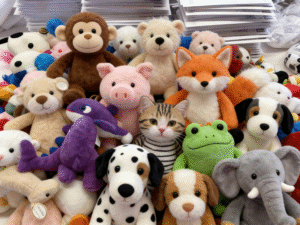
- Stuffed animal plush toys
These include realistic or stylised animals such as:
- Dogs
- Cats
- Rabbits
- Dinosaurs
- Marine animals
- Exotic wildlife
These remain core stock-keeping units (SKUs) for most plush retailers.
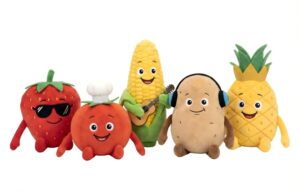
- Character Plush Toys
Licensed plush toys based on:
- Cartoons
- Anime
- Video games
- Movies
- Mascots
Character plush has become one of the fastest-growing segments due to fandom and collector demand.
- Kawaii/aesthetic plushies
Minimalist, ultra-soft, and emotionally expressive plush designs have surged in popularity due to social media and collector culture. Reddit and online plush communities often refer to these as ‘plushies’ rather than traditional stuffed toys.
- Functional/therapeutic plush toys
Includes:
- Weighted plush
- Aromatherapy plush
- Heating plush
- Emotional support plush
These products blend comfort and wellness trends.
Why Plush Toys Are So Popular Worldwide?
- 정서적 편안함
Plush toys provide tactile and psychological comfort for people of all ages, not just children.
- Collectability
Modern plush toys are often purchased by adult collectors.
Market research shows that adults aged 18–44 are strong purchasers of plush toys, driven by nostalgia, fandom, gifting, and décor trends.
- Social media influence
Platforms such as TikTok and Instagram have accelerated the popularity of plush toys.
- Cross-industry licensing
The entertainment, gaming, sports, and branding sectors are increasingly using plush toys as merchandising tools.
How Plush Toys Are Manufactured?
The production of plush toys is a multi-stage process that combines design development, material engineering, precise sewing, and quality control. This ensures the toys are safe, soft, and consistent in quality.
- Concept design and prototyping
The process begins with creating a product concept based on brand requirements, character IP, or market trends.
This includes:
- Sketching/3D concept development
- Pattern design and technical drawings
- Prototype sampling and revisions
- Material selection
Manufacturers choose materials based on target quality, cost, and safety requirements.
Common materials:
- Plush fabric
- Velboa
- Minky
- Fleece
- PP cotton
- Polyester fibrefill
- Embroidery thread
- Plastic or embroidered eyes/nose
- Accessory trims and clothing materials
- Fabric cutting
Fabric is cut according to approved patterns using:
- Manual cutting
- Die-cutting
- CNC/automated cutting systems
Precision cutting ensures dimensional consistency.
- Embroidery and printing
Decorative elements are added before assembly.
Processes include:
- Facial embroidery
- Heat transfer printing
- Sublimation/digital printing
- Logo/branding application
- Sewing and assembly
Cut pieces are sewn together to create the plush form.
Methods:
- Flat sewing
- 3D shaping assembly
- Reinforced seam construction for durability
- Stuffing/filling
The toy is filled with fibre or speciality materials.
Filling options:
- Standard PP cotton, weighted pellets, memory foam/specialty stuffing.
- Stuffing density affects softness and shape retention.
- Closing and finishing
Openings are hand-sewn or machine-finished.
Final shaping and trimming are completed.
- Quality inspection and safety testing
Products undergo inspection for:
- Stitch strength
- Appearance consistency
- Material defects
- Compliance with safety standards
Plush Toy Industry Trends in 2026
Technological integration, sustainability, personalisation, and premiumisation are shaping the plush toy industry in 2026.
- Sustainable materials and eco production
– Increased use of recycled polyester and eco-friendly fillings
– Demand for sustainable packaging and low-impact production
- Premium/collectible plush products
– Growth of designer and limited-edition plush lines
– Higher-end materials and enhanced detailing
- Smart and interactive plush toys
– Integration of AI, sound modules, sensors, and app connectivity
– Expansion of educational and companion toy categories
- Licensed IP and character collaboration expansion
– Strong demand for branded and licensed plush products
– Continued growth of entertainment, game, and anime collaborations
- Customisation and on-demand production
– Personalised plush toys for gifts and niche markets
– Low MOQ custom manufacturing is becoming more popular
- Enhanced safety and compliance expectations
– Stricter buyer requirements for testing and certifications
– Greater focus on child-safe construction and traceability
How to Choose a High-Quality Plush Toy?
| Factor | 확인해야 할 사항 | 중요한 이유 |
| Fabric Quality | Ultra-soft plush / minky / velboa | Better hand feel & durability |
| 채우기 재료 | PP cotton / hypoallergenic fiber | Comfort & safety |
| Stitching | Reinforced seams | Prevents tearing |
| Safety Standards | ASTM / CPSIA / EN71 compliance | Essential for child safety |
| Manufacturer Expertise | Experienced plush factory | Better consistency |
FAQ About Plush Toys
Q1: What is the difference between a plush toy and a stuffed animal?
A stuffed animal specifically refers to plush toys shaped like animals, while plush toy is the broader category that includes animals, characters, objects, and fantasy figures.
Q2: Why are plush toys called plushies?
“Plushie” is an informal slang term derived from “plush toy,” popularized by internet and collector communities.
Q3: Are teddy bears considered plush toys?
Yes. Teddy bears are one of the most iconic subcategories of plush toys.
Q4: Why do adults buy plush toys?
Adults buy plush toys for collecting, décor, nostalgia, emotional comfort, gifting, and fandom.
Q5: What are the most popular plush toys today?
Popular categories include:
- 테디 베어
- Character plush
- Kawaii plushies
- Weighted comfort plush
- Animal plush collectibles
결론
The famous soft toys that people often ask about are commonly known as plush toys, although other terms such as stuffed animals, plushies, soft toys, and teddy bears are also used, depending on the region and context.
The teddy bear is the most famous plush toy in history, but today’s plush market has expanded to include collectible, therapeutic, decorative, and licensed products for consumers of all ages.
Brands, retailers, and buyers seeking premium-quality plush manufacturing can ensure product quality, customisation flexibility, and market competitiveness by partnering with experienced producers such as StuffPlush in an increasingly sophisticated plush industry.