 Korean
  English
  German
  French
  Russian
  Spanish

기사 요약:
Recently, 박제 동물 have evolved from traditional children’s toys into viral symbols of culture that are popularized by social media, pop culture, and emotional consumption.
Studies dedicated to the Toy Association and the academic field of emotional attachment to plush toys have found that modern stuffed animals not only serve as toys, but also as objects that are collectible, possessing a digital signature, and serving as a form of identification in the modern world.
Viralized animals—which are often named after their creator- typically have limited editions or are characterized by a particular name, all of which reflect shifts in behavior that occur as a result of influencer marketing, cross-generational love, and special promotions.
This article discusses the various terms associated with these viral animals, the popular reasons for their popularity, and the way the animal market for viruses is evolving.
Introduction: Why Are Stuffed Animals Going Viral?
The term “viral stuffed animals” has been increasingly popular in online searches, this is particularly on platforms like TikTok, Instagram, YouTube, and Pinterest. Stuffed animals have been around for over a century, but the way they are popular today is different than the way they were traditionally marketed.
Modern viral animals with traction are characterized by short, emotional stories, influencers that support the animals, and scarce collectibles. Unlike the plush toys of the past that were named after popular music, the viralized animals often have a distinct reputation, individual personality, and a powerful visual presentation that facilitates their spread in the digital realm.
Understanding the viral animals’ status and the psychology behind them necessitates an examination of branding, psychology, social media, and the changing expectations of consumers.
What Are Viral Stuffed Animals Commonly Called?
Viral animals that are stuffed are not characterized by a singular, universal name. Instead, they are partitioned into several easily recognized categories that are commonly discussed online:
Gloom toys
Additional plushies
Stuffed animals that are collectible
Fashionable plush toys
Kawaii plush
Exclusive plush toys
The most commonly searched for and most commonly accepted umbrella term is “stuffed animals, with terms like viral, cute, TikTok-famous, or trending that are based on the context.
Popular Names of Viral Stuffed Animals in Recent Years
Many viral animals with fur are distinguished by brand-specific or character-based terminology that is not common.
Famous viral animal examples are well-known.
Build-A-Bear characters – Personalized plush animals that are tied to specific emotional experiences.
Sanrio characters (Hello Kitty, Cinnamoroll) – A successful cross-generational appeal
Capybara plush toys – Famous through popular culture.
Why Do Certain Stuffed Animals Go Viral?
- Emotional Design and a Comfort Appeal
Psychological studies have demonstrated that animal figurines often function as emotional support objects, especially during stressful or ambiguous situations. Modern viral-infested animals focus on the softness of their design, oversized proportions, and soothing colors that augment this effect.
This emotional component is primarily consistent with current consumer trends that advocate for self-care, mental health, and emotional stability.
- Social Media Algorithm Similarity
Similar to TikTok, platforms like Instagram, Facebook, and Snapchat prioritize the visual over the emotional impact of content. Stuffed animals that have expressive faces or humorous attributes tend to do exceptionally well in short films.
Videos that feature unboxings, “day in the life” skits, or emotional storytelling can each bring in millions of views, and this quickly converts a small plush toy into a viral-stuffed animal.
- Haste and Collectibility
Limited editions, seasonal collections, and exclusive partnerships increase demand significantly. Consumers are more inclined to share content when a stuffed animal feels uncommon or difficult to get.
This limited resource-driven model parallels strategies employed in the fashion and sneaker industries; these strategies are now being applied to the market for stuffed animals.
- Marketing Nostalgia
Many viral-filled animals have aesthetic intentions that reference childhood aesthetics, retro design, or classic animal forms. This method is appealing to consumers who are adults, a demographic that now makes up a significant portion of the pet animal market.
Stuffed Animals vs Traditional Plush Toys
While the terms are often used interchangeably, there is a subtle distinction in modern usage.
| 측면 | Traditional Plush Toys | Viral Stuffed Animals |
| Target Audience | Primarily children | Children + adults |
| Design Focus | Function and durability | Emotional appeal and aesthetics |
| Marketing | Retail-driven | Social media-driven |
| Release Strategy | Mass production | Limited editions, drops |
| Cultural Role | 장난감 | Collectibles, lifestyle items |
This evolution explains why viral stuffed animals command higher prices and stronger brand loyalty.
The Role of Influencers and Online Communities
Influencers have a significant impact on the nomination, propagation, and normalizing of viral animal figurines. When a creator consistently includes a specific animal-packed product in their daily work, this becomes part of their personal brand, which further increases their popularity.
Other enthusiasts on Reddit, Instagram, and Discord also affect the field of:
Admission photos with the public
Purchasing limited-edition animal figurines
Creating traditions of fanfiction and establishing naming rules
This culture promotes participation in the design of animal figurines beyond their simple physical appearance.
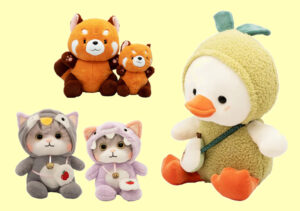
Industry Perspective: How Brands Create Viral Stuffed Animals
Today, the social media-based market is driven by animals that are stuffed. These animals can become viral in just a few days. Every viral product is accompanied by a carefully planned combination of psychology, storytelling, digital strategy, and supply chain expertise. From a business perspective, virality is typically caused by a planned action.
- Emotion-led Product Design
Viralized animals are intended to instill immediate emotional responses.
Abnormal proportions (wide eyes, spherical bodies, sluggish textures)
Expressions that convey ease, entertainment, or vulnerability.
Huggable-sized items that are specifically designed to feel emotionally attached to.
Brands focus on the concept of “immediate love” over the traditional idea of realism in toys.
- Acceptable, Shareable ID
Successful viral plush products have a simple, narrative-like identity.
Obvious silhouette
Short, memorable product descriptions
Adversity makes strange bedfellows (cute, eccentric, sluggish, or irritable)
This clarity promotes the sharing of products across platforms like TikTok and Instagram.
- The fashion industry’s position in relation to the toy industry is described as follows:
Brands instill viral-infected animals with a lifestyle partner, not as children’s toys.
Fashioned in the adult areas of living.
Incorporated into daily rituals (sleep, travel, and work from home)
Advertised as being emotionally calming or decorative items.
This increases the target audience’s size to include teens and adults, which increases the potential for viral expansion.
- Social-Primordial Strategy
Viral marketing is often facilitated by native content on platforms.
The early use of small influencers.
Authentic, organic content that feels paraphrase> Authentic, organic content that feels authentic
Supporting user-generated content (UGC)
Instead of traditional advertisements, brands utilize community amplification.
- Drops of limited quantity and the psychology of scarcity
The lack of availability of a particular thing has a significant impact on its virality.
Limited editions
Seasonal or tribute variations
Countdowns and restocking announcements
This induces FOMO (fear of missing out) and promotes social interaction.
- Fast Feedback Lists and Reiteration
Brands observe the social response in real time.
Commenting on posts, memes, and re-posts
Frequent changes in color, size, or personality.
Short product development deadlines
Agile production allows brands to take advantage of popular trends while they are still fresh.
- Powerful Brand Story and History
Many viral animals that are stuffed with plants have a similar feel to characters, not goods.
History and personality
Naming, consistency, and emotional properties
The consistent narrative across platforms.
This narrative promotes the idea that fans should develop emotional attachment.
- The Best That Can Be Done
Virality is attention-grabbing, but quality is what keeps up the success.
Wearable, long-lasting fabrics
Safe stitching and filling
enhanced toucher experience
Products that are effective in the real world have a long-term brand reputation.
- The significance of the cross-categories and cultural relevance
Brands take inspiration from more universal trends.
mental health and cultural comfort
algia and the beauty of the core
Meme culture and internet-based humor.
Viral plush products are often associated with emotional experiences that are collectively shared.
Stuffed Animals as Lifestyle Products
Once primarily considered toys for children, stuffed animals have evolved into products that represent the emotional needs of consumers, their personalities, and the aesthetic value of modern living. Today, they have a significant impact on home design, health, gift-giving, and even the culture of adults.
- Emotional comfort and well-being
Stuffed animals are increasingly recognized for their emotional support and stress reduction.
Help with anxiety, solitude, or lack of sleep
Admittedly, popular among adults for its relaxing effects and focus.
Frequently employed in therapy, hospitals, and health-related environments.
The emotional value of animals causes them to become personalized comfort allies, instead of just toys.
- Home Decor and Interior Design
Modern animals with fur are intended to complement modern interior design.
Minimalist, neutral, or pastel color collections
High-end fabrics and superior craftsmanship
Fashioned as aesthetic decorations for sofas, beds, and reading areas.
They serve as emotional components that imbue spaces with warmth and personality.
- Identity, Self-Expression, and Collectibility
Lifestyle consumers appreciate products that demonstrate individuality.
Character-driven design is based on personal preferences.
Limited editions and partnerships are popular among collectors.
Effective brand storytelling promotes emotional attachment.
Stuffed animals become symbolic of the choices made in life and the aesthetic preferences.
- The Gifting Culture and Its Social Impact
Stuffed animals are commonly utilized as gifts that are emotionally significant rather than practical.
Verbalize love, concern, and sympathy.
Adept at commemorating birthdays, holidays, and significant events in life.
Celebrated in long-term relationships and provides emotional support that is given.
Their common emotional appeal makes them an ideal gift option for all time.
- Sustainability and Conscious Purchasing
Today, lifestyle consumers are increasingly concerned with sustainability.
Request for environmentally friendly fabric and filler
A preference for environmentally friendly production and long-lasting designs.
Emotional value that is long-lasting decreases the amount of disposable consumption.
Stuffed animals that are aligned with environmentally sustainable values have a greater relevance to lifestyle.
- The digital culture and social media influence each other
Social media platforms have changed the way animals with fur are viewed.
Utilized as visual aids in lifestyle photography.
Participate in daily rituals, videos, and domestic content.
Establish emotional ties with brands through narrative-based communication
This invisibility of the animals’ existence is part of everyday life stories.
- From toy to companion
The modern stuffed animal is no longer limited by age.
Perfect for children, adolescents, and adults.
Combinations of materials that are both aesthetically pleasing and comforting.
Functions as a companion instead of a toy.
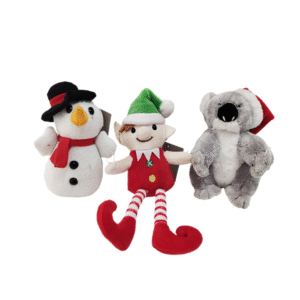
FAQ: Viral Stuffed Animals
What is the name of the viral fauna on TikTok?
They’re typically referred to as stuffed animals, plush toys, or by specific brand names like Squishmallows or Jellycat.
Why do adults purchase viral-filled animals?
Adults enjoy visiting museums that have stuffed animals that provide emotional support, nostalgia, aesthetic value, and stress relief.
Are viralized animal figurines collectibles?
Yes. Many are released in small quantities, which makes them collectible and sometimes reversible.
Do viral recreations of animals that are stuffed are more expensive than regular plush toys?
Frequently, yes, due to brand recognition, materials, and a lack of availability.
How long does a stuffed animal remain infectious?
Virality is different. Some are still popular for years despite community involvement and frequent updates.
Future Trends in the Stuffed Animals Market
Industry experts predict that augmented reality will be popular alongside digital technology. Predicted changes include:
AI-powered storytelling with an assist
Eco-friendly and reusable materials
Stuffed animals that can be personalized.
Brand partnerships with entertainment companies
Increased attention to adult consumers
These increases in development further demonstrate the importance of stuffed animals as emotionally significant, culturally appropriate products.
결론
What are the viral animals with stuffed flesh called? In general, they are still considered to be animals that are stuffed, but recounted for a digital-first, emotional marketplace. Whether considered as plush toys, characters with plushies, or collectible animal figurines, their success is attributed to their emotional bond with humans, their social media presence, and their cultural relevance.
As the behavior of consumers continues to shift towards relaxation, identity expression, and the telling of stories online, viral animals that are stuffed into animals are likely to remain a significant part of the global toy and lifestyle industry.