 Korean
 English
 German
 French
 Russian
 Spanish
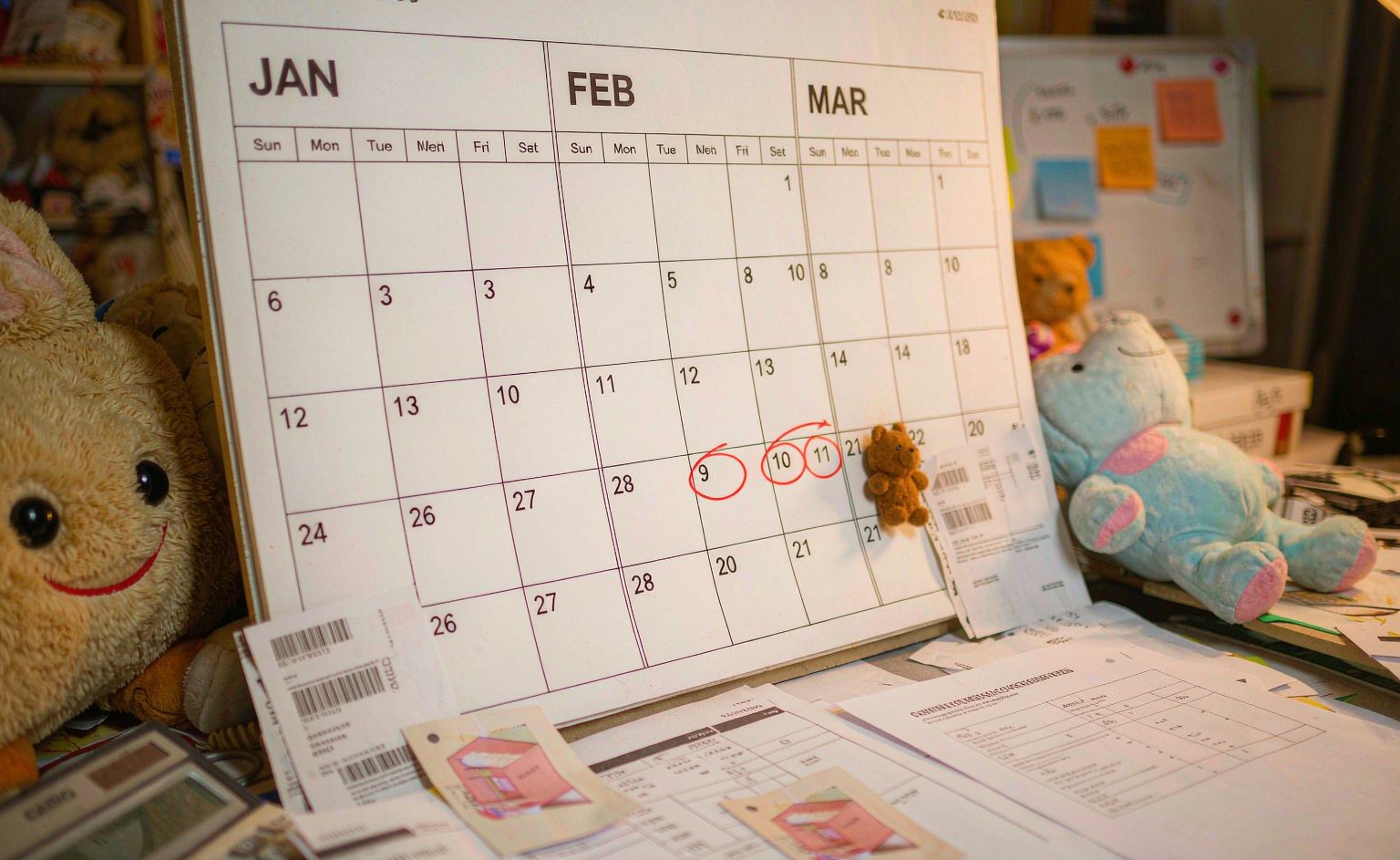
Chinese New Year 2027 falls on Saturday, February 6 — the Year of the Fire Goat. If you source plush toys from China, that date matters far less than the ones surrounding it: the operational disruption window runs roughly six to eight weeks, from mid-January to mid-March, and every deadline that decides whether your goods ship before the shutdown sits inside Q4 2026. Worse, CNY 2027 lands eleven days earlier than 2026, pulling the entire planning calendar forward into a period most importers are still treating as normal Q4 business.
에서 StuffPlush, we run our plush toy production through this cycle every year, and we watch the same failure repeat annually: buyers who plan against the eight official holiday days instead of the eight-week disruption band around them. This guide gives you the complete 2027 countdown — phase by phase, week by week — so your holiday plush program ships before the ports jam and your orders don’t slip to March.
The Four-Phase Reality of CNY (Not the 8-Day Myth)
The official 2027 public holiday is approximately February 5–11. The useful planning window is very different:
| 전시 기간 | Period (2027) | What Actually Happens | Buyer Impact |
|---|---|---|---|
| 1. Pre-CNY slowdown | Early January – Feb 4 | Workers begin traveling home (3+ billion passenger trips during Chunyun); lines thin from mid-January; factories stop accepting new orders; quality drift risk rises | New orders refused or priced at rush premiums; production priority goes to early bookers |
| 2. Full shutdown | ~Feb 5–11 (official) + travel tails | No production, no shipping, minimal communication — even your sales contact is offline | Radio silence; no problem-solving possible |
| 3. Gradual recovery | Feb 12 – early March | Doors reopen, lines don’t: staff return gradually, 20–30% worker turnover is common | Output at 50–70%; new-worker quality variance — schedule extra QC |
| 4. Full capacity | Mid-March onward | Normal production resumes; quality stabilizes by late March | The real “new year” for placing spring orders |
The critical insight: mid-January is when you lose the factory, not February. By the time the official holiday starts, the workers who would make your plush are already on trains home, and your factory stopped taking new orders weeks earlier.
The Master Countdown: Work Backward from February 6
Here is the complete 2027 planning calendar, built from our production schedule and consistent with standard sourcing-industry guidance:
| Deadline | Milestone | Why This Date |
|---|---|---|
| Mid-October 2026 | Lock supplier, sign contract, freeze specifications | Verification and quotation take time; holiday deadlines are the worst moment to discover a supplier problem |
| Early–mid November 2026 | Samples approved, tooling confirmed | Production tooling needs 20–40 days; a December production slot requires November sign-off |
| Before December 18–20, 2026 | Place order + pay deposit | The single most important deadline: orders confirmed before mid-December generally complete before the holiday; January orders almost always slip past it |
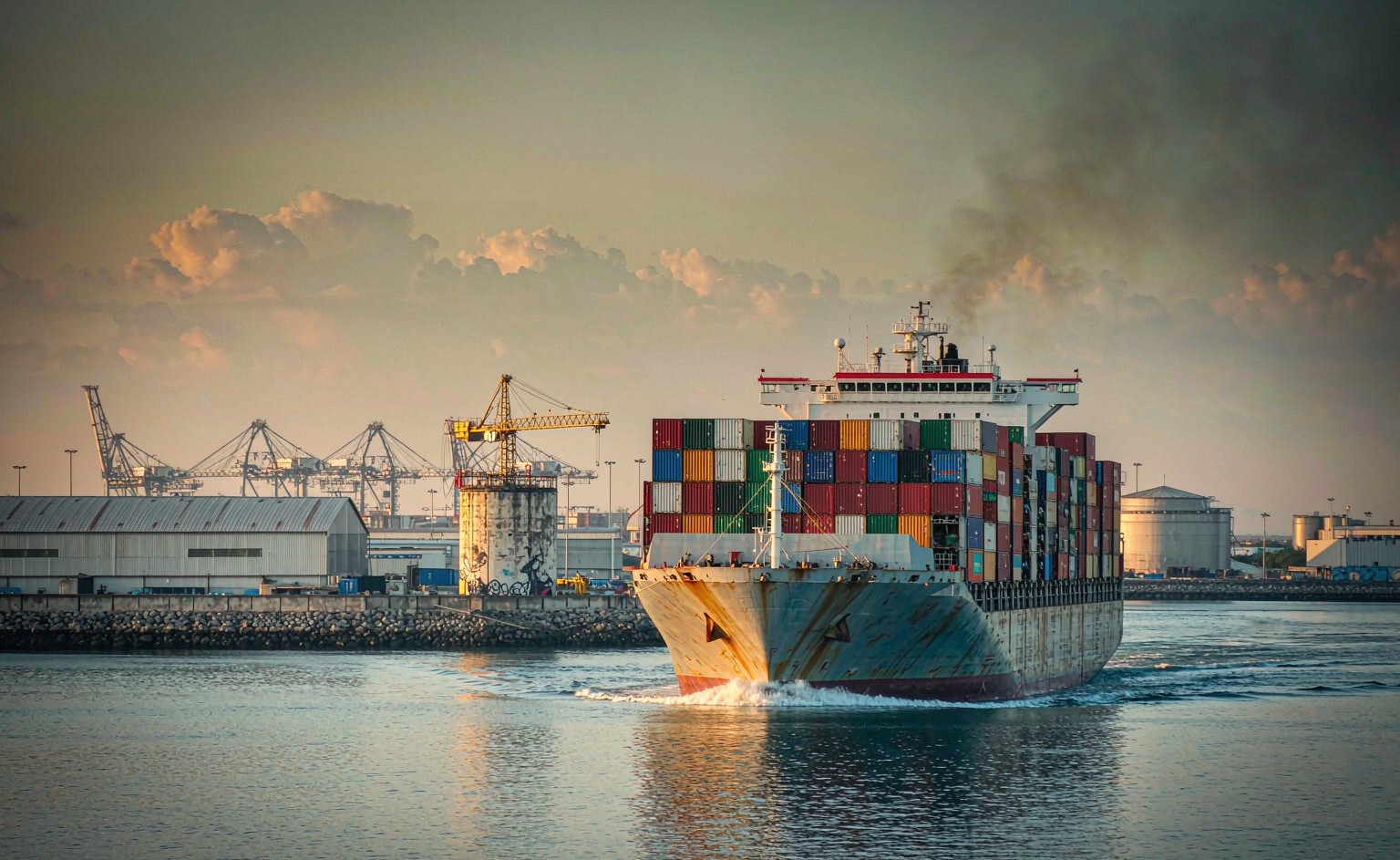
| Before mid-December 2026 | Book ocean freight space | Pre-CNY capacity crunch pushes rates +50–100% in January; space on vessels gets scarce weeks before the holiday |
| Early January 2027 | Production in full swing; weekly photo/video updates; schedule pre-production inspection | Written production schedule + weekly check-ins catch drift while there’s still time to fix it |
| January 22–28, 2027 | Goods loaded and vessel departs | Last realistic sailings before port congestion peaks; target the second-to-last working day, not the last |
| February 5–11, 2027 | Holiday window | Do not place orders, chase updates, or make large payments during this period |
| Late February 2027 | Recovery QC: schedule inspections for when lines stabilize | Catch new-worker quality drift before it reaches your shelf |
| Late March 2027 | Full capacity returns | The right moment to place Q2 orders |
The one-line summary for 2027: sample by November, order by December 20, ship by January 28 — or accept March delivery.
Why 2027 Is Tighter Than Usual
Three factors compress this year’s window:
- The 11-day shift. CNY 2026 fell in mid-February; 2027 falls on February 6. The mid-January production stop now sits barely two weeks after Western New Year — exactly when your own team is at half strength, catching up on December, and least likely to be chasing a Chinese factory for ship dates. The pinch point moved into your blind spot.
- Q4 collision. The pre-CNY order window (October–December) overlaps completely with Q4 holiday production. Factories are running Christmas programs at full tilt while trying to slot pre-CNY orders — capacity for new bookings is scarcer than the calendar suggests.
- Freight rate surge timing. The +50–100% January rate spike lands after the mid-December booking window closes. Late bookers pay peak rates for peak-congestion service — or wait until March.
What Happens If You Miss the Boat: Your Three Options
Missing the January shipping window is not a disaster — it is a predictable event with three standard responses:
Option 1: Accept a March Delivery (Usually the Right Call)
Rather than forcing a rush, plan stock levels around a March arrival. This is honest, cheap, and — critically — produces better quality than a factory sprinting in the final week before shutdown, when lines are half-staffed and supervision is already traveling. If your product’s sales season tolerates March, take it.
Option 2: Split the Order
Place the main order for pre-CNY production and split a smaller tranche for post-CNY delivery. This keeps some stock flowing in February while avoiding the quality and rate risks of a full rush program. It works best when your factory agrees early — negotiate the split in December, not January.
Option 3: Air Freight the Gap (Emergency Only)
Air freight covers 2–4 weeks of stock for a genuine gap, at 3–5× ocean cost. Use it surgically — top-up quantities of your best sellers only, sized to bridge until the ocean shipment lands. This is the scenario our Q4 rush manufacturing guide covers in depth: compressed sampling, guaranteed production slots, and expedited freight all carry premiums that only make sense against real stockout costs.
The Safety Stock Question: How Much Buffer Before CNY?
Standard guidance: hold 6–8 weeks of sales-cover inventory spanning the disruption window (mid-January through mid-March). For plush specifically, calibrate against your sell-through pattern:
| Your Sales Pattern | Recommended Pre-CNY Stock | Rationale |
|---|---|---|
| Steady year-round sellers | 8 weeks cover | The full disruption band plus a delivery buffer |
| Spring-peaking products (Easter, Mother’s Day) | 8–10 weeks cover | Easter programs start selling in March — your restock lands exactly when the disruption ends, so pre-stock deeper |
| Stable reorders from existing programs | 6 weeks + a standing post-CNY order placed in February | Your factory restart takes your order in the recovery queue earlier |
Ordering deeper pre-CNY is almost always cheaper than air-freighting an emergency top-up — the math favors buffer stock at ocean-freight rates in nearly every realistic scenario.
The Post-CNY Quality Trap (and How to Beat It)
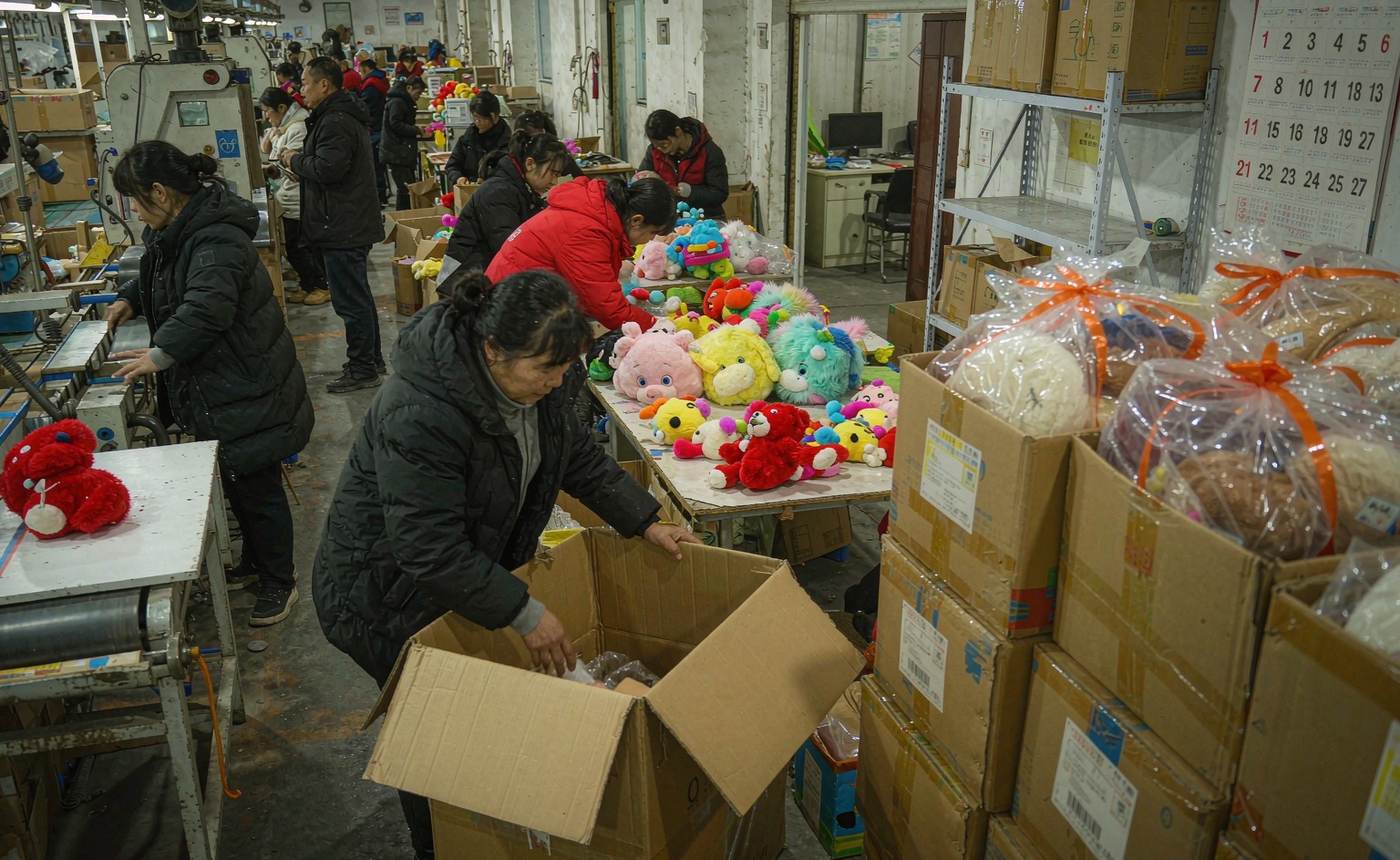
The least-discussed CNY risk is worker turnover: 20–30% of line staff commonly do not return to the same factory after the holiday. A February production slot may run with a heavily new crew — and new sewing operators produce the exact defects plush buyers know well: uneven stitch density, filling inconsistency, misaligned embroidery.
Three defenses, all schedule-driven:
- Shift your most tolerance-sensitive SKUs to pre-CNY production. Intricate embroidery, color-critical fabrics (see our velboa vs minky spec guide), and multi-material designs belong on the pre-holiday, full-veteran-crew lines.
- Schedule post-CNY inspections later, not earlier. A February 20 inspection catches a line that’s still forming; an early-March inspection checks a stabilized crew. Build the extra week into your delivery forecast instead of fighting it.
- Ask for crew continuity on your PO. Factories can often schedule returning veteran operators onto specific lines. It costs nothing to request and signals that you understand their operation.
Supplier Communication Checklist: Do These in October–November
- Get the factory’s actual closure dates in writing — they differ from the official government holiday, region by region, and factory by factory
- Collect a manager’s mobile number (and messaging app contact) — general email channels go dead for two weeks; emergency contacts don’t
- Confirm who owns post-CNY priority — get your restart position acknowledged in writing if you have a split order
- Pre-pay or pre-commit materials — many factories will buy raw materials early if you pre-pay, which speeds your restart slot
- Use the shutdown productively — February is the ideal month to plan Q2 development, finalize specifications, and audit your supply base for the year ahead
- Check your force majeure clause — a foreseeable, calendared event like CNY is generally not covered; scheduling around it is your job, not a contractual fallback
How StuffPlush Runs the CNY Calendar for You
에서 StuffPlush, CNY planning is built into our production system, not left to buyer vigilance:
- Guaranteed pre-CNY production slots for orders confirmed by our published deadlines (mid-November for sampling, mid-December for orders), with written schedule commitments
- Veteran-crew scheduling for tolerance-sensitive programs before the holiday and stabilized-line inspection slots after restart
- Freight coordination — we pre-book vessel space for pre-CNY programs and quote air-freight bridge options with honest math when timelines slip
- Transparent communication — our team stays reachable through the holiday window for anything genuinely urgent, and we tell you plainly in December what will and will not ship before the shutdown
If you are planning a custom plush program for spring 2027 delivery, 문의하기 now — the countdown to February 6 is already running, and the buyers who treat it as a Q4 project are the ones whose goods sail in January instead of waiting for March.
자주 묻는 질문
2027년 설은 정확히 언제이며, 공장들은 실제로 얼마나 오래 문을 닫나요?
Chinese New Year 2027 falls on Saturday, February 6 (Year of the Fire Goat). The official public holiday runs approximately February 5–11, but the operational disruption is far longer: factories slow from mid-January as migrant workers travel home, close fully for the holiday week, and recover gradually until mid-March — a total disruption band of 6–8 weeks. Always confirm your specific factory’s closure and restart dates in writing; they vary by region and company.
중국 신년 이전 배송을 위해 플러시 장난감 주문을 접수할 수 있는 최종 마감일은 언제인가요?
For standard 30–45 day production programs, confirm the order and pay the deposit by December 18–20, 2026, with samples and tooling approved by early December. Orders confirmed before mid-December generally complete production before the holiday; January orders almost always slip past it. If you are past that date, plan for a March delivery or a split order rather than paying rush premiums for a compressed program on a thinning line.
베트남 공장에 대해서도 걱정해야 하나요?
Yes. Tet (Vietnamese Lunar New Year) falls on the same date — February 6, 2027 — and Vietnamese factories close for a broadly similar period, often slightly longer in practice because Tet carries even greater cultural weight. A China-plus-Vietnam dual sourcing strategy does not dodge the calendar problem: both shutdowns move together, so stagger orders by product line, not by country.
중국 설 전에 화물 운임은 얼마나 오르나요?
Ocean freight rates from major Chinese ports typically rise 50–100% in the four to six weeks before CNY as every importer in the world competes for vessel space, and last-minute bookings can be significantly worse. Book your sailing slot as early as your production timeline allows — ideally locking space by mid-December 2026. A freight forwarder with existing carrier relationships can often secure space a first-time importer booking cold will miss.
중국 신년 전에 재고를 추가로 주문해야 할까요? 그리고 얼마나 주문해야 할까요?
For most importers, yes: hold 6–8 weeks of sales-cover inventory spanning the mid-January to mid-March disruption window, ordering at ocean rates in Q4 rather than air-freighting an emergency top-up later. Calibrate deeper (8–10 weeks) for spring-peaking products like Easter plush, whose restock cycle lands exactly at the end of the disruption. The buffer-stock math favors pre-ordering in virtually every realistic scenario.
중국 설 이후 품질에는 어떤 변화가 있나요?
Post-holiday worker turnover of 20–30% is common, and February production runs on heavily new crews — producing exactly the defects plush buyers know: uneven stitch density, filling inconsistency, embroidery misalignment. Defenses: schedule your most tolerance-sensitive SKUs for pre-CNY production with veteran crews, delay post-CNY inspections to early March when lines stabilize, and request crew continuity in your purchase order.
Conclusion: The Countdown Is Already Running
Chinese New Year does not surprise experienced importers — it just punishes the ones who plan against the official holiday instead of the operational window around it. For 2027, the math is simple: sample by November, order by December 20, ship by January 28. Every week those milestones slip, your options narrow and your costs rise — and the 11-day-earlier calendar means the slack you enjoyed last year is already gone.
에서 StuffPlush, we plan every client program against the CNY calendar by default — guaranteed production slots, veteran-crew scheduling, freight pre-booking, and honest March-delivery advice when the timeline genuinely doesn’t close. If your spring 2027 plush program is still unscheduled, 문의하기 this week: the countdown to February 6 rewards the buyers who start earliest.