 English
  German
  French
  Russian
  Korean
  Spanish
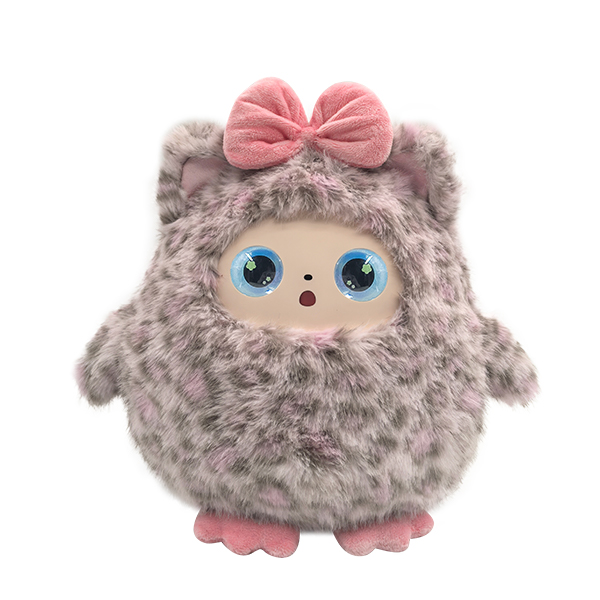
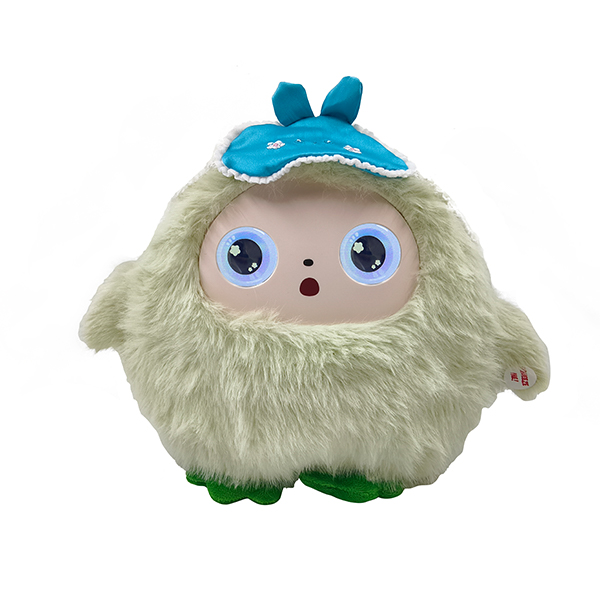
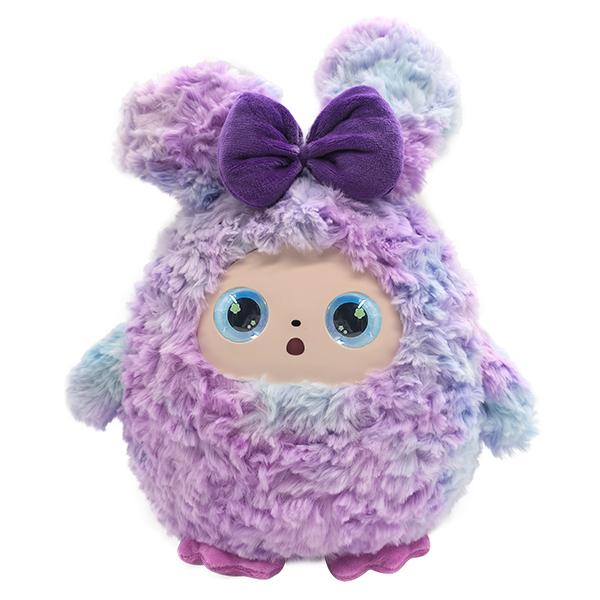
Moving from digital-only branding to tactile physical merchandising requires a massive operational shift. Poorly executed branded merchandise actively depreciates brand equity and damages customer trust. Transforming a flat 2D logo or digital character into a structurally sound, 3D premium plush toy introduces significant design-to-production risks. Buyers face distorted brand dimensions, unsafe material substitutions, long prototyping delays, and unexpected freight costs.
You must treat this transition from digital asset to physical product as a strict structural engineering exercise where art meets joy. The objective of this guide is to map out a highly systematic process for buyers. It will help you evaluate specifications, manufacturing criteria, custom packaging options, and rigid quality standards. Following these exact steps ensures the successful production of premium plush companions and corporate merchandise suitable for all ages.
Key Takeaways
- Translating a flat brand mark into a plush requires specific structural considerations to maintain vector proportions, ensuring a highly accurate 2D to 3D transition.
- True brand value is captured through material selection; choosing premium fabrics and embroidery over cheap sublimation differentiates a standard giveaway from a high-quality stuffed animal.
- A fully realized custom plush toy with logo requires retail-ready finishing, including custom woven tush tags, branded hang tags, and protective packaging.
- Relying exclusively on unit cost (price per item) masks total cost of ownership (TCO) drivers, primarily shipping volume due to product displacement (dimensional weight) and prototype iteration costs.
- Strict consumer product safety compliance (such as ASTM F963 and EN71) is non-negotiable for items targeted at users of all ages; this requires thorough vendor vetting.
Framing Your Criteria: Success Metrics for a Custom Plush Toy With Logo
Defining your specific project scope establishes the necessary baseline for manufacturing success. You must contrast the objective of producing high-fidelity brand representations against standard low-quality giveaway manufacturing. A premium approach requires durable materials, accurate color matching, and internal structural balance.
Identifying the Primary Use Case and Monetization Strategy
Your intended use case directly dictates the production budget, material specifications, and regulatory requirements. Identifying this early prevents wasted capital during the sampling phase.
Retail product lines and crowdfunding campaigns (such as Kickstarter) demand exact SKU consistency. They require high perceived value to justify standard retail markups. Premium retail packaging and bespoke hang tags become mandatory elements here. Internal corporate onboarding or employee engagement gifts prioritize physical quality. These items serve as tangible representations of company culture. They must evoke a sense of joy and belonging. B2B tradeshows or high-volume client giveaways require a different balancing act. You must weigh a high-quality brand impression against logistical transport considerations and strict budget ceilings.
| Deployment Strategy | Primary Goal | Material Priority | Packaging Requirement |
|---|---|---|---|
| Retail / Crowdfunding | Profit margins and brand scaling | Premium Minky, custom embroidery | Custom branded display boxes, hang tags |
| Employee Engagement | Cultural integration and morale | High-softness Velboa, dense stuffing | Individual dust bags, personalized note cards |
| Trade Show Giveaways | Volume distribution and visibility | Durable short-pile fabric, firm fill | Standard protective polybags |
Technical Translation Hurdles
Translating digital art into physical fabric presents immediate technical engineering challenges. Asymmetrical logo shapes require careful pattern planning. You must identify which parts of a logo require separate plush geometry versus simple embroidered surface detailing.
Simplifying gradients and floating elements demands practical compromise. You must translate complex digital color gradients into solid, distinct fabric panels. Physical fabric cannot easily replicate a smooth digital gradient without looking cheap. Floating vector assets require physical connections. You must tether these floating elements to the main plush body using clear acrylic rods, embroidered lines, or structural fabric bridges without losing brand recognition.
Color-matching reality introduces another layer of manufacturing complexity. Digital screens display hex codes using light, but factories use chemical fabric dyes. You must standardize your digital colors against physical Pantone Matching System (PMS) limitations. Specific fabric dye lots can vary. Thread-matching for embroidery ensures total logo integrity across the final assembled product.
The Vector to 3D Plush Design Engineering Process
Aligning physical geometry dictates stability. Standard fashion or apparel manufacturers frequently fail at plush creation because they do not understand volumetric stuffing pressure. Soft goods require a highly specialized vector to 3d plush design methodology to succeed.
Drafting the Plush Tech Pack
You must draft a comprehensive technical specification pack before contacting any factory. This document serves as your manufacturing blueprint. Start by analyzing orthographic projections. Your prototype artist requires highly accurate front, side, and back profile views. Establish proportional benchmarks immediately. Set maximum dimension limitations before internal seam pressure becomes a tearing risk.
Map the structural viability of the design through a defined physical checklist:
- Neck Width: Avoid ultra-thin necks. Narrow passages restrict stuffing flow and cause the head to flop over time.
- Limb Proportions: Ensure arms and legs have enough girth to hold internal polyester fiberfill without bunching.
- Center of Gravity: Design the base with sufficient surface area and weight distribution so the item can sit or stand independently.
- Seam Placement: Strategically hide joining seams along natural design breaks or under overlapping fabric layers.
Material Architecture and Prototyping
Your base material choice dictates the tactile user experience and perceived value. You must evaluate options based on durability, pile length, and softness.
| Fabric Type | Characteristics | Best Application | Quality Tier |
|---|---|---|---|
| Soft-Pile Minky | Ultra-soft, slight stretch, dense fibers. | Premium retail toys, baby items. | High |
| Velboa | Slightly shorter pile, durable, holds complex shapes well. | Detailed mascots, complex geometries. | Medium-High |
| Sherpa | Textured, mimics wool or fleece, very warm. | Specific character accents (sheep, bears). | Medium |
| Craft Felt | Rigid, zero stretch, pills rapidly with friction. | Internal stiffeners, cheap promotional items. | Low |
Deciding on internal stuffing defines the item’s form and weight. Define exact GSM (Grams per Square Meter) ratios for the polyester fiberfill. You must balance firm display positioning against cuddly, soft attributes suitable for people of all ages. Evaluate eco-friendly options during this planning stage. Specifying 100% recycled PET stuffing appeals to modern sustainability metrics and corporate ESG goals.
Logo Application Modalities
Applying your branding requires choosing the correct textile method. Embroidery yields premium structural integrity and high emotional value. It completely avoids the rapid fading common to heat transfers. You must carefully evaluate placement considerations for odd-angled designs. Poor placement causes severe logo stretching when the factory stuffs the toy.
Screen printing works only on very short-pile fabrics. It remains prone to cracking or peeling over time. Producing a premium custom plush toy with logo usually mandates direct embroidery or sewn appliqués to maintain brand equity across years of physical handling.
Assessing an OEM Custom Plush Toy Manufacturer
Sourcing logistics define your long-term supply chain stability. You must use strict evaluation dimensions when auditing vendor credibility. Partnering with a specialized custom plush toy manufacturer prevents catastrophic production failures and ensures regulatory compliance.
Minimum Order Quantities (MOQ) and Tiered Pricing
Break down the fundamental cost drivers in plush toy creation. Setup costs, physical sampling costs, machine tooling, and laser die-cutting demand upfront capital investment from the factory. Reputable factories require specific order volumes, typically starting around 500 units, to justify these setup phases.
Ultra-low MOQs typically signal extreme supply chain danger. Factories offering orders of 50 units often utilize leftover, low-grade scrap fabrics. They also routinely skip mandatory safety testing protocols to maintain artificial profit margins.
Retail-Ready Branding, Labels, and Packaging
Your plush requires professional, retail-ready finishing touches. Ensure the chosen manufacturer can integrate custom woven, legally compliant sewn-in tush tags. These tags must list exact material compositions, production dates, washing instructions, and country of origin details.
Evaluate their capabilities for producing branded cardboard hang tags. These should include functional barcodes, pricing information, and brand storytelling. Specify custom-printed protective polybagging to shield individual units from moisture and warehouse dust during transit.
Production Auditing and Regulatory Compliance
Establish rigid safety compliance requirements based on your intended demographic. Items deemed suitable for all ages face intense global regulatory scrutiny. Request immediate verification of testing documents from third-party laboratories.
- U.S. Markets: Mandate strict adherence to CPSC standards and ASTM F963 protocols.
- European Markets: Require comprehensive EN71 testing and CE marking.
- Physical Testing: Labs must test for flammability limits, heavy metal toxicity, and severe choking hazards.
- Hardware Scrutiny: Eye and joint hardware present the highest detachment risks. Pull-testing to specific tension weights is mandatory.
Ensure the factory holds active ISO 9001 certifications for quality management. Request recent ethical labor standard reports (like SMETA or BSCI) to prevent any brand-damaging supply-chain liability.
Evaluating Format Alternatives for Corporate Deployments
Format flexibility maximizes your physical marketing reach. Standardizing core brand requirements across multiple form factors positively impacts your return on investment.
The Classic Custom Corporate Mascot Plush
A custom corporate mascot plush serves as a powerful standalone brand ambassador. Define strict structural parameters for the character designs early in the drafting phase. Decide between standing versus seated postures, as this dictates the entire pattern layout.
Assess internal structural framing options. Wire armatures offer highly adjustable, dynamic poses but introduce potential safety risks if the wire punctures the fabric. Polypropylene (PP) plastic pellet weighting in the base or feet ensures the character achieves standalone balance on a desk without requiring internal metal skeletons.
Wearables and Everyday Carry
Translating detailed designs into custom branded plush keychains requires aggressive scaling adjustments. Adjust your logo resolution requirements carefully. Moving from a standard 8-inch plush down to a 3-inch keychain footprint drastically reduces available detail.
Needle density restrictions mean small text will blur into unrecognizable blocks. You must simplify the logo vector for this format. Pay close attention to hardware component considerations. Verify the durability of the lanyard loop. Assess the zinc-alloy carabiner quality and mechanically test the keyring anchor stitch under heavy load.
Functional Merchandising (Branded Pillows)
Branded pillows merge functional comfort with passive brand exposure. Structure your logo deployment on flat, wide surface spaces. This specific format bypasses complex 3D character geometries entirely. Incorporate contour-cut designs that match the exact outline of your logo. Use high-quality, dense memory foam or premium poly-fill materials. This creates highly desirable, functional merchandise for corporate offices, reception areas, or VIP client lounges.
TCO/ROI and Implementation Risk Management
Focusing purely on the initial unit price hides massive financial variables. You must calculate the final landed cost. Hidden expenses frequently emerge in international soft goods manufacturing, destroying projected profit margins.
Prototype Iteration Traps and Approval Workflows
Mitigate round-trip delay cycles effectively. Force the provision of extensive reference documentation prior to the initial physical sample creation. Navigate the standard 3-round revision process systematically. Understand the distinct difference between digital photo approvals and physical sample delivery.
- Round One: Factory provides photos of the raw, unstuffed skin to verify proportions.
- Round Two: Factory provides photos of the stuffed item to verify volume and embroidery placement.
- Round Three: Factory ships the physical sample for tactile review and final sign-off.
Limit unnecessary aesthetic changes during this phase. Scope creep severely delays your mass production timeline and incurs heavy sampling fees.
Dimensional Weight, Freight Vulnerabilities, and Fulfillment
Producing bulk custom stuffed animals introduces a major logistical paradox. They feature high volume but low actual weight. Freight carriers charge based on volumetric weight (dimensional weight), meaning shipping air costs money.
Evaluate vacuum-sealing mitigation strategies closely. Vacuum packing drastically reduces shipping volume, often cutting freight costs by 40%. However, you must evaluate its impact on the long-term integrity of the internal stuffing. Secure FOB (Free On Board) or DDP (Delivered Duty Paid) shipping classifications into your initial budgetary planning to prevent surprise customs invoices.
Finally, assess available fulfillment services. Determine if the manufacturing partner offers direct-to-consumer dropshipping integrations. Ask about their capacity for split shipments to multiple global corporate offices or their rates for extended warehouse storage.
Conclusion
Moving from a digital asset to a physical companion is a multi-disciplinary effort. It prioritizes exact 2D structural integrity, high-quality fabric choices, bespoke retail tagging, and stringent safety standard implementations. Avoid non-specialized promotional goods providers. Instead, shortlist specialized plush manufacturers capable of marrying exact brand replication with premium tactility. This meticulous approach ensures the emotional response essential to successful consumer-facing products.
Take these actionable next steps to initiate your custom plush manufacturing project:
- Audit your existing vector assets to finalize color hex codes and gather multi-angle visual references.
- Compile a strict intended usage specification sheet detailing required scale, quantity, function, and packaging needs.
- Establish your mandatory safety certification requirements based on your target global distribution regions.
- Contact a specialized manufacturer to schedule an initial prototyping consultation and comprehensive tech pack review.
FAQ
Q: What is the standard production timeline for a custom plush toy with logo?
A: The timeline varies based on specific iterations. Expect 15 to 20 days to transition from vector designs to a physical 3D sample. Mass production typically requires 30 to 40 days. Freight transit times add further duration depending on your chosen shipping method.
Q: How are odd-shaped logos translated into physical stuffed animals?
A: Manufacturers adapt odd shapes using specific formats. They can embroider the logo onto a standalone plush shield. They can appliqué it to standard plush silhouettes. Alternatively, they can render the logo directly as the core structural character using contour-cut pillows.
Q: Can I add my own branded tags to the plush toys?
A: Yes. Reputable manufacturers provide integration options for custom woven sewn-in tush tags. These must legally contain mandatory safety and material origin information. You can also add branded cardboard hang tags attached securely via plastic swift tacks.
Q: What safety certifications must a plush manufacturer carry if distributing products for children?
A: Products deemed suitable for all ages require rigorous testing. U.S. distribution mandates CPSC standards, while the EU requires EN71 compliance. You must secure lab testing certificates confirming the absence of sharp hardware, lead, flammability issues, or pull-detachment risks.
Q: Are bulk custom stuffed animals compressed during shipping?
A: Yes, factories frequently use vacuum sealing to extract air. This minimizes dimensional freight costs. However, it dictates specific requirements for rebound resting time after unboxing. Letting the toys rest ensures the plush fiber memory fully recovers its intended shape.
Q: What is the minimum recommended size for legible logo embroidery?
A: Technical limitations dictate embroidery sizing. Logos should usually not fall below 2 inches wide. Needle density restrictions cause thread bunching on smaller designs. Experts advise larger placements or simplified logo alternatives for scaled-down items like plush keychains.