 English
  German
  French
  Russian
  Korean
  Spanish
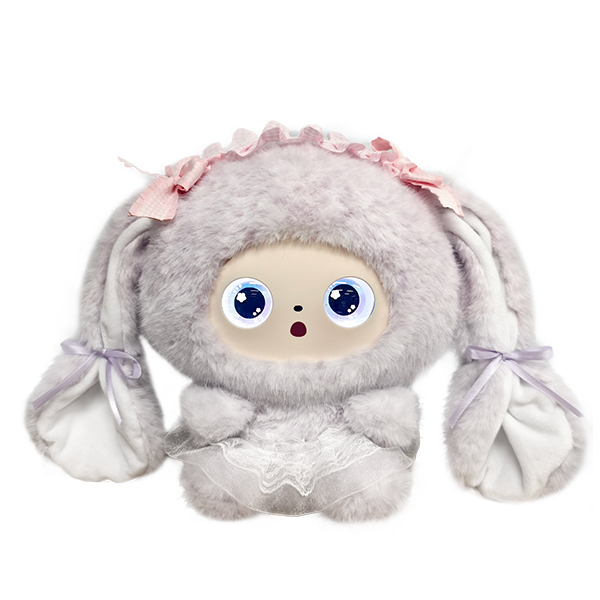
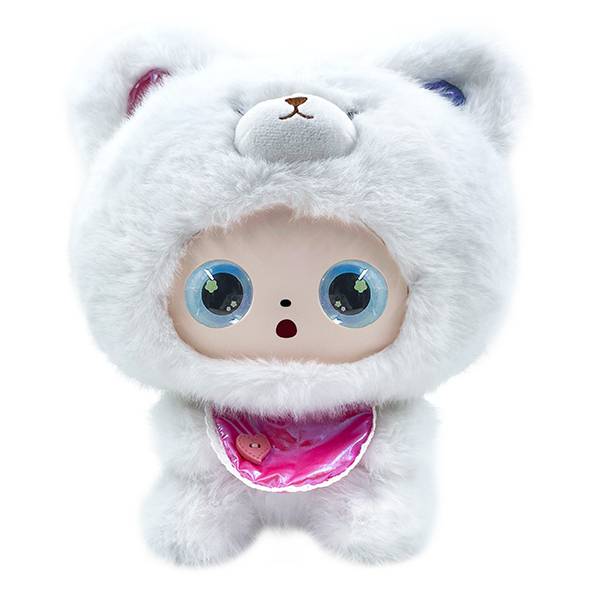
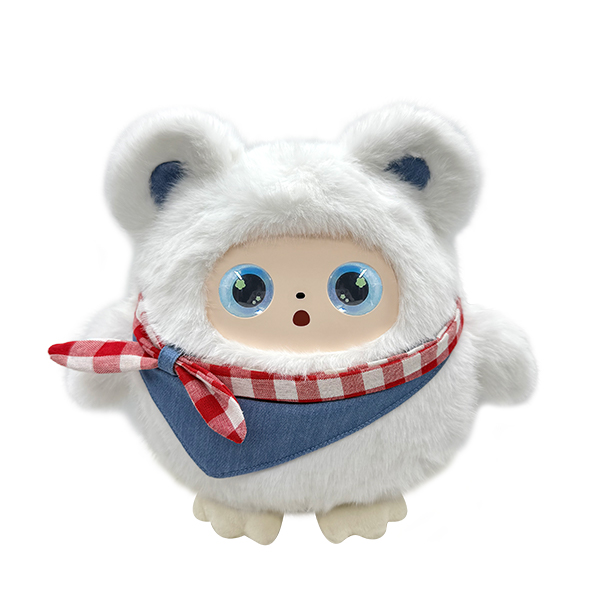
Plush toys multiply. A birthday, a holiday, a school fair, and suddenly a child’s room holds forty soft animals with no obvious home. Knowing how to store plush toys well is not really about tidiness — it is about keeping them clean, keeping their shape, and keeping the favourites within reach instead of buried at the bottom of a box. Poor storage does real damage: compressed filling that never recovers, dust and moisture that create odour, and sunlight that fades colours permanently. This guide on how to store plush toys covers the storage methods that work, how to choose between them, and the room-by-room ideas that survive contact with actual children. It pairs directly with our plush toy washing and care guide, because clean-dry storage only protects a toy that went in clean, and with our buying guide if you are deciding how many toys a collection really needs.
Why Storage Determines How Long Plush Lasts
Four forces damage stored plush, and storage is the only defence against all of them.
Compression is the most common. A toy squashed under a pile for months loses loft; polyester fill can recover partially with washing and brushing, but a toy stored tightly for a year may never regain its original shape. Dust settles into pile and carries allergens, which is why open shelving in a bedroom needs a cleaning routine. Moisture is the serious one — in a damp cupboard or a loft, plush can develop mildew odour that survives washing, and in the worst cases mould that cannot be safely removed. Light fades dyes, especially on bright and pastel colours, and prolonged direct sun exposure can make one side of a toy visibly paler than the other.
Knowing how to store plush toys well means addressing all four: space that avoids compression, a barrier against dust, a dry environment, and shade. The rest of this guide is about how to get those conditions in a real home without turning the room into a museum.
Before You Store Anything: The Clean-Dry Rule
Never store a dirty or damp toy, which is the first rule of how to store plush toys safely. Food residue, body oils, and skin cells attract pests and create odour in a sealed container; even a slightly damp toy can mildew inside a plastic bin within days. Before long-term storage, wash according to the care label, dry completely — including the interior filling, which holds moisture far longer than the surface — and brush the pile back up. If you are unsure about the right method for a particular fabric, the technique tables in our washing guide cover machine, hand, and spot cleaning by material.
For toys with electronics, sound units, or battery packs, remove the batteries before storage. Leaking cells destroy fabric and corrode contacts, and a sealed container makes the damage worse before anyone notices.
Choose a Storage Method by Goal
There is no single best answer to how to store plush toys, because the right method depends on whether you are optimising for access, display, or protection. This table compares the five methods that cover most homes.
| Method | Best for | Dust protection | Compression risk | Approx. cost |
|---|---|---|---|---|
| Open shelving | Display and daily access | Low — needs dusting | None | Low |
| Hanging fabric organiser | Medium collections, small rooms | Medium | Low | Low |
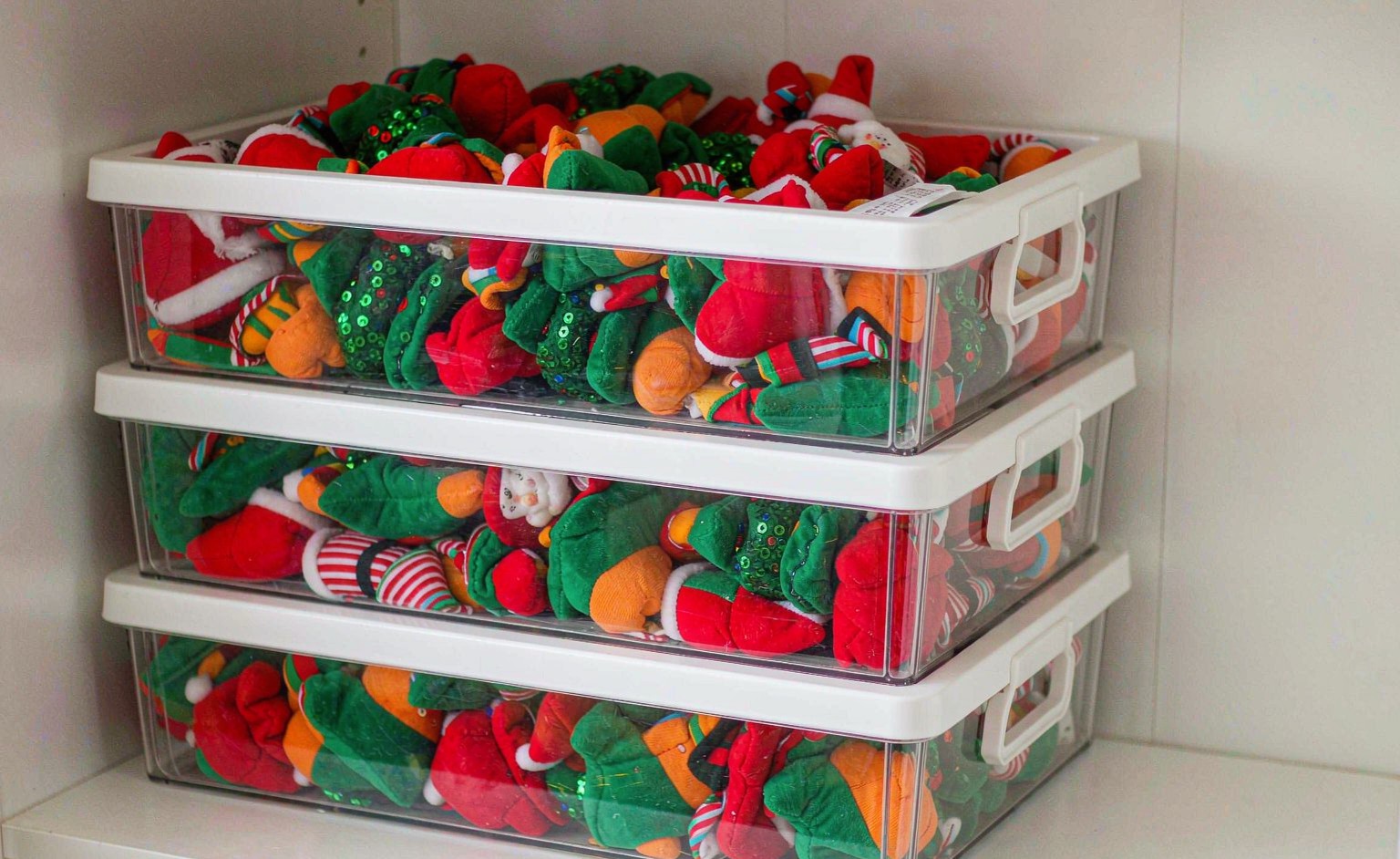
| Clear lidded bins | Seasonal and long-term storage | High | Medium if overfilled | Low–medium |
| Vacuum compression bags | Bulky items, moving house | High | High — avoid for long term | Low |
| Net hammock or corner net | Large collections, unused corners | Low | None | Low |
The key insight for anyone deciding how to store plush toys: vacuum bags are for moving, not for storing. They are excellent for getting a giant toy through a house move, but leaving a plush toy compressed for months is the fastest way to flatten filling permanently. Use them short-term only.
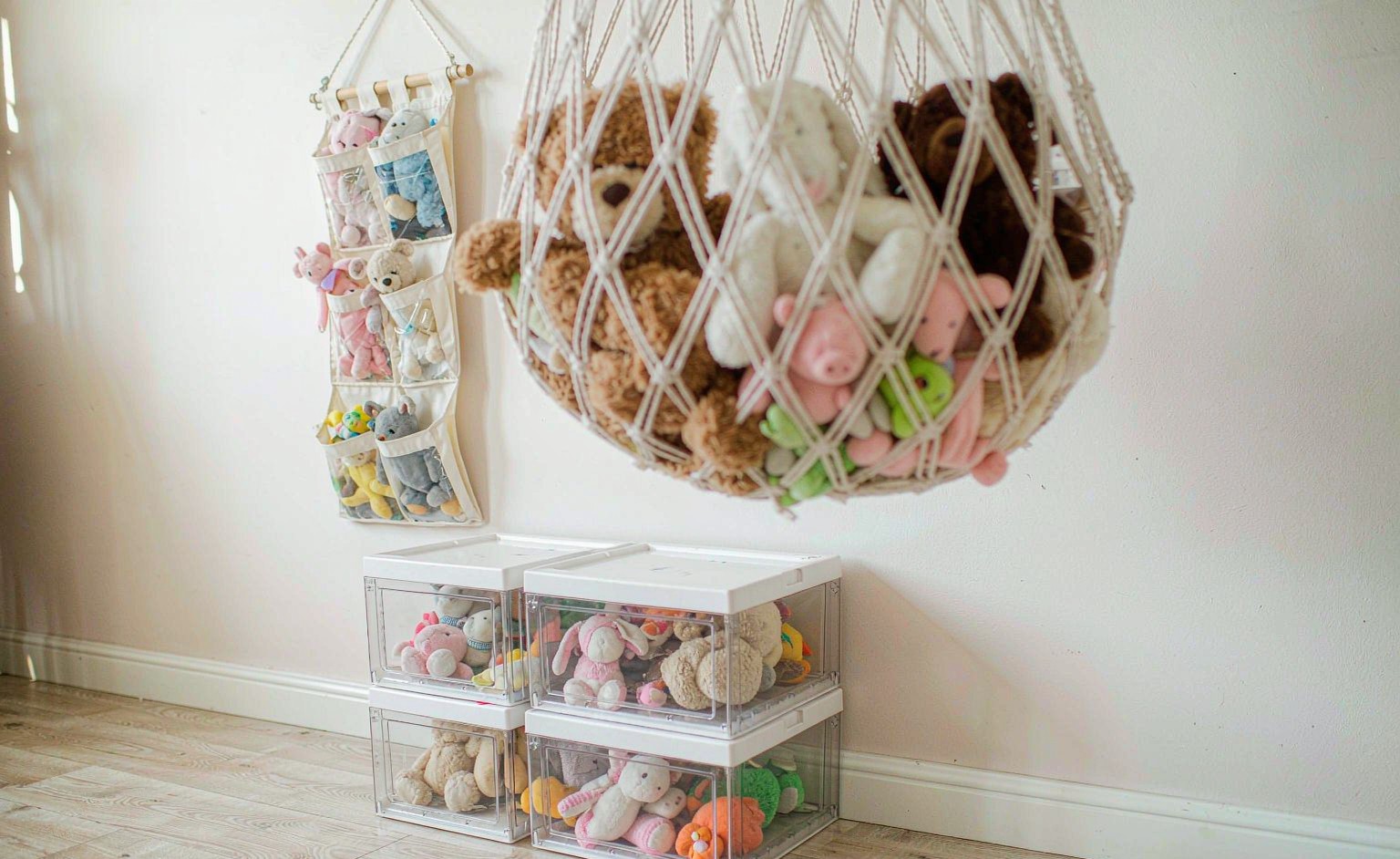
Room-by-Room Storage Ideas
| Room | Practical approach | Best for |
|---|---|---|
| Nursery or bedroom | Low open shelves plus one lidded bin for rotation | Everyday favourites within reach |
| Playroom | Hanging organiser on the back of a door, labelled bins by size | Large mixed collections |
| Living room | One displayed group on a shelf, rest rotated out | Keeping the room adult-friendly |
| Bedroom (adult collector) | Closed cabinet with glass doors, away from direct sun | Display plus dust protection |
| Loft or garage | Only if dry and temperature-stable; use sealed bins with desiccant | Seasonal items |
| Under-bed | Flat lidded containers, not vacuum bags | Bulky items used occasionally |
Two rules apply everywhere you need to store plush toys. Keep the favourites accessible — a child who can reach three or four toys will actually play with them, while a child facing a sealed bin will not. And label everything if you rotate, because the toy that gets requested is usually the one in the box nobody can identify.
Protecting Against Dust, Moisture, and Sunlight
Each of the three threats needs a specific response when you store plush toys.
Dust: for open storage, a weekly pass with a microfibre cloth or a vacuum with a brush attachment is enough. For long-term storage, use lidded containers rather than open baskets, and add a breathable fabric cover rather than sealing a toy in plastic for years — long-term airtight sealing can trap residual moisture.
Moisture: aim for a stable, dry environment. Avoid lofts that swing between hot and cold, and avoid exterior walls where condensation forms. Toss a silica gel desiccant sachet into each storage bin and replace it annually. If you live in a humid climate, check stored toys at the start and end of the wet season.
Sunlight: keep displayed toys out of direct sun. A shelf opposite a bright window fades toys faster than people expect, and rotating the display every few months spreads the exposure evenly.
Pests: in any long-term storage, check for signs of moths or rodents twice a year. Cedar blocks or lavender sachets are a reasonable deterrent, though they are not a substitute for a clean, sealed container.
Rotation: The Trick That Solves “Too Many Toys”
Families rarely want to throw toys away, and rarely have room for all of them. Rotation resolves both. Keep 8–12 toys accessible and store the rest in labelled bins, then swap the contents every four to eight weeks. Children treat returned toys like new ones, which reduces the pressure to buy more, and the stored portion stays in better condition because it is not being handled daily.
Rotation also makes cleaning manageable, which is another reason how to store plush toys matters more than it looks: only the active set needs regular washing, and each swap is a natural moment to wash the outgoing group before it goes into storage. This is the single most effective answer to how to store plush toys in a home that does not have a spare room.
Storing Large and Oversized Plush
Giant toys need different handling when you store plush toys. A metre-tall bear will not fit a shelf, and dragging it by a limb is how seams tear. Store oversized items in large breathable bags or flat under-bed containers, support the body rather than hanging it, and never compress them for long periods. Our guide to giant plush toys covers size planning and the cleaning routines that keep large items manageable.
For a toy that is too big for any container, a dedicated corner with a washable cover works well: a large cotton cover over a floor cushion is cheap, washable, and keeps dust off the toy without hiding it. How to store plush toys of that size ultimately comes down to support, space, and keeping them off the floor.
Seasonal and Long-Term Storage
Holiday plush is the category most often damaged in storage, because it goes into a loft in January and comes out in November having spent ten months in an uncontrolled environment. Use sealed bins with desiccant and store them in an interior cupboard rather than a loft where possible, and check the contents before the season starts. If your collection includes Halloween, Christmas, or other seasonal characters, our pages on Halloween plush, Christmas stuffed animals, and holiday plush show the range that gets packed away each year. Learning how to store plush toys across seasons prevents most of that damage.
Safety Notes for Stored Toys
Storage creates a few safety considerations that are easy to miss. Avoid storing plush in a cot or sleep space for an infant — the safe-sleep guidance is clear that soft objects should not be in that environment, regardless of how tidy they look. Keep storage units anchored so that a child climbing for a favourite toy cannot pull a shelf over. And check stored toys for loose components before returning them to a child: a safety eye that has worked loose in storage is a hazard the moment the toy comes back into use. For age-specific guidance, see our article on safe plush toys for babies.
When Storage Becomes Display
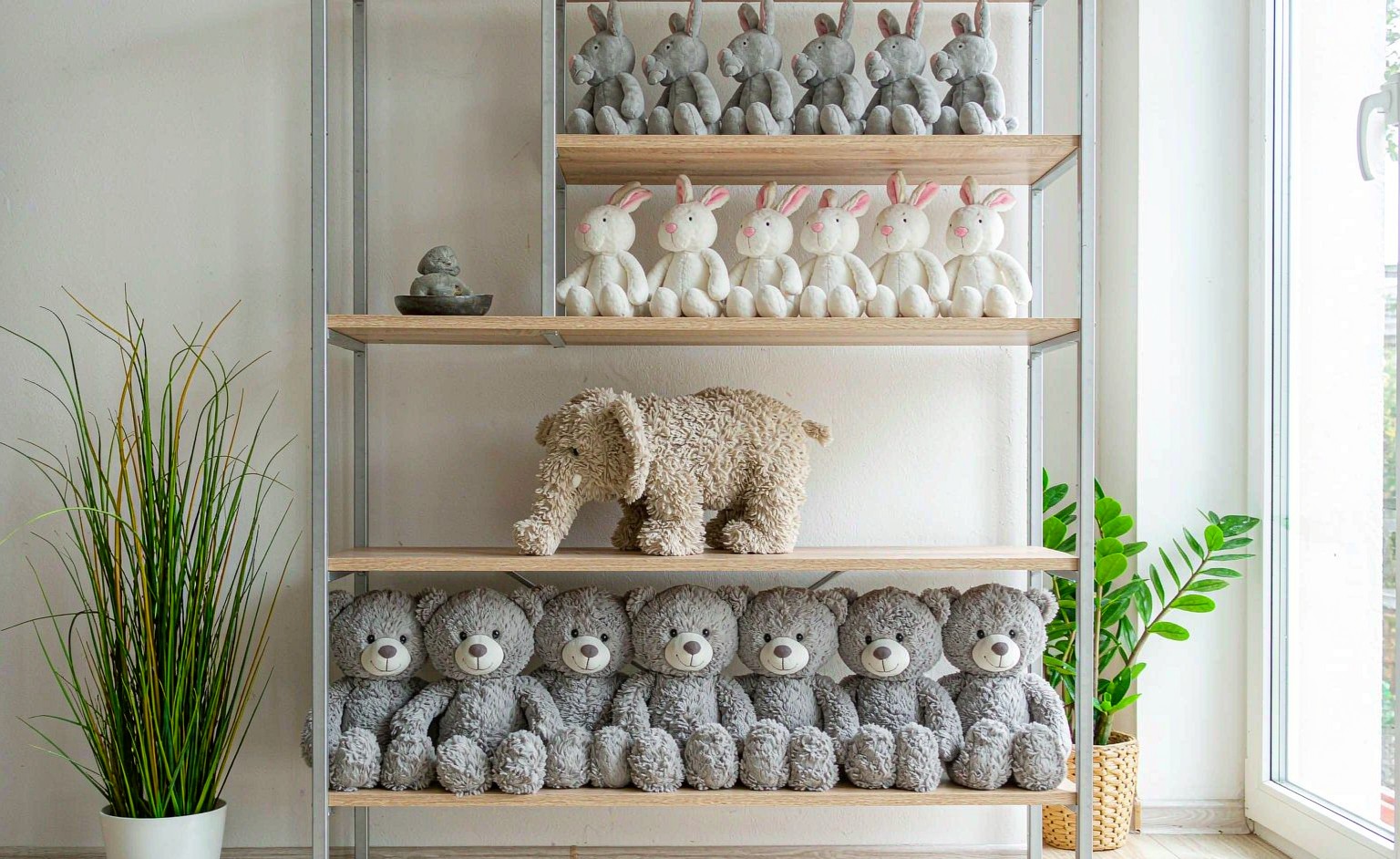
Some collections deserve to be seen, and display is a legitimate way to store plush toys. If you are displaying rather than hiding, three choices make the difference between charming and cluttered: group by colour or theme rather than scattering, use consistent heights so the shelf reads as one arrangement, and leave empty space — a shelf at 70% capacity looks intentional, while a shelf at 100% looks like storage that failed.
Displayed collections also need a cleaning rhythm. A monthly dusting plus a deeper clean twice a year keeps an open display looking deliberate. If the collection is valuable or sentimental, our materials guide explains which fabrics resist fading and wear best in a lit room. Display is still a way to store plush toys, so the dust and light rules continue to apply.
Why Storage Has Become Part of Buying Decisions
Storage is no longer an afterthought, and how to store plush toys now shapes what people buy, and that shift is visible in how people shop. Buyers increasingly ask how a toy will be kept, not just how it will be used: compact sizes for small homes, toys that survive compression, and materials that tolerate a closed container for months. Two trends follow from this, and both change how to store plush toys at home. First, modular and space-efficient product formats are growing, because urban homes have less storage per child than a generation ago. Second, longevity is now a purchasing criterion — a toy designed to be washed, stored, and brought back out is worth more than one designed for a single season, which is part of the shift described in our eco-friendly plush guide.
Frequently Asked Questions
What is the best way to store plush toys long term?
To store plush toys long term, clean and completely dry each toy, then place it in a lidded clear bin with a desiccant sachet, stored in a dry interior cupboard away from direct sunlight. Avoid compressing toys for long periods, because filling that stays squashed for months often does not recover its shape.
Can you store plush toys in vacuum bags?
If you are deciding how to store plush toys in vacuum bags, treat them as a short-term tool only or for getting bulky items through a doorway, but they are not suitable for long-term storage. Sustained compression flattens polyester filling, and the toy may stay limp even after washing and brushing.
How do you keep stored plush toys from smelling musty?
Only store toys that are fully dry, including the filling, and keep them in a dry, temperature-stable place with a desiccant sachet. Check the container once or twice a year, and if a toy develops a persistent odour that survives washing, it is safest to retire it.
How often should you rotate a plush toy collection?
Every four to eight weeks works well for most families. Keep 8 to 12 toys accessible and store the rest in labelled bins, washing each group as it rotates out so nothing goes into storage dirty.
Is it safe to keep plush toys in a baby’s cot?
No. Safe-sleep guidance advises keeping soft objects out of an infant’s sleep space. Store plush toys on a shelf or in a bin and offer them during supervised play instead, and follow age-grading guidance when choosing toys for very young children.
Knowing how to store plush toys correctly means the toys you already own get used and loved for years instead of flattened in a cupboard. And when it is time to add something new, choose pieces built for real life — durable seams, fills that recover, and materials that survive washing and storage cycles. Browse our stuffed animal range, see what suits a gift in our gifting guide, bring an idea to our design team, or contact us to discuss a custom project. You can also download our catalog to see the full collection.