 English
  German
  French
  Russian
  Korean
  Spanish
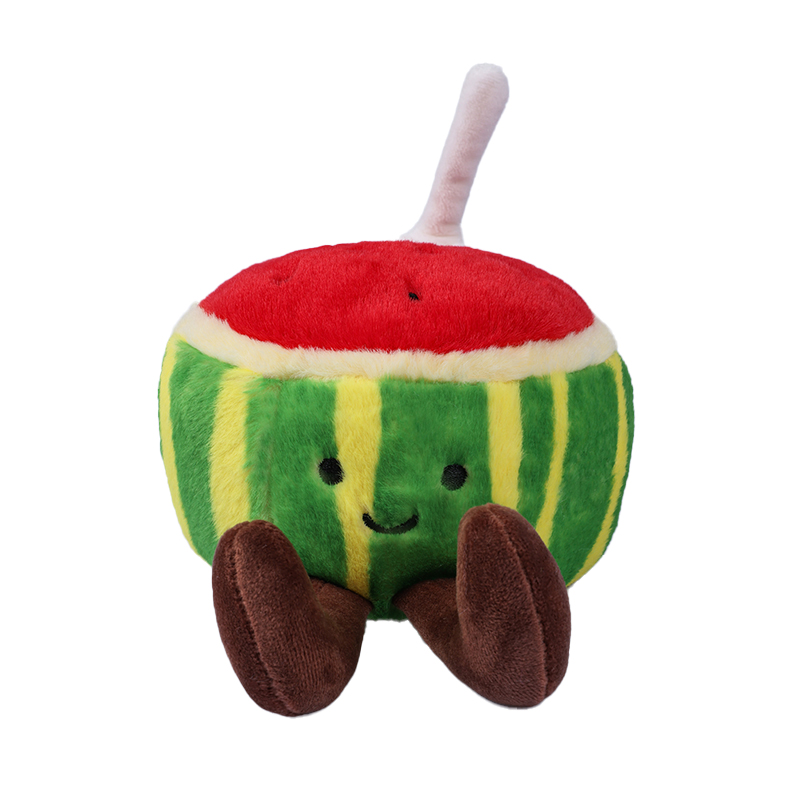
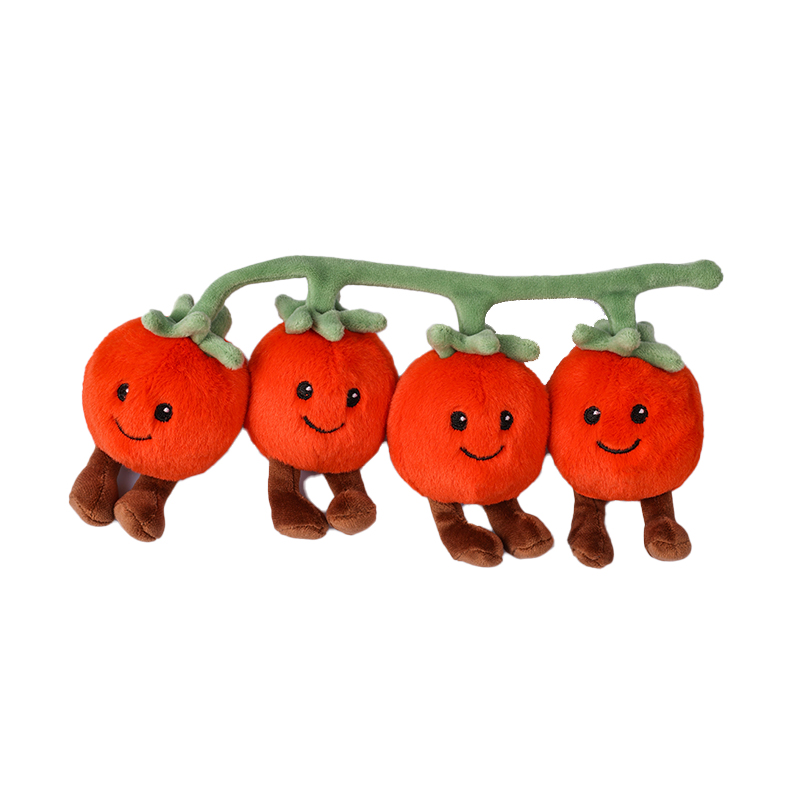

Have you ever noticed how your hands reach for something soft when your mind feels overwhelmed?
A pillow. A blanket. A favorite plush toy sitting quietly on the couch.
That’s not random.
That’s tactile play in action.
Tactile play—especially through plush toys and other soft, sensory objects—is one of the most natural ways humans regulate focus, calm anxiety, and prepare the body for sleep. And no, it’s not just for kids.
Let’s talk about why plush toys play a much bigger role in mental well-being than most people realize.
How Tactile Play Improves Focus—and Why Plush Toys Help the Brain Settle
Focus doesn’t always come from forcing the mind to “try harder.”
Often, it comes from giving the body something gentle to do.
The Brain Focuses Better When the Hands Feel Safe
Tactile play works because the brain is deeply connected to the sense of touch. When your hands interact with soft, predictable textures, the nervous system receives a signal of safety.
This is where plush toys shine.
Unlike hard fidget tools, plush toys provide:
-
A consistent, comforting texture
-
Gentle resistance when squeezed or held
-
No sharp sensory feedback
That makes them especially effective as sensory plush toys for:
-
Studying or reading
-
Long periods of sitting
-
Children with attention challenges
-
Adults who feel mentally overstimulated
Think of a plush toy as a sensory anchor.
While your mind works, your hands stay grounded.
Soft Touch Reduces Mental Noise
Harsh or complex sensory input demands attention.
Soft textures do the opposite—they absorb it.
Holding or lightly squeezing a plush toy can reduce background mental chatter, allowing focus to come more naturally. It’s similar to how white noise works for the ears—plush textures do that for the sense of touch.
How Plush Toys and Tactile Play Ease Anxiety
Anxiety doesn’t start with thoughts.
It starts with the nervous system.
Why Soft Objects Calm the Body
When anxiety rises, the body enters a state of alert. Heart rate increases. Muscles tighten. Breathing becomes shallow.
Plush toys help interrupt that pattern.
Soft toys provide:
-
Deep pressure input
-
Warm, comforting textures
-
Repetitive, soothing touch
These elements activate the parasympathetic nervous system—the part responsible for rest and calm.
That’s why many people instinctively hug something soft when they’re stressed. It’s not emotional weakness. It’s biology.
Plush Toys as Emotional Regulators
For children, plush toys often act as transitional objects.
For adults, they quietly serve the same purpose.
A calming plush can:
-
Reduce feelings of overwhelm
-
Create a sense of emotional safety
-
Help regulate anxiety without words
In therapy, education, and home environments, plush toys for anxiety are increasingly recognized as legitimate sensory tools—not just comfort items.
Why Plush Toys Support Better Sleep Through Tactile Play
Sleep is not just about being tired.
It’s about feeling safe enough to let go.
Soft Touch Signals the Body to Power Down
Before sleep, the nervous system needs a clear message: nothing urgent is happening.
Plush toys deliver that message through:
-
Gentle weight
-
Familiar textures
-
Slow, repetitive touch
This is especially helpful for:
-
Children with bedtime anxiety
-
Adults who struggle with racing thoughts
-
Anyone sensitive to sensory overstimulation
Using plush toys for sleep turns touch into a calming bedtime cue.
Plush Toys as Part of a Sleep Ritual
Rituals tell the brain what comes next.
Holding the same plush toy each night, squeezing it gently, or resting it against the body creates a predictable sensory pattern. Over time, the brain learns to associate that plush texture with rest.
It becomes a tactile signal that says:
“You can relax now.”
Tactile Play Through Plush Toys Is Not Just for Children
Let’s be clear.
Using plush toys for comfort, focus, or sleep is not childish.
It’s human.
Adults often replace plush toys with:
-
Cushions
-
Weighted blankets
-
Soft clothing
-
Pillows
But the function is the same.
Plush toys simply combine all those elements into one approachable, emotionally neutral object. That’s why sensory plush toys are now used in:
-
Schools
-
Therapy settings
-
Wellness products
-
Stress-relief collections
Softness isn’t weakness.
It’s regulation.
Final Thoughts: Why Plush Toys Are Powerful Tools for Tactile Play
Tactile play doesn’t need to be complicated.
Sometimes, the most effective sensory tool is also the simplest:
a soft, familiar plush toy that fits naturally into daily life.
Plush toys speak the language of the nervous system.
They don’t demand attention—they invite calm.
So the next time focus slips, anxiety rises, or sleep feels out of reach, consider this:
Maybe your mind doesn’t need more control.
Maybe your hands just need something soft to hold.