 French
  English
  German
  Russian
  Korean
  Spanish


Abstract:
Oreillers en peluche are pre-designed products that seek to maximize the softness of their touch, the retention of their loft, the distribution of their pressure, and their long-term durability.
The Textile Institute’s Handbook of Textile Fibres (Woodhead Publishing) and research in the Journal of Industrial Textiles indicate that the comfort of plush pillows is primarily derived from the fiber’s morphology, filling capacity, moisture management, and structural recovery properties.
Studies of polyester fibers and viscoelastic polyurethane foam have demonstrated that microstructural design has a direct effect on the resilience of polyester fibers, the flow of air, and the regulation of temperature. These findings replicate the technical nature of plush pillows, which are not simply “soft cushions,” but are composed of carefully chosen shell fabric and filler material that are intended to enhance comfort, hygienic design, and longevity.
This comprehensive industry guide describes what plush pillows are composed of, it analyzes each component in great detail, it compares the performance of different components, and it provides information to manufacturers, retailers, and professionals in procurement who want to excel in 2026 and beyond.
Introduction: Why Material Composition Matters in Plush Pillows?
Today’s plush pillow market has surpassed the traditional method of feathering in a significant way. Today, consumers expect softness, Hypoallergenic properties, durability, temperature regulation, and sustainable harvesting, all of which are part of one product. As such, manufacturers carefully consider both the fabric’s outer shell and the internal system of filling to achieve the desired performance and regulatory approval.
Understanding the plush composition is crucial to:
Product development teams that are designing the next generation of bed linens.
Wholesale buyers assess the quality of the supply chain.
E-commerce brands that describe their products in detail for the purpose of optimizing the description for search engines and converting.
Hospitality procurement managers are seeking durability and hygiene compliance.
Unlike standard decorative cushions, plush pillows prioritize tactile density and loft recovery. The selection of materials directly determines:
- Softness level (hand feel)
- Bounce-back resilience
- Air permeability
- Moisture control
- Allergen resistance
- Longevity under repeated compression
This article examines each material category in detail.
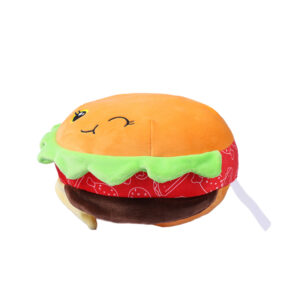
The Two Primary Components of Plush Pillows
Plush pillows typically consist of two engineered systems:
Outer Shell Fabric (Casing)
Inner Filling (Core Material)
Both components influence the final comfort experience and product performance.
Outer Shell Fabrics: The Comfort Interface
The outer shell is the layer that feels like touch; it directly interacts with the skin or pillowcases. It affects the perception of breathability, softness, and the stability of the product under repeated washes.
- Cotton fabric
Cotton is still one of the most popular shell materials because of its natural breathability and softness.
Advantages:
Absolute humidity control
Friendly to the skin and Hypoallergenic
Maintain its quality after multiple washes.
Biodegradable
Variations employed in Plush Cushions:
Completely combed cotton
Percale design
Sateen’s design
Organic cotton (GOTS-certified)
Cotton shells are especially significant in the hospitality and premium bedding industries, which focus on comfort and natural fibers.
- Polyester Microfiber Skin
Polyester microfiber fabric is a synthetic material composed of extremely small fibers. These fabrics provide smoothness and long-lasting performance at a budget-friendly cost.
Key Benefits:
wrinkle resistance
High tensile strength
Less expensive than organic fibers
Smooth and pleasant hand sensation
Advantage over competitors
Microfiber skins are common in mid-range and larger-market plush pillows.
- Bamboo- derived Viscose mélanges
Bamboo’s wrinkled fibers have popularized it because of its moisture-absorbing capabilities and anti-inflammatory properties.
Performance Qualities:
Warm and inviting
Improved moisture management
Often combined with polyester to enhance strength.
While bamboo’s viscose fabric increases breathability, the environmental effect of this fabric is dependent on the processing method, particularly chemical treatments during the production of fibers.
- mixed fibers
Many plush pillows have a combination of cotton and polyester that results in a:
Efficiency in cost
Increased resistance
Tense and flexible
Blends facilitate manufacturers in improving the attributes of performance.
Comparison of Plush Pillow Shell Materials
| Type de matériau | Breathability | Durabilité | Cost Level | Moisture Control | Durabilité |
| 100% Cotton | Haut | Haut | Moyen | Excellent | Haut |
| Polyester Microfiber | Moyen | Très élevé | Faible | Modéré | Modéré |
| Bamboo Viscose Blend | Haut | Moyen | Moyenne-élevée | Excellent | Variable |
| Cotton-Poly Blend | Moyenne-élevée | Haut | Moyen | Good | Modéré |
Inner Fill Materials: The Core of Plush Comfort
The internal filling has a positive effect on plushness, the retention of loft, the support profile, and resilience.
- Polyester Fiberfill (Commonest)
Polyester fiberfill is the most popular material for modern plush pillows.
Different varieties of polyester filler:
Solid fiber coating
Fiber optic cable with a hole
Siliconized fiberfill
Spiral fiber optic cable
The Popularity:
Heavier than air, but still packs a lot of energy.
Hypoallergenic
Affordable
Easy to create
Good steadfastness
Hollow fibers that are conjugated with a shell are particularly popular for use in plush pillows because of their structural design that enhances the bounce property.
- Dwarf and feathery fill
Traditional plush pillows are often composed of goose or duck down.
Advantages:
Exceptional sluggishness
Natural insulation
High water content
Extravagant feel
Limitations:
Higher price
Allergen risks
Ethical questions about sourcing.
Maintains itself
Down continues to be the most popular choice in high-end hotel linens, but it is being challenged by synthetic alternatives.
- Memory Foam (Shredded or Solid)
Memory foam is composed of polyurethane that is viscoelastic.
Benefits:
Satisfying the head and neck.
Pressure-relieving
Isolation of motion
Extended lifespan
Shredded memory foam is frequently incorporated with fiberfill in order to maintain softness while improving support.
- Latex Empress
Natural or synthetic latex-based:
Stiff support
High resistance
Antibiotic resistance
Breathability (in forms that have holes)
Latex pillows have a less pronounced effect, but they are still utilized in hybrid designs.
- Alternative Natural Fiber
Some environmentally conscious plush pillows employ:
Kapok’s fiber
Wool
Cotton’s wrinkling
Reused fibers
These options fit into specialty markets that have a sustainability focus.
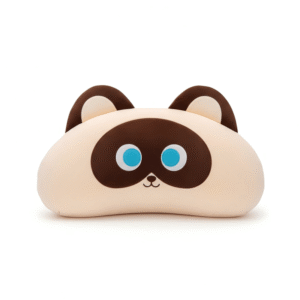
Comparison of Plush Pillow Fill Materials
| Fill Type | Softness Level | Support | Durabilité | Hypoallergenic | Cost |
| Polyester Fiberfill | Haut | Moyen | Haut | Yes | Faible |
| Down | Très élevé | Moyen | Moyen | No (sometimes) | Haut |
| Mousse à mémoire de forme | Moyen | Haut | Très élevé | Yes | Moyenne-élevée |
| Latex | Moyen | Haut | Très élevé | Yes | Haut |
| Natural Fibers | Moyen | Low-Medium | Moyen | Variable | Moyen |
Construction Techniques in Plush Pillows
Material alone does not determine plushness. Construction methods also matter.
- Stitching Patterns
Box stitching
Channel quilting
Double-needle seams
Piped edges
These improve fill distribution and durability.
- Gusseted Designs
Gusseted plush pillows feature side panels that:
Increase loft
Maintain shape
Improve support
- Fill Density Control
Manufacturers carefully calculate fill weight (measured in grams per square meter or total fill weight per pillow) to achieve optimal plushness without collapse.
Fill Density Impact on Plush Performance
| Fill Weight (Standard Size) | Feel | Bounce-Back | Ideal Use |
| 500–700g | Soft | Modéré | Decorative |
| 700–900g | Plush | Good | Standard Bedding |
| 900–1200g | Very Plush | Excellent | Premium Hotel |
Performance Factors Influenced by Materials
- Loft Preservation
Loft is the volume and thickness of a loft. Polyester-funded fiber and memory foam have a tendency to increase in loft over time.
- Airflow and Temperature Regulation
Breathable fabric shells combined with ventilated foam or fiber enhance the flow of air.
- Allergen Openness
Fiberfilling synthetic fibers generally have a superior performance regarding allergen avoidance.
- Washability
Polyester-filled plush pillows are machine-washable and have a quicker dry time than down pillows.
Sustainability Trends in Plush Pillows (2026 Outlook)
Industry trends show increasing adoption of:
Recycled polyester (rPET)
Plant-based foam alternatives
Certified organic cotton
Biodegradable packaging
Brands are increasingly communicating material transparency to meet consumer demand for eco-conscious bedding.
How to Identify High-Quality Plush Pillows?
When evaluating plush pillows, professionals should consider:
Fiber denier rating
Fill power (for down)
Foam density (lbs/ft³)
Shell thread count
Certification labels (OEKO-TEX, GOTS)
Material transparency is becoming a competitive differentiator.
Plush Pillows in Different Market Segments
- Hospitality Industry
Robustness and washability are most important. Polyester fabric is the most common.
- Extravagant Retail
Down and high-thread-count cotton are preferred.
- E-commerce Brands
Microfiber shells that are hybridized with silica are popular.
- Sustainable Market
Recycled and environmentally friendly materials have movement.
Frequently Asked Questions (FAQ)
- Are plush cushions always composed of polyester?
No. While polyester fiberfill is common, plush pillows are also made from down, memory foam, latex, or natural fibers based on the market’s demands and price point.
- What causes a pillow to be “fluffy”?
Plushness is derived from the high loft, soft fiber composition, and the optimal amount of fill material. Hollow fibers that are conjugated with polyester are commonly employed for this purpose.
- Is it better to have a down pillow or a synthetic one?
Down has a superior softness, but synthetic fibers have better allergy resistance, easier maintenance, and a more budget-friendly design.
- Is memory foam considered beneficial?
Traditional solid memory foam is more supportive than plush. However, damaged memory foam can be augmented with a plush feel while still maintaining structure.
- What is the most long-lasting filling for plush pillows?
High-quality polyester fiber and latex-based foam typically have a long lifespan.
- How long do plush pillows typically have?
Depending on the quality of the material, plush pillows have a lifespan of between 2 and 5 years in regular use.
Conclusion
Plush pillows are complex textile constructs that contain engineered fabric layers and superior filling systems. From cotton casks that are breathable to the silnized polyester fiberfill that is durable, each component contributes to softness, resilience, and longevity. The most comfortable plush pillows have a balanced combination of comfort, hygiene, durability, and sustainability.
In the future, the plush pillow industry’s competitive advantage will be dependent on this:
Transparent source material
Fiber optic cable design
Sustainable manufacturing
Product claims backed by data
For companies that make products, understanding the science surrounding plush pillow material is no longer an option; it’s now a necessity in the increasingly complex and competitive bedding industry.