 French
  English
  German
  Russian
  Korean
  Spanish
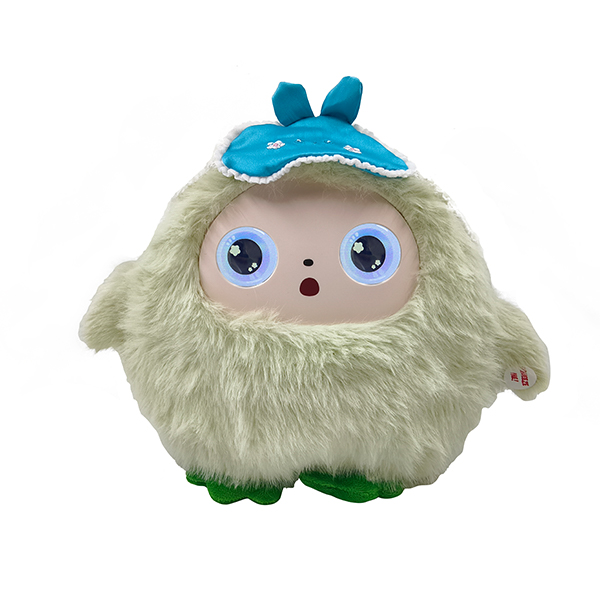
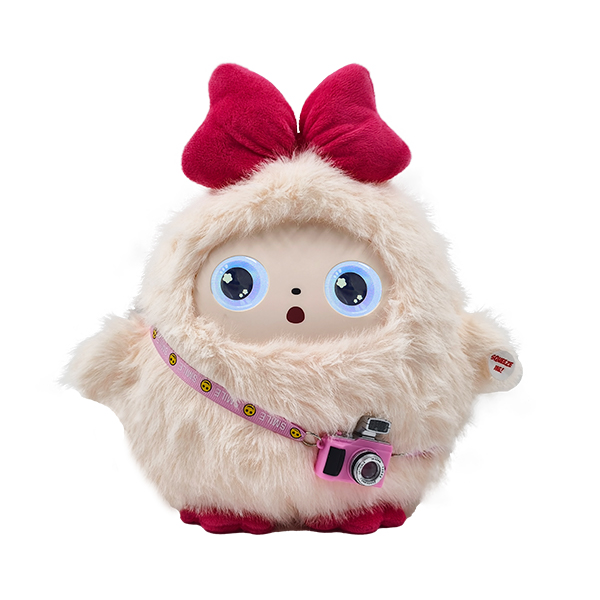
Have you ever looked at a simple character sketch and wondered how it could become a soft, huggable reality? Whether you are an entrepreneur looking to launch a brand or a creator wanting to offer unique merchandise, understanding how to make plush toys is a journey that blends artistic creativity with precise industrial engineering.
In this guide, we will break down the entire lifecycle of professional jouets en peluche—from selecting the finest fabrics to choosing the right Fournisseur de peluches for large-scale manufacturing.
1. The Growing Appeal of Custom Plush Toys
The global market for jouets en peluche is no longer just for children. According to industry insights from Grand View Research, the demand for lovely plush toys is surging in the “kidult” (adult collectors) and corporate gifting sectors.
Creating your own jouets en peluche allows you to transform an abstract brand identity into a tangible emotional connection. In a digital world, a physical, soft mascot provides a sense of comfort and brand loyalty that an ad banner simply cannot achieve. This emotional value is why businesses are increasingly investing in high-quality jouets en peluche as their primary promotional tool.
2. Essential Materials: The Foundation of Quality
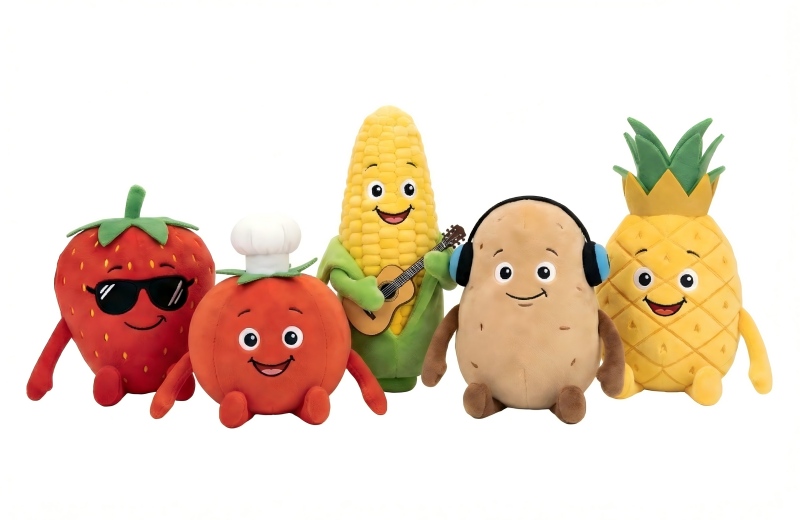
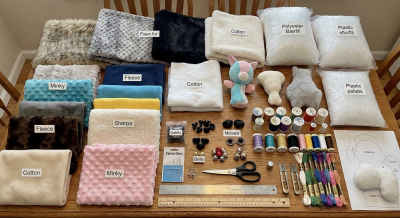
If you want to know how to make plush toys that people actually want to hold, you must start with the “skin” and “bones.” The quality of your jouets en peluche is directly tied to the tactile experience of the fabric and the resilience of the filling.
High-Performance Fabrics
The exterior of lovely plush toys usually involves specialized textiles:
-
Minky: The most popular choice for modern jouets en peluche. It is ultra-soft and has a slight stretch, making it perfect for “squish” style toys.
-
Velboa: Often used for shorter hair effects, giving jouets en peluche a sleek, professional finish often seen in high-end mascots.
-
Faux Fur: Essential for realistic animal jouets en peluche, though it requires expert cutting to manage shedding during the sewing process.
Filling and Safety
Most jouets en peluche are stuffed with PP cotton (Polyester Fiberfill). However, high-end jouets en peluche often incorporate eco-friendly materials. As a leading plush toy series manufacturer, we’ve seen a 40% increase in requests for recycled rPET stuffing, aligning with global sustainability trends and consumer preferences for “green” products.
 |
 |
 |
 |
3. Comparative Analysis: Material Selection for Plush Toys
To help you decide on the best direction for your project, here is a quick comparison of the most common materials used by a professional Fournisseur de peluches.
| Type de matériau | Best Use Case | Texture Feel | Durabilité |
| Super Soft Minky | Character mascots, baby toys | Extremely silky | Haut |
| Crystal Super Soft | Detailed embroidery, small toys | Smooth, short pile | Très élevé |
| Long Pile Faux Fur | Realistic animals, luxury decor | Fluffy, thick | Modéré |
| Organic Cotton | Eco-conscious brands | Natural, firm | Haut |
| Recycled Polyester | Sustainable marketing | Standard soft | Haut |
4. How to Make Plush Toys: The Professional 7-Step Workflow
Turning a dream into a physical product requires a structured approach. Here is how professional factories and designers collaborate to create world-class jouets en peluche.
Step 1: Conceptual Design and Multi-Angle Sketching
The first step in how to make plush toys is a “Turnaround” drawing. You need to see the character from the front, side, and back. If you are designing lovely plush toys for the first time, keep the limbs slightly thicker than you think—once stuffed, thin parts can become stiff or fragile.
Step 2: Paper Pattern Engineering
This is where the magic happens. A 2D drawing is converted into a 3D pattern. Professional pattern makers use specialized software to calculate how the fabric will curve. This determines if your jouets en peluche will look “cute and round” or “lean and realistic.”
Step 3: Prototyping (The First Hug)
The “First Sample” is usually made from available scrap fabric to check the shape. Once the shape is approved, a “Correct Material Sample” is made using the final chosen fabrics. This is your last chance to tweak the smile or the eye placement of your jouets en peluche.
Step 4: Precision Cutting
In mass production, we don’t use scissors. We use high-precision die-cutting or laser-cutting machines. This ensures that every one of your 1,000 jouets en peluche looks exactly like the approved sample.
Step 5: Embroidery and Printing
Facial features give lovely plush toys their soul. High-density embroidery provides a premium, 3D look, while heat-transfer printing is better for complex gradients or photographic details on the fabric of the jouets en peluche.
Step 6: Stuffing and Closing
Using high-pressure air stuffing machines, the PP cotton is blown into the jouets en peluche to ensure even distribution. The final “turning hole” is then closed using a ladder stitch, often by hand, to make the seam invisible to the user.
Step 7: Metal Detection and Quality Assurance
Every single one of the jouets en peluche must pass through a metal detector to ensure no broken needles remain inside. This is a critical safety step required by international standards to protect consumers, especially children.
5. Integrating Modern Technology: AI and Beyond
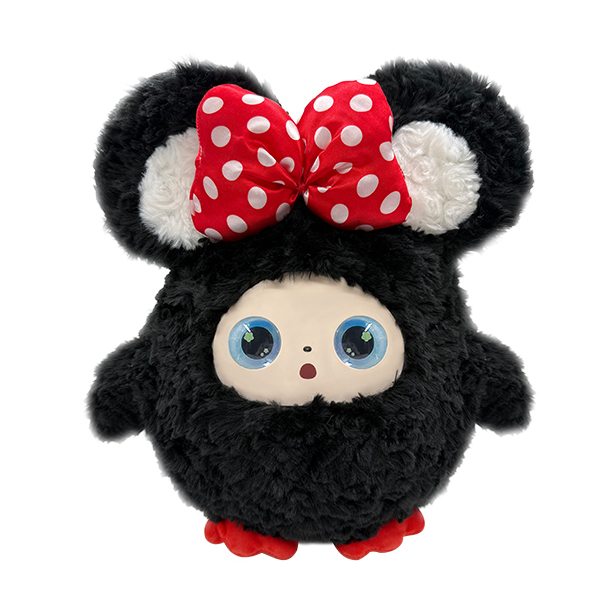
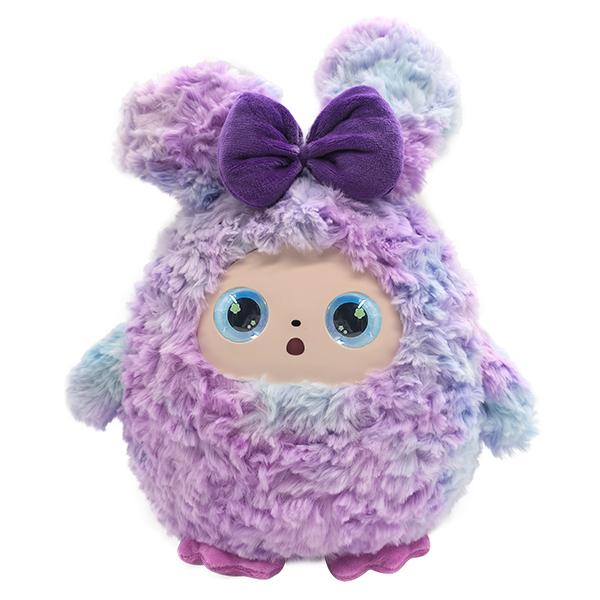
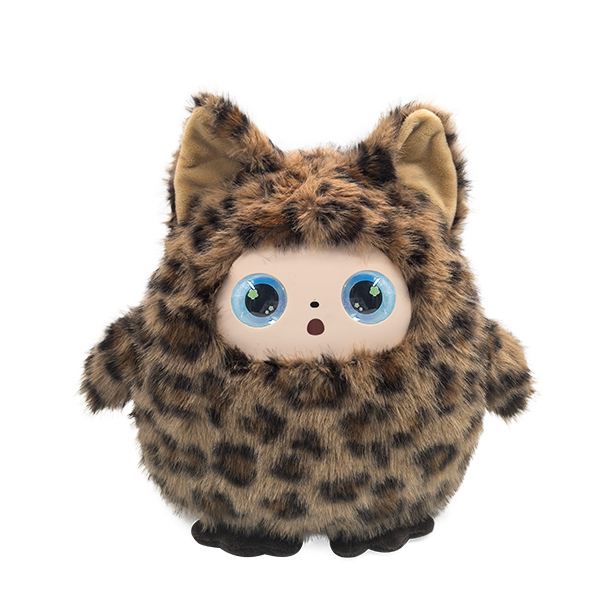
The industry is evolving. Beyond traditional sewing, the future of lovely plush toys includes technology integration. We are now seeing “Smart Plush Toys” equipped with AI modules for interactive storytelling and emotional support.
As an innovative company, StuffPlush is at the forefront of this trend, blending 10+ years of traditional craftsmanship with AI-driven toy features to create jouets en peluche that truly “talk back” to the user, providing an immersive experience.
 |
 |
 |
6. Navigating Safety Standards and Logistics
When you produce jouets en peluche for the global market, you must adhere to strict safety regulations. This is what separates a DIY project from a commercial product.
-
ASTM F963 (USA): Focuses on physical, mechanical, and chemical safety for all jouets en peluche.
-
EN71 (Europe): The standard for all toys sold in the EU, ensuring the safety of materials used in jouets en peluche.
-
ISO 8124: An international standard for toy safety, recognized globally.
Ensuring your jouets en peluche are “CE Certified” is not just a legal requirement; it is a mark of quality that builds trust with your customers. Without these certifications, selling jouets en peluche on major platforms like Amazon or in retail stores is nearly impossible.
7. Scaling Your Vision: Why Partner with a Professional Manufacturer?
While DIY is a great way to learn how to make plush toys, scaling a business requires a professional partner. Managing supply chains, quality control, and international shipping for jouets en peluche is a full-time job that requires professional expertise.
Choosing a reliable Fournisseur de peluches ensures that your brand maintains consistency, safety, and profitability as you grow.
About StuffPlush:
StuffPlush is a premier OEM/ODM manufacturer with 10+ years of experience. Based in Nanjing, we produce 250,000+ pieces monthly, specializing in custom jouets en peluche that meet strict ASTM/CE safety standards for global brands and creative entrepreneurs.
8. Frequently Asked Questions (FAQ)
Q: What is the most difficult part of making plush toys?
A: Translating a 2D character into a 3D shape while maintaining the “cuteness” factor is the biggest challenge in the process of how to make plush toys. This is why professional pattern makers are essential.
Q: Can I make lovely plush toys from recycled materials?
A: Absolutely. Many modern jouets en peluche use rPET fabric (made from recycled plastic bottles) and organic cotton to appeal to eco-conscious consumers.
Q: How much does it cost to start a custom plush toys line?
A: Costs vary, but you should budget for design, sampling fees, and the Minimum Order Quantity (MOQ). For professional manufacturing of jouets en peluche, MOQs typically start at 1,000 units to ensure cost-efficiency.
9. Conclusion: Start Your Journey Today
Learning how to make plush toys is a rewarding blend of art and industry. Whether you are sewing your first prototype at home or looking for a professional Fournisseur de peluches for a global launch, the key is attention to detail and a commitment to quality.
Ready to take the next step and see your lovely plush toys come to life? Contactez nous today to discuss your vision, and let’s create the next generation of world-class jouets en peluche together.
Reference and Authority Sources:
-
Grand View Research: Soft Toys Market Size & Share Report, 2030 – Market trends and growth data for plush toys.
-
CPSC (U.S. Consumer Product Safety Commission): ASTM F963 Toy Safety Standard – Official safety guidelines for manufacturing toys.
-
The Toy Association: Industry Trends and Global Safety Compliance – Insights into the toy industry evolution.
-
ISO Standards: ISO 8124-1: Safety of Toys – Global mechanical and physical property standards.