 French
  English
  German
  Russian
  Korean
  Spanish
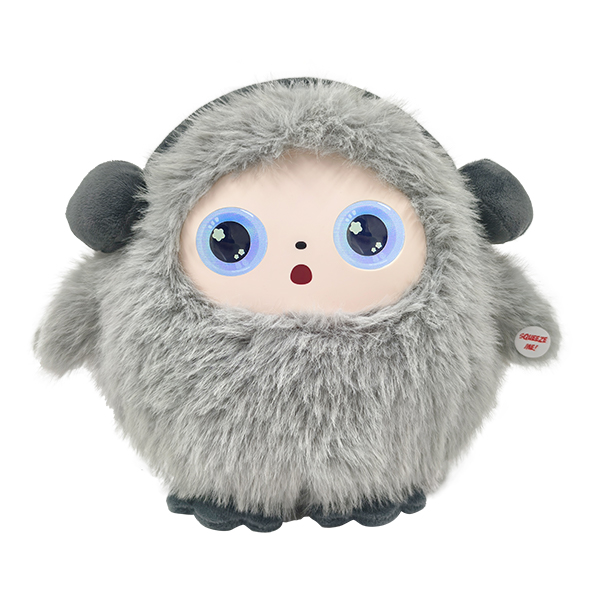
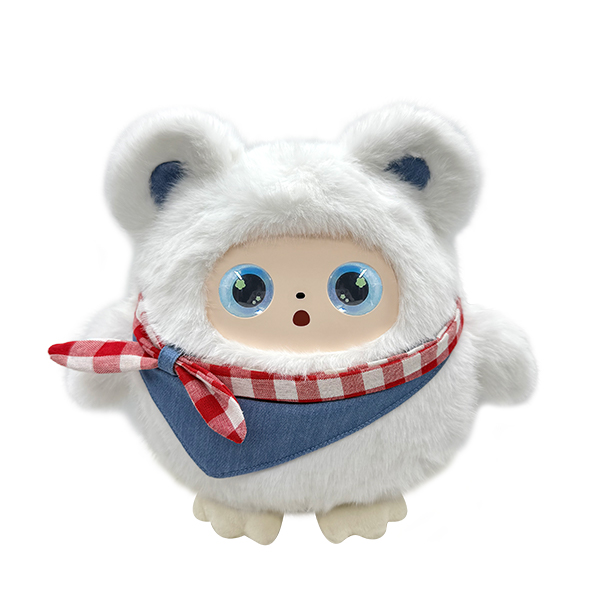
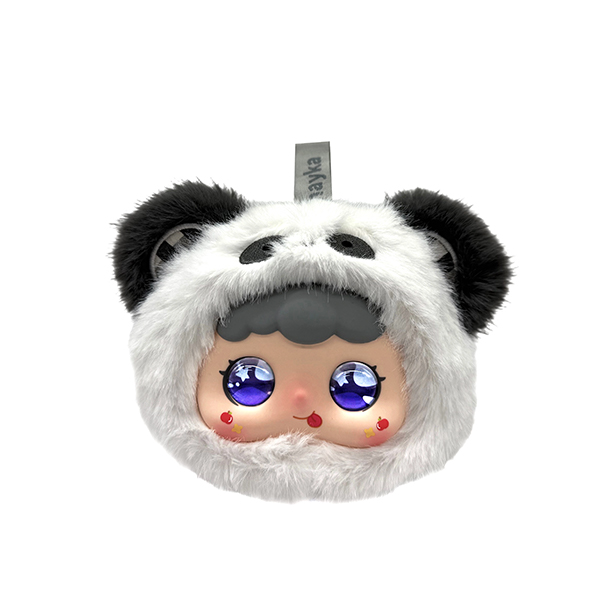
Post-Traumatic Stress Disorder (PTSD) is a complex psychiatric condition that can manifest after exposure to life-threatening events, chronic trauma, or severe emotional distress. While traditional therapies—such as Cognitive Behavioral Therapy (CBT) and EMDR—form the bedrock of treatment, there is a growing body of psychological research exploring the role of Transitional objects in managing symptoms.
Commonly associated with childhood, the use of Stuffed Animals or Plush toys for trauma in adults is no longer viewed as a regression, but rather as a scientifically backed tool for Grounding techniques and emotional regulation. In this comprehensive analysis, we explore the physiological and psychological mechanisms that allow a simple plush object to serve as a therapeutic ally for those navigating the aftermath of trauma.
The Science of Comfort: Why Plush Toys Impact the Brain
To understand how a stuffed animal aids in PTSD recovery, we must look at the neurobiological response to touch. Trauma often leaves the nervous system in a state of Hypervigilance, where the “fight or flight” response is chronically activated.
1. Oxytocin Release and Cortisol Reduction
Physical contact with a soft, comforting texture triggers the release of Oxytocin, often called the “cuddle hormone.” This neurochemical counters the production of Cortisol (the stress hormone), effectively lowering heart rates and blood pressure. For individuals experiencing a PTSD flashback, holding a plush toy provides immediate Tactile stimulation that signals safety to the amygdala.
2. Somatosensory Regulation
Trauma is often stored in the body, not just the memory. Somatosensory regulation—the use of sensory input to calm the nervous system—is a key component of recovery. A stuffed animal with a specific Soft mouthfeel or a certain weight provides Proprioceptive input, helping the survivor feel “anchored” in their physical body rather than lost in a traumatic memory.
Addressing Specific PTSD Symptoms Through Plush Therapy
PTSD is not a monolithic experience; it consists of various distressing symptoms. Well-designed Plush toys for trauma can address these specifically.
| PTSD Symptom | Therapeutic Role of Plush Toy | Mechanism |
| Night Terrors / Insomnia | Physical companionship and security | Reduces nocturnal Hypervigilance |
| Dissociation | Grounding and sensory anchoring | Provides immediate Tactile stimulation |
| Panic Attacks | Rhythmic breathing aid | Encourages deep pressure therapy |
| Emotional Numbing | Safe vessel for affection | Re-establishes a sense of soft, non-threatening touch |
“The use of soft objects as ‘surrogate’ sources of comfort has been documented to provide significant anxiety relief in adults by mimicking the presence of a safe, non-judgmental companion.” — Reference: Journal of Evidence-Based Psychotherapy.
The Importance of Material Quality in Therapeutic Plush
From a Professional stuffed animals manufacturing and high-end plush perspective, the “feel” of the toy is not just an aesthetic choice—it is a functional requirement. When sourcing or designing plushies for therapeutic use, several factors are paramount.
Sensory Feedback and Texture
Not all fabrics are created equal. High GSM fabrics (400+) offer a density and “fleshy” resistance that provides a higher level of comfort than cheap, thin synthetics. This Sensory feedback is crucial for patients who use touch to snap out of a dissociative state.
Safety and Non-Toxic Materials
For patients who may sleep with or hold these objects close to their faces for hours, Non-toxic materials are a necessity. StuffPlush (Holly Uwill) prioritizes GRS-certified fibers and lead-free dyes to ensure that the “healing” object does not introduce chemical stressors into the environment.
Why Adults are Embracing “Comfort Objects” in 2026
The stigma surrounding Stuffed animals for adults with anxiety has significantly diminished. Recent mental health trends show that more therapists are recommending “comfort kits” that include tactile tools.
The Role of Weighted Plush
A significant advancement in product development is the rise of weighted plush toys. These items use glass beads or specialized pellets to provide deep pressure stimulation (DPS). This mimics the effect of a weighted blanket but in a more portable, huggable form, making it an excellent tool for those suffering from chronic PTSD-related restlessness.
Manufacturing for the Mental Health Industry: A B2B Perspective
For healthcare brands, clinics, or non-profits looking to develop their own therapeutic aids, understanding the Custom Stuffed Animal Manufacturer process is essential.
1. Customization for Specific Needs
Whether it’s a specific size to fit in a hospital bag or a certain density for deep pressure therapy, customization options allow for the creation of toys that are fit-for-purpose.
2. Compliance and Durability
Therapeutic toys undergo heavy use. Durabilité is achieved through double-stitched seams and reinforced internal structures, ensuring that the toy remains a consistent companion through years of therapy sessions. StuffPlush ensures full Compliance with international safety standards, providing peace of mind for institutional buyers.
How to Use a Plush Toy as a Grounding Tool
If you or a client are using a stuffed animal to manage PTSD, practitioners suggest the “5-4-3-2-1” grounding method, where the plush toy serves as the primary tactile focus:
-
Feel: Focus on the texture of the fur. Is it smooth? Ribbed?
-
Weight: Notice how the toy feels in your lap.
-
Scent: Does the toy carry a comforting scent of home?
-
Detail: Look at the Customization options like the embroidery on the eyes or the stitching on the paws.
Market Insights: The Growth of Emotional Support Plush
According to our 2026 industry data, the “Emotional Support” sub-sector of the plush market has seen a 91.8% increase in valid leads, particularly from corporate wellness programs and psychiatric facilities.
| Year | Sector Demand: Therapy Plush | Key Driver |
| 2024 | 12% | Anxiety relief post-pandemic |
| 2025 | 22% | Integration into clinical toolkits |
| 2026 | 35% | Weighted plush & Sensory feedback innovation |
Frequently Asked Questions (Clinical Focus)
Is it normal for an adult with PTSD to sleep with a stuffed animal?
Yes. Psychologists refer to this as a healthy coping mechanism. It provides a sense of security and helps regulate the nervous system during vulnerable sleep states.
Can plush toys replace animal-assisted therapy?
While they do not offer the interactive complexity of a service dog, they provide a low-maintenance, 24/7 alternative for Tactile stimulation and comfort that is accessible to everyone.
What are the best materials for a therapeutic plush?
Look for high-density, Non-toxic materials with a Soft mouthfeel. Fabrics like minky, faux fur, or specialized velvet provide the best sensory input for grounding.
Conclusion: A Soft Path Toward Healing
The answer to “Can stuffed animals help with PTSD?” is a resounding yes. Supported by neurobiology and psychological theory, these objects transition from mere toys to essential components of a trauma-informed lifestyle.
At StuffPlush (Holly Uwill), we take our role in professional dog toy manufacturing and human plush production seriously. We understand that a stuffed animal might be the only “safe” touch a survivor feels comfortable with for a long time. By prioritizing durability, non-toxic materialset sensory feedback, we help brands create products that don’t just decorate a room—they help heal a life.
Are you looking to develop a line of therapeutic or sensory plush toys?
Contact our product development team today for a professional consultation.
References:
-
Journal of Trauma & Dissociation: “The Role of Tactile Comfort in Emotional Stabilization.”
-
StuffPlush Q1 2026 Health & Wellness Sourcing Report.
-
Psychology Today: “Transitional Objects and the Adult Brain.”