 Spanish
  English
  German
  French
  Russian
  Korean
Abstract
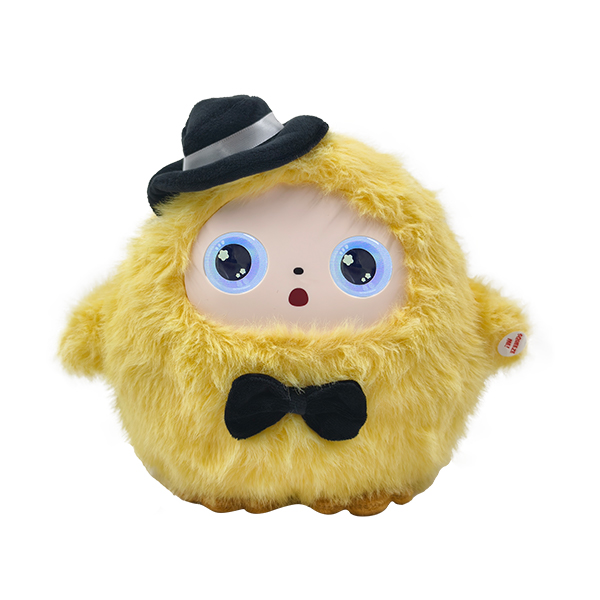
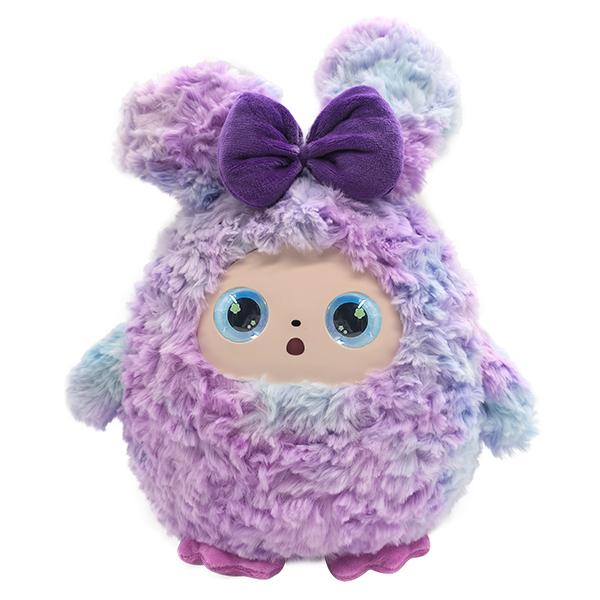
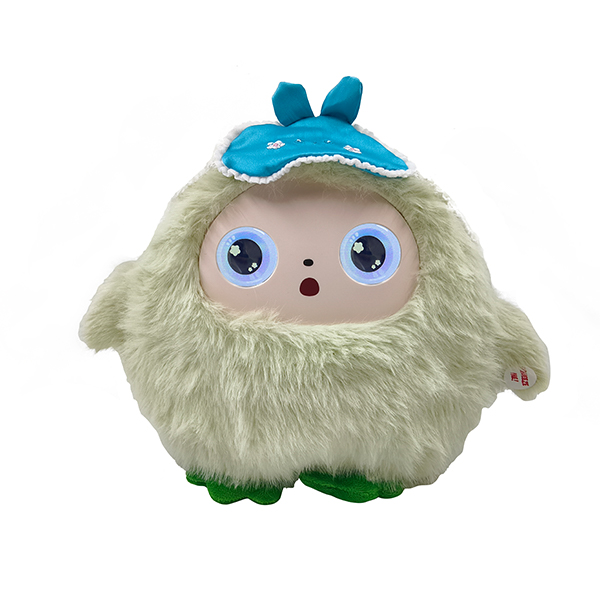
The traditional peluche, once purely passive, has evolved into a technologically enhanced product category integrating artificial intelligence, sensors, and interactive systems. Recent industry analyses and product development reports define AI-powered peluches as stuffed animals embedded with microphones, speakers, processors, and AI software that can respond to voice commands, learn user behaviour, and simulate interaction.
However, studies and consumer safety discussions also highlight emerging concerns, including data privacy, developmental impact, and unpredictable AI responses, particularly in products designed for children.
Introduction: From Passive Plush to Intelligent Companions
The stuffed animal has been associated with comfort, companionship, and emotional security for over a century. However, the category is undergoing a fundamental transformation in 2026.
Rather than remaining static toys, modern plush products are increasingly becoming interactive companions, educational tools, emotional support devices, and smart IoT-enabled objects.
- Interactive companions;
- Educational tools;
- Emotional support devices;
- Smart, IoT-enabled objects.
This shift reflects a broader trend in consumer products: the fusion of physical objects with artificial intelligence.
So—Is There a Real AI Stuffed Animal?
Short answer: Yes, but with limitations.
AI-powered stuffed toys do exist today, but they are not fully autonomous, ‘thinking’ companions like those seen in science fiction. Instead, they are hybrid smart toys that combine:
- Pretrained AI models;
- Voice recognition systems;
- Scripted or semiadaptive responses;
- Cloud-based processing.
According to industry descriptions, these toys can talk, respond, remember preferences, and interact in real time, representing a significant advancement over traditional plush toys.
What Exactly Is an AI Stuffed Animal?
An AI stuffed animal is a plush toy that is integrated with hardware and software components, enabling it to simulate interaction.
Core definition: an AI stuffed animal is a soft toy embedded with sensors and artificial intelligence, enabling communication, learning, and interactive behaviour.
Key Components
| Component | Function |
| Microphone | Captures user voice |
| Speaker | Outputs sound and speech |
| AI processor/cloud | Interprets and generates responses |
| Sensors | Detect touch, movement, or proximity |
| Connectivity (WiFi/Bluetooth) | Enables updates and data exchange |
How AI Stuffed Animals Work?
AI plush toys operate through a combination of hardware sensing and software intelligence.
Step-by-step process:
- Input detection: the toy listens for voices or detects touches.
- Signal processing: input is transmitted to an onboard chip or cloud-based AI system.
- AI interpretation: the system analyses intent using natural language processing.
- Response generation: the toy replies via speech, sound, or movement.
- Learning (basic level): Some toys adapt to user preferences over time.
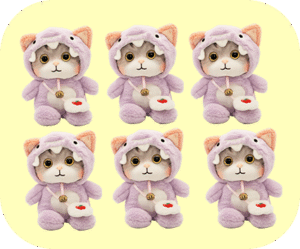
Types of AI Stuffed Animals in 2026
AI stuffed animals, also known as ‘smart plush’ or ‘AI plush toys’, represent a significant development in the plush industry, combining traditional softness with voice interaction, emotional AI, and learning capabilities.
By 2026, these products will have moved beyond niche status to become one of the fastest-growing segments in the global plush market, driven by demand for interactive companionship, educational content, and personalisation.
Conversational AI Plush (LLMPowered Companions)
Core features:
- Natural language conversations
- Q&A interaction (like a mini chatbot)
- Memory of user preferences
Example abilities:
- Answer questions
- Tell stories
- Have simple “conversations.”
Use cases:
- Children’s learning
- Emotional companionship
Insight:
These are the closest thing to a ‘ChatGPT in a teddy bear’.
Emotional Companion AI Plush
Core features:
- Emotion detection (voice tone/interaction patterns)
- Comfort responses (hug, speak, react)
- Mood-based interaction
Example abilities:
- Detecting sadness and responding with comfort
- Simulating breathing or a heartbeat
Use cases:
- Anxiety relief
- Apoyo para dormir
- Therapy and mental wellness
Trend: “Emotional AI + plush” is set to be one of the biggest growth drivers in 2026.
Educational AI Plush Toys
Core features:
- Learning modules (language, maths, storytelling)
- Interactive quizzes and games
- Personalised teaching pace
Example abilities:
- Teach vocabulary
- Guide bedtime learning routines
Use cases:
- Early childhood education
- Language learning
Insight:
These are replacing traditional electronic learning toys.
Character-based AI plush (IP and storytelling)
Core features:
- Predefined personalities
- Storydriven interaction
- Brand/IP integration
Example:
- Talking animal characters
- Story companions that evolve
Use cases:
- Entertainment
- Franchise merchandising
Trend:
AI plush toys are becoming a ‘living character experience’, rather than just toys.
Robotic/sensor-based AI plush
Core features:
- Motion sensors (touch and movement)
- Physical reactions (moving, breathing, and blinking)
- Embedded robotics
Example abilities:
- Responds when hugged
- Moves head or body
Use cases:
- Interactive play
- A realistic “petlike” experience
Insight:
These toys bridge the gap between plush toys and companion robots.
Customisable and personalised AI plush
Core features:
- Custom voice/personality
- Personalised stories
- User-trained responses
Example abilities:
- Remember a child’s name and habits
- Generate custom bedtime stories
Use cases:
- Premium gifting
- Brand customisation
Trend:
Personalisation is set to become a core selling point in 2026.
Connected smart plush (IoT-enabled)
Core features:
- App connectivity
- Cloud-based updates
- Remote interaction
Example abilities:
- Parents can send messages through the toy
- Software updates can add new features
Use cases:
- Remote parenting
- Smart home integration
Insight:
These toys function as connected digital companions.
Hybrid AI + traditional plush categories
Many AI plush toys now combine popular plush styles.
Popular hybrid formats:
- Weighted AI plush (comfort and interaction)
- Eco-friendly smart plush
- Collectible AI plush (blind box and tech)
Market shift:
Consumers now prioritise experience and aesthetics over species.
Comparison Table: AI Stuffed Animals
| Tipo | Key Function | Best Use Case |
| Conversational AI | Chat & Q&A | Learning & interaction |
| Emotional AI | Mood response | Comfort & therapy |
| Educational AI | Teaching | Kids learning |
| Character AI | Storytelling | Entertainment |
| Robotic AI | Physical interaction | Play experience |
| Personalized AI | Custom behavior | Premium gifts |
| Connected AI | App/cloud integration | Smart ecosystem |
Market Growth and Industry Evolution
AI-powered stuffed animals, also known as smart plush toys, are rapidly transitioning from novelty gadgets to mainstream consumer products. By 2026, they will sit at the intersection of toys, education, wellness, and consumer electronics.¹
Traditional stuffed toys offered emotional comfort
AI plush toys now offer the following additional features:
- Voice interaction
- Memory and personalisation
- Emotional response systems
Industry shift:
Static comfort to interactive companionship.
Market growth drivers
a: Rising demand for smart toys:
Parents increasingly seek products that combine:
- Education
- Entertainment
- Emotional development
AI plush toys offer all three features in one product.
b: Growth of AI technologies
Advances in:
- Natural language processing
- Speech recognition
- Edge AI chips
Result:
More natural and responsive interactions inside compact toys.
c: Emotional wellness and the companion economy
AI plush toys are part of a broader “companion tech” trend that includes:
- AI pets
- Social robots
- Digital assistants
Key demand:
- Loneliness reduction
- Child emotional support
- Sleep and anxiety aid
d: Expansion of Direct-to-Consumer (DTC) Brands
New brands are:
- Launching customisable AI plush
- Selling via e-commerce globally
- Offering software updates and subscriptions
Impact:
Faster innovation cycles and niche product targeting.
Industry Evolution Stages
| Stage | Descripción | Key Feature |
| 1. Traditional plush | Soft toys only | Confort emocional |
| 2. Electronic toys | Prerecorded sounds | Limited interaction |
| 3. Smart plush | Sensors + responses | Reactive behavior |
| 4. AI plush (current) | LLM + personalization | Conversational + adaptive |
Convergence with Other Industries
AI stuffed animals are blending with:
- EdTech → language learning, early education
- HealthTech → emotional support tools
- IoT ecosystems → connected home devices
Insight:
AI plush is becoming a multi-industry product category, not just toys.
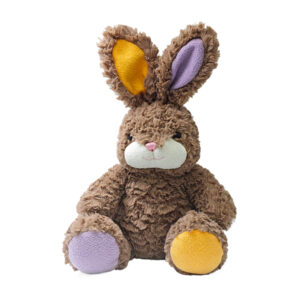
RealWorld Examples of AI Plush Innovation
Several notable innovations from leading companies and startups are already included in the market.
- Conversational AI Plush: plush toys that respond to natural language and are built on conversational AI similar to chatbots.
Example:
Miko (known primarily for its robots) is developing conversational companion devices for children.
Innovation:
- Realtime Q&A
- Personalised responses
- Emotional Companion Plush
Example:
- Somnox Sleep Robot
- Simulates breathing patterns
- Helps reduce anxiety and improve sleep
Innovation:
Biometric-inspired interaction
Calm-inducing design
- Smart Plush by Toy Giants
Example:
Mattel has explored connected toys and interactive companions.
Innovations:
- Voiceenabled toys
- Appconnected ecosystems
- Appconnected AI plush
Example:
- Fisher-Price smart toys
- Parent-controlled interaction
- Content updates via apps
Innovation:
- Remote interaction
- Content personalisation
- Custom AI plush startups
Emerging brands focus on:
- Personalised storytelling
- Custom voices and personalities
- Ondemand AI content
Innovation:
- AI-generated bedtime stories
- User-trained interaction models
The Role of Manufacturers: Stuff Plush
Manufacturers like Stuff Plush are at the forefront of this transformation, combining:
- Traditional plush craftsmanship
- Smart hardware integration
- Custom mascot development
- Interactive product design
Key Contributions:
- Custom AI plush solutions for brands
- Integration of sensors and voice modules
- Scalable production for global markets
This highlights an important industry shift:
The future of plush toys is not just design-driven—it is technology-driven manufacturing.
Advantages of AI Stuffed Animals
AI plush toys offer advantages over traditional toys, appealing to consumers and B2B buyers alike.
- Enhanced emotional engagement
Responds to user input
Builds a perceived ‘relationship.’
Offers comfort beyond static toys
Result:
Stronger user attachment and repeat usage
- Educational value
Interactive learning (language, maths, storytelling)
Adaptive difficulty based on user behaviour
Result:
Combining play with learning
- Personalisation and memory
Remembers user preferences
Adapts responses over time
Result:
A unique experience for each user
- Multifunctional use
The AI plush can serve as:
- Toy
- Tutor
- Companion
- Sleep aid
Result:
Higher perceived value than traditional toys
- Continuous improvement via software
OTA (over-the-air) updates
New features added post-purchase
Result:
Longer product lifecycle
- Market differentiation (B2B insight)
For brands and manufacturers:
- Higher product margins
- Stronger brand positioning
- Competitive advantage in the smart toy segment
Emerging Trends (2026 and Beyond)
- Emotional AI Integration
Future plush toys will better recognize emotions.
- Offline AI Processing
Reducing reliance on cloud systems for privacy.
- Hybrid Robotics + Plush Design
Soft robots combining movement and plush comfort.
- Custom AI Plush Products
Brands creating unique mascots with interactive features.
Advanced Comparison: AI Plush vs Other Smart Companions
| Característica | AI Plush | Smart Speaker | Robot Companion |
| Physical comfort | Alta | None | Bajo |
| Mobility | None | None | Alta |
| Interaction level | Medio | Alta | Very high |
| Emotional design | Strong | Weak | Medio |
| Cost | Medio | Bajo | Alta |
FAQ: Stuffed Animal & AI Plush
Are AI stuffed animals real products?
Yes, AI stuffed animals are real and commercially available, though still evolving in capability.
What can AI stuffed animals do?
They can talk, respond to voice, tell stories, and provide interactive experiences.
Are AI plush toys safe for children?
They can be safe with supervision, but privacy and content concerns should be considered.
Do AI stuffed animals actually learn?
Most have limited learning abilities, often based on predefined algorithms.
What is the future of stuffed animals?
They will become more interactive, personalized, and integrated with AI technologies.
Conclusión
So, are there any real AI stuffed animals?
The answer is yes, but with a caveat. Today’s AI-powered plush toys are an early fusion of comfort and technology, offering interactive features that far surpass those of traditional stuffed toys, but which still fall short of true artificial companionship.
As technology advances, AI-powered toys will become more intelligent, emotionally responsive, and autonomous. Manufacturers such as Stuff Plush are already helping to bridge the gap between classic plush design and next-generation smart interaction.
Ultimately, stuffed animals are evolving into soft interfaces for human–AI interaction, marking a new chapter in the toy industry and consumer technology.