 Spanish
  English
  German
  French
  Russian
  Korean
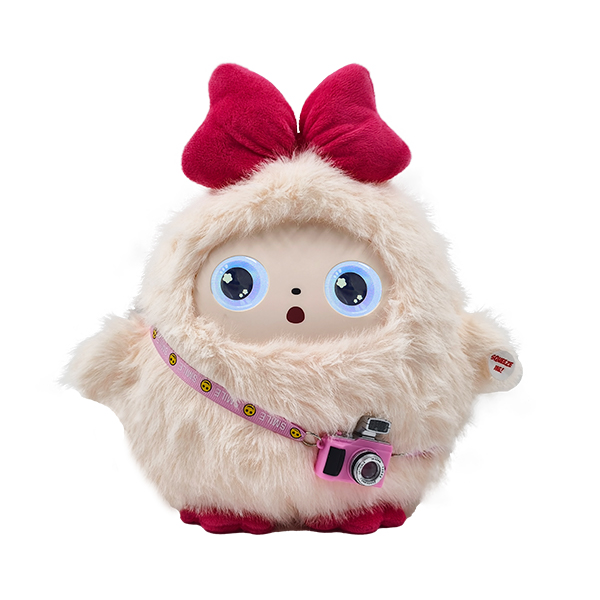
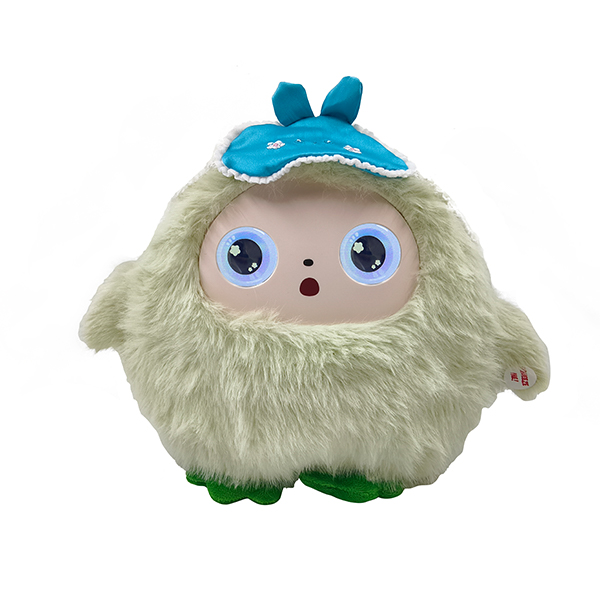
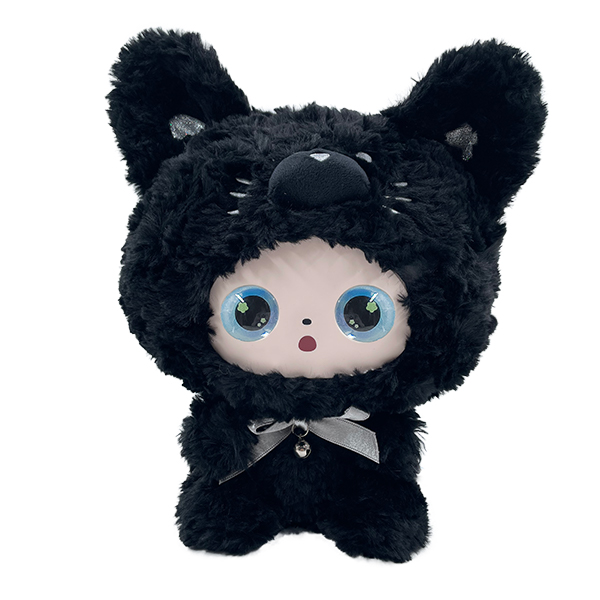
Plush toys get loved hard. They sit on beds, ride in backpacks, share dinners, sleep under pillows, and survive every kind of mess a child (or a sleep-deprived adult) can produce. Over time, that means dust, dander, food crumbs, spills, and the occasional mystery stain — all of which is why knowing how to wash plush toys properly matters. Done right, a regular wash routine keeps the toy soft, safe, and cuddly for years; done wrong, it can flatten the fill, dull the color, or loosen a stitched eye. This guide on how to wash plush toys walks through every safe method — machine wash, hand wash, and surface clean — plus drying, stain removal, and ongoing plush toy care. Browse our animales de peluche collection to see what a well-made, machine-washable plush looks like.
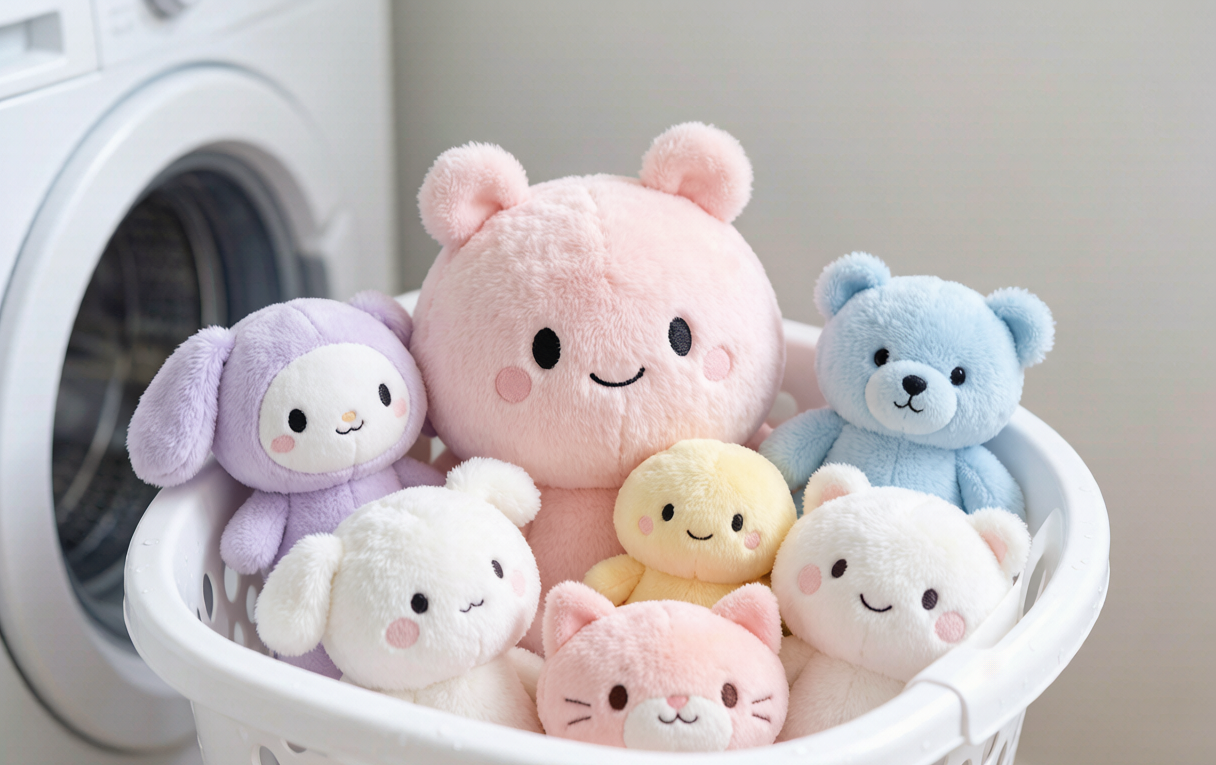
Why Learning How to Wash Plush Toys Matters
Knowing how to wash plush toys is not really about looks. It is about hygiene, comfort, and longevity. Plush absorbs everything it touches — sweat, drool, pet dander, dust mites, food residue, pollen — and that buildup creates real problems over time.
- Hygiene. Bacteria and viruses survive on soft surfaces for days. A regular wash cycle is the simplest way to interrupt that cycle, especially for toys that share a bed with a child. The same logic that makes hand-washing cutlery sensible applies to clean stuffed animals — frequent, gentle cleaning prevents buildup.
- Allergens. Dust mites are the leading indoor allergen, and plush is their favorite home. A routine wash kills the mites and removes the proteins that trigger reactions. If anyone in the household sneezes more around the bedroom, washing plush toys more often is one of the cheapest fixes available.
- Comfort. A freshly washed plush feels different. It smells clean, looks brighter, and bounces back better when squeezed. Dirty plush feels flat, matted, and slightly tacky.
- Longevity. Plush toys are not disposable. A well-cared-for companion lasts decades — the kind of toy that gets passed down. The wash routine is what makes that possible.
The good news: most modern plush toys are designed to be washed. The trick is matching the method to the toy, which is exactly what the rest of this guide on how to wash plush toys covers, and once the routine is in place, it becomes a five-minute job rather than a guessing game.
Read the Care Label First
Before water touches the toy, find the care label. That small tag is your rulebook, and the factory’s textile team has already tested the fabric, filling, and trims to confirm what the toy can survive. You will usually see one of three instructions. The same label that tells you how to wash stuffed animals safely also tells you whether the dryer is safe — those are two separate decisions.
| Care label | What it means | When you see it |
|---|---|---|
| Lavable a máquina | Safe in a washing machine on a gentle cycle, cold water, mild detergent | Simple shapes, durable fabrics, no electronics |
| Hand wash only | Safe to submerge, but the machine agitation is too rough | Embroidered details, delicate fabrics, glued accents |
| Surface wash only | Do not submerge; wipe the outside only | Electronic plush, music boxes, battery modules, vintage toys |
If the label is missing or faded, treat the toy as surface-wash-only until you know more about its construction. When in doubt, a quick spot test on a hidden corner tells you more than guessing. The label also tells you whether the toy can go in a dryer, which is a separate decision from washing.
How to Machine Wash Plush Toys Safely
Machine washing is the fastest method to wash plush toys and perfectly safe for the majority of modern plush, provided you follow a few rules. This is the part of how to wash plush toys that most people reach for first, and for good reason — it is quick, gentle, and consistent.
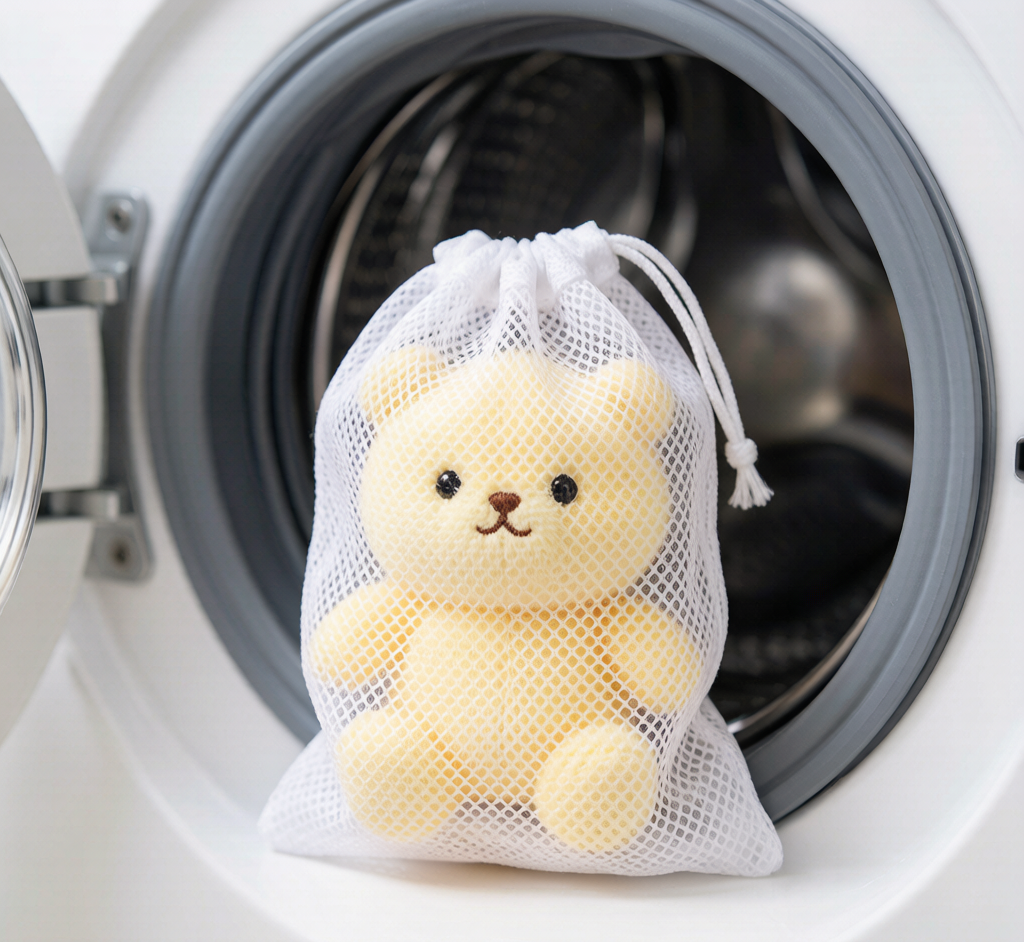
Step 1 — Prep the toy. Check for loose threads, small tears, or weak seams. Sew up any weak spots before the wash, because machine agitation turns a small hole into a stuffing explosion. Remove any detachable clothing, hats, or accessories and wash those separately.
Step 2 — Use a protective barrier. Never put a plush toy directly into the drum. Place it inside a mesh laundry bag or a clean pillowcase tied at the top. The barrier protects the fur from friction and prevents small parts from catching on the agitator.
Step 3 — Choose the right settings. Set the machine to a gentle or delicate cycle. Use cold water — hot water melts synthetic fibers, fades colors, and can break down glue holding on small parts. Use a mild, hypoallergenic detergent. Skip bleach, fabric softener, and heavy-duty stain removers.
Step 4 — Wash with similar items. Avoid washing plush with heavy jeans, towels with hooks, or anything with zippers that can snag the fur. A load of similar soft items is gentler.
Step 5 — Remove promptly. As soon as the cycle ends, take the toy out. Leaving it sitting in the drum lets creases set and can encourage mildew. Reshape the toy while it is still damp.
How to Hand Wash Plush Toys
Hand washing takes longer but gives you total control. It is the right method for delicate plush, vintage toys, anything with embroidered features, or plush you simply do not trust in the machine. Many parents prefer hand washing because it is the gentlest way to wash stuffed animals, especially the ones their child cannot sleep without. For a child whose favorite plush is irreplaceable, hand washing is the safer default than experimenting with the machine.
Step 1 — Fill a basin with lukewarm water and a small amount of mild detergent. Baby shampoo works in a pinch. Stir until the water is evenly soapy, not bubbly. This setup is the same one you would use when washing plush toys by hand for a vintage or collectible bear, so the technique transfers well between toys.
Step 2 — Submerge the toy and squeeze gently. Do not scrub, twist, or wring. Push the toy under the water and squeeze the soapy water through the filling, like pressing a sponge. Focus extra squeezes on dirty spots like paws, faces, and feet.
Step 3 — Spot-clean any stains with a soft brush. A clean toothbrush or soft-bristled brush lifts grime from seams and embroidered features without pulling threads.
Step 4 — Rinse thoroughly. Drain the soapy water and refill with clean, cold water. Squeeze the toy repeatedly until the water runs clear and no soap bubbles remain. Leftover detergent stiffens the fabric and attracts more dirt later.
Step 5 — Remove excess water. Press the toy between two clean towels. Do not wring. Reshape the toy while damp so the ears, arms, and head go back to their original position.
Surface Cleaning Plush Toys You Cannot Submerge
Some plush cannot go in water at all. Electronic plush with sound modules, battery compartments, or LED lights; vintage toys with brittle fabric; plush with glued-on plastic parts; and weighted plush with internal bead pouches all need surface cleaning instead. This is the part of how to wash plush toys that protects the things you cannot replace — the batteries, the speaker, the weighted filling — and the method to reach for when the care label says “surface wash only.”
Step 1 — Wipe the surface with a damp cloth and a small amount of mild soap. Wring the cloth out thoroughly so it is damp, not wet. Working in sections keeps moisture from seeping into seams.
Step 2 — Wipe again with a clean damp cloth to remove soap. Any residue left behind stiffens the fabric.
Step 3 — Dry the surface with a towel, then air dry completely. A hairdryer on the lowest setting speeds the process for electronics, but keep it moving so the heat does not concentrate in one spot.
For weighted plush toys for anxiety and sleep, check whether the weight pouch is removable. If it is, take the pouch out and surface-clean the outer cover only. If the weight is sewn in, avoid soaking and spot-clean instead.
Drying Plush Toys the Right Way
How you dry a plush toy matters as much as how you wash it. The wrong method can mat the fur, shrink the filling, or melt synthetic fibers — which is why every guide on how to wash plush toys spends as much time on drying as on washing.
| Drying method | Best for | How to do it |
|---|---|---|
| Air dry flat | Most plush | Lay on a clean towel, reshape, flip every few hours |
| Air dry outdoors | Sun-friendly plush, no fading risk | Hang or lay on a drying rack in indirect sunlight |
| Hairdryer (low/cool) | Electronic plush, weighted plush | Keep the dryer moving, hold 20–30 cm away |
| Dryer (low heat) | Only if the label allows | Add clean tennis balls or dryer balls to restore fluff |
| Radiator / heater | Never recommended | Direct heat shrinks filling and fades fabric |
The biggest mistake people make is putting plush in a hot dryer. The heat melts the synthetic fibers that make the fur soft, and a once-cuddly toy comes out flat, matted, and sometimes slightly smaller. Low heat or no heat is the rule. Reshape the toy at the halfway point of drying so the head, ears, and limbs go back to their original positions. Plush toys can take 12–24 hours to dry completely, depending on size and filling density. Be patient — storing a damp toy in a closet is the fastest way to invite mildew.
Removing Stains and Odors from Plush
Even with a regular wash routine, plush picks up the occasional stubborn stain or smell. Targeted treatment before a full wash saves the toy. This is the part of how to wash plush toys that turns a frustrating mess into a five-minute fix, and it is also where most parents over-treat and accidentally damage the fabric. The trick is to match the cleaner to the stain, work gently, and resist the urge to scrub.
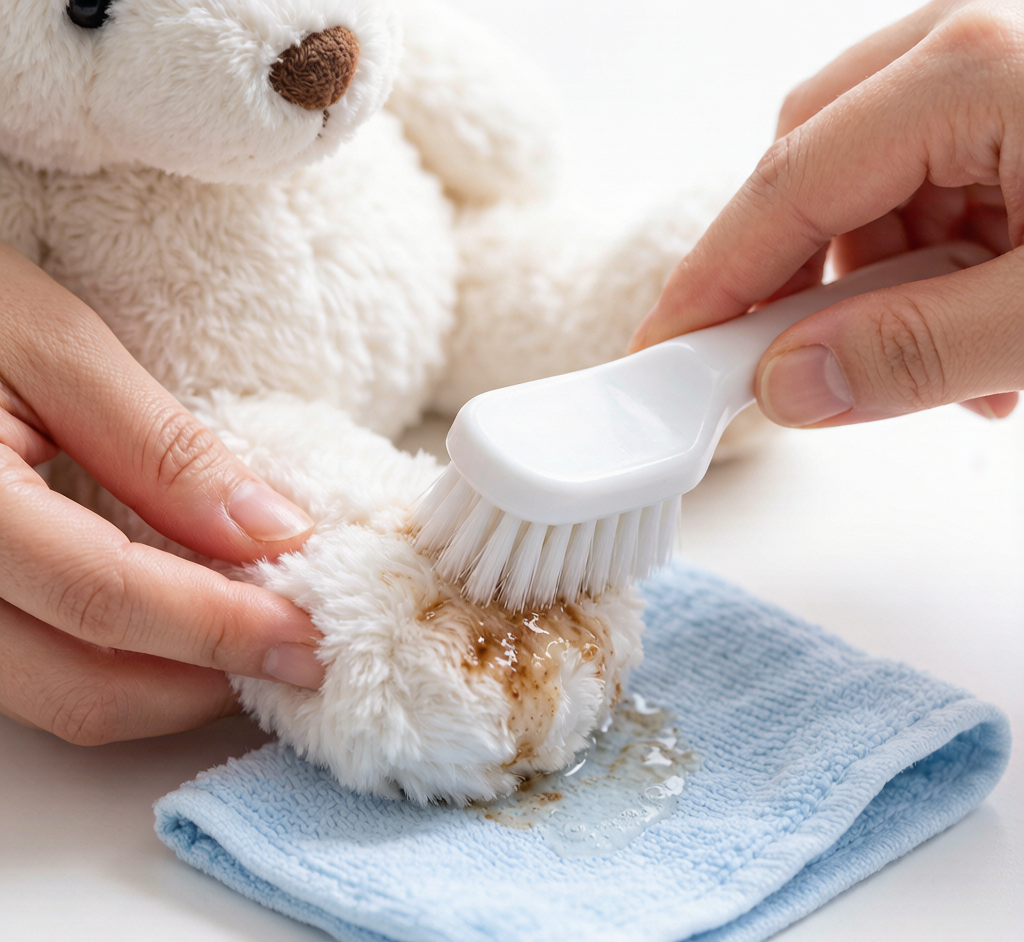
For food, mud, or beverage stains. Let the stain dry completely first, then brush off any solid residue. Apply a small amount of mild detergent or an oxygen-based stain remover (OxiClean is the common choice) directly to the spot. Let it sit for 10–15 minutes, then wash as normal. Avoid chlorine bleach, which strips color and weakens fabric.
For bodily fluids or strong odors. Pre-treat with an enzyme-based cleaner, which breaks down the organic compounds that cause smell. Let it sit for 15–30 minutes before washing.
For general mustiness or stale smells. Baking soda is the simplest deodorizer. Sprinkle it generously over the toy, work it into the fur with your hands, and let it sit for 2–4 hours (overnight is fine). The powder absorbs odors without damaging the fabric. Shake or vacuum the toy thoroughly afterward.
For ink or marker. Dab (do not rub) the spot with rubbing alcohol on a cotton swab, working from the outside of the stain inward to avoid spreading it. Test on a hidden area first to make sure the alcohol does not affect the color.
For chocolate or grease. Sprinkle cornstarch or baby powder on the spot, let it absorb for 15 minutes, then brush off and wash as normal.
The key with all stain treatment is to act from the outside in and never to scrub aggressively. Aggressive scrubbing frays fibers and can permanently rough up the fur.
Plush Toy Care Between Washes
A full wash is not always necessary. Between washes, a small routine keeps plush fresh and extends the time between deep cleans, which is a kinder way to look after the toys your family uses most. The fastest way to learn how to wash plush toys well is also to learn how to keep them clean between washes — both halves of the routine matter.
- Sun and air. Once a month, set plush in indirect sunlight for an hour. UV light naturally sanitizes and freshens.
- Lint roller or brush. A quick pass with a lint roller removes surface dust, hair, and lint. A soft-bristled pet brush restores the fur’s nap and prevents matting.
- Vacuum with a brush attachment. For larger plush, a vacuum on low suction with an upholstery attachment removes embedded dust quickly.
- Spot clean as you go. The moment a spill happens, blot it with a damp cloth. The longer a stain sits, the harder it is to remove.
- Rotate the toy. If a child sleeps with the same plush every night, rotate in a backup so each toy gets a chance to air out.
How Often Should You Wash Plush Toys?
The right frequency depends on how the toy is used. A child who sleeps with a plush every night and drags it through dinner needs a different schedule than a display-only collector piece. Most guides on how to wash stuffed animals recommend a schedule rather than a single number, because real life is messier than a routine. The general rule is the more the toy is loved, the more often it needs to be cleaned — and the more it earns its place on the wash-pile.
| Usage | Recommended wash frequency |
|---|---|
| Daily sleep companion (child) | Every 1–2 weeks |
| Daily sleep companion (adult) | Every 2–4 weeks |
| Played with daily, not slept with | Every 2–4 weeks |
| Weekly play companion | Every 1–2 months |
| Display / decor only | Every 6 months or as needed |
| After illness or allergy flare-up | Wash immediately, regardless of schedule |
A good rule of thumb: if the toy smells, looks dirty, or has been through a recent illness, wash it. Otherwise, stick to the schedule and trust the routine.
Safety Considerations When Washing Plush for Kids
When the plush belongs to a child under three, a few extra rules apply. The stakes of getting the wash wrong are higher — and the wash routine has to be safe as well as clean.
- Avoid the dryer on heat. A loose plastic eye or a small sewn accessory that survives a cold wash can still come loose in a hot dryer. Air dry whenever the toy is for an under-three child.
- Inspect after every wash. Look for loose threads, exposed staples, weakened seams, or anything that could become a choking hazard. A plush that was safe at three may need retirement at two if it starts to wear.
- Use fragrance-free detergent. Scented detergents can irritate sensitive skin and trigger eczema flare-ups. Hypoallergenic and fragrance-free options are safer.
- Make sure the toy is fully dry before returning it. Damp filling against warm skin is a recipe for mildew and rashes.
For the deepest reassurance, look for plush that meets ASTM F963 (US), EN71 (EU), or AS/NZS 8124 (Australia/NZ) safety standards. Reputable manufacturers state these on the product page. StuffPlush builds plush to ASTM, CPSIA, EN71, and CE standards using non-toxic, hypoallergenic materials, so the same wash routine works without compromising safety. Safety-tested construction also means the toy survives how to wash plush toys the way the manufacturer intended, which is the entire point of buying well-made plush in the first place. Explore our almohadas de felpa y animales de peluche collections to see what safety-tested, machine-washable plush looks like.
Preguntas frecuentes
Can you put plush toys in the washing machine? Yes, most modern plush toys can go in the washing machine on a gentle cycle with cold water and mild detergent, provided the care label confirms it. Use a mesh laundry bag, avoid hot water, and skip the dryer unless the label allows it. This is the fastest way to wash plush toys, and the right starting point for any plush labeled machine washable.
How do you wash plush toys that cannot be submerged? Surface clean with a damp cloth and a small amount of mild soap, then wipe with a clean damp cloth to remove residue. This is the right method for electronic plush, music boxes, vintage toys, and weighted plush with internal bead pouches. The technique is the same whether you are learning how to wash plush toys in general or handling a single delicate piece.
Can plush toys go in the dryer? Only if the care label allows. Most plush should air dry flat to keep the fur soft and the filling evenly distributed. If the label permits machine drying, use the lowest heat setting and add clean dryer balls to restore fluff. The dryer is the single biggest reason families ask how to wash plush toys without ruining them — heat is the enemy of soft.
How do you remove stubborn stains from plush? Let the stain dry, then apply a small amount of oxygen-based stain remover or mild detergent directly to the spot. Let it sit for 10–15 minutes, then wash as normal. For odors, baking soda left on for several hours absorbs the smell without damaging the fabric. Stubborn stains are the most common reason parents look up how to wash plush toys at midnight, so a small stain kit is worth keeping on hand.
How often should you wash a child’s stuffed animal? For a daily sleep companion, every 1–2 weeks. For a play-only toy, every 2–4 weeks. Always wash immediately after an illness, an allergy flare-up, or a visible mess. Frequency is the part of how to wash plush toys that most families get wrong — too often wears the fabric, too rarely lets allergens build up.
Can you wash weighted plush toys in the machine? It depends on the construction. If the weight pouch is removable, take it out and machine-wash the cover only. If the weight is sewn in, surface-clean the cover and spot-clean any stains. Soaking a sewn-in weighted plush can cause the beads to shift or clump, and the safest answer to how to wash plush toys with internal weight is almost always the gentlest method available.
Conclusión
Knowing how to wash plush toys properly turns a fragile, mysterious object into something you can clean with confidence. Read the label, match the method to the toy, dry patiently, and treat stains early — that is the entire routine. With the right care, plush toys last decades, which is exactly why they make such good gifts and such reliable comfort objects. A well-washed plush is a plush that can be handed down, gifted again, or kept for a lifetime, and that is the real payoff of learning how to wash plush toys well. Start with our animales de peluche collection for classic, machine-washable companions, then explore almohadas de felpa, mochilas de felpay llaveros de peluche to see how a well-made plush holds up after years of regular washing.