 Spanish
  English
  German
  French
  Russian
  Korean
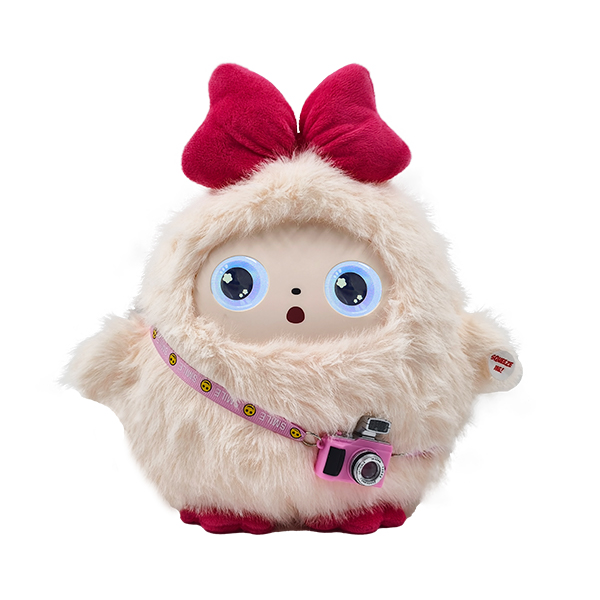
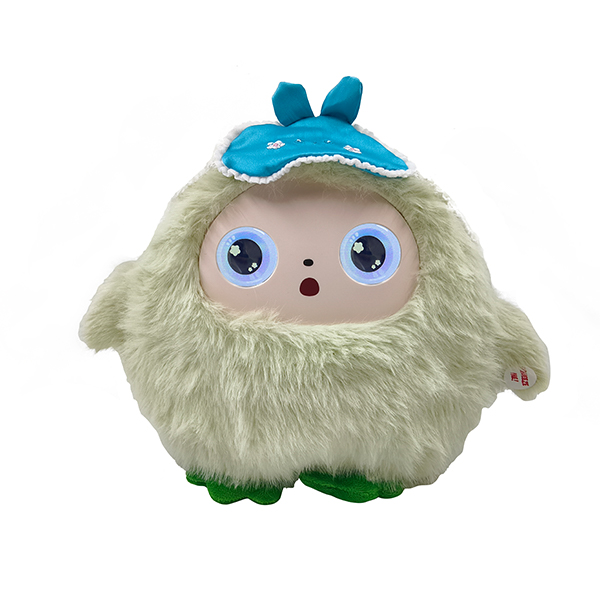
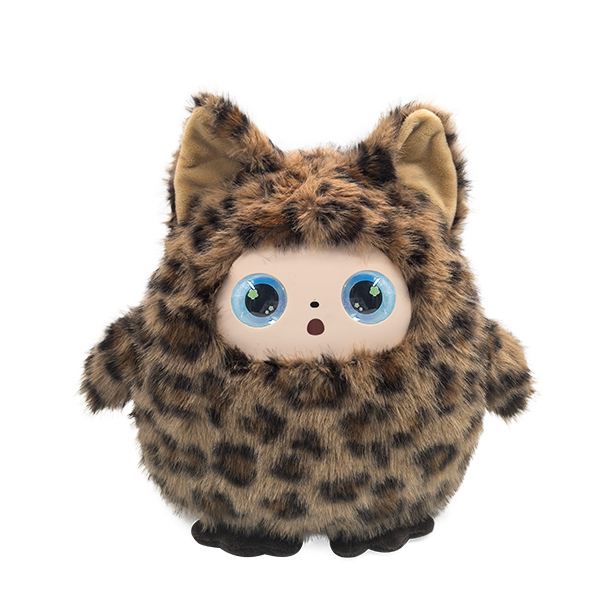
Plush describes the surface. Stuffed describes the filling. StuffPlush helps buyers and brands use those terms clearly when choosing, specifying, or sourcing soft toys.
| QUICK ANSWER A plush toy is usually made from a soft pile fabric such as plush, minky, velboa, or faux fur. A stuffed toy is any soft toy filled to create shape and volume. One toy can be both, but the labels point to different characteristics. |
1. The Core Difference: Fabric Versus Filling
The terms peluche, stuffed toy, peluche, soft toy, and plushie often appear together in product listings. That is practical for shoppers, but it can blur useful distinctions. The simplest way to understand them is to separate the outside of the toy from the inside. Plush usually describes the outer textile. Stuffed describes the material or construction that gives the item its shape.
A teddy bear made from minky fabric and filled with polyester fiberfill is both a plush toy and a stuffed animal. A cotton rag doll filled with fiberfill is a stuffed toy, but it may not be called plush because its surface is not plush fabric. A flat baby comforter made from minky may be called plush even when it contains little or no filling.
| Term | What it emphasizes | Typical example |
| Plush toy | Soft pile fabric or fuzzy surface | A minky bunny or faux-fur bear |
| Stuffed toy | Filling and three-dimensional form | A fabric doll filled with fiberfill |
| Stuffed animal | Animal-shaped stuffed toy | A teddy bear, dog, or dinosaur |
| Soft toy | Broad everyday term for a cuddly toy | A plush character or cloth doll |
| Plushie | Casual name, often used by collectors | A cute character plush |
Why the distinction matters
For a family, the terms are mostly helpful for comparing feel, care, and age suitability. For a retailer or brand, they shape product copy, search terms, and customer expectations. For a custom project, the difference becomes more important. The fabric, pile length, filling, face details, and seam construction all affect the quote, sample, safety review, and final product quality.
In short, “plush” is not a promise that every part of a toy is soft or premium. It is a material description. “Stuffed” is not a promise of a particular fabric. It only tells buyers that the toy has been filled. Reading the product description, care label, and age recommendation gives a much more complete picture.
2. What Makes a Toy Plush?
Plush fabrics have a raised surface, often called a pile. Tiny fibers stand above a backing layer and bend when someone touches them. That creates the smooth, velvety, fuzzy, or furry sensation people associate with plushies. The final hand-feel depends on fiber type, density, pile length, finishing, and the backing fabric underneath.
Common plush fabrics
Minky is known for a very smooth, dense surface. It is common in premium baby gifts, character plush, and soft blankets. Velboa has a shorter pile and can show embroidery, printed details, and shaped features clearly. Faux fur creates a fuller animal look, especially for bears, dogs, and fantasy creatures. Fleece is lighter and easy to sew, while felt and cotton are useful for appliqué details, clothing, or flatter toy designs.
| Tejido | Feel and appearance | Best fit |
| Minky | Smooth, silky, dense | Premium plush, baby gifts, detailed characters |
| Velboa | Short pile, neat surface | Mascots, printed details, structured designs |
| Faux fur | Long pile, fluffy, animal-like | Bears, pets, fantasy animals |
| Fleece | Light, warm, matte | Simple soft toys and accessories |
| Cotton or felt | Flat or firm, low pile | Rag dolls, appliqué, clothing, accents |
Why high-GSM fabric can feel more premium
GSM means grams per square meter. It measures fabric weight, not softness by itself. Higher-GSM fabric often feels more substantial because it may contain denser fibers or a stronger backing. In a well-designed plush toy, it can improve drape, reduce the appearance of thinning, and give the surface a richer feel after repeated handling.
However, GSM should never be the only quality signal. A heavy fabric can still feel rough, shed, pill, or lose color if the fiber, dyeing, pile finish, or backing is poor. Buyers should evaluate samples by touching the surface, checking pile recovery, inspecting seams, and reviewing washing performance. Premium quality comes from the full material system rather than one specification.
3. What Is Inside a Stuffed Toy?
Stuffing determines how a toy sits, hugs, rebounds, and survives use. A very soft animal may contain loose fiberfill, while a display mascot may need firmer foam support. Some toys use pellets for weight and movement. Others use carefully contained weighted materials for a heavier sensory feel. The choice should fit the design, user age, intended use, and local safety requirements.
| Filling | How it feels | Key consideration |
| Polyester fiberfill | Light, soft, springy | Common choice for washable plush toys |
| Cotton or natural fill | Denser, traditional feel | May absorb moisture more readily |
| Foam pieces | Firmer, shape-supporting | Useful for structured features |
| Beans or pellets | Flexible, weighted, movable | Require especially secure seams |
| Weighted filling | Heavier and grounding | Needs age-appropriate design and labeling |
Stuffed toy construction matters as much as filling
A good stuffed toy holds its form because the pattern, stitching, fabric, and filling work together. Reinforced seams are important at high-stress points such as ears, arms, legs, tails, and handles. Even filling prevents a toy from looking lumpy or collapsing in one area. Strong embroidery, correctly placed safety eyes, and carefully finished openings help it remain neat after normal play.
The phrase “stuffed animal” usually refers to an animal-shaped design, but it does not identify the exact outer fabric. It may be furry plush, knit fabric, cotton, fleece, or another soft textile. For this reason, product descriptions should specify both the outer material and the filling whenever those details influence buying decisions.
4. How to Choose the Right Toy for the User
There is no single best plush or stuffed toy. The right choice changes by age, use, care routine, and personal preference. A toy for a newborn should be simple, light, and appropriate for the age range. A gift for an older child may focus on favorite characters or imaginative play. A collectible for an adult can prioritize fabric quality, rarity, display value, and packaging.
Babies and toddlers
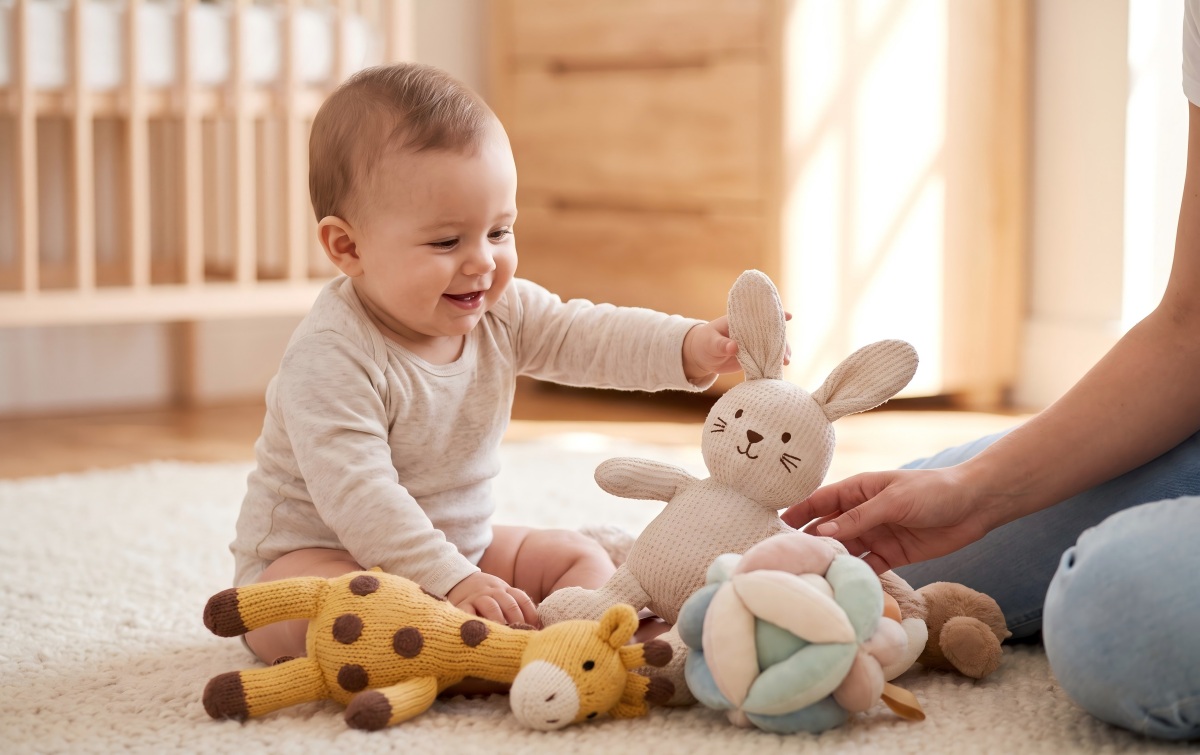
For the youngest users, look for a clear age recommendation, securely embroidered facial features, strong seams, and simple shapes. Avoid detachable accessories, long cords, loose ribbons, and small parts. Washable materials are useful because favorite toys often travel everywhere. The most appropriate choice is not necessarily the largest or fluffiest one; it is the one designed and labeled for the child’s stage.
Older children, teens, and adults
Older children often enjoy toys that reflect their interests: animals, games, books, sports, or favorite colors. Teens and adults may look for collectible designs, limited editions, high-GSM fabrics, or oversized display pieces. Consider where the toy will live. A desk companion, travel plush, bed-sized bear, and shelf collectible each need a different size and construction.
| Talla | Useful for | Practical note |
| Under 8 inches | Travel, backpacks, keychains | Easy to carry and store |
| 8–16 inches | Daily play and everyday gifts | Fits many shelves and beds |
| 16–24 inches | Cuddling and statement gifts | Needs more room for storage |
| Over 24 inches | Room décor and special occasions | Measure space before ordering |

Choosing a plush toy as a gift
Start with the recipient rather than the product category. Think about their age, favorite animal or character, available space, and the event. A small plush can be a thoughtful graduation or thank-you gift. A medium teddy bear works well for a birthday. An oversized plush may create a memorable moment, but it also creates a storage decision. Personalization, a message card, or good packaging can add value without making the toy unnecessarily large.
5. Toy Safety and Care: Essential Buyer Checks
Soft toys should feel comforting, not create avoidable risks. Safety begins before a purchase and continues through use, cleaning, and repair. For young children, loose components and weak seams matter more than surface softness. For every buyer, the care label and age label are useful starting points. They explain the maker’s intended use and cleaning guidance.
A practical safety checklist
- Check the recommended age and any warning labels before buying.
- Look for secure seams, especially around limbs, ears, tails, and accessories.
- Gently inspect eyes, noses, bows, and tags for loose parts or sharp edges.
- Avoid small detachable pieces for children who may mouth or chew toys.
- Choose embroidered features for babies and toddlers whenever practical.
- Stop using a toy if filling, pellets, wires, or hard components become exposed.
For products sold as children’s toys in the United States, applicable CPSC rules and ASTM F963 requirements can cover hazards such as small parts, stuffing materials, cords, and labeling. Requirements vary by product and selling market. Brands should confirm the exact standards for their destination country before placing a production order, rather than assuming one report covers every material, size, or version.
Cleaning plush toys and stuffed animals
Always follow the care label first. Many simple polyester plush toys can be washed on a gentle cycle in cold water, preferably inside a mesh laundry bag or pillowcase. Toys that contain batteries, music modules, fragile accessories, long faux fur, glued details, beads, or special filling may need spot cleaning or careful hand washing instead.
| Toy type | Safer care approach | Why |
| Basic polyester plush | Gentle machine wash if label allows | Usually durable and easy to dry |
| Long-pile faux fur | Hand wash or spot clean | Helps protect pile and finish |
| Electronic or sound toy | Surface clean only | Protects internal components |
| Bean-filled or weighted toy | Follow maker instructions exactly | Filling and seam design vary |
| Vintage or collectible toy | Spot clean and air dry | Protects value and delicate materials |
After washing, press out excess water using a clean towel and air dry the toy fully. Do not use high heat unless the label specifically permits it. When long pile dries, use a soft brush or wide-tooth comb in the fiber direction. This can help restore a fluffy look without pulling fibers out of the backing.
Repairing a loved toy
Small repairs can extend a toy’s life. Close a minor seam gap early, before filling escapes. Use a matching thread and close stitches along the original seam line. Push loose fiberfill back inside before sewing. Do not give a repaired toy to a young child until every seam and component feels secure. Replace a toy if it has exposed pellets, sharp parts, damaged electronics, or major structural damage.
6. Custom Plush Manufacturing: What Businesses Should Know
Custom plush turns a logo, drawing, mascot, or character into a physical product. It is popular for retail merchandise, corporate gifts, promotional campaigns, schools, events, and licensed collections. The best projects begin with a clear brief rather than a rushed request for price. A manufacturer needs enough information to understand the desired size, materials, complexity, buyer age, target market, and order quantity.
Businesses looking for a starting point can explore plush product ideas and sourcing conversations through StuffPlush. A clear plan makes it easier to compare options and avoid unnecessary revisions later.
The custom plush development path
- Share artwork, dimensions, intended user, and target market.
- Review the fabric, filling, embroidery, accessories, and packaging options.
- Approve a prototype sample before authorizing larger production.
- Confirm required testing, labels, and documentation for the destination market.
- Begin bulk production after the approved sample becomes the quality reference.
- Inspect finished goods before packing and shipment.
The sample is the most important decision point. It lets a buyer check proportions, color, fabric feel, embroidery, filling level, and seam quality in real life. Screens and drawings cannot show every production detail. Give specific feedback at this stage and approve the corrected sample before the factory cuts material for the full order.
Questions to ask a custom plush manufacturer
| Question | Why it matters |
| What is the minimum order quantity? | It helps match demand, budget, and storage capacity. |
| What is included in the sampling process? | It clarifies revisions, timing, and approval steps. |
| Which fabric and filling options are available? | It aligns feel, durability, and price expectations. |
| Can you support required product testing? | It helps plan compliance for the sales market. |
| How do you inspect bulk production? | It shows how quality is controlled before shipment. |
| Can you provide custom labels and packaging? | It supports brand presentation and product information. |
Premium materials and custom details
A premium plush toy usually combines several thoughtful choices: a dense and pleasant fabric, even filling, accurate embroidery, reinforced seams, clean pattern shaping, and consistent color. High-GSM fabric may improve the surface feel, but it should be selected alongside the correct pile length and fiber type. Short velboa may be ideal for a detailed mascot face, while longer faux fur may suit a classic bear.
Custom details can include embroidered logos, printed fabric panels, woven labels, hangtags, clothing, accessories, sound modules, or presentation boxes. Every added component affects cost, assembly time, and safety review. For children’s products, simple and secure details are often better than many small decorations. The goal is a memorable design that is practical to make, use, clean, and sell.
7. A Clear Buying and Sourcing Framework
Whether you are buying one birthday gift or planning a branded collection, the decision can be made easier by following the same order. First identify the user and purpose. Then select the feel and appearance. Next choose construction and filling. Finally, verify safety, care, and production details. This approach keeps the difference between plush and stuffed toys useful instead of merely technical.
| Decision step | Key question | What to review |
| 1. User | Who will use or receive it? | Age, interests, storage space, play style |
| 2. Surface | How should it feel and look? | Minky, velboa, faux fur, fleece, cotton |
| 3. Construction | How should it sit and hold shape? | Fiberfill, foam, pellets, seam strength |
| 4. Safety | What risks apply to the user and market? | Age label, components, testing, warnings |
| 5. Care | How will it be cleaned and stored? | Care label, wash method, drying needs |
| 6. Production | How will quality stay consistent? | Sample approval, inspections, packaging |
Use the language accurately in product pages and briefs. Call the item a plush toy when the soft outer fabric is the key value. Call it a stuffed toy when you want the broadest category. Use stuffed animal for animal-shaped designs. Include related search phrases naturally, because shoppers use different words for similar products. Clear descriptions make it easier for customers to understand what they will receive.
8. How to Describe Plush and Stuffed Toys Clearly
Good product writing does more than repeat keywords. It answers the questions a buyer is likely to ask before they order: What does the item feel like? How large is it? Who is it for? Can it be washed? What makes it different from another soft toy? A clear description turns vague words such as “cute” and “premium” into practical details that help customers choose confidently.
Build descriptions around the product, not just the category
Start with the most useful label. If the product is a soft animal made from minky fabric and filled with fiberfill, “minky plush stuffed animal” is more helpful than simply “cute toy.” Then explain the material, size, filling, features, and care guidance in plain language. Shoppers should not have to guess whether a toy is flat or stuffed, small or oversized, machine washable or surface-clean only.
A strong listing also uses related terms naturally. Someone may search for a plushie, while another person may search for a stuffed animal or soft toy. Those words can appear in titles, descriptions, and category labels when they are accurate. Avoid forcing every variation into one sentence. Instead, give each term a useful job: plush for fabric, stuffed for filling, animal for shape, and soft toy for the wider category.
Useful product-description details
- State the outer fabric, such as minky, velboa, faux fur, fleece, or cotton.
- Explain the filling and the resulting feel, such as soft, springy, firm, or weighted.
- Give a clear size measurement and show how the toy is measured.
- List any special features, including embroidery, removable clothing, sounds, or accessories.
- Include age guidance, care instructions, and safety warnings when they apply.
- Use photographs that show texture, scale, front details, and important labels.
For a business, accurate copy also reduces returns and customer-service questions. If a listing says “high-GSM plush fabric,” it should explain the shopper benefit: a denser surface and more substantial feel. If a toy contains pellets, it should explain the weight and care needs. If it is designed for a particular age group, that information should be visible before checkout.
9. Responsible Material and Production Choices
The material conversation can also include durability and responsible sourcing. A toy that keeps its shape, color, and seams through regular use may stay out of the waste stream longer than one that quickly sheds or breaks. This does not mean every product needs the heaviest fabric or the most complicated construction. It means the specification should match the toy’s intended life and use.
Choose durability before decoration
A durable toy begins with a practical pattern, suitable fabric, and stitching designed for stress points. Long ears, thin tails, large accessories, and small attached parts may look appealing, but they need construction choices that support them. A simpler design can sometimes be safer, easier to wash, and more reliable in bulk production. When planning a custom plush toy, ask which parts receive the most pulling, rubbing, and compression during use.
Recycled polyester fabrics or fiberfill may be available for some projects. Their suitability depends on the required texture, color, testing plan, and supply chain. Brands should ask for clear material specifications instead of relying on broad environmental claims. It is also useful to consider packaging. A right-sized carton, clear care label, and durable hangtag may deliver more value than unnecessary plastic or oversized gift packaging.
Keep the production brief consistent
Consistency protects quality. The approved sample should document the exact fabric, pile direction, embroidery placement, filling level, color references, labels, and packaging. If a material changes after approval, the team should review whether it affects appearance, cost, safety, or care. This is especially important when production occurs across several batches or when a retailer plans repeat orders over time.
Simple records help at every stage. Keep the artwork version, sample comments, approved measurements, packing details, and inspection criteria in one project file. A reliable manufacturer can use this information to produce a more consistent result. A buyer can also use it to compare future samples against the original standard rather than relying on memory or photos alone.
10. Frequently Asked Questions
Are all plush toys stuffed toys?
Most plush toys are stuffed, but not every plush item contains filling. Flat comforters, puppets, and some decorative pieces can use plush fabric without a fully stuffed body.
Are all stuffed toys plush?
No. A stuffed toy can use cotton, knit fabric, felt, canvas, or other materials. Plush describes the soft pile fabric, not every type of stuffed construction.
Is a teddy bear a plush toy or a stuffed toy?
It is often both. A typical teddy bear has a soft plush outer fabric and a stuffed interior. If its outer material is cotton or knit fabric, it remains a stuffed animal but may not be called plush.
What is the safest filling for stuffed toys?
There is no single filling that is safest in every design. Secure construction, age-appropriate design, strong seams, and proper labeling matter most. Polyester fiberfill is common because it is light and soft, while pellets and weighted fillings need additional care.
Are high-GSM premium fabrics always better?
Not always. Higher GSM can support a dense, substantial feel, but fabric quality also depends on fiber type, pile finish, backing, colorfastness, and construction. Touching a sample remains the best test.
What should I look for in a reliable custom plush manufacturer?
Look for a clear sampling process, transparent quotes, material options, relevant testing support, quality-control steps, and strong communication. The manufacturer should answer specific questions about your design rather than offering vague promises.
Final Thoughts: Choose by Material, Construction, Safety, and Use
Plush and stuffed toys are closely related, but they are not identical terms. Plush points to the outer fabric and its soft surface. Stuffed points to the filling and shape inside. A stuffed animal describes an animal-shaped version, while soft toy and plushie are broader everyday names.
The better choice depends on your goal. Choose a plush toy when you want a particular tactile experience. Choose a stuffed toy by considering its filling, construction, and shape. For children, place safety and age guidance first. For a custom project, use approved samples, thoughtful materials, and quality controls to turn a good idea into a product people will enjoy for years.