 Spanish
  English
  German
  French
  Russian
  Korean
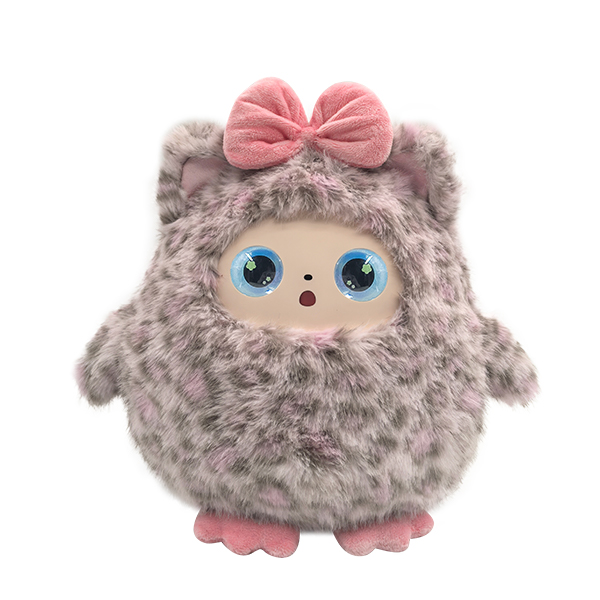
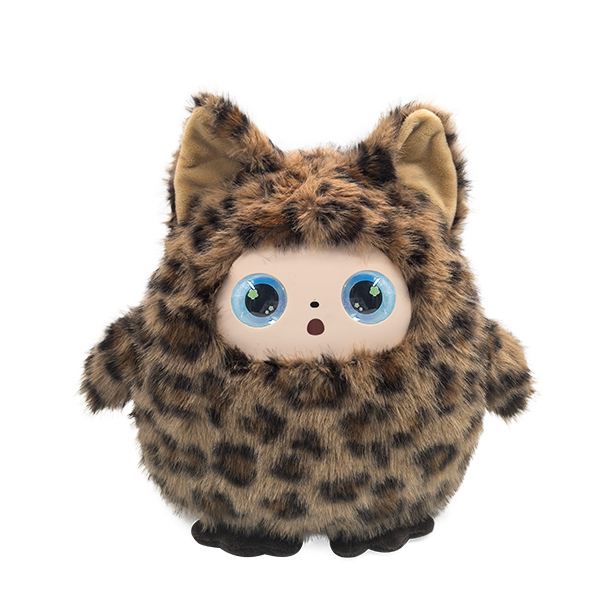
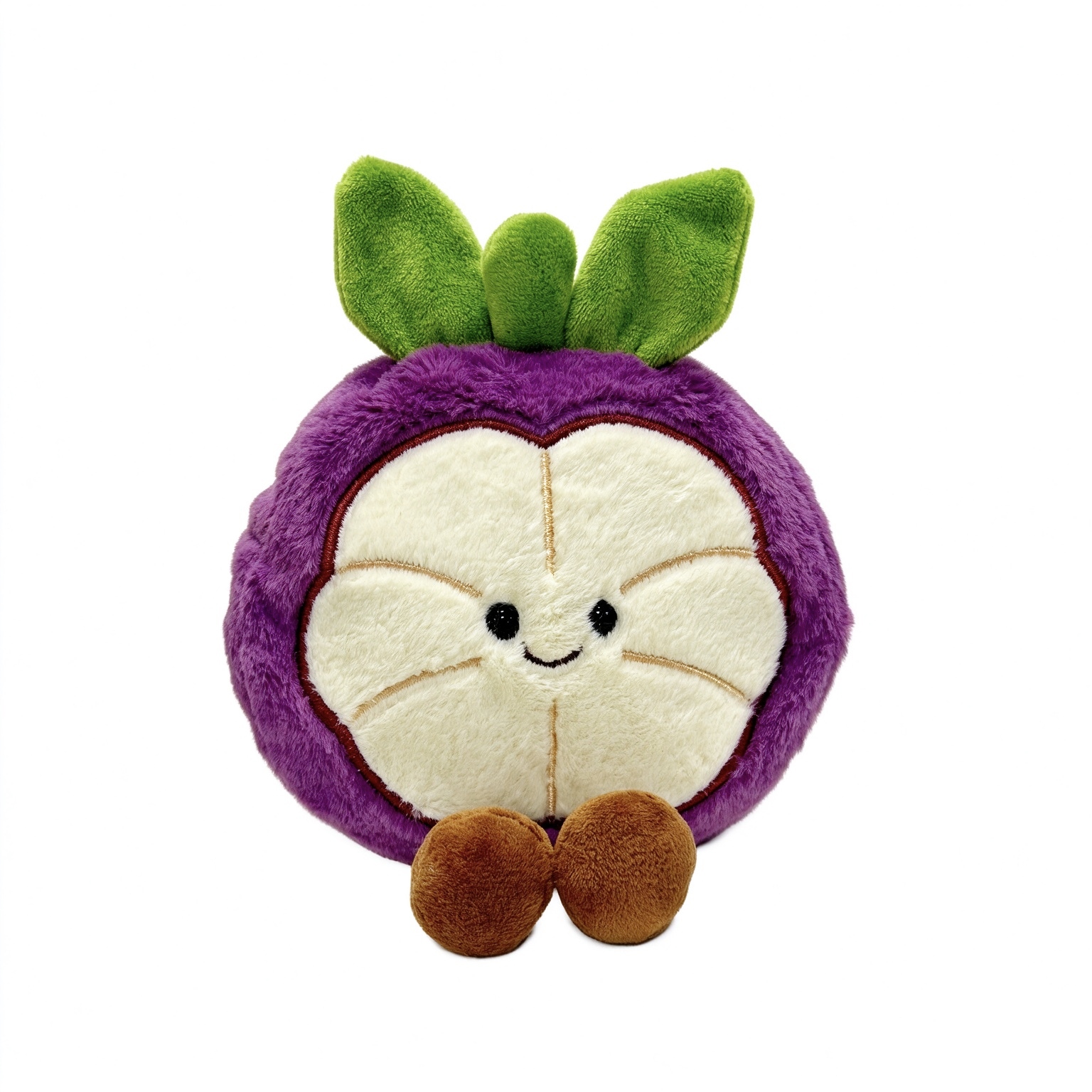
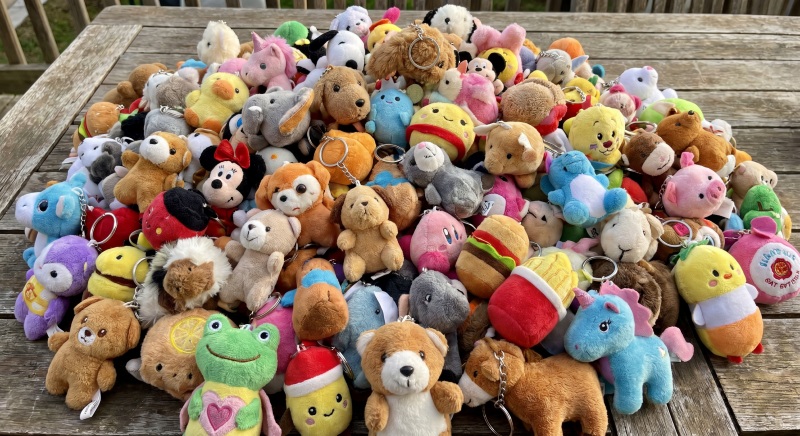
The global promotional and retail merchandise market has witnessed a massive shift toward high-quality, character-driven accessories. Among these, the custom plush keychain has emerged as a powerhouse product for corporate gifting, anime conventions, university bookstores, and intellectual property (IP) licensing brands. However, moving from a flat 2D sketch or an AI-generated character concept to a pocket-sized, retail-grade product involves a unique set of manufacturing challenges.
Unlike larger stuffed animals, a miniature mascot keychain leaves absolutely zero margin for error. A single millimeter of misaligned embroidery or a weak stitching seam can transform a premium branded accessory into an unusable defect. For procurement managers and brand owners, the stakes are incredibly high. Selecting the wrong custom plush keychain manufacturer results in delayed product launches, wasted capital, and potential compliance liabilities.
To navigate this complex supply chain landscape, global buyers need a definitive blueprint. This 2026 sourcing guide details exactly how to evaluate, select, and partner with a world-class manufacturing facility to bring your custom miniature creations to life.
Key Factors to Evaluate
When you begin your search for a production partner, it is easy to be overwhelmed by basic factory catalogs filled with generic designs. To find a truly reliable partner, you must look past the surface and rigorously analyze their core operations, technical capabilities, and compliance standards against the following seven steps.
Step 1: Material & Safety Compliance (Super Important)
The absolute baseline for any international plush merchandise project is regulatory compliance. Because a custom plush keychain is an everyday-carry item frequently handled by consumers of all ages—including children—it faces strict chemical and physical testing protocols in global markets.
When vetting a potential product plush toy manufacturer, you must demand verified third-party testing documentation rather than simple verbal assurances. In the United States, items must comply with the Consumer Product Safety Improvement Act (CPSIA) and ASTM F963 standards. In the European Union, products must pass EN71 Parts 1, 2, and 3, and carry the CE or UKCA mark. These tests ensure that the fabrics, dyes, and internal stuffings are completely free of heavy metals, harmful phthalates, and flame retardants.
Furthermore, compliance extends to physical engineering. Miniature keychains are highly susceptible to “pull-test” failures. A reliable factory must execute heavy-duty double-stitching where the fabric loop connects to the metal hardware. This attachment must withstand specific mechanical tension tests (typically 90 Newtons of force) to prevent the small metal keyring or plastic clip from detaching and becoming a choking hazard.
Beyond basic safety, modern enterprise procurement must account for environmental, social, and governance (ESG) expectations. Top-tier suppliers will maintain clean, updated factory audits such as Business Social Compliance Initiative (BSCI) or SEDEX (Grade A or B ratings).
Additionally, look for a supplier that offers Global Recycled Standard (GRS) certified eco-friendly recycled textiles. Utilizing a Custom Stuffed Animal Manufacturer that can source GRS-certified rPET (recycled polyethylene terephthalate) plush fabrics allows your brand to seamlessly align with global sustainability initiatives while maintaining a premium, retail-ready softness.
Step 2: Fixable MOQ and Easy Scaling Up
A major bottleneck for growing IP brands, independent creators, and agile corporate marketers is the rigid Minimum Order Quantity (MOQ) demanded by traditional legacy factories. Many old-school operations refuse projects under 5,000 or 10,000 pieces per design because setting up traditional mechanical cutting dies and physical sewing patterns is labor-intensive.
In the modern supply chain, flexibility is everything. You need a bulk plush keyrings supplier that offers scalable, adjustable MOQs—starting as low as 500 pieces per design. This enables low-risk market testing. A brand can launch a limited-edition character drop, evaluate real-world consumer demand, and collect feedback without sinking capital into massive, unvalidated inventory.
However, a low MOQ is only half of the equation. The factory must also possess the infrastructure to seamlessly scale up production to 50,000 or 100,000 units when a product goes viral. Ask potential suppliers about their automated cutting machinery, their daily output capacities, and whether they maintain dedicated sample rooms separate from their high-volume mass production lines. This division of labor ensures that your small-batch reorders or high-volume expansions are never delayed by other client projects.
Step 3: Design Capabilities & Sampling
The most critical phase of a custom plush keychain project occurs before a single piece of fabric is cut. It lies within the factory’s structural design room. Capturing the precise essence of a character in a 3-to-5-inch form factor requires advanced engineering.
Traditionally, factories relied on manual pattern drafting. A designer would look at a 2D drawing and guess the fabric curves, resulting in an iterative sample process that could drag on for six to eight weeks. This slow workflow often led to mismatched facial proportions, misshapen bodies, and frustrating cross-border communication delays.
To optimize your launch timeline, look for a forward-thinking manufacturer that utilizes digital 3D prototyping workflows. Leading digital-first factories can transform a flat 2D sketch or an AI concept into a high-fidelity 3D digital model within an interactive online workspace. In this workspace, you can rotate the model 360 degrees, inspect fabric textures under realistic virtual lighting, and adjust proportions in real time.
Once approved, advanced reverse-engineering software automatically unfolds that exact 3D digital mesh into a precise physical sewing template. This digital-first methodology eliminates manual drafting errors, ensures a 100% replication rate from screen to physical sample, and reduces sample revision cycles from months to days.
Step 4: Communication & Support
When managing a manufacturing project across time zones, clear and transparent communication is your strongest risk-mitigation tool. A reliable supplier must provide a dedicated, English-speaking B2B account engineer who acts as a direct link between your creative team and the factory master artisans.
Evaluating communication capability should begin during your initial inquiry phase. Pay close attention to response times, clarity of technical jargon, and their willingness to protect your intellectual property. A reputable wholesale custom mascot keychains expert will proactively offer and sign a standard, legally binding Non-Disclosure Agreement (NDA) before you transmit any proprietary design files or brand artwork. If a supplier hesitates to sign an NDA, treat it as an immediate red flag for your supply chain’s security.
Step 5: Dig Into How They Make Plush Keychain
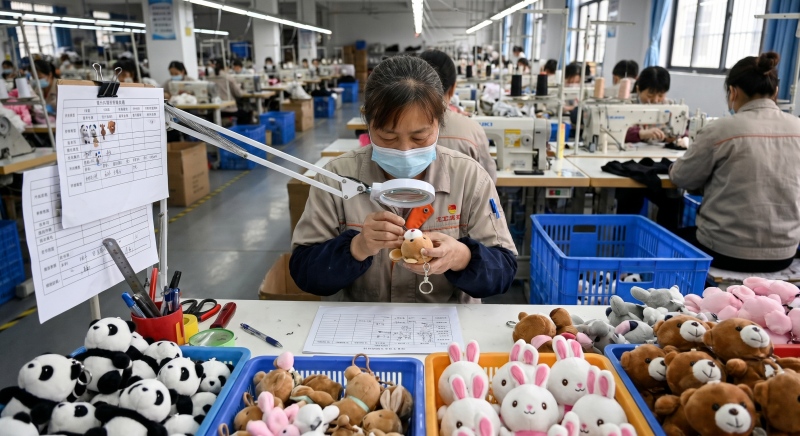
To truly verify a manufacturer’s operational integrity, you must look closely at their factory floor practices. The production of miniature plush items requires vastly different specialization compared to making giant 30-inch teddy bears.
Because keychains have such small surface areas, standard embroidery machines can easily bunch up the underlying fabric, causing messy facial features or crooked logos. A premium manufacturer utilizes high-density, multi-head computer embroidery machines that can execute clean lines on micro-scales.
Furthermore, examine their fabric selection. Small items require stable, high-GSM (Grams per Square Meter) textiles like crystal velvet or spandex super-soft fabric. Low-quality factories will cut corners by using thin, low-GSM fleece that stretches out of shape or tears easily when compressed in a consumer’s pocket or backpack.
Step 6: Time It Right (Speed, Rushes, Shipping)
In global retail, missing a product launch window can destroy an entire seasonal marketing campaign. Whether you are timing production for a winter holiday retail drop, a summer comic convention, or a nationwide corporate event, you must establish a clear timeline from day one.
A highly efficient manufacturer should operate within the following standard timeframes:
-
Digital 3D Concept Modeling: 1 to 3 business days.
-
Physical Prototyping & Fabric Swatch Selection: 5 to 7 business days.
-
Mass Production (5,000 units or less): 20 to 25 calendar days.
-
Mass Production (10,000+ units): 30 to 45 calendar days.
Always ask if the factory provides “rush-order” capabilities for unexpected demand spikes. Furthermore, ensure their logistics team is experienced with international shipping frameworks, including Delivery Duty Paid (DDP) ocean freight, air freight logistics, and automated customs clearance paperwork. This experience prevents your merchandise from getting stuck in customs ports due to improper labeling or incomplete harmonized system (HS) code documentation.
Step 7: Plan for Years Ahead (Repeat Orders Easily)
A successful merchandise line is rarely a one-off project. A truly reliable partner is one that treats your brand as a long-term asset. When a specific custom plush keychain design sells out, you need to be able to place a repeat order with the absolute guarantee that the second, third, or tenth production run will look identical to the initial batch.
Top factories achieve this consistency by archiving all digital sewing assets, laser-cutting vectors, embroidery files, and physical fabric dye-lot records in a secure, centralized product lifecycle management (PLM) database. When you request a reorder two years later, they do not manually recreate the pattern; they pull the exact digital blueprints to ensure total continuity across your global supply chain.
Extra Tips for Smart Buyers
Before committing to a high-volume production deposit, smart procurement managers utilize a few subtle strategies to stress-test a factory’s capabilities:
-
Request a Material Swatch Booklet: Ask the factory to mail you a physical swatch booklet containing their core inventory of fabrics (crystal velvet, South Korean fleece, faux rabbit fur, etc.) along with samples of their metal hardware (zinc alloy rings, lobster claws, plastic buckles). This lets your design team evaluate tactile softness and structural weight before spending money on custom prototypes.
-
Inquire About Custom Packaging Integration: A custom plush keychain destined for retail stores requires professional packaging. Check if the manufacturer can handle the production and attachment of custom full-color cardboard hangtags, woven brand labels, and eco-friendly protective polybags with compliance suffocation warnings. Sourcing your product and packaging from a single facility dramatically reduces assembly errors and double-handling logistics costs.
Easy Comparison Table: StuffPlush vs. Others
To help you visualize how a modern, digital-first manufacturing facility compares against traditional sourcing alternatives, analyze the operational matrix below:
| Evaluation Metric | StuffPlush (Digital-First B2B Factory) | Traditional Toy Factories | Overseas Trading Companies |
| Salón de exposición interactivo en 3D | Yes (Full 360° virtual fabric & color configuration) | No (Relies entirely on 2D sketch guessing) | No (Uses basic static catalog photos) |
| Prototyping Cycle Time | 1 – 3 Days (Fast digital-to-pattern unfolding) | 14 – 21 Days (Slow manual pattern drafting) | 21 – 30 Days (Relies on external sub-contractors) |
| Minimum Order Quantity | Flexible (Starts as low as 500 pcs for agile testing) | Strict Legacy MOQs (Typically 3,000 – 5,000 pcs) | Medium MOQs (Often bundles multiple factory orders) |
| IP Protection Strategy | Enforced (Immediate corporate NDA before asset transfer) | Inconsistent (Prone to local market leakage) | High-Risk (Designs often shared with multiple sub-factories) |
| Fabric Customization | Full Range (GRS Recycled textiles, crystal velvet, custom dye-lots) | Limited (Only utilizes standard in-stock warehouse colors) | Limited (Restricted to what their partner factories have) |
| Safety Certifications | Verified (BSCI, SEDEX Grade A, ASTM, EN71, CE) | Varies (Often requires client to pay for external testing) | Fragmented (Relies on separate factory certificates) |
| Quality Control Infrastructure | In-House (Automated X-ray metal detection & mechanical pull-testing) | Basic (Manual visual checking only) | Third-Party (Requires external inspectors to visit) |
The Production Process
Understanding the step-by-step physical transformation of your design allows your team to establish realistic milestones and monitor quality checkpoints effectively. A reliable manufacturing workflow is broken down into four distinct, highly controlled phases.
Step 1: Concept & Quoting
The project kicks off with the submission of your design assets. This can range from an advanced vector tech pack to a basic character sketch. The engineering team analyzes the design to determine the optimal fabric mapping, embroidery density, and metal hardware weight.
Based on this analysis, the factory generates a transparent, itemized cost breakdown detailing the sample creation fee, unit pricing across different volume tiers, packaging expenses, and international freight estimates. This stage ensures both parties are aligned on budget and technical specifications before moving forward.
Step 2: Prototyping
Once the initial quote is approved, the factory transitions into physical prototyping. Using the digital 3D model as a precise blueprint, skilled sample artisans select the correct fabric type and color shades from the warehouse.
The character’s facial features and branding details are programmed into high-precision digital embroidery machines. The fabric panels are cut, stuffed with premium, non-clumping PP cotton or eco-friendly rPET fiber, and hand-closed with invisible ladder stitching. The completed physical prototype is then photographed from multiple angles and mailed directly to your office for final real-world touch, feel, and structural approval.
Step 3: Mass Production
With your physical prototype approved and signed off, the factory triggers full-scale mass production. Raw rolls of fabric are fed into automated laser-cutting machines. Unlike manual knife cutting, laser cutters seal the edges of synthetic plush fabrics instantly, preventing fraying and ensuring every single cut panel is completely identical.
The fabric panels move down an assembly line where specialized operators manage high-density computer embroidery and precise sewing. Concurrently, the metal component assembly line prepares the custom zinc-alloy chains or lobster claws, double-stitching them securely into the plush base to guarantee long-term durability.
Step 4: Quality Control (QC)
The final phase of the manufacturing process is dedicated to intensive quality control. Every single custom plush keychain unit passing off the assembly line must go through a multi-stage inspection barrier:
-
Visual & Tactile Inspection: QC officers manually inspect every keychain to verify stitching symmetry, clean embroidery, and correct hangtag placement.
-
Mechanical Tension Pull-Testing: Random units from every production batch are subjected to pull-testers to ensure the metal attachment clip never detaches under consumer use.
-
X-Ray Metal Detection: Every piece of plush merchandise must pass through an automated industrial conveyor-belt metal detector. This safety protocol guarantees that no broken sewing needle fragments or metallic debris remain hidden inside the internal stuffing, ensuring total consumer safety.
Once cleared, the keychains are individually packed into protective polybags, master-cartoned according to international maritime shipping standards, and handed over to logistics partners for global distribution.
Preguntas frecuentes
1. What is the standard turnaround time for a custom plush keychain order from design to delivery?
For a standard order volume of 1,000 to 5,000 pieces, the entire process typically spans 35 to 50 calendar days. This timeframe includes 1 to 3 days for digital 3D concept modeling, 7 days for physical prototype production and airmail approval, and 20 to 25 days for mass production. International air freight adds roughly 5 to 7 days, while standard ocean freight requires 25 to 35 days depending on your destination port.
2. How do we ensure our corporate brand logo or IP character is perfectly replicated on a micro-scale?
Replicating intricate details on a small 3-to-5-inch canvas requires a manufacturer that utilizes high-density digital embroidery machines and stable, high-GSM fabrics like crystal velvet. Avoid factories that use low-cost sublimation printing or low-density stitching on tiny items, as these methods blur details over time. Demand a digital 3D model phase where the embroidery stitch paths are mapped out mathematically before cutting fabric.
3. What are the key safety certifications required to sell plush keychains in the US and Europe?
To legally sell or distribute plush accessories in the US, products must comply with CPSIA and ASTM F963 standards, requiring a Children’s Product Certificate (CPC). For the European Union, the merchandise must pass EN71 Parts 1, 2, and 3 safety testing and feature the CE/UKCA mark. These certifications ensure the product is physically secure (no small parts detaching under 90 Newtons of pull force) and chemically non-toxic.
4. Can we use eco-friendly or recycled materials for miniature plush keychain production?
Yes. Top-tier modern manufacturers maintain a steady inventory of Global Recycled Standard (GRS) certified textiles. These fabrics are woven from post-consumer recycled plastic bottles (rPET), turning plastic waste into incredibly soft, premium micro-fibers. Combining GRS-certified fabric with clean, certified plant-based non-toxic dyes allows your brand to satisfy stringent global corporate ESG compliance metrics perfectly.
Reflexiones finales
Sourcing a custom plush keychain line does not have to be a high-risk gamble defined by long development delays, misaligned samples, and compliance anxieties. By shifting your sourcing framework away from old-school, analog middlemen and partnering directly with a digital-first, compliance-verified custom plush keychain manufacturer, you can protect your intellectual property, optimize your capital efficiency, and accelerate your brand’s global time-to-market.
Look for a partner that balances advanced 3D engineering with verified physical manufacturing standards like BSCI, SEDEX, and automated metal detection. Whether you are launching an independent character line or executing an enterprise-wide global promotional rollout, the right supplier will ensure that what you see on your digital screen is exactly what arrives in your retail box—flawless, premium, and built to perform.