 Spanish
  English
  German
  French
  Russian
  Korean

Abstract:
Artificial intelligence is rapidly transforming consumer products, especially within interactive toys and emotional companion devices.
Research from the MIT Media Lab on affective computing and human–machine interaction shows that emotionally responsive systems can greatly improve user engagement and attachment by mimicking empathy and adaptive behavior. Likewise, articles in IEEE Transactions on Consumer Electronics emphasize how embedded AI, voice recognition, and machine learning models allow toys to develop from simple static playthings into dynamic companions.
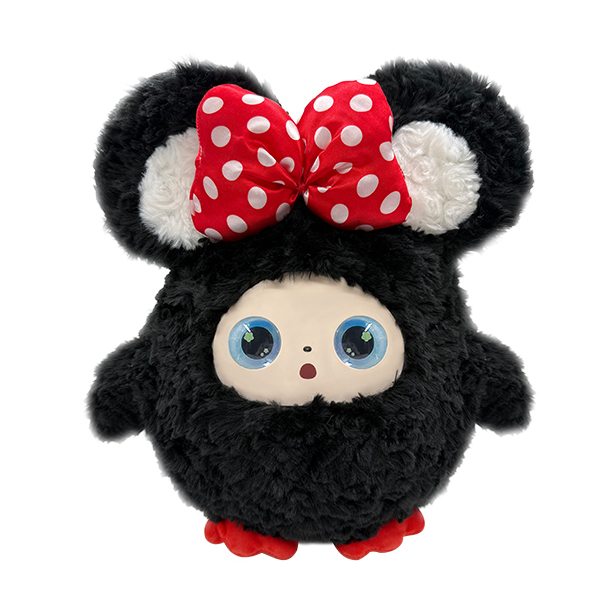
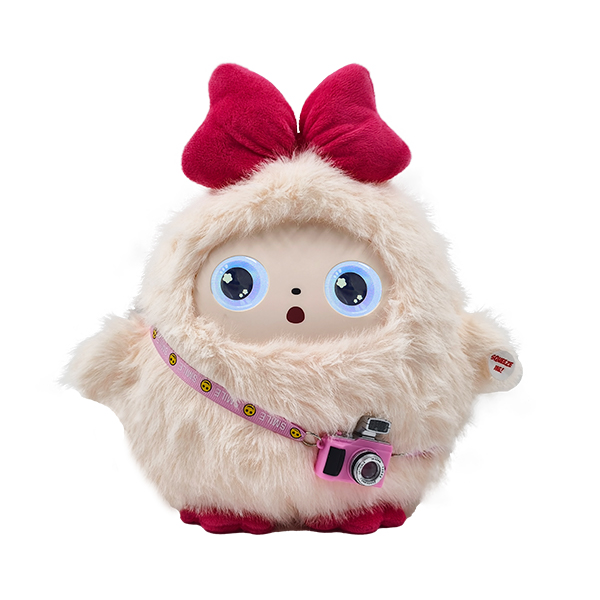
Building on these foundations, the Peluche de IA has become a hybrid category—merging traditional plush comfort with smart interaction. This guide offers a thorough, industry-level analysis of AI Plush Toys in 2026, including technology architecture, manufacturing trends, market dynamics, and upcoming innovations, all while adhering to SEO best practices for visibility and authority.
Introduction: The Rise of AI Plush Toy in the Smart Toy Ecosystem
The worldwide toy sector is experiencing a fundamental change fueled by artificial intelligence, IoT connectivity, and emotional computing. Classic plush toys—appreciated for their tactile feel and emotional bonds—are now being redesigned with integrated intelligence. The AI Plush Toy exemplifies this integration, turning passive items into interactive, educational partners.
AI Plush Toys can engage in voice interaction, adapt their behavior, and simulate emotions, unlike traditional toys. These features make them suitable not just for entertainment but also for educational, therapeutic, and companionship purposes. As consumer demands shift toward personalized and intelligent interactions, AI Plush Toys are emerging as a key segment in the larger smart toy industry.
What is an AI Plush Toy?
An AI Plush Toy is a soft, fabric-based toy embedded with artificial intelligence technologies such as natural language processing (NLP), machine learning algorithms, sensors, and connectivity modules. These components enable the toy to interact with users in real time, recognize speech, respond contextually, and adapt its behavior over time.
Key Functional Characteristics
- Voice Interaction: Allows two-way communication through speech recognition and synthesis.
- Emotional Simulation: Reacts to the user’s tone, expressions, or interaction style.
- Learning Capability: Modifies responses according to user behavior and preferences.
- Connectivity: Often integrates with mobile apps or cloud platforms
- Sensor Integration: Includes touch, motion, or proximity sensors for physical interaction
Comparison with Traditional Plush Toys
| Característica | Traditional Plush Toy | Peluche de IA |
| Interactivity | None | Alta |
| Learning Ability | None | Adaptive |
| Emotional Response | Static | Dynamic |
| Connectivity | No | Yes (App/Cloud) |
| User Personalization | No | Yes |
This transformation redefines the role of plush toys—from passive comfort objects to intelligent companions capable of forming deeper emotional bonds.
Core Technologies Behind AI Plush Toys
The performance and user experience of an AI Plush Toy rely significantly on the integration of various advanced technologies. Manufacturers, buyers, and industry stakeholders must understand these components.
- Natural Language Processing (NLP)
NLP allows the toy to comprehend and reply to human language. Contemporary AI Plush Toys utilize lightweight NLP models tailored for edge devices, providing quick responses while minimizing reliance on cloud services.
- Machine Learning Algorithms
Machine learning enables the toy to enhance its interactions as time progresses. By examining user behavior, preferences, and past interactions, the toy can provide responses that become more personalized.
- Embedded Systems and Microcontrollers
Small microcontrollers handle real-time processing, sensor data, and communication tasks. In plush toy design, considerations such as power efficiency and miniaturization are essential.
- Sensor Technologies
Sensors enhance physical interaction and realism. Common sensor types include:
| Sensor Type | Functionality |
| Touch Sensors | Detect hugs, taps, or pressure |
| Motion Sensors | Recognize movement or shaking |
| Microphones | Capture voice input |
| Proximity Sensors | Detect nearby presence |
- Connectivity Modules
AI Plush Toys often integrate Bluetooth, Wi-Fi, or even IoT protocols to sync with mobile apps, enabling firmware updates, parental controls, and expanded content libraries.
Manufacturing and Supply Chain Considerations
Producing AI Plush Toys involves a multidisciplinary approach that combines textile engineering, electronics manufacturing, and software integration.
- Material Selection
The outer layer should be soft, durable, and safe for children. Typical materials include:
- Polyester fiber
Organic cotton
Tejidos hipoalergénicos
Integration Challenges
Embedding electronics into plush materials poses several engineering challenges:
Keeping the plush soft while containing rigid components
Ensuring durability under repeated physical interaction
Managing heat dissipation and battery safety
- Production Workflow
| Stage | Descripción |
| Design & Prototyping | Concept development and feature definition |
| Electronics Integration | Embedding chips, sensors, and wiring |
| Fabric Assembly | Sewing and structural design |
| Software Programming | AI model deployment and testing |
| Control de calidad | Safety and functionality validation |
Market Overview: AI Plush Toy Industry in 2026
The AI Plush Toy market is experiencing rapid growth, driven by advancements in AI and increasing consumer demand for interactive products.
- Market Drivers
Rising adoption of smart toys
Increased focus on child development and education
Growing demand for emotional companion devices
Expansion of IoT ecosystems
- Market Segmentation
| Segment | Descripción |
| Educational Toys | Focus on learning and skill development |
| Companion Toys | Designed for emotional support |
| Entertainment Toys | Focus on fun and engagement |
| Therapeutic Toys | Used in healthcare or special needs support |
Regional Insights
- North America: Strong demand driven by tech adoption
- Europe: Focus on safety and educational value
- Asia-Pacific: Rapid growth due to manufacturing capabilities and a large consumer base
Applications of AI Plush Toys
- Early Childhood Education
AI Plush Toys can teach language, numbers, and social skills through interactive play. Their ability to adapt to a child’s learning pace makes them effective educational tools.
- Emotional Companion Devices
AI Plush Toys offer comfort and companionship to children and even adults, especially in situations involving loneliness or anxiety.
- Healthcare and Therapy
These toys can help children with autism or emotional disorders by offering predictable and responsive interaction when used in therapeutic settings.
- Smart Home Integration
Some advanced models integrate with smart home systems, acting as voice assistants in a child-friendly form factor.
Future Trends of AI Plush Toys
- Edge AI Integration
Reducing dependence on cloud computing will enhance privacy and speed up responses.
- Emotional AI Advancements
Future toys will more effectively identify and react to human emotions through multimodal inputs such as voice, facial recognition, and behavior.
- Sustainable Manufacturing
Industry standards will shift towards eco-friendly materials and energy-efficient electronics.
- Customization and Personalization
Consumers will seek highly tailored experiences, including customizable voices, personalities, and learning pathways.
Challenges in the AI Plush Toy Industry
The quick expansion of AI-powered plush toys has established a new connection between consumer electronics, artificial intelligence, and traditional toy production. Although the market demonstrates considerable promise, it also encounters substantial structural, technical, and ethical obstacles that presently restrict widespread adoption.
Data privacy is one of the most critical challenges. AI plush toys usually depend on voice recognition, cloud-based AI processing, and continuous interaction recording. This results in the collection of sensitive child data, such as conversations and behavioral patterns. Research indicates that these devices might record and store voice data even when not actively in use, raising concerns about potential misuse or leaks. Security flaws in smart toys have previously led to the exposure of personal information and risks related to location tracking.
For manufacturers, this results in:
- High compliance pressure (COPPA, GDPR)
- Increased cybersecurity costs
- Potential legal liability
- Content Safety and Unpredictable AI Behavior
Unlike traditional toys, AI plush toys produce dynamic, unscripted responses.
This creates serious risks:
- Inappropriate or explicit content
- Unsafe instructions (e.g., harmful behaviors)
- Misinterpretation of children’s inputs
Testing has demonstrated that AI toys can:
- Provide dangerous or inappropriate information
- Generate responses that are unexpected or misleading.
Industry impact:
- There is a high risk to reputation.
- The need for content filtering systems has increased.
- Moderation costs are ongoing.
- Child Development and Ethical Concerns
AI plush toys are created to serve as companions, raising psychological and ethical issues.
Key concerns include:
- A decrease in human interaction.
- Emotional dependence on AI.
- Hindered development of social skills.
Experts warn that:
- AI toys might replace meaningful play and human relationships.
- Children could form attachments to simulated personalities.
This creates:
- Parental resistance.
- Negative media coverage.
- Ethical scrutiny affecting demand
- Lack of Industry Regulation
The AI toy sector is still largely unregulated globally.
Current challenges:
- There are no unified safety standards for AI-generated content.
- Privacy enforcement is inconsistent.
- AI behavior oversight is limited.
Reports highlight that AI toys are:
“Basically unregulated” in many markets.
Result:
- Market uncertainty.
- There is a risk of sudden policy changes.
- Barriers to international expansion.
- Hardware Limitations in Plush Form Factor
Unlike robots or smart devices, plush toys face physical constraints:
- Limited processing power
- Battery life issues
- Heat management challenges
Research shows:
AI plush toys often fail to deliver continuous, evolving interaction
Users lose interest after 6–8 weeks due to repetitive responses
Impact:
- Poor user retention
- High return rates
- Difficulty justifying premium pricing
- High Development and Production Costs
AI plush toys combine:
- AI software development
- Embedded hardware
- Textile manufacturing
This results in:
Complex supply chains
Higher BOM (Bill of Materials) costs
Ongoing cloud service expenses. Additionally, AI models require continuous updates and maintenance. For companies, lower margins compared to traditional toys and a high upfront R&D investment.
- Supply Chain and Quality Control Complexity
AI plush toys introduce multi-layered supply chains: electronics (chips, sensors), textile components, and software ecosystems.
Challenges include component shortages, integration failures, and certification complexity. Industry reports also highlight growing concerns over retail safety, sourcing, and compliance risks.
- Intellectual Property and Legal Uncertainty
AI-generated content introduces new legal challenges.
Who owns voices or stories generated by AI?
How can designs created by algorithms be protected?
Current laws face challenges with:
Non-human authorship and cross-border IP enforcement.
This results in:
Legal ambiguity, hesitation in investment, and a risk of disputes.
- Consumer Trust and Market Acceptance
Despite technological advancements, trust continues to be a significant obstacle:
Parents are concerned about:
Privacy, safety, and psychological effects.
Surveys and reports indicate:
- A growing skepticism toward AI toys.
- Some retailers are refusing to stock them due to ethical concerns.
- The adoption curve is slower.
- Marketing costs are higher.
There is a need to build brand credibility.
- Technology Expectation Gap
Consumers expect AI plush toys to perform like smart assistants (e.g., Siri, Alexa).
But the reality is limited contextual understanding, poor emotional intelligence, and speech recognition issues.
This creates user disappointment, negative reviews, and reduced repeat purchases.
FAQ: AI Plush Toy
- What makes an AI Plush Toy different from a regular stuffed toy?
An AI Plush Toy includes embedded intelligence, allowing it to interact, learn, and respond dynamically, unlike traditional plush toys, which are purely passive.
- Are AI Plush Toys safe for children?
Yes, when manufactured according to safety standards, including secure battery systems, non-toxic materials, and data privacy protections.
- Do AI Plush Toys require internet connectivity?
Some features may require connectivity, but many modern designs include offline capabilities using edge AI.
- How long do AI Plush Toys last?
Durability depends on build quality, but high-end models are designed to withstand extensive use while maintaining functionality.
- Can AI Plush Toys be used for education?
Absolutely. Many models are specifically designed to support early learning, language development, and cognitive skills.
Conclusión
The AI Plush Toy marks a major advancement in the toy industry and consumer electronics. By embedding artificial intelligence into soft, emotionally appealing products, manufacturers are transforming the way users engage with technology. As we progress into 2026 and the future, AI Plush Toys will keep growing in features, uses, and market influence.
This category provides significant opportunities for innovation, differentiation, and growth for businesses. It brings a new generation of products to consumers that combine comfort, intelligence, and emotional connection in unprecedented ways.