 German
  English
  French
  Russian
  Korean
  Spanish
Article Abstract:
Plush keychains are popular accessories that have a decorative as well as emotional value, but their constant association with dirt, oils, bacteria, and environmental pollution makes it essential to clean them properly.
Unlike larger plush toys, plush keychains typically have a combination of materials that includes metal bands, sewing threads, synthetic filling, and delicate fabric, all of which complicate the process of washing them.
This article provides a comprehensive, informed guide on how to safely and effectively wash plush keychains, based on the principles of textile care, consumer safety standards, and material science research.
The guidance references provided textile care guidelines derived from sources like AATCC’s Textile Test Methods, ISO’s Fabric Care Labeling Rules, and academic research on microfiber and synthetic plush care.
By covering the process of hand washing, machine washing, stain removal, drying, and long-term hygienic management, this guide provides more information than typical search results for plush products. It helps both consumers and branded products reduce damage, discoloration, and hygienic risks.
Introduction: Why Plush Keychains Get Dirty Faster Than You Think
Plush keychains may appear to be small and inconsequential, but they are among the most commonly disregarded textile accessories in daily life. Bound to keys, backpacks, handbags, and belt loops, they are frequently in direct contact with hands, pockets, surfaces, and outdoors.
Unlike plush toys that are confined to indoors, plush keychains have a travel purpose beyond the confines of public transportation, restrooms, office supplies, food, and exercise. Eventually, they possessed:
- Oils and sweat on the skin
- Dust and particles are inhaled through the air
- Food remnants
- Bacteria and smells
Understanding the proper way to wash plush keychains in a hygienic manner is not solely about the appearance of the product: it’s also about the preservation of material, hygiene, and the longevity of the product.
What Are Plush Keychains Made Of?
Before cleaning the plush keychains, it’s important to understand their composition. Many plush keychains are composed of multiple materials, which necessitates more caution in their handling than is typical of plush toys.
Common Resources Employed in the Plush Keychains.
Outer fabric: Polyester fabric, microfiber, Velboa, or Fleece
Filling: Polyester orPP cotton (polypropylene fiber)
Adornments: Including plastic eyes and decorative stripes.
Hardware: Key chains, bands, toggles
Each material responds differently to water, soap, movement, and heat.
Why Improper Washing Damages Plush Keychains?
- Fabric Fiber Destruction
Plush keychains are typically composed of polyester fabric, short-pile textile, or fake fur.
Hot water injures the synthetic fibers and results in aggregation.
Intense movement of the fibers breaks the fiber’s structure.
Extremely harsh detergents take away the protective coating.
Conclusion: The plush is rendered flat, rough, or permanently foggy.
- Stuffing Deformities and Clumping
Many plush keychains employ lightweight cotton or microbeads to diminish size and weight.
Water that is too abundant will take a quick prow.
High-speed rotation averts the filling.
Poorly designed traps that lack moisture storage.
Conclusion: The keychain’s shape becomes irregular, lumpy, or misaligned.
- Stitching and Seam Abnormalities
Plush keychains have smaller seams and less detailed stitching than full-size plush toys.
The process of machine washing causes the fabric to have multiple stressors.
Wet fabric is heavier, which increases the tension of the seam.
Conclusion: Loose ends, seam failure, or partial tears.
- Color Fading and Dye Bleeding
Adorned with gemstones and designed with bright colors and detailed patterns, these keychains are often called plush.
Hot water and harsh detergents promote the speed of color loss.
Soaking that is extended causes the color to be transferred.
Conclusion: Faded colors or stains on lighter areas.
- Damage to the Hardware and Accessories
Keychains can be made of metal, chain, clip, or plastic.
Water promotes the corrosion of metal or its destruction
Tumbling causes scraping and distortion.
Heat decreases the strength of plastic components.
Conclusion: Crude oil, grease, or sharp corners.
- The destruction of the shape and the loss of structural integrity
Plush keychains are constructed with a compact design that maintains their shape.
Internal structural distortion is caused by twisting and wringing.
Heat drying causes the outer fabric to have uneven patterns of drying.
Conclusion: permanent warps and diminishes visual appeal.
- Lowered Health Span and Hygiene Concerns
Incorrectly washing may not completely dry the interior.
Trapped moisture promotes the development of odors and microorganisms.
Repeated damage decreases the lifespan of the product.
Conclusion: Pungent odor, hygienic concerns, and disposal issues early on.
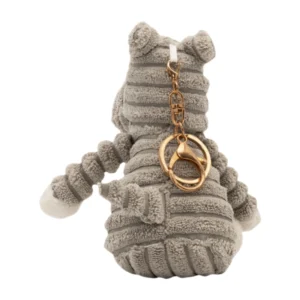
Step One: Check the Plush Keychain Care Label (If Available)
Some branded plush keychains have care labels that are miniature. If present, always follow the recommendations, which are typically derived from the ISO 3758 standard for fabric care.
Common abbreviations may be used to represent:
- Only hand wash
- Cool water beneficial
- Do not chlorine
- Don’t over-dry
If the label is absent, follow the conservative methods of cleaning.
How Dirty Is “Dirty”? Assessing the Level of Contamination
Before selecting a method of cleaning, consider how much dirt the plush keychain is actually covered in.
- Light Dust
Dust on the surface
mild scent
No discernible markings
- Moderate Dust
Darkened sections of fabric
Oil accumulation in the hand
Light colored food stain
- Heavy Dust
Adherent residue
potent odor
Obvious stains or discoloration
This evaluation determines if spot cleaning, hand washing, or machine washing is appropriate.
Hand Washing Plush Keychains: The Safest Method?
For the majority of plush keychains, it’s safest and most recommended to hand-wash them.
Hand washing in succession
- Fill a bowl with warm water that is below 30 degrees Celsius/86 degrees Fahrenheit.
- Add a small amount of mild detergent (baby detergent or pH-neutralizing soap)
- Submerge the plush part only; avoid soaking up metal parts for a long period of time.
- Gentle stroking and releasing—do not twist or scrape with force.
- Concerned with the Dirty areas using the fingertips or a soft cloth.
- Rinse the entire thing with fresh water.
This approach minimizes the damage to fibers while still preserving their shape.
How to Wash Plush Keychains with Metal Rings?
Metallic bands and chains are more susceptible to damage from rust and fabric; extra care is required to prevent this.
Recommended procedure: Hand-clean only
Remove the detachable parts of the metal if possible.
Insert the keychain into a mesh bag for washing or a pillowcase.
Use cold or warm water with a mild cleanser.
Gently press and rinse– do not twist or wring.
Excess water that falls on you can be absorbed with a clean towel.
Avoid:
Mechanical cleaning
Cleaning agents or fabric softeners
Soaking for extended periods of time
Can You Machine-Wash Plush Keychains?
Only a specific type of machine can be used to wash clothing.
- When Washing Machines are Appropriate
No parts that are glued together
No intricate needlework
Stitching that is strong
Super comfortable polyester fabric
- The guidelines for machine washing are outlined below
Insert extra-wide keychains into a mesh bag for washing.
Employ cool water and a mild regimen
Select a low rotation frequency
Use a mild deterrent only.
Never combine plush keychains with heavy items like towels or jeans.
Washing Methods Comparison Table
| Method | Safety Level | Am besten für | Risk Level |
| Spot cleaning | Very high | Light dirt | Minimal |
| Hand washing | Hoch | Most plush keychains | Niedrig |
| Machine washing | Mittel | Durable designs | Moderate |
| Soaking | Niedrig | Heavy stains | Hoch |
| Dry cleaning | Not recommended | Plush materials | Hoch |
Spot Cleaning Plush Keychains for Minor Stains
Spot cleaning is ideal for small stains or surface dirt.
How to Spot Clean Correctly
Dip a cloth in diluted detergent
Gently blot the stained area
Avoid spreading moisture
Rinse with a damp cloth
Pat dry with a towel
This method preserves internal filling integrity.
Removing Odors from Plush Keychains
Odors often come from moisture or prolonged use.
Safe odor removal options:
Air out the keychain in a well-ventilated area
Lightly mist with a fabric-safe deodorizing spray
Sprinkle baking soda on the surface, leave for 30 minutes, then brush off
Avoid:
Strong chemical sprays
Alcohol-based cleaners
Perfumes are applied directly to fabric
Drying Plush Keychains: A Critical Step
Improper drying causes most long-term damage.
Best practices:
Gently squeeze water out using a towel
Reshape while damp
Air dry flat or hang in a shaded, ventilated area
Ensure the inside is completely dry before use
Never:
Tumble dr
Use a heater or hair dryer
Dry in direct sunlight
Why Heat Is Dangerous for Plush Keychains?
Heat is one of the most detrimental to plush substances.
Heat can lead to:
The melting or hardening of synthetic fibers
Decomposition and distortion of the shape
Damage to the adhesive and needlework
Deterioration of plastic or metal parts
Even moderate temperatures can have a permanent effect on the texture and appearance.
Restoring Softness After Washing
If a plush keychain feels stiff after washing, softness can often be restored.
Softness recovery tips:
Gently fluff the fabric by hand once dry
Use a soft-bristle brush to lift fibers
Lightly massage the plush to redistribute filling
Avoid fabric softeners—they leave residue and attract dirt.
Hygiene Considerations: How Often Should You Wash Plush Keychains?
Based on textile hygiene research:
Daily-use plush keychains: every 2–4 weeks
Occasional-use keychains: every 2–3 months
After illness or travel: immediate cleaning
Regular maintenance prevents deep contamination.
Plush Keychains in Retail & Brand Quality Control
From an industry perspective, proper cleaning guidance:
Reduces customer complaints
Extends product lifespan
Enhances perceived product quality
Many premium brands now include care instructions specifically for plush keychains.
Sustainability and Fabric Longevity
Gentle washing:
Reduces microfiber shedding
Extends product usability
Minimizes waste
This aligns with modern sustainability standards in consumer textiles.
Common Mistakes to Avoid
Using bleach
Twisting or wringing
High-speed spin cycles
Hair dryers or heaters
Washing with heavy garments
These mistakes account for most plush damage cases.
FAQ: Plush Keychains Care
- Can extra-wide keychains be submerged in water?
Only after being placed in a mesh bag and subjected to a gentle cycle of cold water.
- How do you maintain the plush design of keychains without taking them off?
Spot cleaning and dry baking soda treatment are efficient for light dust.
- Will scrubbing plush keychains lead to damage?
Incorrect washing methods can lead to harm; gentle methods minimize the risk.
- Can plush keychains promote the growth of bacteria?
Yes, constant cleaning is crucial to maintaining regularity.
- How long does it take for plush keychains to dry?
Typically, 12–24 hours with sufficient air movement.
- Is it legitimate to utilize spray disinfectants?
Many disinfectants are discouraged because of the fiber’s damage.
Conclusion: Clean Plush Keychains Last Longer
Knowing how to clean plush keychains properly not only preserves the item’s appearance but also ensures its hygiene and integrity. By selecting the appropriate cleaning method based on the dirt level and design, users can maintain the plushness of their keychains while also making them safe and attractive over time.