 German
  English
  French
  Russian
  Korean
  Spanish
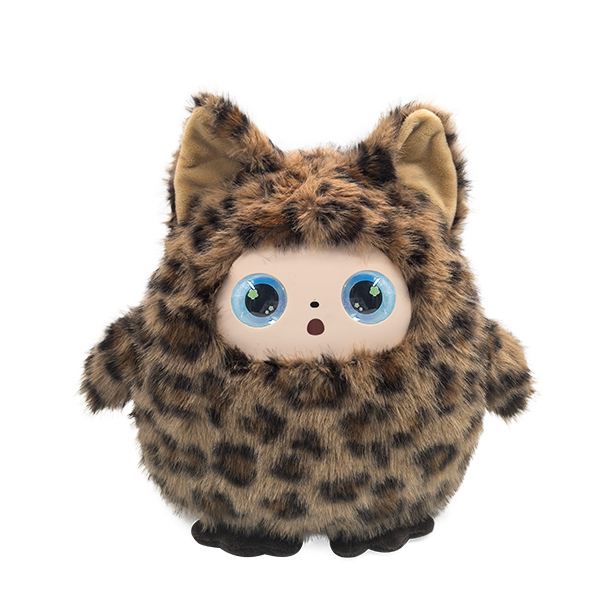
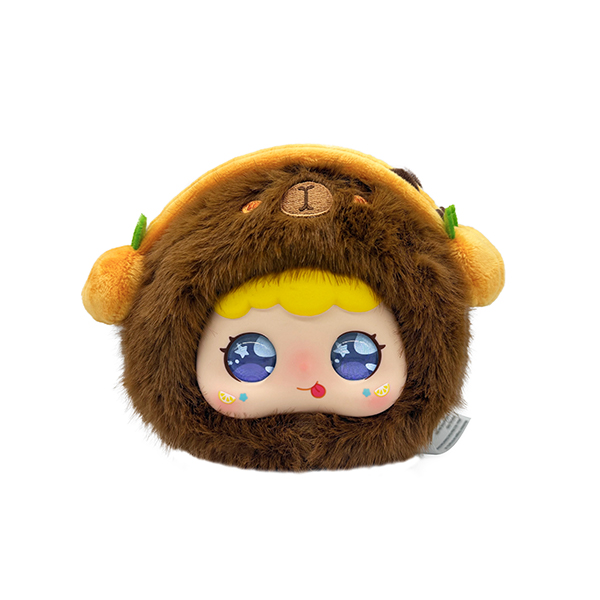
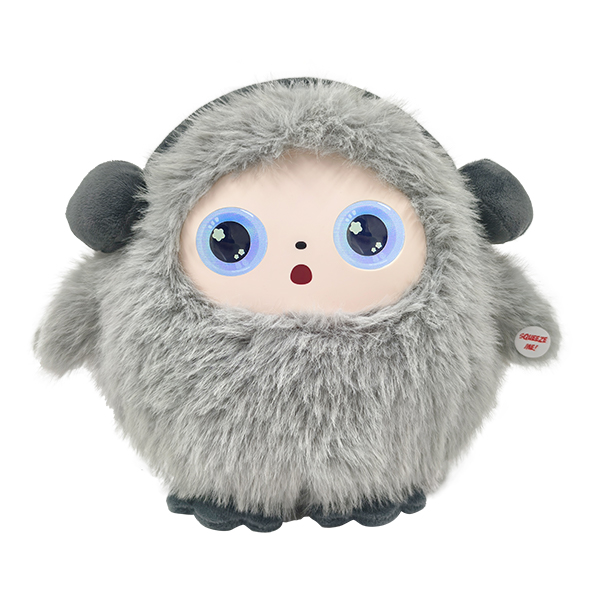
Weighted plush toys have moved from therapy clinics to bedroom shelves, and they are quietly changing what a stuffed animal can do for an adult. Where traditional plush offers comfort through softness and nostalgia, weighted plush toys add a second mechanism: gentle, evenly distributed pressure that activates the body’s own calming response. The result is a portable, huggable tool that helps with anxiety, sleep, focus, and emotional regulation — and unlike most wellness gadgets, it never needs charging, never breaks, and never goes out of style. This guide breaks down what weighted plush toys are, how the science works, who they help, and how to pick one that will actually do the job. Explore our ausgestopfte Tiere collection to see how a well-made plush can be the base for a comfort routine that lasts decades.
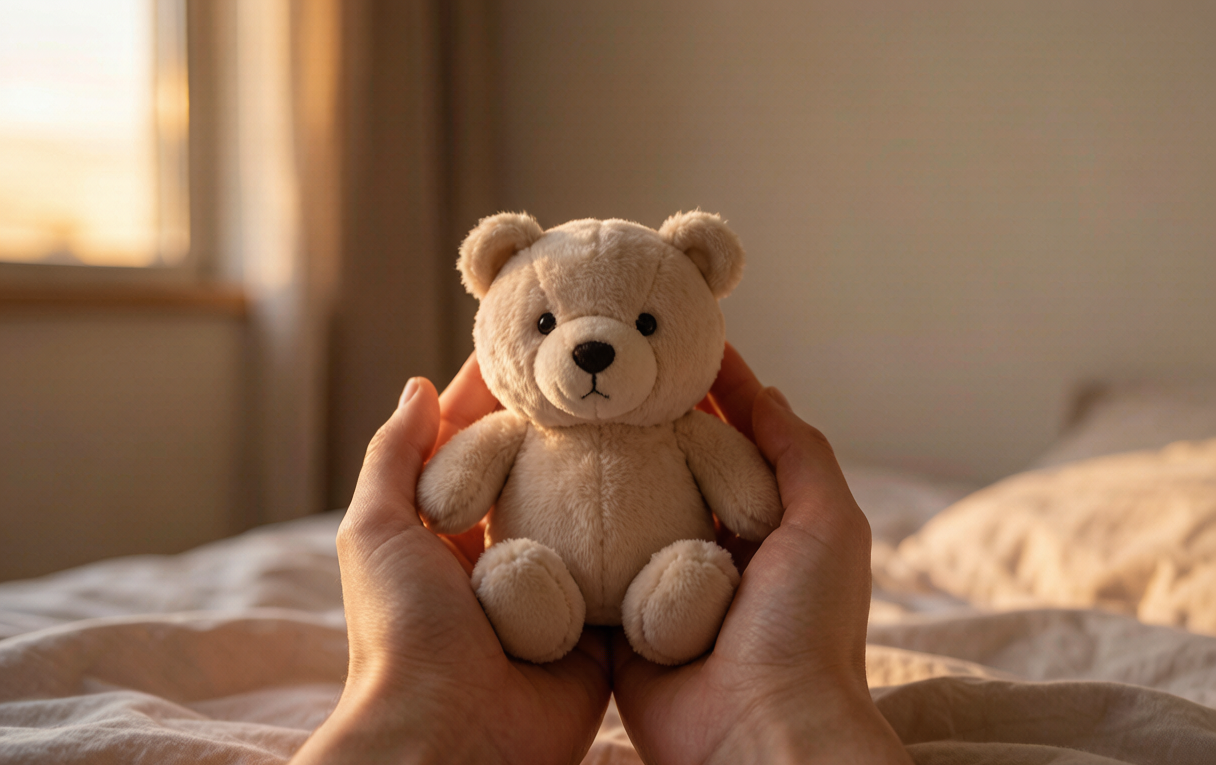
What Are Weighted Plush Toys?
Weighted plush toys are stuffed animals filled with small glass beads, steel pellets, or natural grain in addition to the standard polyester fiberfill. The added weight — typically 1 to 5 pounds for adults, lighter for children — is distributed evenly across the body, arms, and legs so the toy feels substantial without being lumpy. A weighted plush looks almost identical to a regular plush from the outside; the difference is entirely in what is inside.
The design follows the same principle as weighted blankets, which have been studied for years as a non-pharmaceutical aid for anxiety and insomnia. A weighted plush simply packages that pressure into a huggable, portable form. Some weighted plush toys are also microwave-safe, doubling as a heatable comfort object for cold nights or sore muscles. A growing number add aromatherapy pockets for lavender or chamomile, which turns the plush into a multi-sensory relaxation tool rather than just a heavy stuffed animal. For shoppers who search using either “weighted plush” or the more general “weighted stuffed animals”, the product category is identical — only the search term differs.
What makes weighted plush toys genuinely different from ordinary plush is that the weight itself is therapeutic. The softness is comfort; the pressure is the active ingredient.
The Science: How Weighted Plush Toys Calm the Body
The calming effect of weighted plush toys comes from a mechanism called deep pressure stimulation (DPS), sometimes called deep touch pressure. It is the same principle behind a firm hug, a swaddled baby, or a massage.
When a weighted plush rests on your chest, lap, or across your body, the gentle, even pressure signals safety to your nervous system. That signal flips you from sympathetic mode (fight-or-flight, the state anxiety lives in) to parasympathetic mode (rest-and-digest, the state where sleep and calm actually happen). Three measurable changes follow.
| Body response | What happens | Why it matters |
|---|---|---|
| Cortisol drops | The primary stress hormone decreases | Lower stress, easier to fall asleep |
| Serotonin and melatonin rise | Mood and sleep hormones increase | Better mood, faster sleep onset |
| Heart rate slows | The cardiovascular system settles | Reduced physical anxiety symptoms |
The same mechanism explains why a hug from someone you trust feels instantly calming, and why babies sleep better when swaddled. Weighted plush toys extend that effect into a tool you can use on your own, on demand, in any position.
It is worth noting what weighted plush toys are not. They are not a treatment for clinical anxiety, PTSD, or chronic insomnia, and a mental health professional should manage those conditions. They are, however, a remarkably effective non-pharmaceutical aid for everyday stress, mild sleep difficulties, focus, and emotional regulation. The science is real, the effect is well-documented, and the experience is straightforward.
Who Benefits from Weighted Plush Toys
The list is broader than most people expect. Weighted plush toys for anxiety and sleep are not just for one demographic — they help across a wide range of users.
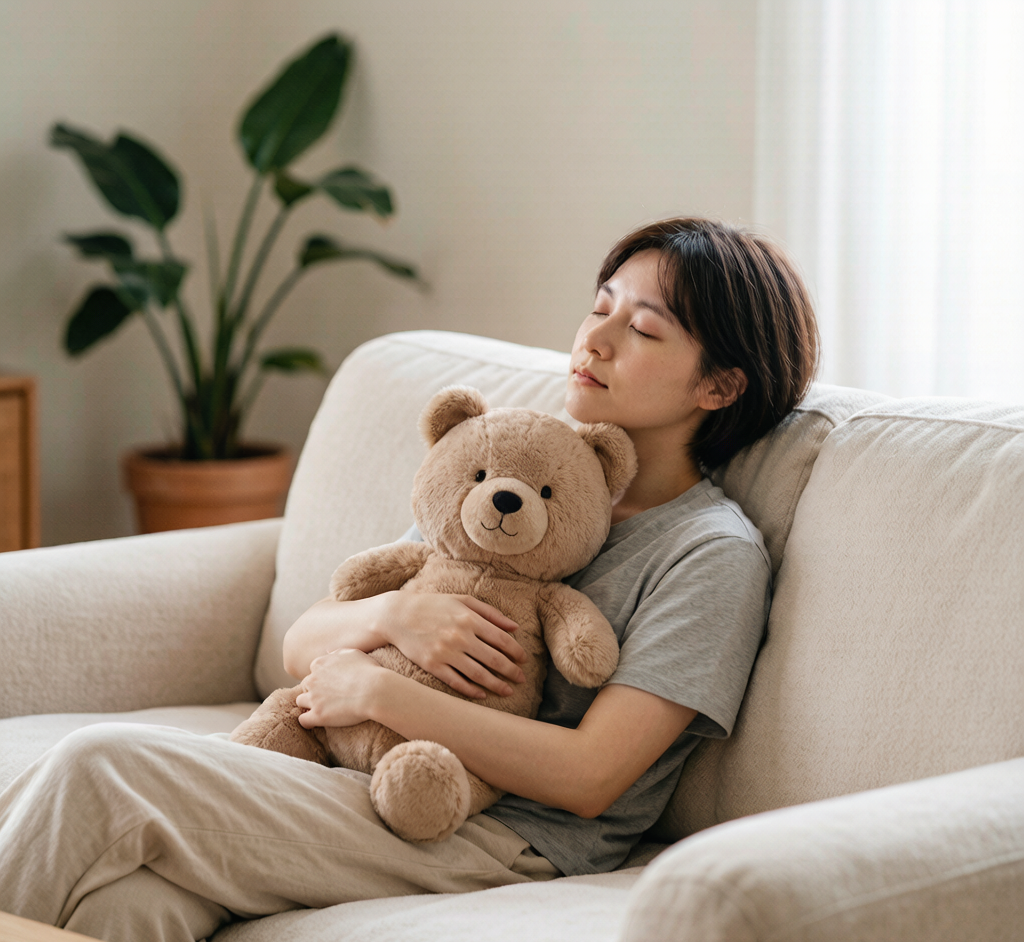
- Adults with everyday anxiety. Work stress, social anxiety, financial worry, or just a hard day. The pressure response is fast — most people feel a shift within a minute of holding one. An anxiety plush toy is one of the simplest ways to bring that response into daily life without medication, therapy appointments, or expensive gadgets.
- Adults with sleep difficulties. Holding a weighted plush at bedtime can quiet the racing thoughts that keep people awake, and the tactile grounding anchors the body in the present moment.
- Teens and tweens. School stress, social pressure, and identity questions all peak during adolescence. Weighted plush toys give teens a private, non-stigmatizing comfort tool.
- Children with sensory processing needs. Many occupational therapists recommend weighted plush toys for children with autism, ADHD, or sensory processing differences, where the deep pressure input is regulating.
- Adults with ADHD or focus challenges. Holding a weighted plush on the lap during focused work can reduce fidgeting and improve concentration, similar to the effect of a weighted lap pad.
- Older adults. Loneliness, grief, and anxiety are common in later life. A weighted plush offers tactile comfort without the social demands of human contact, and it works overnight on a bedside.
- Anyone going through a hard season. A breakup, a move, a job loss, a health scare — weighted plush toys provide a portable anchor during transitions when the body needs extra cues of safety.
The common thread is the nervous system. Anyone whose stress response runs hot can benefit from a tool that flips the switch reliably and on demand.
Choosing the Right Weight and Size
Weight is the most important decision when buying weighted plush toys. Too light and the pressure is symbolic; too heavy and it becomes uncomfortable. The table below maps the right range to common users.
| User | Recommended weight | Typical plush size |
|---|---|---|
| Toddler (2–4) | 1–2 lbs | 20–30 cm |
| Child (5–10) | 2–3 lbs | 25–40 cm |
| Teen (11–17) | 3–4 lbs | 30–50 cm |
| Adult (light frame or first-time user) | 3–5 lbs | 40–60 cm |
| Adult (familiar with weighted products) | 5–7 lbs | 50–70 cm |
| Adult (deep-pressure preference) | 7–10 lbs | 60–80 cm |
The rule of thumb is roughly 10% of body weight for the deepest therapeutic effect, but most adults find 3–5 pounds to be the sweet spot for a plush. Start lighter, see how the body responds, and work up if you want more pressure.
Size matters too. A larger plush distributes weight over a wider area, which feels gentler; a smaller plush concentrates weight in one place, which feels more intense. For sleep, a larger plush that you can drape across your chest or hold against your side is usually easier than a heavy compact one. For desk or travel use, a smaller plush (around 30 cm) that sits comfortably on the lap is more practical.
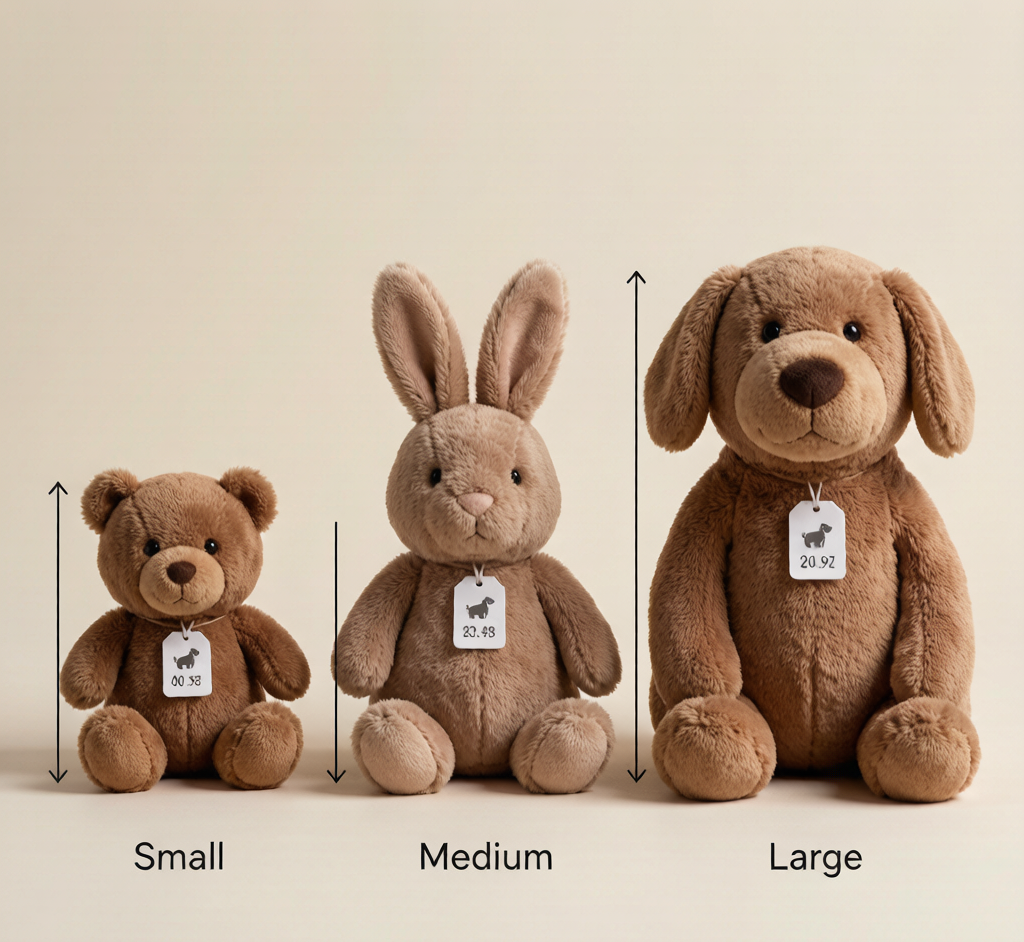
The filling type also changes the feel. Glass beads are the most common modern choice because they are quiet, evenly distributed, and hypoallergenic. Steel pellets are denser and feel more compact. Natural grain (in microwaveable plush) is heavier but can develop a faint scent over time. Polypropylene pellets are the budget option and tend to be the least comfortable.
Best Plush Types for Sleep and Anxiety
Not every plush format works equally well as a weighted comfort toy. Some shapes and constructions are better suited to specific uses.
- Plush pillows. Larger, softer, and easier to drape. A weighted plush pillow works as both a sleep companion and a decorative cushion, which makes it the most versatile format. Browse our Plüsch-Kissen line for plush pillow formats that pair with a weighted insert.
- Classic stuffed animals. Bears, bunnies, sloths, and dogs are the most familiar shapes. A weighted stuffed animal in a familiar animal form is the easiest sell for a child and a low-stigma choice for an adult who does not want anything that looks medical. The animal silhouette is also what makes a weighted stuffed animal the easiest gifting option, since the form is universally readable.
- Weighted character plush. Tie-in with favorite characters (Pokémon, Sanrio, Disney) is a fast-growing category. Character familiarity plus weight gives both comfort and emotional connection.
- Microwaveable plush. Filled with natural grain and sometimes infused with lavender. Microwaved for 60 seconds, they deliver warmth plus weight — a powerful combination for cold nights, period cramps, or muscle tension.
- Heated and weighted hybrid. A small but growing category that combines weight, warmth, and optional aromatherapy. These are the most therapeutic but also the most expensive.
For sleep, a plush pillow or a larger stuffed animal works best because you can hold or drape it without it slipping off the bed. For desk use, a smaller 30 cm character plush is the most practical. For travel, a compact 3–4 lb plush fits in a carry-on without taking much space.
Building a Bedtime Routine With a Weighted Plush
Weighted plush toys for sleep work best when they are part of a consistent routine, not a one-off fix. The nervous system learns from repetition, so pairing the plush with the same calming activities each night compounds the effect.
A simple routine that takes 15 minutes and works for most adults looks like this.
- Dim the lights and put screens away 30 minutes before bed.
- Hold the weighted plush against your chest or lap while doing a wind-down activity — reading, journaling, gentle stretching, or slow breathing.
- Bring the plush to bed and hold it against your chest or place it across your torso as you fall asleep.
- Keep it on the bedside within reach for middle-of-the-night waking, when anxiety often spikes.
The goal is to build a conditioned response: plush in hands equals body in rest mode. After two or three weeks of consistent use, simply picking up the plush begins to trigger the calming shift, which is the real magic of weighted plush toys for sleep.
For children, the same routine works with a parent present. Holding the plush together, breathing slowly, and reading a story is a gentle way to introduce the concept without making the child feel like they have a problem to fix.
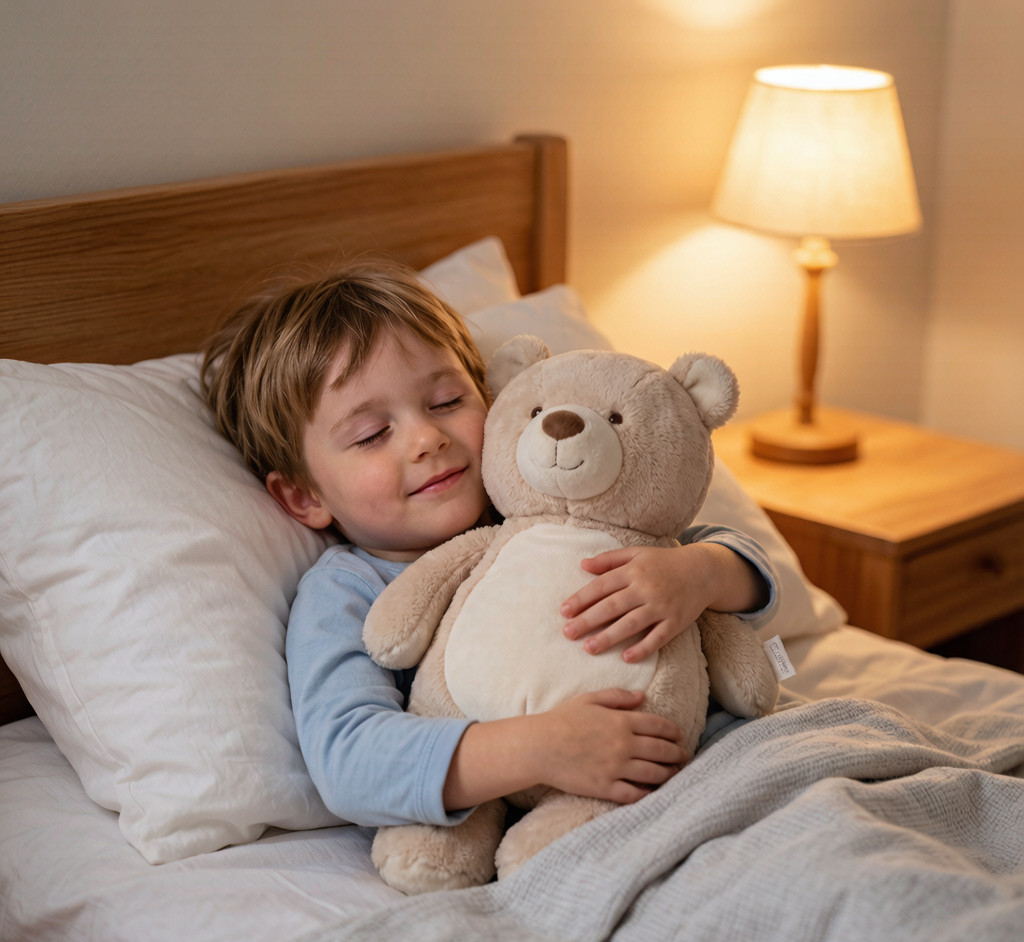
Safety, Care, and What to Avoid
Weighted plush toys are safe for most users, but a few rules protect against the few scenarios where they cause harm.
- Age. Most manufacturers recommend weighted plush for ages 2 and up. For toddlers under 2, any weighted product is a suffocation risk and should be avoided.
- Weight limits. A child should never be given a plush heavier than 10% of their body weight, and adults with mobility or respiratory conditions should consult a doctor before using heavy weighted plush.
- Heat safety. Only microwaveable plush designed for heat should go in the microwave. Standard weighted plush can scorch, melt, or ignite. Heat for exactly the time the manufacturer recommends, no longer.
- Cleaning. Most weighted plush have removable covers for machine washing. Never submerge the inner weighted pouch unless the label specifically allows it — moisture can cause beads to clump or rust.
- Allergies. Glass beads and steel pellets are hypoallergenic. Natural grain and lavender can trigger reactions in sensitive users; fragrance-free options are available for those with allergies or migraines.
When buying weighted plush toys for anxiety, look for the same safety standards you would expect from any plush: ASTM F963 (US), EN71 (EU), or AS/NZS 8124 (Australia/NZ). StuffPlush builds plush to ASTM, CPSIA, EN71, and CE standards using non-toxic, hypoallergenic materials, so the comfort comes with the same safety pedigree as a regular plush. Explore our ausgestopfte Tiere und Plüsch-Kissen collections to find a base plush that can be paired with a weighted insert.
Weighted Plush for Kids, Adults, and Seniors
The use case shifts with the user, but the underlying mechanism is the same. Here is how weighted plush toys adapt across the lifespan.
For kids. A weighted plush often becomes a sleep companion that travels between homes, schools, and grandparents’ houses. Pick a weight around 10% of body weight, a familiar animal shape, and a machine-washable cover. For a child with sensory needs, an occupational therapist can recommend the right weight and use pattern.
For adults. The most common adult use is sleep and stress. A 4–5 lb plush held against the chest at bedtime is a low-effort, high-impact addition to any wind-down routine. Office workers also use smaller weighted plush on the lap during focused work, where the deep pressure reduces fidgeting and improves concentration.
For seniors. A weighted plush offers comfort during periods of loneliness, grief, or anxiety that often come with aging. The plush becomes a bedside companion that is always there, never demands conversation, and is easy to hold even with limited grip strength. A heavier 5–7 lb plush is usually preferred for the deeper pressure response.
Across all three groups, weighted plush toys work because they are simple, safe, and repeatable. There is no learning curve, no app to update, and no prescription required.
Plush Toys for Anxiety, Sleep, and Gift-Giving
A weighted plush also makes a thoughtful gift for someone going through a hard season. Unlike flowers that wilt or food that gets eaten, a weighted plush is a comfort object the recipient uses for years. The trick is to match the gift to the person.
- For a stressed friend. A 3–5 lb plush in a calming color (soft gray, dusty blue, muted green) is the safest bet.
- For a partner with sleep issues. A microwaveable plush with lavender adds warmth to the weight.
- For a teen. A character plush in their favorite franchise works, especially one with a subtle weight.
- For an elderly relative. A larger plush pillow is easier to hold and doubles as a decorative cushion.
- For a child with sensory needs. Ask the parents and their occupational therapist for the right weight and animal preference.
Weighted plush toys are also a quietly powerful addition to a self-care toolkit. Pair a weighted plush with a sleep mask, a journal, or a calming tea, and the gift becomes a complete wind-down kit. For the cost of a single spa visit, the recipient gets a comfort tool they can use every night for years.
Häufig gestellte Fragen
Do weighted plush toys really help with anxiety? Yes. The weight activates deep pressure stimulation, which lowers cortisol and raises serotonin and melatonin. Most people feel a calming shift within a minute of holding one, and the effect compounds with regular use.
What weight plush should an adult use? Most adults start with 3–5 pounds and adjust from there. The general rule is around 10% of body weight for deeper therapeutic effect, but 3–5 lbs is the comfortable range for first-time users.
Can weighted plush toys help with sleep? Yes. Holding a weighted plush at bedtime helps quiet racing thoughts, slows the heart rate, and conditions the body to associate the plush with rest. Many people fall asleep faster and wake less often after a few weeks of consistent use.
Are weighted plush toys safe for kids? Most manufacturers recommend them for ages 2 and up. The weight should not exceed 10% of the child’s body weight, and the toy should be free of small detachable parts. Children with respiratory or mobility conditions should consult a doctor first.
Can you put weighted plush in the washing machine? Only the removable outer cover. The inner weighted pouch should be spot-cleaned or wiped down, not submerged, because water can cause beads to clump or metal fillings to rust. Always check the care label.
What is the difference between a weighted plush and a regular plush? A regular plush is filled only with soft fiberfill and offers comfort through softness. A weighted plush adds small beads, pellets, or grain to create gentle pressure across the body. The pressure is the therapeutic part; the softness is the comfort.
Schlussfolgerung
Weighted plush toys for anxiety and sleep are a quiet, evidence-backed way to bring more calm into daily life. By pairing the right weight with the right size, integrating the plush into a consistent bedtime routine, and choosing safety-tested construction, you get a tool that works every night without effort. The science of deep pressure is real, the experience is gentle, and the toy itself is something you would want to keep on the bed even if it had no therapeutic value at all — which is the highest compliment a comfort object can earn. Start with our ausgestopfte Tiere collection for classic plush forms, then explore Plüsch-Kissen und Plüsch-Schlüsselanhänger to find the comfort format that fits your life.