 German
  English
  French
  Russian
  Korean
  Spanish
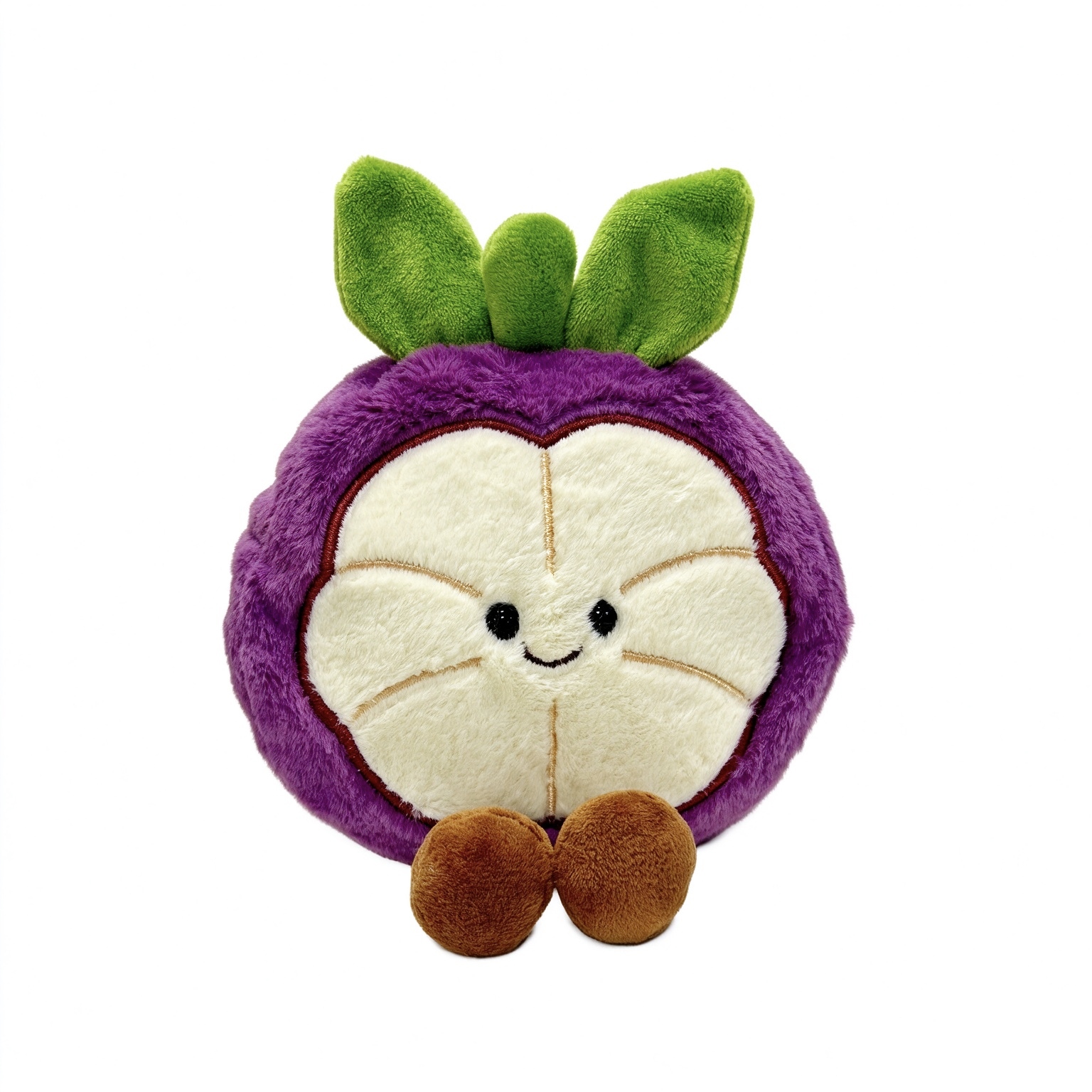
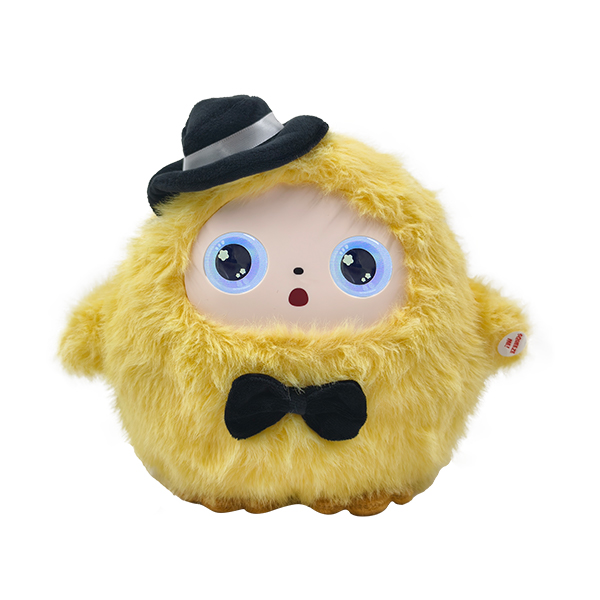
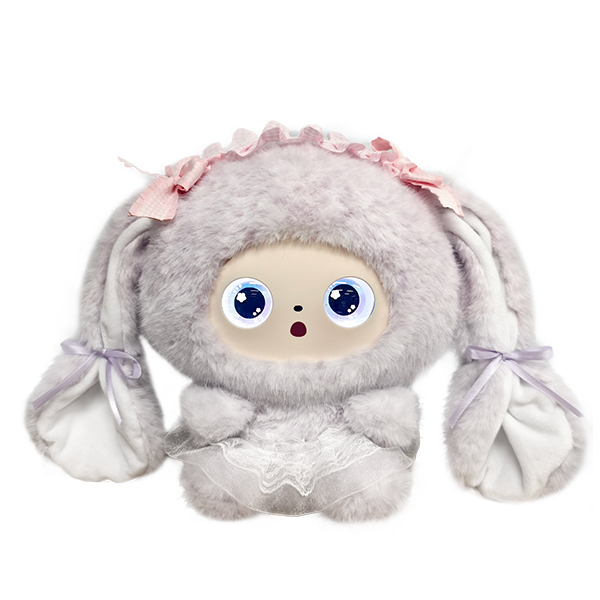
Ein datengetriebener Wandel in der Straßenmode definiert aktiv das Accessoire-Design neu. Spitzenmodenhäuser und Streetwear-Marken integrieren nun plüschige Elemente von 10 cm bis 15 cm direkt in Bekleidung. Sie befestigen sie an Schuhen und hochwertigen Lederwaren. Marken, die diesen Trend nutzen möchten, stehen vor erheblichen strukturellen Hürden. Zwischen der Standardproduktion von Spielzeug und der Herstellung von Accessoires in Luxusqualität besteht ein gewaltiger Unterschied. Generische Produktionsanlagen schaffen oft nicht die erforderliche strukturelle Integrität. Die Materiallanglebigkeit leidet unter starker Umwelteinwirkung. Darüber hinaus birgt die Zusammenarbeit mit ungeprüften Fabriken erhebliche Risiken einer Verwässerung des Marken-IP. Dieser Artikel dient als objektiver Entscheidungsrahmen. Wir werden erläutern, wie man einen geeigneten Fertigungspartner auswählt. Sie lernen, die Gesamtbetriebskosten für die Integration von Accessoires zu berechnen. Außerdem werden wir genaue Qualitätsvorgaben für plüschige Artikel in Modestandard festlegen.
Wichtigste Erkenntnisse
- Category Redefinition: The evolution from juvenile products to “luxury plush accessories” necessitates completely distinct material tolerances and hardware integration specifications.
- Margin & ROI Potential: Leveraging stuffed animal bag charms as primary up-sell items typically yields high product margins (60-80%), provided structural defects and IP compliance are managed proactively.
- Supplier Matrix Shift: Vetting a Mini Plush Toys Supplier requires shifting evaluation criteria from simple high-volume throughput to exact embroidery tolerances, proprietary material access, advanced hybrid (vinyl + textile) capabilities, and verifiable ethical labor certifications.
- Regulatory Compliance: Streetwear integrated with plush often blurs the line between “apparel” and “toy” regulators, making EN71, ASTM F963, and REACH compliance a baseline requirement.
Analyzing the Demand Shift: The New Benchmark for Success
Creating Mini Plush Toys requires far more than scaling down existing patterns. The design must separate an aftermarket afterthought from a coherent fashion accessory. Brands must evaluate these pieces through strictly defined success criteria. You cannot rely on traditional toy engineering standards.
The Problem Framing and Success Criteria
Dimensional proportionality dictates consumer acceptance entirely. The industry standard currently sits at a 10cm to 15cm scale. This specific size remains visible on outerwear without overwhelming the host garment’s silhouette. Weight distribution operates as an equally critical metric. Improperly balanced units cause immediate garment sagging. They distort the fabric on lightweight jackets or knitwear. Color-fastness ratings must also exceed standard toy requirements. These items face direct UV exposure, rain, and heavy environmental friction daily.
Case Studies in Streetwear Adaptation
Die Labubu fashion icon phenomenon serves as the baseline blueprint for hybrid success. This trend merges rotocast vinyl faces with soft plush bodies. It dominates streetwear subcultures by offering a premium tactile experience alongside rigid, detailed artistry. The consumer psychology driving Mini plush toys fashion relies heavily on nostalgia metrics. Buyers overlap childhood comfort with adult, hyper-personalized accessory stacking. They curate their luxury bags and technical jackets with multiple units to signal individual identity.
Aligning Output to Market Category
Your manufacturing approach must precisely match your target market tier. High-end buyers reject poorly constructed textiles immediately. You must engineer the item for its specific use case.
- Define the High-Fashion Integration Tier. This category demands luxury fabric specifications. Manufacturers must source authentic mohair or custom-milled long pile textiles. These pieces often feature hand-stitched detailing and precious metal plating.
- Define the Streetwear Tier. This tier focuses entirely on rugged durability. Designs rely on heavy corduroy or waxed canvas integrations. The focus shifts to weather resistance and high-friction survival.
- Define the Everyday Carry Tier. This category prioritizes functional hardware. Consumers use these items as keychains or zipper pulls. The structural integrity of the mounting loop takes absolute priority over exotic fabrics.
Product Architecture and Evaluation Dimensions
Evaluating Plush toys as fashion accessories requires a rigorous breakdown of their physical architecture. Every single material choice impacts the final product’s market viability.
Fabric and Material Tolerance Lenses
Standard Velboa features a short pile and serves well for basic, high-volume items. However, Luxury plush accessories require high-density Minky or recycled RPET materials. High-density Minky provides a superior tactile experience. RPET satisfies the strict sustainability metrics required by modern consumers.
| Stoff Typ | Stapellänge | Durability Rating | Best Application |
|---|---|---|---|
| Standard Velboa | 1mm – 3mm | Mittel | Promotional items, low-tier accessories |
| High-Density Minky | 3mm – 5mm | Hoch | Premium bag charms, intricate patterns |
| Recycled RPET | Varies | Mittel-Hoch | Eco-conscious streetwear brands |
| Genuine Mohair | 10mm – 20mm | Low (requires care) | High-fashion runway pieces only |
Cutting precision dictates anatomical symmetry. For patterns under three inches, traditional die-cutting often crushes delicate fabric edges. You must evaluate a supplier based strictly on their laser-cutting capabilities. Laser cutting seals the fabric edge. This prevents fraying on micro-patterns and ensures exact proportion matching across production runs.
Hardware and Integration Structural Data
You must assess Stuffed animal bag charms based directly on their attachment hardware. Weak hardware instantly devalues the entire product.
| Attachment Type | Tensile Strength Limit | Corrosion Resistance | Aesthetic Match |
|---|---|---|---|
| Standard String Loop | 2 kg (Prone to snapping) | N/A (Fabric/Nylon) | Cheap, juvenile market |
| Zinc Alloy Lobster Clasp | 15 kg (Requires testing) | High (Electroplated) | Premium streetwear |
| Heavy-Duty Karabiner | 50+ kg | High (Powder-coated) | Tech-wear, outdoor fashion |
| Custom D-Ring Base | 25 kg (Stitched in seam) | Mittel-Hoch | Luxury bag integration |
Avoid standard string loops entirely for fashion items. Instead, specify custom-branded alloy chain integrations. Mandate strict anti-corrosion electroplating requirements in your technical pack. This prevents hardware from rusting after unexpected rain exposure.
Detailing and Embellishment Rigor
Sub-centimeter facial embroidery requires extreme precision. You must explicitly specify thread count and needle density metrics. Low needle density results in pixelated, messy expressions. High needle density ensures sharp, clean lines that mimic illustration. When applying micro-apparel to the plush units, choose your printing method carefully. Silkscreen printing offers durability but severely limits color gradients. Thermal transfer allows for complex designs but peels if the factory uses low-grade adhesive.
Packaging and Presentation Integration
Retail packaging solidifies the product’s premium luxury status. Custom blind boxes, thermoformed blister packs, and branded dust bags shift the perceived value entirely. Your supplier must possess the necessary tooling and print-production capabilities in-house. If they outsource packaging, it introduces massive delays and quality control risks into your supply chain.
Sourcing Strategy: Vetting a Mini Plush Toys Manufacturer
Finding a reliable Mini Plush Toys Manufacturer requires unyielding vetting protocols. You need a partner whose engineering focuses on aesthetic art and long-lasting durability.
Defining the Baseline Vendor Competency
Evaluate the exact scale and scope of the manufacturing facility. Pure “cut and sew” facilities assemble basic flat shapes. They fail completely when tasked with complex fashion accessories. You need vertical integrators. These highly capable facilities handle tooling for plastic and vinyl components. They execute advanced pattern design internally. They also manage custom hardware extrusion directly on the factory floor.
- Audit the factory’s internal mold-making capabilities to ensure they handle hybrid designs.
- Verify the presence of specialized laser-cutting machines for micro-pattern precision.
- Demand documentation proving their access to premium textile mills.
- Inspect their internal assembly lines for proper rigid-to-soft integration techniques.
Experience and Adoption Risks
Intellectual property theft remains a critical, business-ending hazard. Factory “leakage” occurs when facilities sell your exact custom designs to fast-fashion clones. You must enforce a strict Non-Disclosure Agreement (NDA). You must also secure a Non-Disclosure, Non-Use, Non-Circumvention (NNN) agreement. Demand dedicated mold-lock workflows. This ensures the factory physically locks away your vinyl molds between active production runs.
Address hybrid manufacturing complexity immediately during vetting. Over 90% of conventional soft toy manufacturers lack internal rotational molding capabilities. If your design includes rigid vinyl faces, you must audit their third-party assembly chains. Verify exactly how they merge rigid plastic casting with complex mini cut-and-sew apparel within a single, unified QA process.
Compliance, Safety, and Ethical Authoritativeness
Even if you strictly market these items to adults aged 15 and older, they hold inherent play value. Chemical and mechanical testing provides a massive strategic advantage. Detail strict flammability tests in your overarching supplier agreement. Mandate mechanical hazard assessments. This includes rigorous pull tests for eyes and noses. Require chemical screenings for Azo dyes and phthalates.
Modern streetwear brands face exceptionally high reputational risk. Verifiable fair labor practices remain completely non-negotiable. Evaluate all potential vendors based on active BSCI, Sedex, or ISO9001 certifications. Enforce strict Quality Control frameworks. Implement AQL 2.5/4.0 standards for all pre-shipment inspections. This protocol mathematically ensures consistent stitching and hardware integrity across massive production runs.
Categorizing Solutions by Implementation Viability
Brands generally deploy miniature plush products through two distinct physical implementation pathways. Each pathway requires highly specific sourcing checks and engineering tolerances.
Category 1: Detachable Plush Bag Charms
This implementation represents the easiest Go-To-Market strategy. Plush bag charms offer versatile attachment points on bags, belt loops, and key rings. They do not require any direct host garment modification. When sourcing these, verify the manufacturer’s capability in establishing balanced center-of-gravity loops. If the factory places the mounting loop too far back, the charm hangs face-down. The structural balance must ensure the character always hangs perfectly upright.
Category 2: Direct Structural Integrations
This category delivers a massive aesthetic impact. Brands physically sew the plush units onto puffer jackets, sneaker heels, or heavy denim pockets. The implementation reality mandates extreme laundering durability. Shrinkage tolerance must align precisely with the host garment. If the plush component shrinks at a different rate than the denim pocket, it warps the entire garment after the customer’s first wash. You must strictly source pre-shrunk fabrics. You must also test color-bleeding thresholds rigorously before mass production.
Calculating Total Cost of Ownership (TCO) and ROI
Brands often underestimate the financial mechanics of manufacturing miniature accessories. You must calculate the total cost of ownership accurately to protect your profit margins. Cheap initial unit quotes often mask expensive downstream production failures.
Conceptual Trade-offs in Prototyping
Iterative sampling introduces significant upfront friction costs. Standard plush toys require one or two sample rounds. However, sub-10cm characters typically require three to five rounds. Proportions distort easily at micro-scales. Moving an embroidered eye by two millimeters completely changes the character’s expression. You must budget for these extended sampling iterations. Factories charge sampling fees that reflect the high labor hours required for micro-pattern adjustments.
Tooling vs. Soft Unit Costs
Your design choices dictate your tooling expenses directly. You must weigh the amortized costs of opening physical molds against standard textile production.
| Component Type | Tooling Cost Requirement | Lead Time Impact | Unit Cost Scaling |
|---|---|---|---|
| Pure Soft Plush | Zero (Pattern cutting only) | Fast (No mold casting) | Decreases rapidly at volume |
| Custom Alloy Hardware | Low (Copper/Steel dies) | Medium (Adds 7-10 days) | Cost efficient at 3,000+ units |
| Vinyl Rotocast Faces | High (Steel injection molds) | Slow (Adds 20-30 days) | Requires high MOQ for ROI |
| Custom 3D Plastic Eyes | Medium (Injection tooling) | Medium (Adds 15 days) | Very cheap per unit after tooling |
If you choose hybrid designs with vinyl faces, you face high upfront tooling costs. Opening steel or copper molds requires thousands of dollars before production even begins. Conversely, sticking exclusively to embroidered soft plush eliminates tooling costs entirely. This strategy allows for a much faster lead time and lower initial capital risk.
Scalability Economics and Lead Times
Map out exact minimum order quantity (MOQ) tiers across potential vendors. A specialized Mini Plush Toys Supplier might accept a trial run of 500 units for specialized luxury releases. However, standard B2B MOQs typically demand 3,000 units per design. This requirement stems from fabric dye-batch minimums set by the textile mills.
You must factor shipping constraints into your scaling economics. Plush toys present a unique logistical challenge. They are incredibly lightweight but consume massive volumetric space. Airfreight cubic capacity pricing punishes bulky shipments. You must demand vacuum-sealed packaging protocols from your factory. Vacuum sealing compresses the units, slashing volumetric weight calculations. However, you must test the fabric’s ability to recover its original shape after decompression.
Typical timelines require careful supply chain management. Expect 15 to 20 days for Pre-Production Sample iteration. Following sample approval, mass production requires 35 to 45 days. Delays in custom hardware sourcing can bottleneck the entire schedule. Always order custom zinc alloy clasps simultaneously with the fabric dye process.
Schlussfolgerung
- Draft an exact Tech Pack detailing specific hardware load-bearing parameters, fabric pile lengths in millimeters, and precise needle density requirements.
- Initiate a Pre-Production Sample request specifically with a vertically integrated facility to test their rigid-to-soft hybrid manufacturing capabilities.
- Require verifiable, documented proof of active BSCI or Sedex certifications before transmitting any proprietary digital design files.
- Establish a strict AQL 2.5/4.0 inspection framework within your final manufacturing contract to mathematically govern acceptable defect rates.
FAQ
Q: How do plush toys as fashion accessories differ in manufacturing from children’s toys?
A: Adult street fashion accessories demand significantly higher structural tolerances. They require custom D-ring attachments and superior metal alloys, prioritizing zinc alloy over cheap iron. They utilize precision micro-embroidery and bespoke fabrics like long-pile mohair. These premium materials and complex hardware integrations often fail strict 3+ age limit safety testing, explicitly classifying them as adult fashion hardware rather than juvenile playthings.
Q: What are the minimum order quantities (MOQs) expected from a specialized Mini Plush Toys Manufacturer?
A: Most vetted B2B producers mandate minimums between 1,000 to 3,000 units per design. This requirement stems directly from fabric dye-batch minimums and the heavy setup costs for factory assembly lines. However, initial prototyping and sampling protocols operate on singular, customized runs before any mass production actually begins.
Q: Why is the “Labubu fashion icon” trend requiring factories to change capabilities?
A: The trend demands advanced hybrid manufacturing. Factories must merge rigid, rotocast vinyl plastic casting for faces and extremities with highly complex mini cut-and-sew apparel. Executing both rigid and soft material engineering within the exact same assembly QA process requires specialized tooling capabilities that most traditional soft-toy factories simply do not possess.
Q: Are stuffed animal bag charms required to pass safety regulations like EN71?
A: While targeted at fashion-conscious adults, any plush item inherently holds aesthetic play value. This risks immediate classification as a toy during border-control customs checks. Proactively securing CPSIA, REACH, and EN71 certificates drastically reduces your supply-chain risk, prevents unexpected customs seizures, and ultimately protects your overarching brand liability.
Q: How do we specify hardware for luxury plush accessories when sending tech packs to suppliers?
A: Buyers must define exact metallurgical data. Specify the plating thickness, the alloy base metal, and maximum load-bearing pull test requirements. You must also detail swivel radii, such as demanding 360-degree spring clips, rather than relying on the factory’s default, cheap split-ring hardware that easily bends under tension.
Q: What is the typical lead time for producing custom mini plush toys fashion lines?
A: Brands should anticipate two to three weeks for initial prototyping and necessary physical revisions. Following final sample approval, mass manufacturing generally requires 30 to 45 days. This timeline does not include custom retail packaging production, raw hardware procurement delays, or the subsequent global freight transit times.