 German
  English
  French
  Russian
  Korean
  Spanish
Article Summary:
In 2026, ausgestopfte Tiere will still be a popular and evolving part of the global toy and plush market. They will combine the classic comfort of animals with the modern trends of weight, sustainability, and collectible characters.
The Stuffed & Plush Toys Market Report states that the global market will continue to be strong over the next several years, and it expects the total market to be approximately $12.97 billion by 2026 and will have increased by almost $40 billion by 2035. The report was released in April 2016.
This guide discusses the most popular types, brands, trends, and purchasing decisions that are shaping the landscape of stuffed animals in 2026. It helps both professionals and enthusiasts understand the factors that influence demand and consumer interaction.
Introduction: The Evolving World of Stuffed Animals
Stuffed animals are also commonly referred to as plush toys. They have evolved from their traditional role as simple toys that children can use to play with, to become cultural artifacts, collectors, and comfort objects for all ages. The plush category has continued to grow in 2026, combining classic designs with novel features like weighted comfort, environmentally friendly materials, interactive components, and fashion-inspired aesthetics.
Now, stuffed animals are being sought out by diverse groups of consumers: children, adults, collectors, and even people who seek mental harmony in difficult times. This guide discusses what is popular in the market and why these cuddly companions have maintained their popularity over time.
The Global Stuffed Animal Market Landscape
The filled animal and plush toy market is significant to the global toy industry. In 2026, the industry will maintain its current growth rate, with traditional stuffed animals accounting for a large portion of the market, while newer innovations will expand the category’s reach and popularity.
Market Growth Snapshot (2026)
| Metric | Estimate |
| Global Market Value (2026) | ~USD 12.97 billion |
| Projected Value (2035) | ~USD 25.94 billion |
| CAGR (2026–2035) | ~8 % |
| Leading Regions | APAC, North America, Europe |
Data sourced from global industry forecasts showing strong long-term market performance and expanding product diversity.
Top Trending Stuffed Animals in 2026
- Celebrated Classic: Teddy Bear and Plush Dogs
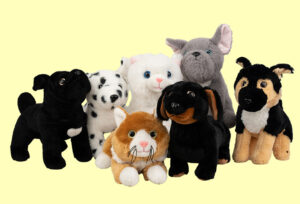
Classic animals still have a significant role in the purchasing process. Teddy bears are associated with comfort and nostalgia; they constitute a large portion of the plush market globally. Meanwhile, plush cats and dogs have continued to be part of the most popular animal-based design because they resemble real-life pets in their popularity.
Stuffed animals that are classic tend to cross generations: they link memories with current sentiment.
- Plush – Fashion-Proven Collectibles
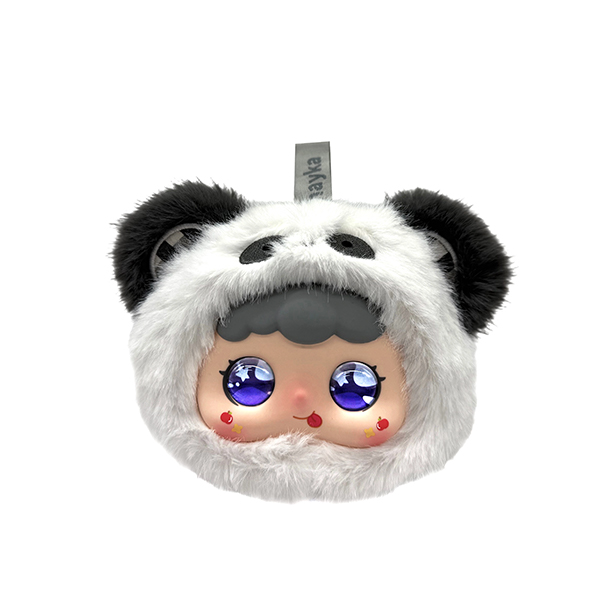
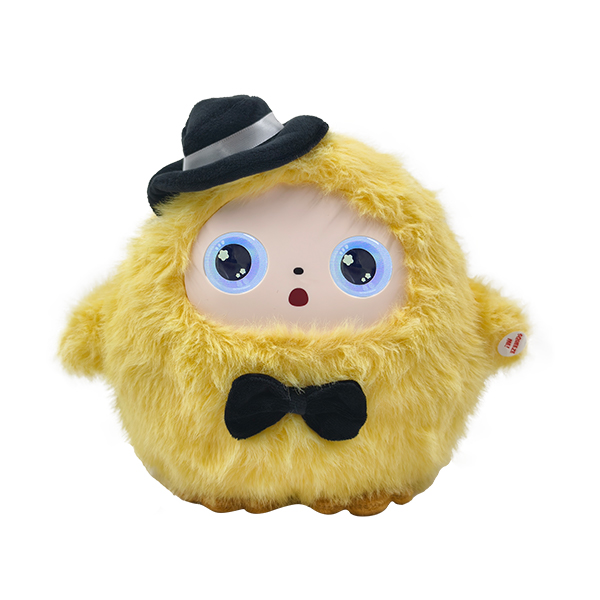
Plüschtiere have become a popular culture phenomenon, especially among young adults and teens, attributed to the social media’s viral nature and the collectible nature of the toys. Their singular design language mirrors the “juvenile” psychology of adults who seek recreational objects that also have aesthetic purposes for social media.
- Weighing the Stuffed Animals- A mixture of well-being and weight
Heavier plush animals have increased in popularity as a result of the link between mental comfort and well-being. These plushies offer a mild amount of pressure that is associated with decreased anxiety and improved sleep quality, especially among those dealing with stress.
This niche is projected to increase in popularity in 2026, as more health-oriented products become commonly used in the toy and comfort care industries.
- Fashionable & Temed Puffs
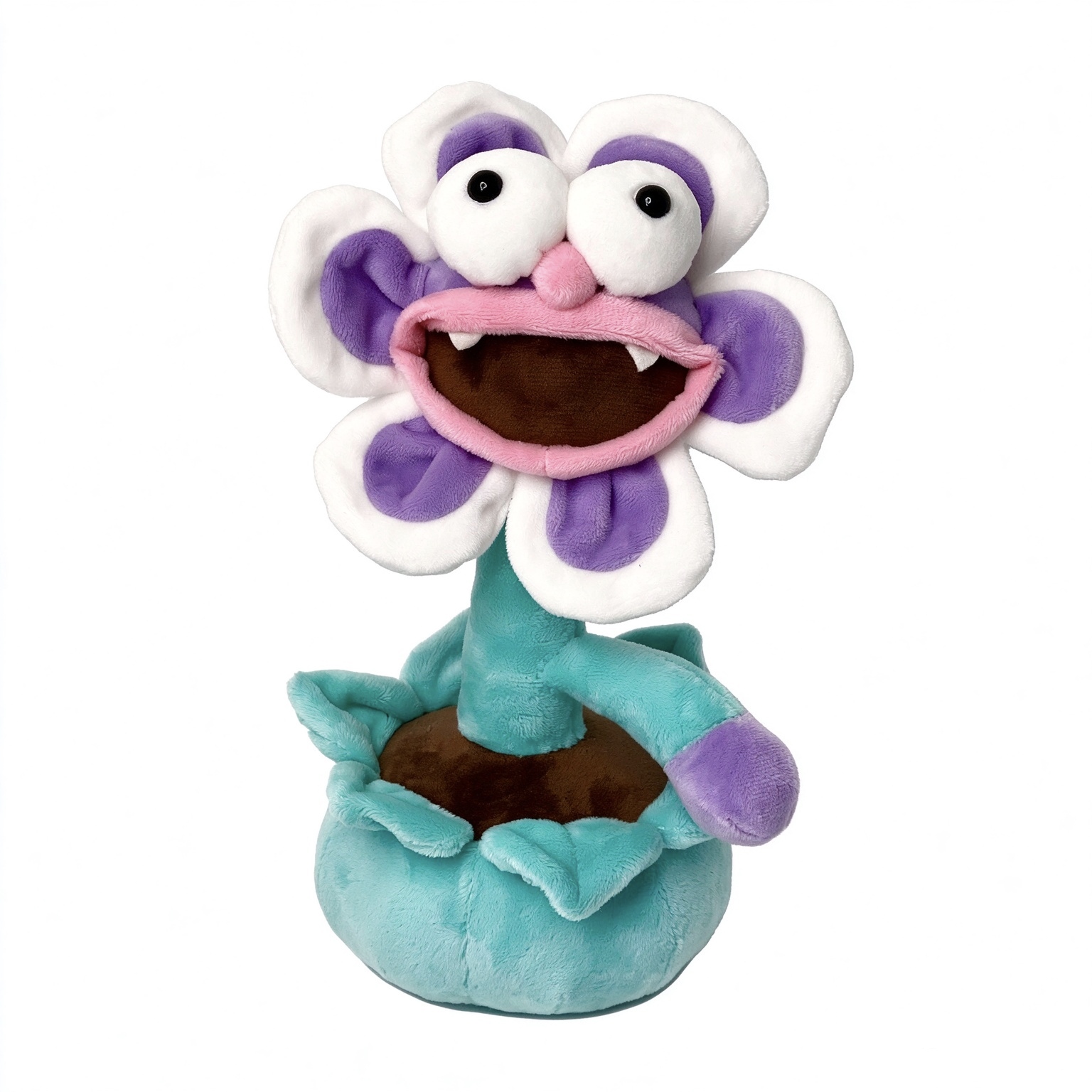
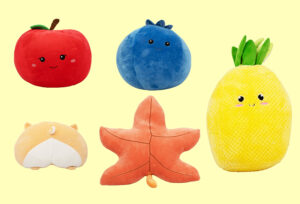
Novelty designs, such as food-shaped pillows, whimsical creatures, and unique pastels, are popular on social media like Instagram, where aesthetics and collectibility have a strong influence on consumers’ preferences.
Food-related plush toys and customizable characters have a particularly strong association with Gen Z and Millennial consumers who seek out playful, shareable content.
- International Icons: Exclusive Purchases
Today, international trends have a significant impact on the plush toy industry. For instance, originally derived from Asian culture with blind boxes, has become a noteworthy addition to the plush phenomenon – combining the collectible art of the toys with the traditional appeal of the plush toys.
Despite not always being the most fluffy in softness, these types of stuffed animals represent the increasing hybridization between plush toys and designer goods.
Materials and Manufacturing Trends
The introduction of new materials and manufacturing methods is an expression of the larger concerns:
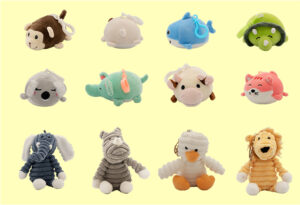
Sustainability: manufacturers are increasingly concerned with polyester that is recycled polyester, organic fabric, and environmentally friendly filling to reach ecologically conscious consumers.
Tech Integration: Plush toys that are gaining popularity include interactive components such as sound cards, motion sensors, or app connections, which are designed to differentiate the product and enhance the play experience.
Customization: Personalized animals with furs, customizable names, and modular accessories are popular as consumers seek unique, interesting options.
Main Stuffed Animal Functions
- Emotionaler Komfort
Provides a sense of safety and comfort for children and adults.
Helps reduce anxiety, solitude, and stress.
Often utilized as a calming toy for sleep.
- Developmental Help
Increases children’s creativity and imagination.
Facilitates the role-playing and linguistic expression.
Facilitates the acquisition of emotional awareness and social abilities.
- Pädagogischer Zweck
Utilized during the early educational stages, such as the study of animals, colors, and shapes.
Facilitates the child’s learning of responsibility (caring for their playmate).
Frequently employed in teaching, storytelling, and interactive processes.
- Play and entertainment
Provides a safe and pleasant experience for children.
Adept at interior, quiet, or solitary play.
Adept at entertaining and relaxing for various demographic groups.
- Decorative Purpose
Utilized in children’s spaces, bedrooms, and gift bags.
Increases the temperature and childlike nature of a space.
Advantages include the potential for customization or seasonal display.
- Therapeutic & Support Purpose
Utilized in the treatment of children and adolescents with emotional issues and behavioral problems.
Helps reduce the stress associated with medical environments.
Utilized to provide emotional support to individuals with specialabilities.
- Gifting and Collecting
Often given as presents on holidays, birthdays, and anniversaries.
Has an emotional value and is significant on a commemorative axis.
Adept at handling limited editions or joint collections that involve IP.
How to Choose the Right Stuffed Animal?
When choosing a stuffed animal for any purpose, consider the following standards:
- The Age of Proper
Ensure the implementation of safety and age guidelines, especially for children under 3. High quality seams, non-toxic components, and the lack of small, removable parts are all critical.
- The Quality of the material
High-quality fabrics like soft polyester, organic cotton, and superior filling have a longer lifespan and provide additional comfort.
- The purpose of the purchase is to
Play and enjoy: Select soft, inviting plush with a variety of shapes.
Collectible value is devoted to finding limited editions and popular brand products.
Gift value: Themed or personalized plushies are often considered more valuable.
- Reputation Brand
Established brands have a large following and a high resale value, which impedes long-term happiness.
Styling and Display Ideas for Stuffed Animals
Also, stuffed animals have aesthetic functions that surpass recreation:
Nursery Decor: Combined plush items can augment nursery décor with color and personality.
Shelf Displays: Accurately selected plush accommodations are reflective of personal preferences and interests, especially among collectors.
Photography and Social Media: Over-the-top toys are frequently featured in content that is lifestyle and inviting. Their popularity is visual.
Innovative Display Ideas
Theme by group (e.g., the jungle’s animals)
Combine plushies with books or light bulbs for shelf stories.
Use bins that are transparent to show and protect pieces.
Safety Standards and Regulations
Stuffed animals must have stringent safety rules in popular markets. Regulations contain rules about the flammability of substances, the dangers of choking, the safety of materials, and the labeling of substances. Look for symbols of compliance like the ASTM F963 (U.S.) and EN71 (EU) standards, which ensure the safety of toys. Maintaining compliance promotes brands and increases consumer faith.
FAQs — Trending Questions About Stuffed Animals
Q1: What causes the popularity of stuffed animals in 2026?
Popularity is attributed to multiple factors: the design’s appeal, the brand’s story, the value of the collectors, the comfort of the chair, and the social media’s visibility that appeals to both young and old consumers.
Q2: Is it important to use sustainable materials in stuffed toys?
Yes—fabrics that are environmentally friendly and reusable are increasing in popularity among consumers, particularly among those who are environmentally conscious, of the Gen Z and the Millennial generation.
Q3: Should I purchase a plush toy as a collectible?
Collectors often concentrate on a limited number of editions, viral brand promotions, or additional-than-life features, which will become popular over time.
Q4: What demographic of people primarily purchases stuffed animals?
While children still take the lead in purchasing, adults, especially in luxury and collectible markets, have a significant impact on the growth of the market.
Q5: Is high-tech animal technology valuable?
Interactive and intelligent plush toys have a play value and are appealing to both children and adults who are interested in technology. These toys expand the way consumers are connected to stuffed animals.
Conclusion: Why Stuffed Animals Still Matter in 2026
Stuffed animals have maintained a popular status within the toy industry, combining the emotional bond, practical utility, and cultural importance of the category. From traditional teddy bears to plush pets that are social media-based, the plush world in 2026 has a variety of richness and innovative potential. Anchored by the strong growth of the market and the expansion of the consumer population, stuffed animals have continued to fascinate all ages; they have maintained their place in the hearts of every person and in the homes of all generations.