 English
  German
  French
  Russian
  Korean
  Spanish
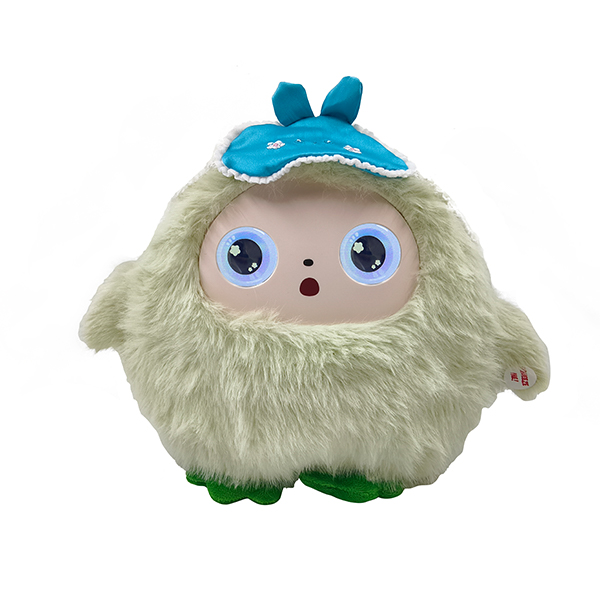
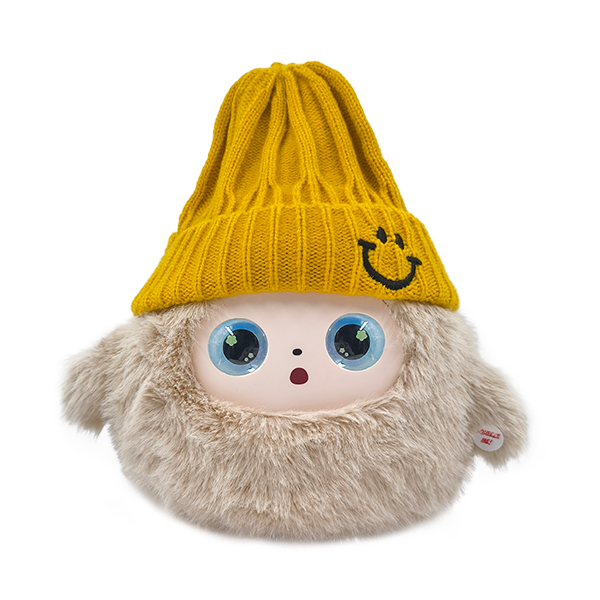
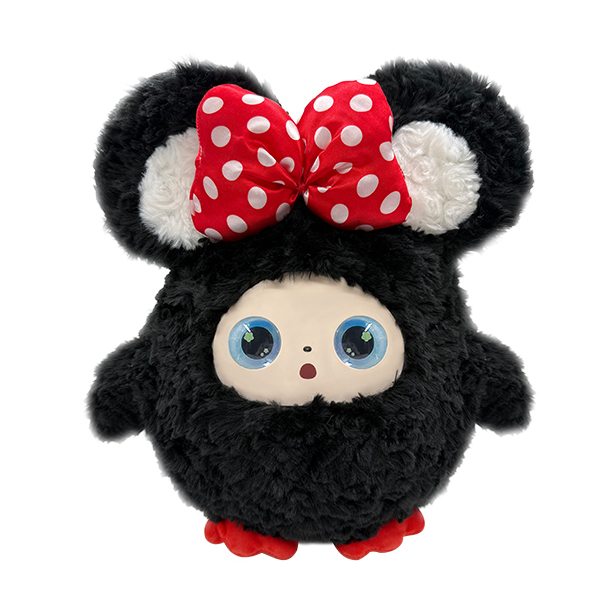
Stuffed animals are objects imbued with love, warmth, comfort, and nostalgia. Whether they’re plush toys, stuffed animals, or soft toys, they’re beloved by people of all ages. But there’s a question that often confuses people: are plush toys and stuffed animals actually the same thing?
In short: they’re closely related, but not identical. While both refer to toys made of soft fabric and stuffed with stuffing, there are subtle differences in material quality, design intent, and cultural use.
Let’s explore the differences between plush toys and stuffed animals: their materials, safety standards, care tips, customization options, and why they remain beloved worldwide.
What Are stuffed animals?
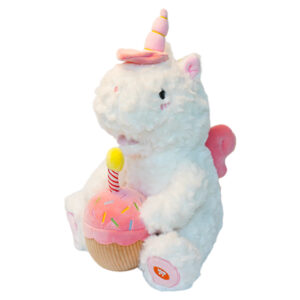
A stuffed animals refers to any soft toy made from plush fabric — a smooth, velvety textile with a slightly longer nap that gives it a luxurious, fuzzy texture. Plushies can take any shape: animals, cartoon characters, pillows, food items, or even fantasy creatures like dragons or unicorns.
The word “plush” originates from the French peluche, meaning “soft fabric.” Plushies are prized for their tactile comfort, aesthetic appeal, and emotional connection — often used as gifts, collectibles, or comforting companions for children and adults alike.
Are plushies and stuffed animals the same?
The terms are often used interchangeably, but there’s a nuanced difference:
| Feature | Plushies | Stuffed Animals |
| Definition | Soft toys made of plush fabric (velvety, high-pile material). | Toys representing animals, made from various fabrics. |
| Main Focus | Texture and cuteness (fabric-driven). | Representation of real or fantasy animals (shape-driven). |
| Material | Always made with plush or ultra-soft fabric. | May use cotton, felt, fleece, or synthetic blends. |
| Design Range | Includes animals, characters, emojis, food, etc. | Mostly realistic or stylized animal figures. |
| Cultural Use | Popular in Japan, Korea, and online fandoms. | Common in Western toy markets and children’s collections. |
So, every plushie can be a stuffed toy, but not every stuffed toy is a plushie.
Plushies focus more on aesthetic softness and cuteness, while stuffed animals emphasize the animal shape or realism.
Plushies vs. Stuffed animals — What’s the Difference?
A stuffed toy (general term) simply means any soft toy filled with stuffing. The main difference lies in the type of fabric and the visual appeal:
- Stuffed animals use plush fabric (super soft and smooth).
- Stuffed toys can be made from cotton, felt, or fleece, sometimes less fluffy.
In modern usage, the term “plushie” has evolved beyond its technical meaning — it represents an emotional or aesthetic identity, often linked to Japanese kawaii culture, collector fandoms, or comfort therapy toys.
Common Materials Used in stuffed animals
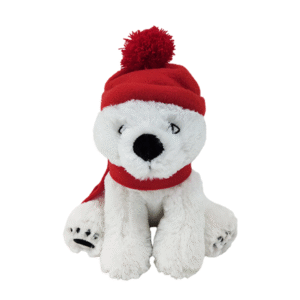
The charm of a plushie lies in its fabric. High-quality plushies use durable, skin-friendly materials that feel irresistibly soft. The most common ones include:
| Fabric Type | Description | Texture | Common Use |
| Short Plush | Smooth with fine fibers, easy to clean. | Silky soft | Small toys, cushions |
| Super Soft Velboa | Dense pile, shiny surface, lightweight. | Velvety | Cartoon plushies, mascots |
| Sherpa / Lamb Wool Fabric | Fluffy, wool-like texture. | Cozy, warm | Winter plush toys, animals |
| Chenille | Twisted yarn with a fuzzy feel. | Textured | Luxury plushies |
| Minky Fabric | Extremely soft polyester with embossed dots. | Cloud-soft | Baby plushies, blankets |
High-end plush manufacturers often blend materials (like Minky + PP cotton) for the perfect balance between softness and shape retention.
Are Stuffed Animals Safe and Non-Toxic?
Yes — if made following international toy safety standards.
Reputable plush toy brands ensure their products are:
- Non-toxic and BPA-free
- Free from sharp or detachable small parts
- Certified under standards such as EN71 (EU), ASTM F963 (US), and GB6675 (China)
- These certifications guarantee that materials, dyes, and fillings are child-safe, hypoallergenic, and flame-resistant.
However, cheap or counterfeit plushies can contain unsafe dyes or poorly stitched parts. Always check for:
- Manufacturer’s label
- Safety certification marks
- Washing instructions
- For infants under 3 years old, avoid plushies with plastic eyes or accessories that could become choking hazards.
What Age Group Are Stuffed Animals Suitable For?
Plush toys appeal to all age groups, though the purpose differs:
- Infants & Toddlers (0–3 years): Soft, washable, safety-certified plush animals without small parts.
- Children (4–12 years): Cartoon characters, interactive or talking plushies.
- Teens & Adults: Collectible or aesthetic plushies — often used as décor, gifts, or comfort items.
In recent years, adult plush ownership has become mainstream — many use plushies for stress relief, emotional comfort, or even home decoration.
Common Filling Materials for Stuffed Animals
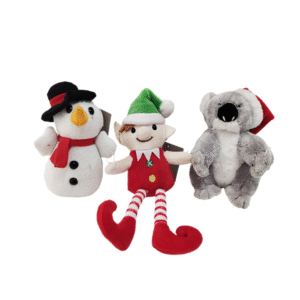
The “soul” of a plushie lies in its filling. The right stuffing determines softness, resilience, and safety.
| Filling Type | Description | Features |
| PP Cotton (Polypropylene Fiber) | Synthetic fiber filling used in most plushies. | Soft, fluffy, hypoallergenic |
| Recycled Cotton | Eco-friendly option from textile waste. | Sustainable, firm texture |
| Bean Pellets (Plastic or Glass Beads) | Small weighted beads used in limbs or base. | Provides realism and balance |
| Foam or Microbeads | Used for cushions and hug toys. | Molds to body, relaxing feel |
| Wool or Down | Rare natural fillings. | Expensive, luxurious texture |
High-quality plush toys often combine PP cotton and bead pellets to balance fluffiness with stability.
How to Clean Stuffed Animals – Can They Be Machine Washed?
Yes, many plushies can be machine washed, but care depends on material and stuffing.
Cleaning Guidelines:
- Check the label — look for “machine washable” or “surface clean only.”
- Use gentle mode with mild detergent and cold water.
- Air dry naturally (avoid dryers to prevent deformation).
- For large or delicate plushies, use hand washing or spot cleaning with a damp cloth.
- Disinfect occasionally with UV light or antibacterial spray for hygiene.
Pro Tip: Place plushies in a laundry bag to protect seams and maintain shape.
Do Stuffed Animals Shed or Lose Fur?
High-quality plushies made from short-pile or dense fabrics rarely shed.
Shedding usually occurs in cheap, loosely woven materials or after improper washing.
To prevent fur loss:
- Avoid harsh detergents or high-speed washing.
- Brush gently with a fabric comb.
- Keep away from sharp objects or pets.
Premium plush fabrics (like Minky or Sherpa) are designed to be anti-shedding and durable.
Are There Hypoallergenic or Eco-Friendly Plushies?
Yes, the toy industry has embraced sustainable and allergy-safe production.
Organic cotton plushies use pesticide-free materials.
Bamboo fiber fabric offers natural antibacterial properties.
Recycled polyester (rPET) reduces plastic waste.
Hypoallergenic fillings prevent dust-mite buildup.
Eco-conscious consumers can look for certifications like OEKO-TEX® Standard 100 or Global Recycled Standard (GRS) to ensure products are environmentally safe.
Can Stuffed Animals Be Customized?
Absolutely! Custom plush manufacturing has become a major industry trend. Businesses and individuals can order bespoke plush designs, including:
- Cartoon or anime characters
- Company mascots
- Sports team mascots
- Celebrity or influencer merch
- Personalized gifts (photo-to-plush)
Custom plushies are often made using 3D modeling and embroidery techniques, with MOQ (minimum order quantity) as low as 50–100 pieces for small batches.
Customization allows companies to strengthen brand identity and individuals to create unique emotional keepsakes.
Common Stuffed Animals Sizes
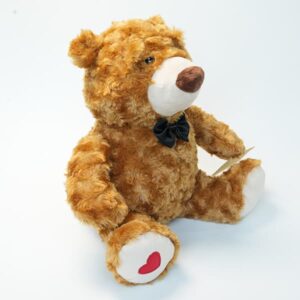
Stuffed Animals come in countless sizes for different uses and occasions:
| Size Category | Height Range | Common Use |
| Mini / Keychain Plushies | 5–15 cm | Souvenirs, bag charms |
| Medium Plushies | 20–50 cm | Children’s toys, home décor |
| Large Plushies | 60–120 cm | Hugging toys, floor cushions |
| Giant Plush Bears | 150 cm+ | Gifts, photo props, decoration |
The most popular is the medium to large size range (30–80 cm) — perfect for cuddling and gifting.
Can Plushies Be Used as Home Decor?
Definitely. Plushies have evolved beyond children’s toys into aesthetic home accessories.
You’ll often find plushies decorating:
- Sofas and beds as accent cushions.
- Shelves and nurseries as display pieces.
- Offices or studios as comfort décor.
In modern interior design, plushies add warmth, personality, and color — especially in minimalist or Scandinavian-style homes.
How to Identify High-Quality Stuffed Animals?
Quality plushies stand out through their craftsmanship and material integrity.
When shopping, look for:
- Tight, even stitching – prevents seams from splitting.
- Soft, dense fur – feels smooth, not scratchy.
- Stable filling – no lumps or hollow spots.
- Odor-free and colorfast – no chemical smell or dye bleeding.
- Proper labeling – includes brand name, safety mark, and wash guide.
Premium plushies often undergo anti-bacterial treatment and fabric brushing to achieve superior softness and hygiene.
Safety Standards for Stuffed Animals
Plush toys sold internationally must comply with stringent safety regulations:
| Region | Certification | Main Focus |
| Europe | EN71 | Mechanical safety, chemical content, flammability |
| United States | ASTM F963 | Heavy metal limits, labeling, durability |
| China | GB6675 | Material safety, small parts, age suitability |
| Japan | ST Standard | Quality and physical performance |
Compliance ensures that plushies are safe for all ages, free from harmful substances, and meet durability and hygiene requirements.
Do Stuffed Animals Have Odor or Antibacterial Treatment?
New plushies may have a mild factory scent, which disappears after airing or washing.
High-end brands now use:
- Antibacterial coatings on fabric.
- Deodorizing treatment to maintain freshness.
- Natural plant-based dyes to eliminate chemical odors.
- Always store plushies in a dry, ventilated space to prevent mold and odor buildup.
Popular Stuffed Animals Gift Ideas
Plush toys are timeless gifts for all occasions. Here are some favorites:
| Occasion | Popular Plush Types |
| Valentine’s Day | Heart bears, couple plushies, rose teddy |
| Christmas | Reindeer, Santa plushies, snowman dolls |
| Children’s Day / Birthdays | Cartoon animals, educational plushies |
| Graduations | Mascot bears, personalized plush toys |
| Corporate Events | Logo mascots, brand characters |
Custom gift packaging — ribbons, cards, or fragrance sachets — adds emotional value.
Why Plushies Remain Timeless?
Beyond their softness, plushies hold psychological and emotional value. Studies suggest cuddling a soft toy can:
Reduce stress and anxiety
Enhance feelings of comfort and nostalgia
Provide emotional grounding and companionship
That’s why plushies have become not just toys — but symbols of affection, self-care, and connection.
Conclusion
So, are plushies and stuffed animals the same?
Not entirely — but they share the same heartwarming purpose.
Stuffed animals focus on form and species realism.
Plushies emphasize softness, texture, and aesthetic appeal.
Both bring comfort, joy, and emotional warmth — whether gifted to a child, collected by an adult, or cherished as a lifelong friend.
When choosing your next plush companion, look beyond cuteness: consider fabric quality, safety standards, eco-friendliness, and craftsmanship.
A truly great plushie isn’t just a toy — it’s a keepsake of love, memory, and comfort.