 English
  German
  French
  Russian
  Korean
  Spanish
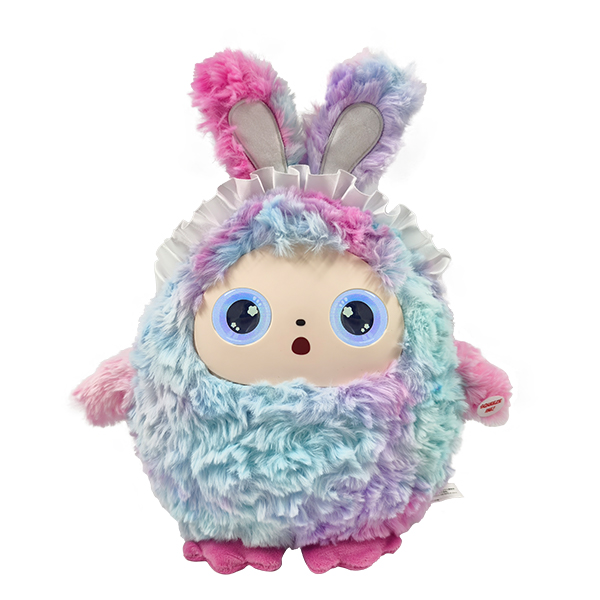
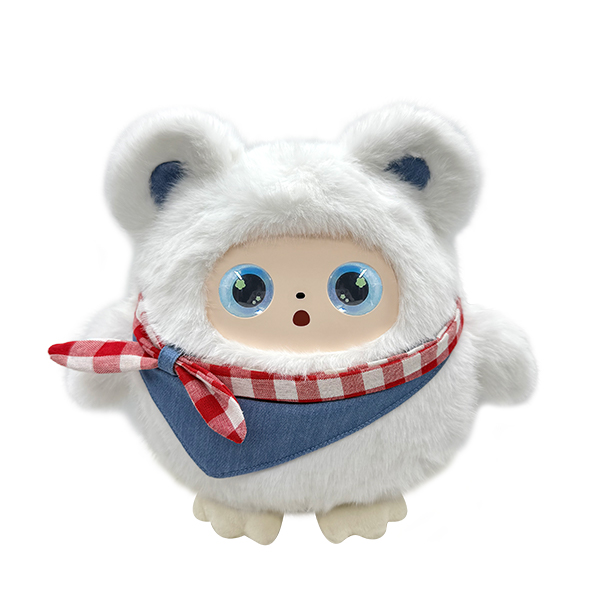
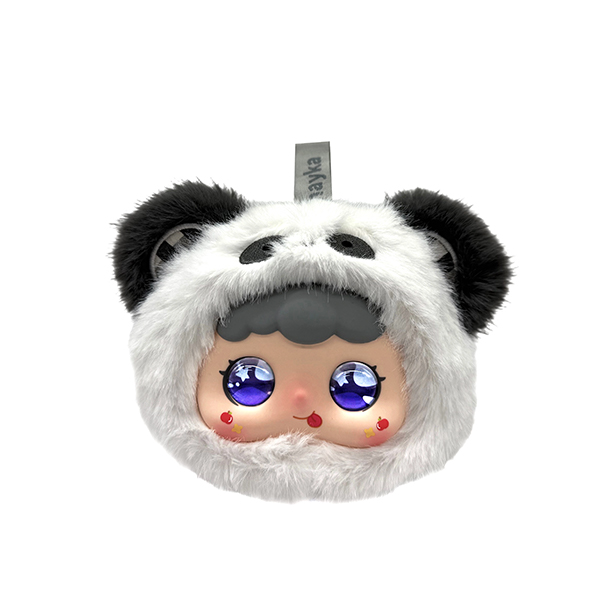
Gifting soft toys to newborns is a deeply ingrained cultural tradition. However, this urge often collides with parental anxieties regarding suffocation risks, choking hazards, and chemical exposure. The plush toy market is saturated with unregulated, white-labeled goods containing cheap poly-fills, easily detached components, and volatile organic compounds (VOCs) that bypass standard regulatory screening. Identifying genuinely safe stuffed animals requires moving past cute aesthetics and marketing greenwashing. You must focus instead on verified manufacturing practices, regulatory compliance matrices, and strict material transparency. Are plush toys safe for babies? Yes, but only when carefully selected and properly introduced to their environment. Identifying safe products requires a highly clinical approach to evaluating construction and material sourcing. We outline how to navigate hidden supply chain risks and source Eco-friendly plush toys built to rigorous clinical safety standards.
Key Takeaways
- Strict Age Timelines: Based on pediatric consensus (AAP), soft objects must remain out of a baby’s sleep space for the first 12 months; plush toys are strictly for supervised wake windows in year one.
- Component-Level Safety: True infant safety relies on zero hard plastics (embroidered eyes/features), strict tensile strength tests for seams, and the absolute elimination of loose strings, ribbons, or cords.
- Material Compliance: Genuine eco-friendly plush toys prioritize certified organic textiles and chemical-free dyes over recycled synthetics when infant-level skin contact and mouthing are involved.
- Manufacturing Accountability: Top-tier producers utilize needle-free plush manufacturing environments, multi-stage quality assurance (QA) batch testing, and third-party laboratory testing to eliminate metal contamination and validate structural integrity.
The Medical Consensus on Stuffed Animals and Infant Milestones
The American Academy of Pediatrics establishes an unwavering medical baseline for infant sleep spaces. Soft objects must stay out of an infant crib for the entire first year. This strict rule exists specifically to minimize the risk of Sudden Infant Death Syndrome (SIDS) and accidental suffocation. Soft materials can easily conform to a baby’s face during unsupervised hours. This physical conformity blocks neonatal airways and traps exhaled carbon dioxide, creating a hazardous rebreathing environment. Medical professionals uniformly agree on this standard. You must prioritize airway clearance above all decorative nursery desires. Infants lack the motor control required to move heavy blankets or plush toys away from their faces if they roll over.
During the first 12 months, safe stuffed animals for newborns play a completely different, highly active role. You should use them exclusively during supervised play windows. We can break down their developmental utility into distinct infant milestones:
- Months 0 to 3 (Visual Tracking): Newborns have limited vision. High-contrast plush toys serve as excellent visual tracking tools when moved slowly across their field of view.
- Months 4 to 6 (Motor Grasping): Babies begin reaching and grabbing. Soft, lightweight limbs on a plush toy provide safe physical feedback as they practice opening and closing their hands.
- Months 7 to 9 (Sensory Mouthing): Infants explore the world through oral stimulation. Safe toys provide a clean, textured surface for teething relief without exposing them to hard plastics.
- Months 10 to 12 (Emotional Recognition): Supervised tummy time becomes highly interactive. The toy becomes a familiar object, establishing the groundwork for future emotional attachment.
As babies transition into toddlerhood, their developmental needs naturally shift. Introducing a cuddly companion at this stage offers significant psychological benefits. High-quality soft toys become vital transitional objects. They aid young children in managing complex separation anxiety when parents leave the room. These physical companions help toddlers develop independent emotional self-soothing techniques. This transition from supervised play accessory to comforting sleep companion occurs safely once the child graduates to a secure, clear sleep environment after their first birthday.
Evaluating Baby Toy Safety Standards: Regulatory Benchmarks vs. Reality
International regulatory bodies set mandatory safety benchmarks for children’s products. The United States enforces the Consumer Product Safety Commission (CPSC) and CPSIA standards. Europe relies on the strict EN71 framework. These foundational tests measure specific hazard categories before a product reaches retail shelves. Laboratory technicians evaluate flammability limits rigorously by timing how quickly fabric burns when exposed to an open flame. They check for heavy metal extraction, ensuring that saliva does not pull lead or cadmium from the dyed fabric. They also enforce strict small parts regulations using a standardized cylinder that mimics an infant’s throat. Manufacturers must pass these fundamental tests to legally sell their products in major markets.
However, a compliance tag on a digital marketplace does not guarantee absolute safety. Outdated batch testing creates significant supply chain blind spots. A factory might pass a safety test in January but switch to a cheaper, toxic dye in March to cut production costs. Fragmented manufacturing often leads to structural inconsistencies from one toy to the next. Fast-fashion manufacturers sometimes use fraudulent labeling or exploit loopholes by labeling plush items as “decorative objects” rather than toys. Relying solely on basic compliance leaves infants vulnerable to hidden chemical irritants and unexpected structural failures.
Advanced, third-party certifications represent the true gold standard for infant products. Genuine baby toy safety standards must exceed baseline legal minimums. OEKO-TEX Standard 100 Class 1 specifically tests for invisible harmful substances at levels strictly tailored for baby articles. The Global Organic Textile Standard (GOTS) verifies organic integrity from the soil to the sewing floor. Treat these acronyms as rigorous pass/fail criteria. You should actively verify these specific certifications before purchasing any soft product intended for a newborn.
| Certification Framework | Geographic Scope | Primary Safety Focus | Relevance to Infant Safety |
|---|---|---|---|
| CPSC / CPSIA | United States | Legal mandatory baseline | Regulates lead limits, phthalate bans, and basic small parts choking hazards. |
| EN71 | European Union | Comprehensive toy safety | Tests flammability rates, mechanical pull strength, and toxic chemical migration. |
| OEKO-TEX Class 1 | Global (Voluntary) | Advanced textile safety | Ensures zero harmful chemicals touch sensitive, highly permeable newborn skin. |
| GOTS | Global (Voluntary) | Organic fiber verification | Validates organic sourcing and completely prohibits environmentally toxic processing dyes. |
Material Selection: Dissecting Non-Toxic Baby Toys and Fills
Exterior textiles directly interact with the delicate, highly permeable neonatal skin barrier. Conventional polyesters often carry hidden chemical runoff from aggressive synthetic dye processing. This residue can easily trigger eczema flare-ups, respiratory irritation, and contact dermatitis in young children. Choosing hypoallergenic plush toys actively protects compromised or developing immune systems. Natural fabrics like organic cotton offer superior breathability compared to standard petroleum-based synthetics. They completely eliminate the harsh chemical finishes commonly found in cheap synthetic alternatives, providing a biologically safe surface for infants who explore their environment entirely through their mouths.
Interior stuffing structures also require careful technical analysis. Traditional polypropylene (PP) cotton is the standard fill for cheap toys, but it can clump heavily over time after washing. This internal clumping ruins the toy’s shape while trapping moisture inside the dense synthetic clusters. Trapped moisture quickly encourages harmful mold and bacterial growth deep within the toy. Premium manufacturers utilize superior technical alternatives to prevent this hazard. Kapok, pure wool, and GOTS-certified organic cotton offer excellent structural integrity and moisture-wicking properties. They provide necessary loft and cuddliness without harboring excess ambient moisture.
Parents must flag and actively avoid invisible toxic additives that routinely enter the mass-market supply chain. You must seek out explicitly non-toxic baby toys to avoid these specific hidden dangers:
- Brominated Flame Retardants: Often sprayed on cheap synthetics, these chemicals are known to disrupt vital endocrine systems and bioaccumulate in human tissue.
- Azo Dyes: Used for bright, cheap coloring, these dyes can release highly carcinogenic aromatic amines upon prolonged skin contact and saliva exposure.
- Phthalates: Commonly used to soften plastic components on cheaper toys, they pose severe developmental and reproductive risks to growing infants.
- Formaldehyde: Sometimes used as an anti-wrinkle or anti-shrink finish on cheap fabrics, acting as a severe respiratory and skin irritant.
Hardware and Construction Mechanics: Identifying Points of Failure
A high-risk plush structure contains numerous physical implementation risks that threaten infant safety. Plastic safety eyes, glued-on button noses, and decorative sequin applications represent critical failure points. Mouthing infants possess surprisingly strong jaw pressure and can quickly detach these pieces. This creates an immediate and severe choking hazard that can block a neonatal airway in seconds. Strings, cords, and decorative ribbons present an often-overlooked danger. You must strictly avoid them or keep them under extreme length limits (typically less than 7 inches). This prevents severe strangulation risks if the cord wraps around an infant’s neck or fingers. Overall toy weight and size must also remain minimal to prevent accidental smothering during supervised play.
Dense-stitched embroidery provides the only viable sensory solution for newborn facial features. Infant toys require highly specific thread tensions to prevent fraying over time. High bite force combined with constant saliva saturation can quickly destroy weak stitching. Professional embroidered features eliminate hard plastics entirely while maintaining the toy’s aesthetic charm. This ensures the toy remains structurally sound and entirely safe during heavy, daily mouthing phases.
Structural seam integrity separates secure toys from hazardous ones. Look for robust lock-stitched seams that prevent the fabric from unraveling even if a single thread breaks. High-quality production lines utilize internal bias binding, which folds and sews a strip of fabric over the internal raw edges to reinforce the seam significantly. Manufacturers must perform mandatory industrial pull-tests on these seams. Testing protocols typically apply up to 90 Newtons of force to simulate a toddler’s aggressive physical pulling. These rigorous stress tests ensure seams do not burst and leak hazardous stuffing into a baby’s mouth.
Implementing needle-free plush manufacturing is a mandatory safety protocol for premium brands. Mass-produced textile plants frequently suffer from broken industrial needles snapping during high-speed sewing. These sharp metal fragments often hide silently inside the toy’s stuffing, passing completely unnoticed by manual inspectors. Elite factories deploy advanced, multi-stage metal detector gateways at the end of the production line. They use completely isolated production rooms and implement strict needle-control logs. If a needle breaks, the operator must find all broken pieces and tape them to a control log before receiving a replacement. This rigorous QA tracking actively prevents invisible metal hazards from reaching the nursery.
The ROI of Gifting Premium Cuddly Companions
A massive quality gap exists between a $10 big-box plush and a premium, ethically manufactured gift. Cheap toys suffer from rapid material deterioration within months of purchase. They degrade quickly after standard machine washing, developing split seams and matted fur. Poor fabrics shed loose fibers continuously, leading to potential microplastic ingestion when a baby chews on the toy. Their functional lifespan remains severely limited, often ending up in a landfill before the child reaches preschool. Investing in premium craftsmanship actively prevents these structural failures, offering a significantly better long-term return on investment.
Genuine hygiene requires excellent washability and specific longevity matrices. Infant toys face constant exposure to spit-up, drool, and floor dirt. They must withstand 100% machine washing at temperatures between 30°C and 40°C. Hot wash cycles eliminate dangerous dust mites and remove bodily fluids safely. High-quality toys survive these aggressive laundry cycles without shedding fibers, shrinking, or color-bleeding. They maintain their physical integrity and softness over years of continuous use and sanitation.
StuffPlush sets the modern benchmark for safe, premium infant gifting. They bridge the gap where high-end art meets pure joy. Their rigorous design frameworks prioritize strict infant applications from the initial sketch to the final stitch. Beautiful, art-inspired aesthetics coalesce seamlessly with clinical safety standards. They enforce strict material parameters, severe seam-stress limits, and robust QA testing. StuffPlush integrates verified eco-certifications directly into their production pipeline. This approach transforms a simple plush toy into a secure, multi-generational keepsake. It replaces the endless, wasteful cycle of disposable, hazardous inventory with a product designed for lasting emotional value and absolute physical safety.
Conclusion
Plush toys are entirely safe for infants when you understand exactly how to select and deploy them. You must evaluate every soft product strictly through a lens of clinical safety rather than simple visual appeal. Prioritizing organic materials, embroidered features, and verified safety certifications ensures the child remains protected from hidden supply chain hazards.
Take these actionable next steps to guarantee a secure environment:
- Audit your current nursery inventory and permanently remove any plush toys containing hard plastic eyes, glued noses, or decorative sequins.
- Establish a strict “no soft objects in the crib” rule for the first 12 months to eliminate suffocation and airway obstruction risks.
- Wash all newly gifted soft toys inside a protective mesh laundry bag at 30°C with non-bio detergent before handing them to an infant.
- Manually pull-test the seams of any stuffed animal to check for structural weakness or exposed stuffing before allowing supervised play.
- Explore StuffPlush’s highly curated collections for secure, joy-focused infant gifts that never compromise on technical safety or material integrity.
FAQ
Q: At what exact age can a baby sleep with a stuffed animal?
A: Pediatric guidelines establish a strict 12-month minimum standard. You must keep absolutely all soft objects out of a baby’s crib prior to this milestone. This rule prevents Sudden Infant Death Syndrome (SIDS) and fatal suffocation risks caused by airway obstruction. Introduce cuddly companions for sleep only after the first year.
Q: How do you verify if eco-friendly plush toys are actually safe?
A: Look for documented OEKO-TEX, CPSIA, or GOTS certificates. Do not rely on unverified “green” or “natural” marketing language on retail packaging. True safety requires third-party laboratory verification. Always check the manufacturer’s website for published compliance testing and transparent material sourcing documentation before purchasing a toy for a newborn.
Q: Are hypoallergenic plush toys completely resistant to dust mites?
A: No fabric is 100% immune to dust mites. Hypoallergenic means the toy lacks chemical irritants that mimic or exacerbate allergic reactions. It also indicates the toy is specifically designed to survive frequent, high-temperature machine washing. Regular washing physically removes dust mites and allergens from the fabric safely and effectively.
Q: What is needle-free plush manufacturing?
A: It is an enclosed manufacturing process paired with multi-stage metal detection gateways. Factories use rigorous quality assurance batch checks and strict needle replacement logs. This specific protocol prevents broken industrial sewing needles from embedding inside toy stuffing. It entirely eliminates a highly dangerous, invisible hazard commonly found in cheap facilities.
Q: Which safe stuffed animals for newborns make the best gifts?
A: The best gifts are lightweight, high-contrast, and fully embroidered. They use organically stuffed options devoid of any ribbons, cords, or hard plastics. Emphasize toys designed specifically for supervised developmental use, such as tummy time visual tracking. Ensure they hold recognized third-party safety certifications before presenting them as gifts.
Q: How should I wash non-toxic baby toys to preserve safety?
A: Place the toy inside a mesh laundry bag. Use mild, non-bio detergents to avoid triggering newborn skin irritation. Select a gentle but effective machine cycle, typically around 30°C to 40°C. Air dry the toy completely to protect seam strength. This eliminates pathogens while preserving the fabric’s structural integrity.