 English
  German
  French
  Russian
  Korean
  Spanish
Abstract
In early childhood development, sensory stimulation is essential for aiding infants in developing cognitive, auditory, and language abilities. Among the numerous educational toys designed for babies and toddlers, sound toys—particularly those that produce animal sounds—have gained popularity for both entertainment and developmental purposes.
Research on early childhood learning published by the American Academy of Pediatrics and developmental psychology studies from the Harvard Center on the Developing Child indicates that interactive toys that combine sound, color, and tactile interaction can greatly enhance infants’ brain development during their initial years.
Animal-themed sound toys are especially effective because they expose babies to familiar sounds from nature, like barking dogs, mooing cows, and chirping birds. These toys aid infants in developing auditory recognition, understanding cause-and-effect relationships, and forming early language connections between sounds and objects. When babies press buttons or squeeze plush toys to generate sounds, they realize that their actions can cause responses—an important cognitive milestone.
Modern sound toys support developmental growth while also integrating advanced safety features, soft materials, and interactive learning designs. Many toys now blend animal sounds with lights, music, and storytelling functions, providing engaging educational experiences for infants and toddlers.
This detailed guide examines the most popular animal sound toys for babies, describing how they aid early development, what features parents should consider, and how various types of sound toys enhance sensory learning. The article also discusses safety concerns, educational advantages, and new trends in the baby toy industry.
Why Sound Toys Are Important for Baby Development?
- Early Sensory Learning
Babies primarily learn about the world through their senses in the initial stages of life. Sound toys offer auditory stimulation that assists infants in identifying patterns, tones, and rhythms.
When babies hear animal sounds through toys repeatedly, they start to connect those sounds with actual animals in the real world, forming early cognitive links.
- Language Development
Listening to sound patterns significantly contributes to learning language. Babies exposed to repeated sounds and basic words tend to develop a more robust early vocabulary.
Animal sound toys frequently feature voice prompts like “The cow says moo,” which aid in reinforcing language learning.
- Cause-and-Effect Understanding
Interactive sound toys assist babies in understanding cause and effect. When a baby presses a button or squeezes a toy and hears a sound, they start to recognize that their actions can generate outcomes.
This discovery strengthens cognitive development and encourages exploration.
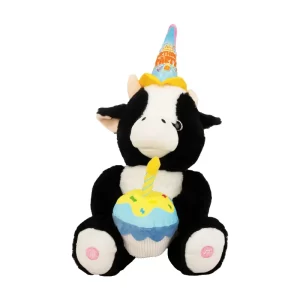
Types of Animal Sound Toys for Babies
Animal sound toys come in many different forms designed for various developmental stages.
Main Categories of Animal Sound Toys
| Toy Type | Key Features | Age Group |
| Plush animal sound toys | Soft materials, squeeze sounds | 0–12 months |
| Electronic learning toys | Buttons with animal sounds | 6–24 months |
| Sound books | Animal sound buttons with stories | 1–3 years |
| Interactive play mats | Multi-animal sound zones | 6–24 months |
Each type provides different sensory experiences for babies.
Plush Animal Sound Toys
- Soft and Safe Design
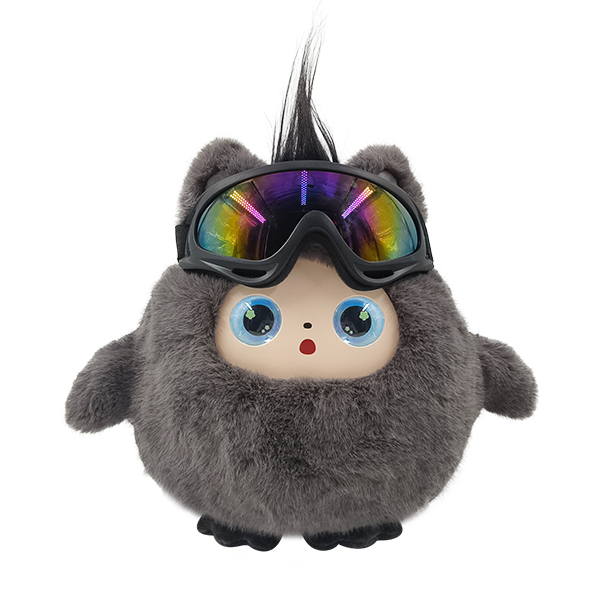
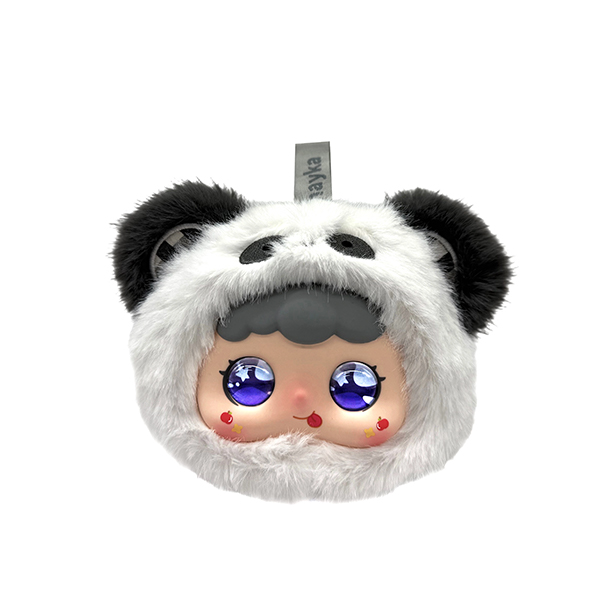
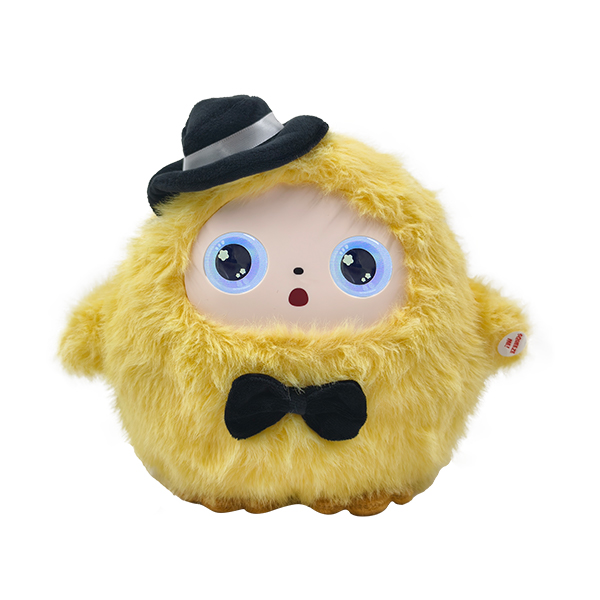
Plush animal sound toys are among the most popular options for newborns and young infants.
These toys are typically made from soft fabrics with built-in sound modules.
When babies squeeze the toy, it produces an animal sound such as a bark or a chirp.
Because these toys are soft and lightweight, they are safe for babies to hold and cuddle.
- Developmental Benefits
Plush sound toys help babies develop:
- Tactile sensitivity
- Sound recognition
- Emotional comfort through soft textures
These toys are particularly useful during the earliest months of development.
Electronic Animal Sound Toys
Electronic sound toys introduce babies to more interactive learning experiences.
These toys usually feature buttons that trigger animal sounds, music, or spoken words.
Features of Electronic Sound Toys
| Feature | Benefit |
| Pressable buttons | Encourages motor skill development |
| Animal sound playback | Teaches sound recognition |
| Colorful lights | Enhances visual stimulation |
| Music functions | Introduces rhythm and melody |
These features help keep babies engaged while supporting sensory learning.
Animal Sound Books
Animal sound books blend storytelling with interactive audio features.
Usually, these books have illustrated animals and buttons that produce matching sounds.
For instance, a baby might look at a picture of a duck and press a button to hear it quack.
Benefits of Sound Books
Sound books help children develop early reading skills by connecting images, sounds, and words.
They also encourage parent-child interaction during reading time.
Interactive Animal Play Mats
Interactive play mats create a bigger play space where babies can discover different sounds by touching different sections.
These mats frequently feature several animal sound zones.
Learning Advantages
Interactive play mats encourage:
- Crawling and movement
- Exploration and curiosity
- Multi-sensory engagement
This makes them ideal for babies developing mobility skills.
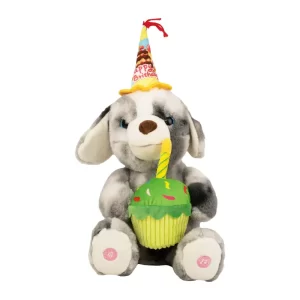
Popular Animal Sounds in Baby Toys
Animal sound toys typically feature familiar animals that babies can easily recognize.
Common Animal Sounds Used in Toys
| Animal | Sound | Learning Benefit |
| Dog | Bark | Familiar household animal |
| Cow | Moo | Farm animal recognition |
| Duck | Quack | Nature sound introduction |
| Bird | Chirp | High-frequency sound awareness |
| Sheep | Baa | Farm vocabulary development |
These sounds introduce babies to different environments such as farms and forests.
How to Choose Safe Sound Toys for Babies?
Sound toys can support early sensory development, but choosing safe products is essential for protecting a baby’s health and hearing. Many experts in Pediatrics emphasize that toys designed for infants should prioritize safety, durability, and appropriate sound levels.
- Check Age Recommendations
Always select toys labeled specifically for infants or the appropriate age group. Age guidelines help ensure the toy’s size, materials, and sound levels are suitable for a baby’s developmental stage.
- Choose Non-Toxic Materials
Babies often place toys in their mouths. Look for toys made from BPA-free plastics, natural fabrics, or food-grade silicone to reduce exposure to harmful chemicals.
- Avoid Small Detachable Parts
Sound toys should have securely sealed components so that batteries, buttons, or decorative pieces cannot detach and create choking hazards.
- Ensure Smooth Edges and Durable Construction
High-quality toys should have smooth surfaces, reinforced seams, and sturdy assembly to prevent breakage during normal use.
- Prefer Adjustable Volume Options
Some sound toys include volume control or soft sound modes, allowing caregivers to reduce sound intensity and create a more comfortable listening environment for babies.
- Select Developmentally Beneficial Sounds
Gentle music, soft animal sounds, and soothing melodies are better choices than sudden loud noises, which may startle babies and overstimulate them.
Sound Toy Volume and Hearing Safety
Protecting infant hearing is a crucial factor when selecting sound toys. Studies on Noise-Induced Hearing Loss indicate that extended exposure to loud noises can harm delicate hearing mechanisms.
Suggested safety guidelines:
- Safe Sound Levels
Infant toys should typically emit sound levels under 85 decibels (dB) when measured nearby. Even lower levels are safer for ongoing use.
- Distance Matters
Babies frequently hold toys very near to their ears. Toys made for infants should emit soft sounds even when held close.
- Avoid Continuous Loud Sounds
Toys that generate prolonged, repetitive loud music or abrupt loud effects should be avoided, as they can lead to overstimulation and possible hearing damage.
- Test the Toy Before Purchase
Parents or caregivers should press the sound button and listen to the toy at close range to assess if the sound level is comfortable.
- Limit Play Duration
Limiting playtime, even with safe toys, helps decrease overall sound exposure and avoids sensory overload.
Educational Value of Animal Sound Toys
Animal sound toys are not only entertaining but also educational.
They support multiple developmental areas.
Learning Benefits of Sound Toys
| Development Area | Benefit |
| Cognitive development | Understanding cause and effect |
| Language skills | Learning animal names and sounds |
| Sensory stimulation | Exposure to auditory and visual cues |
| Motor skills | Pressing buttons and grasping toys |
These learning benefits make sound toys valuable educational tools.
Trends in Modern Baby Sound Toys
The baby toy industry keeps evolving with technological progress.
Various trends are influencing the growth of contemporary sound toys.
- Smart Interactive Toys
Certain toys now incorporate digital technology to generate authentic animal sounds and enable interactive storytelling.
These toys frequently feature sensors that react to touch or motion.
- Eco-Friendly Materials
A lot of producers are moving toward eco-friendly materials like organic cotton and recycled plastics.
Parents are increasingly choosing products that are environmentally responsible.
- Educational Design
Toy designers are emphasizing educational value by integrating sound, music, and language learning features.
This trend indicates a rising interest in early childhood development.
The Role of Sound Toys in Early Childhood Education
Educational researchers emphasize that play is an essential part of early childhood learning.
Sound toys provide opportunities for babies to experiment, explore, and interact with their environment.
When parents play with babies using sound toys, they help reinforce learning through social interaction.
FAQ: Sound Toys for Babies
What are sound toys for babies?
Sound toys are interactive toys that produce sounds, music, or voice prompts to stimulate babies’ auditory senses.
At what age can babies start using sound toys?
Many sound toys are designed for infants as young as newborns, though more interactive toys are typically suitable for babies over six months old.
Are animal sound toys educational?
Yes. Animal sound toys help babies learn sound recognition, vocabulary, and cause-and-effect relationships.
Can loud sound toys harm babies’ hearing?
Excessively loud toys may pose a risk, so parents should choose toys with safe volume levels.
What features should parents look for in sound toys?
Parents should look for safe materials, age-appropriate designs, adjustable volume, and educational features.
Conclusion
Animal-themed sound toys have gained popularity as a category of developmental toys for babies because they blend entertainment with educational advantages. These toys help infants form early cognitive links between sounds, images, and real-world experiences by exposing them to familiar animal noises. Whether they are plush toys, electronic learning gadgets, sound books, or interactive play mats, sound toys offer essential sensory stimulation that promotes auditory recognition, language skills, and motor development.
As research in early childhood development continues to highlight the importance of sensory learning during infancy, sound toys are likely to remain an essential part of educational play environments. Advances in toy design, safety standards, and interactive technologies are also expanding the possibilities for engaging and developmentally supportive toys.
For parents and caregivers, selecting high-quality animal sound toys provides an easy yet impactful method to foster curiosity, learning, and joyful exploration during a baby’s initial developmental stages.