 English
  German
  French
  Russian
  Korean
  Spanish
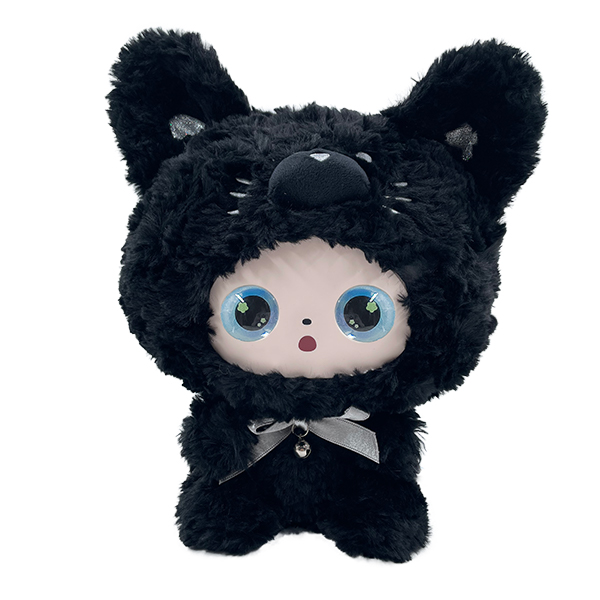
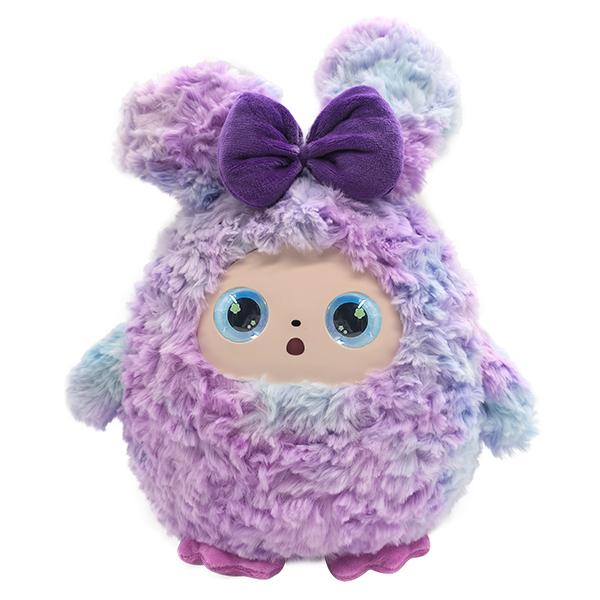
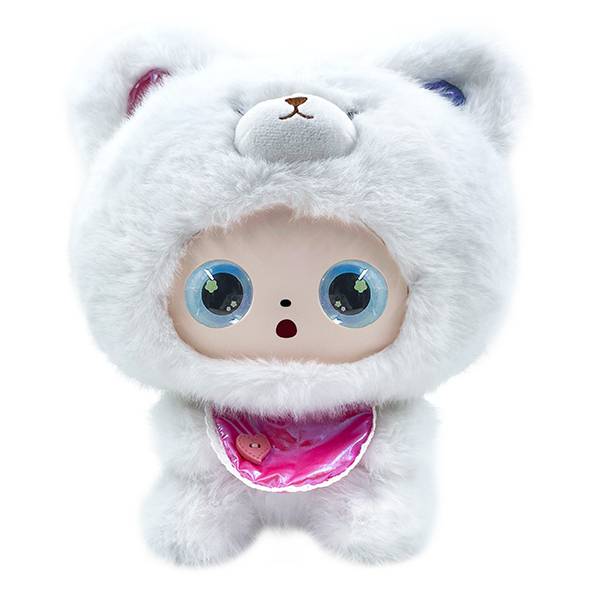
When was the last time you looked at a plush toy and thought, “This feels like art”?
A few years ago, that idea might’ve sounded strange. Plush toys were cute, soft, and mostly made for kids. End of story.
But things are changing—and fast.
Today, plush toys are showing up in adult bedrooms, on designer sofas, in lifestyle photos on Instagram, and even in concept stores next to ceramics and art books. And one of the biggest reasons behind this shift is something surprisingly simple: artistic color design.
Color is no longer just decoration. It’s emotion. It’s identity. It’s storytelling.
And in the plush toy world, it’s quietly turning soft toys into emotional art objects.
So how did we get here? Let’s talk about it.
Why Color Is No Longer Just Decoration in Plush Toy Design
Color has always mattered. We all know that.
But in traditional plush toy design, color used to play a very basic role: bright colors for kids, neutral browns for teddy bears, pinks and blues for “safe” choices.
That logic doesn’t work anymore.
Today’s consumers—especially teens and adults—don’t just see color. They feel it.
Soft beige feels calm.
Muted green feels grounding.
Lavender feels gentle and emotional.
Low-saturation pastels feel safe, slow, and comforting.
That’s not accidental. That’s emotional psychology at work.
People are stressed. Overstimulated. Always online.
So when they reach for a plush toy now, they’re not just looking for something cute. They’re looking for something that feels right emotionally—something that fits their mood, their space, and even their personality.
This shift is pushing stuffed animal manufacturers to rethink how plush toys are designed. It’s no longer about mass color appeal. It’s about emotional accuracy.
Color becomes a design decision with meaning.
How Artistic Color Design Turns Plush Toys Into Emotional Art Objects
So what exactly makes a plush toy feel “artistic” instead of ordinary?
It’s not about being flashy.
In fact, it’s usually the opposite.
Artistic color design often means:
-
Softer, muted tones
-
Carefully limited color palettes
-
Intentional contrast instead of randomness
-
Colors inspired by nature, interiors, or fine art
Think of it like this:
Traditional plush toys shout. Artistic plush toys whisper.
And that whisper is powerful.
When color is thoughtfully chosen, it starts working together with shape, texture, and material. A matte plush fabric paired with a muted earth tone feels completely different from shiny fabric in a bright primary color. One feels calming. The other feels energetic.
This is why many modern custom stuffed animals feel closer to home décor pieces or collectible art objects than traditional toys. They’re designed to be seen, touched, and emotionally experienced.
Another important element is imperfection.
Art-inspired plush toys don’t try to look overly polished. Slightly faded tones, gentle gradients, or uneven textures are often intentional. They make the toy feel human and emotionally approachable.
That’s also why brands investing in custom soft toys are paying more attention to color testing and material sampling during the design phase. Emotional response matters just as much as appearance.
If you look at how professional plush projects are developed today, color is no longer a final step—it’s a starting point.
(You can see how this design-first approach works in real custom plush projects here:
👉 https://www.stuffplush.com/design/)
What This Trend Means for Brands, Designers, and Custom Plush Projects
Now let’s talk business—because this trend isn’t just aesthetic. It’s strategic.
For brands, artistic color plush toys create emotional differentiation in an extremely crowded market. When everything is cute, emotion becomes the real selling point.
A well-designed plush toy with thoughtful color choices:
-
Feels more premium
-
Fits naturally into lifestyle and home settings
-
Builds stronger emotional attachment
-
Encourages long-term brand memory
That’s why more brands are moving away from generic designs and choosing custom stuffed animals that reflect their brand personality, values, and emotional tone.
For designers, artistic color opens creative freedom. Inspiration can come from fashion collections, interior design trends, seasonal moods, or even contemporary art. Plush toys become a canvas instead of a formula.
And for manufacturers, this shift represents an evolution. Leading stuffed animal manufacturers are no longer just producing toys—they’re helping brands translate emotional concepts into physical products through color, texture, and form.
Looking ahead to 2026 and beyond, the demand for emotionally driven, design-led custom soft toys will continue to grow. Consumers don’t just want something to hug. They want something that understands them.
Final Thoughts
Plush toys are changing—not because they stopped being soft or cute, but because they started meaning more.
Artistic color design sits at the heart of this transformation. It turns fabric into feeling, color into comfort, and plush toys into emotional art objects people truly connect with.
And honestly?
That’s a beautiful evolution.
If plush toys once lived only in childhood, they’re now finding a permanent place in adult emotional life—and color is leading the way.